Katana Swords
Handmade Katana Swords – Japanese Samurai Swords for Sale
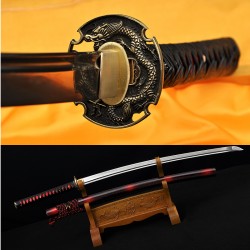
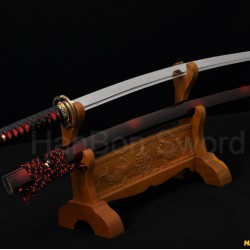
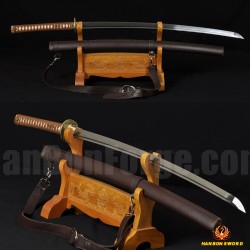
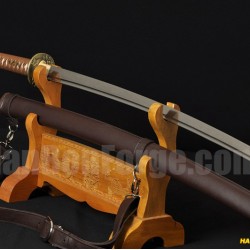
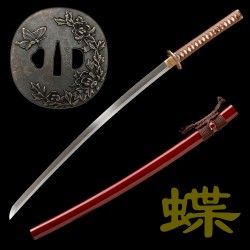
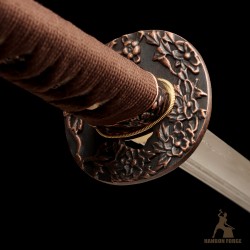
Discover the craftsmanship of a traditional Japanese samurai sword at HanBon Forge. Our collection of handmade katana swords brings together classic Japanese-inspired sword designs, carefully selected blade steels, traditional-style fittings, and personalized customization options.
Whether you are searching for your first katana, a distinctive sword for your collection, or a functional blade for supervised cutting practice, HanBon Forge offers a wide range of Japanese-style swords to suit different preferences and budgets.
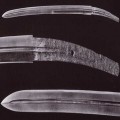
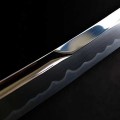
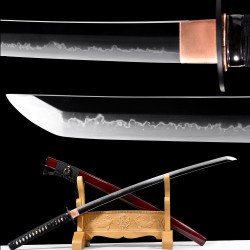
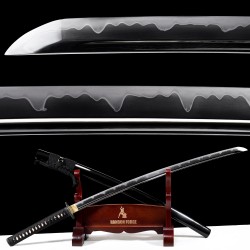
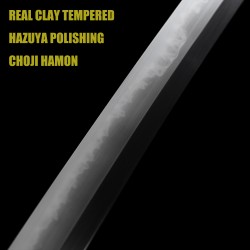
Explore katana made from 1060 carbon steel, T10 tool steel, 1095 high carbon steel, 9260 spring steel, folded steel, and Kobuse-style laminated steel. Selected models are also available with traditional-style clay tempering and a genuine hamon.
Looking for something more personal? Design your own custom katana with your preferred blade, fittings, colors, and engraving.
Shop Katana Swords by Steel Type
Choosing the right blade steel is one of the most important decisions when buying a katana. Different steels offer different characteristics in terms of toughness, edge retention, maintenance, and appearance. Explore our main katana collections below.
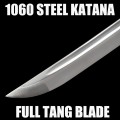
1060 Steel Katana
A practical high carbon steel choice for beginners, collectors, and customers looking for an affordable handmade katana.
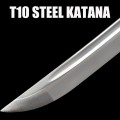
Explore 1060 Katana →T10 Steel Katana
High carbon tool steel valued for its hardness potential, sharp edge, and excellent response to suitable heat treatment.
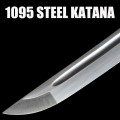
Explore T10 Katana →1095 Steel Katana
A high carbon steel option for enthusiasts who appreciate fine edge geometry, careful heat treatment, and traditional styling.
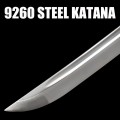
Explore 1095 Katana →9260 Spring Steel Katana
Silicon-alloyed spring steel known for its toughness and resilience when properly heat-treated.
Explore 9260 Katana →Folded Steel Katana
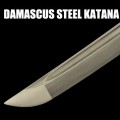
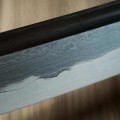
Also commonly described as Damascus-style steel, featuring an attractive layered pattern created through repeated folding and forging.
Explore Folded Steel →Kobuse Steel Katana
A composite blade construction combining different steel layers, inspired by historical Japanese swordmaking methods.
Explore Kobuse Katana →Katana Steel Comparison – Which Should You Choose?
The best katana steel depends on how you intend to use your sword. Heat treatment, blade geometry, construction, and maintenance are just as important as the name of the steel.
| Blade Steel | Key Characteristics | Suggested For |
|---|---|---|
| 1060 Carbon Steel | Balanced carbon content and practical toughness | First-time buyers and general collections |
| T10 Tool Steel | High hardness potential and good edge retention | Cutting enthusiasts and traditional hamon designs |
| 1095 Carbon Steel | High carbon content and strong edge-holding potential | Experienced enthusiasts and collectors |
| 9260 Spring Steel | Tough, resilient silicon-alloyed steel | Buyers prioritizing toughness |
| Folded Steel | Decorative forged-layer pattern | Traditional aesthetics and sword collecting |
| Kobuse Construction | Composite construction with different steel layers | Collectors interested in laminated blade construction |
Note: These are general material characteristics, not performance guarantees. The final behavior of a katana depends on its individual construction, heat treatment, and intended use.
Find the Right Katana for Your Needs
For Beginners and First-Time Buyers
A 1060 high carbon steel katana is a practical starting point. It offers traditional Japanese-style appearance and accessible pricing. For your first purchase, consider blade length, sword weight, handle fit, and whether you need a sharp or unsharpened blade.
For Cutting Practice
Properly constructed T10, 1095, 9260, and selected clay-tempered blades may be suitable for controlled tameshigiri with appropriate soft targets. Always choose a model specifically intended for cutting, inspect the sword before use, and practice under qualified supervision. Never use a sharp sword for partner training.
For Iaido and Martial Arts Training
For drawing and solo kata practice, an unsharpened training sword is generally the more appropriate choice. Explore our Iaido swords , and confirm the required dimensions, balance, and construction with your instructor before ordering.
For Display and Collection
Collectors may prefer folded steel patterns, genuine hamon, distinctive tsuba designs, natural rayskin, and decorative saya. A custom katana allows you to coordinate these elements into a sword with a personal visual character.
Create Your Own Custom Katana
Every sword enthusiast has different preferences. At HanBon Forge, you can go beyond a standard production model and create a personalized Japanese-style katana using our custom sword service.
Choose from a wide selection of blade steels, lengths, blade geometries, handguard designs, handle materials, wrapping styles, scabbard finishes, and decorative details.
| Component | Customization Options |
|---|---|
| Blade Steel | 1060, T10, 1095, 9260, folded steel and other available options |
| Blade Design | Blade length, shape, bo-hi, polish and selected hamon styles |
| Tsuka (Handle) | Handle length, rayskin, ito color, and wrapping style |
| Koshirae (Fittings) | Tsuba, fuchi, kashira, menuki, habaki and seppa |
| Saya (Scabbard) | Colors, finishes, decorative styles and sageo |
| Personal Engraving | Names, characters, messages or approved custom designs |
Your Design. Your Katana.
Design a sword that reflects your personal preferences, from blade steel and geometry to handle wrapping, fittings, saya and engraving.
Customize Your Katana →Hand Forging and Katana Craftsmanship
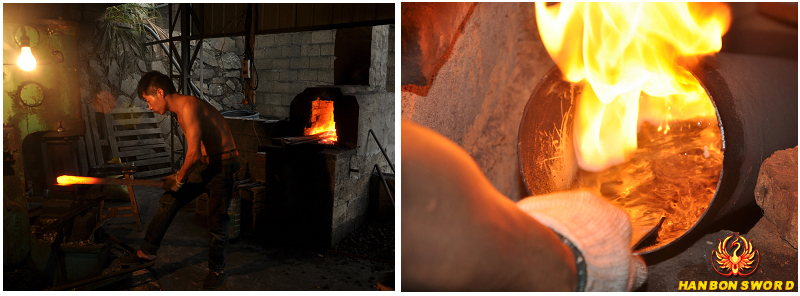
Creating a handmade katana involves more than shaping a piece of steel. From selecting the blade material to completing the final fittings, each stage contributes to the appearance, balance, and performance of the finished sword.
01. Steel Selection
Selecting the appropriate blade material and construction for the intended design.
02. Forging
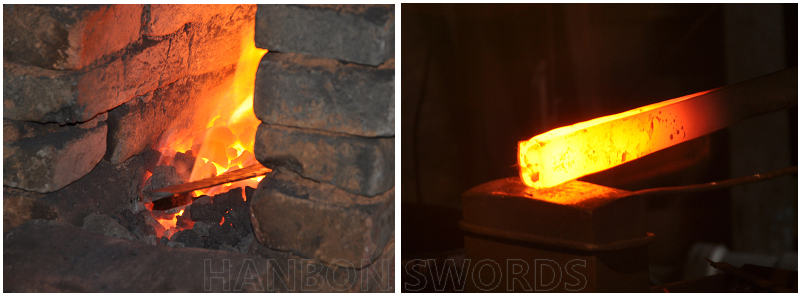
Forging and shaping the blade to establish its profile, curvature, and basic geometry.
03. Heat Treatment
Hardening and tempering the blade according to the selected steel and construction.
04. Polishing
Refining the blade surface, edge geometry, and finish.
05. Assembly
Fitting the tsuka, tsuba, habaki, and saya, followed by final inspection.
Some of our katana feature a genuine hamon produced through differential hardening. Others use through-hardened blade construction. Each method has its own characteristics, and the appropriate choice depends on the intended sword design.
Why Choose HanBon Forge?
HanBon Forge focuses on making Japanese-style swords accessible to collectors, martial arts enthusiasts, and customers seeking individual custom designs. Our approach combines hands-on craftsmanship, flexible customization, and direct communication.
Handmade Craftsmanship
Hand-forged blade options with traditional Japanese-style designs and fittings.
Direct Forge Pricing
A broad selection of katana at accessible prices, with options for different budgets.
Custom Sword Service
Personalize your sword with selected blade materials, dimensions, fittings, colors, and engraving.
Photos Before Shipping
We provide finished-sword photos for customer review and confirmation before dispatch.
International Delivery
We arrange international sword shipping to supported destinations through established logistics partners.
Personal Assistance
Our team can help with custom specifications, design questions, and order information.
How to Order Your Katana
| STEP 01 | Choose Your Sword – Select a katana from our collection or configure your own custom design. |
| STEP 02 | Complete Your Order – Review your selected options and complete payment through checkout. |
| STEP 03 | Sword Preparation – We prepare or produce your katana according to your order requirements. |
| STEP 04 | Photo Approval and Shipping – We send finished-sword photos for confirmation, then arrange shipment and provide tracking information. |
Production and delivery times vary depending on the selected sword, customization requirements, and destination. For shipping details, please visit our Shipping & Delivery Information page.
Frequently Asked Questions About Katana Swords
Find answers to common questions about Japanese katana, blade steels, customization, maintenance, and shipping.
What is a katana sword?
A katana is a traditional Japanese sword generally recognized by its curved, single-edged blade, long handle, and distinctive fittings. Historically associated with the samurai, katana are now appreciated for martial arts, sword collecting, craftsmanship, and cultural interest.
What is the best katana steel for beginners?
1060 high carbon steel is a popular starting point for buyers seeking an affordable handmade katana. T10 and 1095 are also popular choices, although blade construction, proper use, and maintenance are more important than steel designation alone. Explore our 1060 steel katana collection .
What is the difference between T10 and 1095 steel katana?
Both T10 and 1095 are high carbon steels capable of producing hard, sharp edges with appropriate heat treatment. T10 is a tool steel, while 1095 is a plain high carbon steel. Actual performance depends on hardening, tempering, blade geometry, and overall construction.
What is a clay-tempered katana with real hamon?
A clay-tempered katana uses differential hardening to create different hardness characteristics along the blade. This process can produce a genuine hamon, the visible boundary associated with the hardened edge. The exact appearance depends on the steel, treatment, and polish.
Are HanBon Forge katana full tang?
Our standard functional katana designs use a full-length tang extending into the tsuka, typically secured with bamboo mekugi. Refer to the individual product description for exact construction details, particularly for specialty or decorative models.
Can I customize the blade length and fittings?
Yes. Our custom katana service allows you to select from available blade lengths, steels, tsuba, tsuka wrapping, saya styles, and other components. Certain specialized designs may require additional production time or pricing.
Can I use a handmade katana for cutting practice?
Selected functional katana models are intended for controlled cutting of appropriate soft targets. Always verify the intended use of your specific sword, inspect all fittings before practice, and train in a safe environment under experienced supervision. Hard targets and improper technique can damage a blade and cause serious injury.
How do I maintain a carbon steel katana?
Keep the blade clean and dry, avoid touching the polished steel with bare fingers, and apply a thin protective layer of suitable sword oil after cleaning. Store your katana in a dry environment and inspect it regularly. See our Sword Maintenance Guide for more information.
Will I receive photos before my katana ships?
Yes. We send finished-sword photos for customer review before arranging shipment. Once the sword is approved and dispatched, tracking information will be provided.
Do you ship katana swords internationally?
We ship swords to many international destinations, subject to applicable laws and shipping arrangements. Availability, delivery methods, charges, and customs requirements vary by country. Please review our Delivery Information before ordering.
Find Your Ideal Katana at HanBon Forge
From affordable carbon steel samurai swords to finely detailed custom katana, explore Japanese-style blade craftsmanship and discover a sword that reflects your preferences.
Design Your Custom Katana Contact HanBon Forge