
What Is Japanese Ninjutsu? History, Ninja Skills, Weapons & Facts

What Is Japanese Ninjutsu? History, Skills, Weapons and the Real Story of Ninja
When people hear the word ninja, they often imagine black-clad warriors disappearing in smoke, throwing shuriken, and moving silently through the night. While this image has become popular through movies, anime and video games, the historical reality of Japanese Ninjutsu is much more complex.
Ninjutsu (忍術) was a collection of strategies, survival skills, intelligence techniques and unconventional warfare methods developed in feudal Japan. The people associated with these skills were known as shinobi (忍び), often translated as ninja.
Rather than being only assassins, historical shinobi were primarily involved in reconnaissance, information gathering, infiltration and strategic operations for Japanese feudal leaders.
Today, Japanese Ninjutsu remains an important part of Japanese martial arts history and continues to attract interest from martial artists, historians and collectors of traditional Japanese weapons.
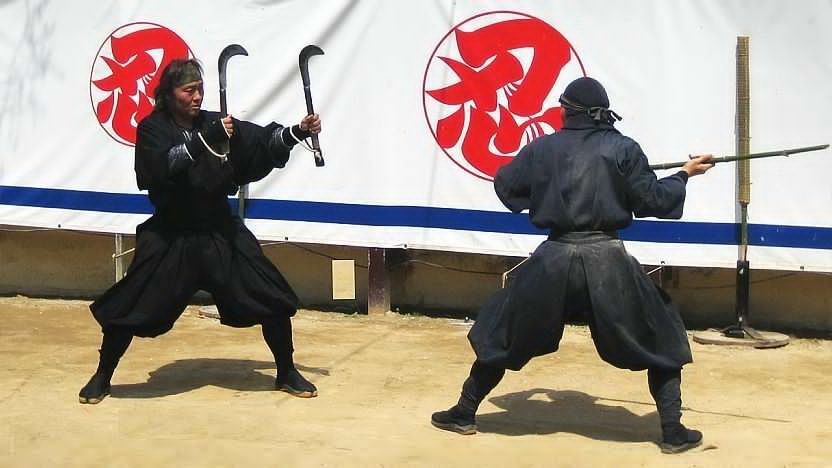
What Does Ninjutsu Mean?
The Japanese word Ninjutsu (忍術) can be translated as:
忍 (nin) — endurance, patience, concealment or perseverance
術 (jutsu) — technique, skill or method
Together, Ninjutsu refers to the techniques and strategies of concealment, survival and achieving objectives through intelligence and adaptability.
Unlike many traditional Japanese martial arts that focus mainly on direct combat, Ninjutsu historically included a wide range of abilities such as:
Stealth movement
Intelligence gathering
Disguise
Survival skills
Tactical planning
Escape techniques
Psychological strategy
Weapon training
This is why Ninjutsu is often described as an art of strategy rather than simply a fighting style.
The History of Japanese Ninjutsu
The origins of Ninjutsu are connected to Japan’s medieval period, especially regions such as Iga and Koka, which became famous for their shinobi traditions.
The mountainous geography of these areas helped develop skills related to movement, survival and unconventional warfare.
During Japan’s Sengoku period (1467–1603), when rival samurai clans fought for power, shinobi became valuable resources for daimyo (feudal lords). Their abilities were used for:
Scouting enemy positions
Gathering military information
Infiltration missions
Communication
Sabotage operations
Historical records show that shinobi were not simply warriors who fought openly on battlefields. Their greatest value was often their ability to collect information and complete missions without direct confrontation.
Ninja vs Samurai: What Is the Difference?
The ninja and samurai are two of the most famous figures in Japanese history, but their roles were very different.
| Feature | Ninja (Shinobi) | Samurai |
|---|---|---|
| Main Role | Intelligence, scouting and covert operations | Warrior class and battlefield combat |
| Fighting Style | Unconventional tactics | Open combat and military strategy |
| Social Image | Secretive and flexible | Public warrior identity |
| Famous Weapons | Ninjato, shuriken, kunai | Katana, yumi, yari |
| Main Skills | Stealth, strategy, survival | Swordsmanship, archery, battlefield tactics |
Although popular culture often portrays ninjas and samurai as enemies, historical reality was more complicated. Some individuals connected with shinobi traditions also had samurai backgrounds.
What Skills Were Used in Ninjutsu?
Traditional Ninjutsu was not limited to fighting techniques. A skilled shinobi needed a broad range of knowledge.
1. Stealth and Movement
One of the most famous aspects of Ninjutsu was the ability to move quietly and avoid detection.
Shinobi trained in:
Silent movement
Night operations
Environmental awareness
Disguise techniques
The goal was usually not direct confrontation, but completing a mission successfully.
2. Intelligence Gathering
Information was one of the most valuable resources in warfare.
Shinobi were often used to:
Observe enemy positions
Learn military plans
Study terrain
Report important information
This role was closer to a modern intelligence agent than the fictional image of a sword-wielding assassin.
3. Survival Skills
Ninjutsu also included knowledge needed to survive in difficult environments.
Examples included:
Navigation
Weather awareness
Understanding terrain
Basic medical knowledge
Resource management
4. Combat Training
Although avoiding combat was often preferred, shinobi also trained in various fighting methods.
These could include:
Unarmed combat
Sword techniques
Short weapons
Traditional Japanese weapons
Combat was considered one part of a much larger skill system.
What Weapons Did Ninja Use?
Many weapons associated with ninjas became famous through popular culture. Some historical tools and weapons connected with shinobi traditions include:
Ninja Sword (Ninjato)
The ninjato, also called a ninja sword, is one of the most recognizable ninja weapons today.
However, historians continue to debate how common the straight-bladed “ninja sword” was historically. Many modern examples are influenced by movies and popular culture.
Historical shinobi could use ordinary weapons available during their time, including swords similar to those used by other warriors.
Shuriken
Shuriken are small throwing weapons often associated with ninja.
They were used for various purposes, including distraction, harassment or tactical applications.
The famous “ninja star” image comes largely from modern entertainment.
Kunai
Kunai are small multipurpose tools that became strongly associated with ninja.
Historically, tools could serve practical purposes beyond combat.
Other Ninja Tools
Traditional shinobi were also associated with tools such as:
Rope equipment
Climbing tools
Concealment devices
Survival equipment
The key advantage of ninja tools was often their practicality and ability to support a mission.
Is Ninjutsu a Martial Art?
The answer depends on how the term is used.
Historically, Ninjutsu was not simply a formal martial art like modern karate or kendo. It was a broader system of skills related to warfare, intelligence and survival.
Today, several modern schools teach Ninjutsu as a martial art, combining:
Traditional techniques
Weapon training
Physical conditioning
Historical study
Modern Ninjutsu practice may therefore differ from historical shinobi methods.
Famous Ninja Regions: Iga and Koka
Two regions are especially connected with Japanese ninja history:
Iga
Located in present-day Mie Prefecture, Iga became one of the most famous centers of shinobi tradition.
The difficult mountain environment helped develop skills related to stealth and survival.
Koka (Koga)
Koka, located in present-day Shiga Prefecture, was another important center of shinobi culture.
Both Iga and Koka became strongly associated with ninja history and remain popular destinations for people interested in Japanese ninja culture.
The Ninja Image in Modern Culture
Movies, anime and video games have transformed the ninja into a worldwide cultural symbol.
Modern popular images often include:
Black uniforms
Invisible movement
Magical abilities
Superhuman fighting skills
While entertaining, many of these ideas are exaggerations.
The historical ninja was usually valued more for:
Intelligence
Patience
Planning
Adaptability
Information gathering
The real strength of the shinobi was not supernatural ability, but preparation and strategy.
Japanese Ninjutsu and Traditional Japanese Weapons
Because HanBon Forge specializes in traditional Japanese swords, Ninjutsu is closely connected with the history of Japanese weapons.
Weapons associated with ninja culture often include:
Shuriken
Kunai
Other traditional tools
However, it is important to understand that ninja did not always use completely unique weapons. Like other warriors in feudal Japan, they often used weapons that were practical and available.
Understanding Ninjutsu also helps explain the broader development of Japanese sword culture and traditional martial arts.
Frequently Asked Questions About Japanese Ninjutsu
1. What is Japanese Ninjutsu?
Japanese Ninjutsu is a traditional system of strategies, survival skills and unconventional warfare techniques associated with the shinobi of feudal Japan.
2. Are ninjas real?
Yes. Historical records describe shinobi as people involved in intelligence gathering, scouting and covert operations during Japan’s medieval period.
3. Were ninjas only assassins?
No. Although assassination is part of popular ninja stories, historical shinobi were more commonly involved in reconnaissance, espionage and strategic missions.
4. What does Ninjutsu mean?
Ninjutsu means “the art of technique” or “the techniques of concealment and endurance.” It combines the Japanese characters for perseverance and skill.
5. Is Ninjutsu a Japanese martial art?
Modern Ninjutsu is practiced as a martial art, but historically it was a broader system involving strategy, intelligence and survival skills.
6. Did ninja use swords?
Yes, shinobi used swords and other weapons, but the famous straight-bladed ninja sword is difficult to confirm as a standard historical weapon.
7. What is the difference between ninja and samurai?
Samurai were warrior-class soldiers who fought openly, while ninja were associated with intelligence gathering, infiltration and unconventional tactics.
8. Where did Japanese ninja come from?
The most famous ninja traditions developed in regions such as Iga and Koka in Japan.
9. Did ninja really wear black clothes?
The black ninja outfit is mainly a creation of theater and modern entertainment. Historical shinobi often used disguises suitable for their missions.
10. Can people still learn Ninjutsu today?
Yes. Several modern schools teach Ninjutsu-inspired martial arts, including traditional movement, weapons and historical techniques.
Final Thoughts
Japanese Ninjutsu is one of the most fascinating parts of Japanese martial history.
Behind the legends of invisible warriors and mysterious weapons was a much more practical tradition based on intelligence, discipline, survival and strategy.
The true history of the ninja is not only about fighting. It is about understanding situations, adapting to challenges and achieving goals through knowledge and preparation.
For anyone interested in Japanese swords, samurai culture or traditional martial arts, learning about Ninjutsu provides a deeper understanding of Japan’s rich warrior heritage.