
Swords Buyer Guide RSS Feed
13 Jul

2
96936
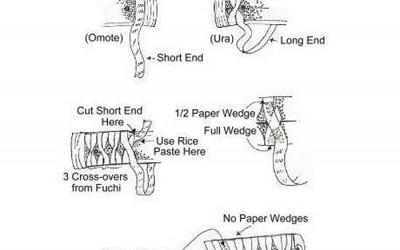
How to Wrap a Katana Handle: Traditional Tsuka Wrapping Method (Tsukamaki)The handle of a Japanese sword is not only a decorative part of the weapon. A properly wrapped katana handle provides a secure grip, improves control, and represents cent..
11 Jul
0
24537
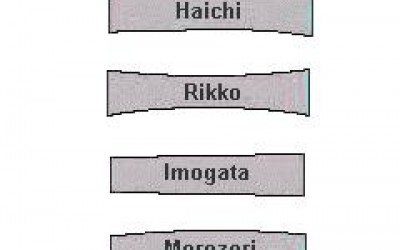
Basic Shapes of Katana Tsuka: Understanding Japanese Sword Handle DesignsThe tsuka (柄) is one of the most important parts of a Japanese sword. Although many people focus mainly on the blade, the shape, size, and construction of the katana handle..
09 Jul
0
7026
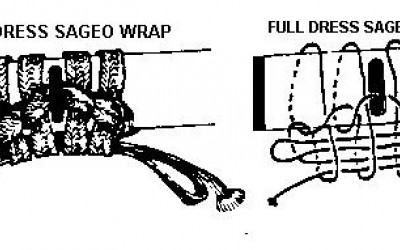
Sageo Wrapping of Katana Sword: Complete Guide to Japanese Sword Scabbard CordThe sageo (下緒) is a traditional cord attached to the saya (scabbard) of a Japanese sword. Although it may appear to be a small decorative detail, the sageo plays an im..
06 Jul
0
8735
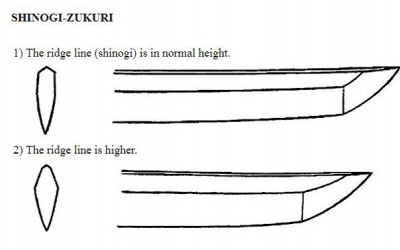
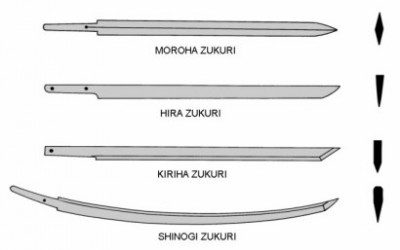
Shinogi-Zukuri Blade: Understanding the Most Popular Japanese Sword Blade ShapeAmong all traditional Japanese sword designs, Shinogi-Zukuri (鎬造り) is one of the most recognizable and widely used blade shapes. It is the classic geometry found on m..
04 Jul
1
13224
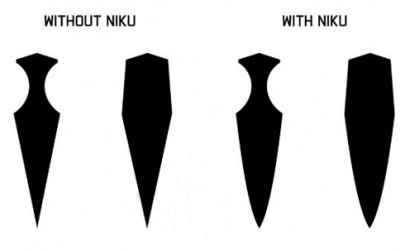
Samurai Sword Blade Niku: Understanding Katana Blade Geometry and Cutting PerformanceWhen discussing the quality and performance of a traditional Japanese sword, many collectors focus on the steel type, hamon, and polishing. However, the blade g..
02 Jul
0
13953
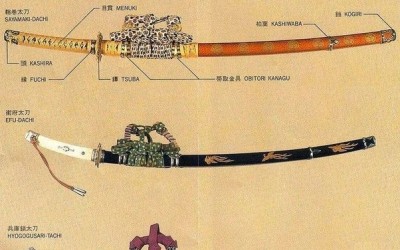
Tachi (Ōdachi) Sword: History, Design, and Differences From KatanaThe Tachi (太刀) is one of the most important sword types in Japanese history. Before the katana became the symbol of the samurai, the tachi was the primary sword used by Japanese w..
29 Jun
1
15964
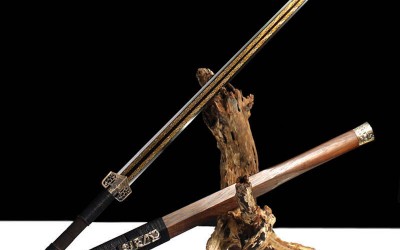
Han Jian Sword: History, Design, and Characteristics of the Ancient Chinese JianThe Han Jian sword (汉剑) is one of the most important sword types in Chinese history. As a classic example of the traditional Chinese double-edged straight sword, the..
27 Jun
0
21320
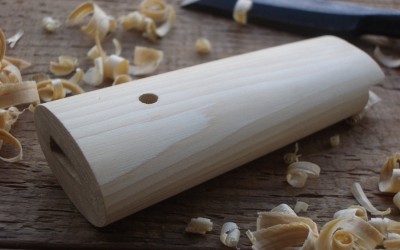
Making a Tsuka (Katana Handle): Traditional Japanese Sword Handle ConstructionThe tsuka (柄) is one of the most important parts of a Japanese sword. Although the blade receives most attention, a properly made katana handle plays a critical role i..
25 Jun
1
7183
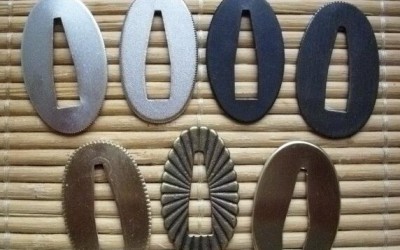
Seppa Spacers: The Small but Important Parts of a Japanese SwordWhen people admire a Japanese sword, most attention usually goes to the blade, tsuba, or decorative fittings. However, many smaller components play an important role in creating a s..
22 Jun
1
8343
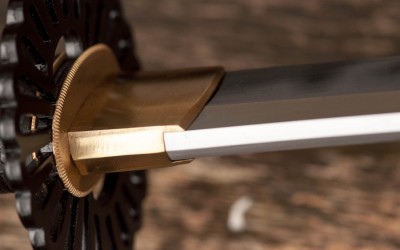
Habaki: The Important Blade Collar of a Japanese SwordWhen looking at a Japanese sword, many people focus on the blade shape, hamon, or decorative fittings. However, some of the most important components are the smaller parts that provide stabil..
20 Jun
0
6318
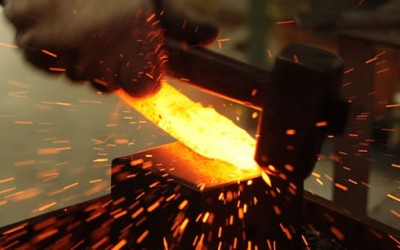
Forging Method of Damascus Folded Steel: How Damascus Steel Is MadeDamascus steel has been admired by sword enthusiasts for centuries because of its unique patterns, excellent craftsmanship, and connection with traditional forging techniques. To..
13 Jun
0
6323
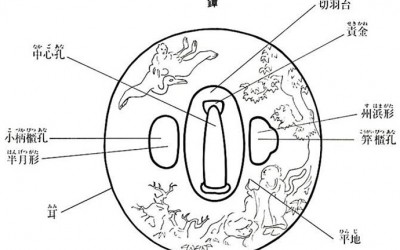
Samurai Sword Tsuba: The Complete Guide to Japanese Sword GuardsWhen people think about a Japanese sword, they often focus on the blade, hamon, or polishing. However, every traditional katana is made from many carefully designed components, and ..
11 Jun
0
8748
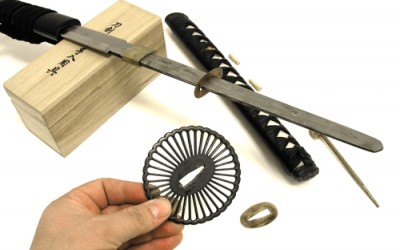
How to Disassemble a Katana Sword: A Complete Guide for Safe MaintenanceA traditional Japanese katana is made from multiple carefully fitted components, including the blade, habaki, tsuba, seppa, tsuka, and mekugi. Unlike many modern swords, a pr..
08 Jun
0
8931
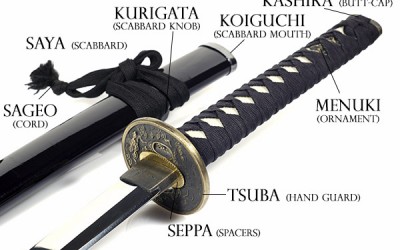
Japanese Sword Mountings: A Complete Guide to Katana Koshirae and FittingsWhen people admire a Japanese sword, they often focus on the blade, hamon, and polishing. However, a complete sword is more than just the steel blade. The traditional moun..
06 Jun
0
6335
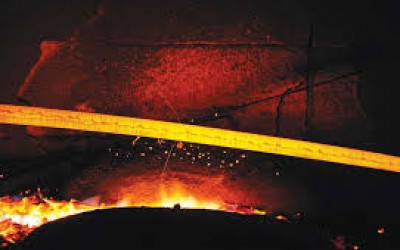
Clay Tempered Katana: Understanding Clay Tempering and Japanese Sword MakingWhen choosing a high-quality Japanese sword, many collectors and sword enthusiasts look for terms such as clay tempered katana, real hamon, and differential hardening. T..
04 Jun

0
12840
History of the Japanese Samurai Sword: The Evolution of the Legendary KatanaThe Japanese Samurai Sword is one of the most recognizable weapons in world history. More than a battlefield tool, the katana represents centuries of craftsmanship, warr..
01 Jun
0
19105
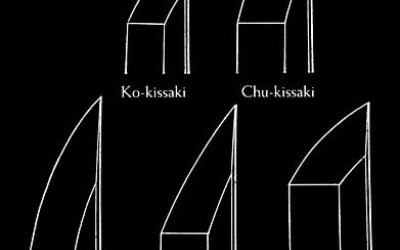
Kissaki (切先) — The Tip of a Japanese SwordThe Kissaki (切先) is the tip of a Japanese sword blade, including Katana, Wakizashi, and Tanto.Although small in size, it is one of the most important parts of the sword because it reflects:Swordsmith forging ..
30 May
2
102216
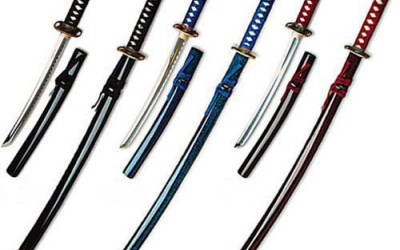
Types of Samurai Swords: A Complete Guide to Japanese Sword TypesWhen people think of a Samurai sword, the first image that usually comes to mind is the famous Japanese Katana. However, the katana is only one type of traditional Japanese sword. ..
28 May
1
9809
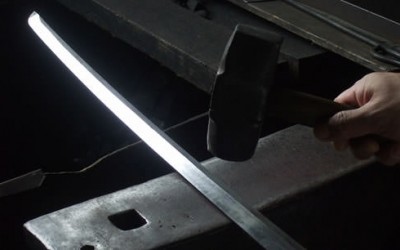
GYAKU-KOBUSE Steel: Understanding This Advanced Japanese Katana Construction MethodWhen choosing a high-quality Japanese Katana, many collectors focus on the blade shape, polish, fittings, and hamon pattern. However, one of the most important fa..
24 May
0
15986
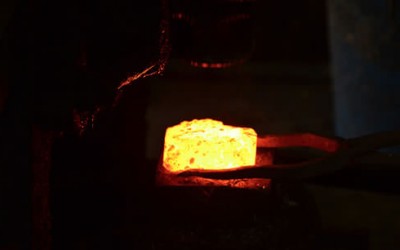
Tamahagane Katana: Understanding the Traditional Steel Behind Japanese SwordsWhen people talk about traditional Japanese Katana, one material is often considered the heart of the blade: Tamahagane steel. For centuries, Japanese swordsmiths have ..
22 May
0
8803
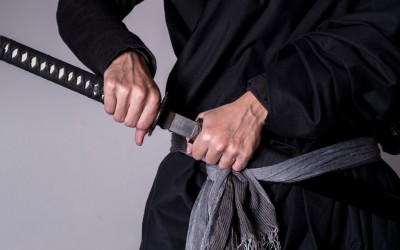
What Makes a Samurai Sword So Special? Exploring the Art and Craftsmanship Behind the KatanaThe Samurai sword is one of the most recognizable weapons in history. Known for its elegant curve, sharp edge, and incredible craftsmanship, the Japanese..
11 May
0
6093
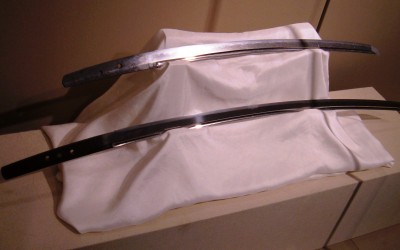
What Katana Is Really Suitable For You? A Complete Guide to Choosing the Right Japanese SwordChoosing a Katana can be exciting, but with so many options available, finding the right sword can also become confusing. Different blade steels, shapes..
27 Apr
2
31850
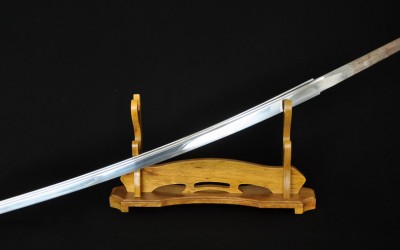
9260 Spring Steel vs 1095 Steel: Which Katana Steel Is Better?When buying a functional katana, one of the most common questions buyers ask is:Should I choose 9260 spring steel or 1095 high carbon steel?Both steels are popular for Japanese swords, bu..
25 Apr
1
8000
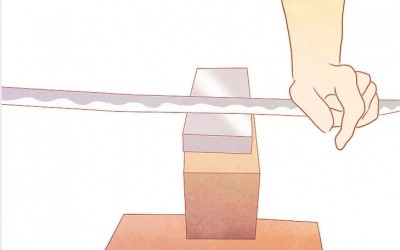
Carbon Steel vs Other Katana Steels: A Complete Guide to Choosing the Best Japanese Sword SteelWhen choosing a Japanese Katana, one of the most important decisions is selecting the right blade steel. The steel affects the sword’s sharpness, dura..
28 Mar
1
18276
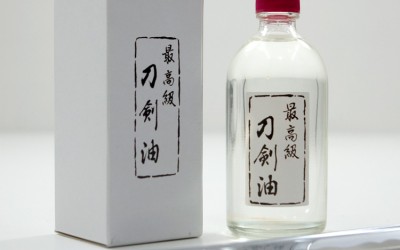
How Often Should You Oil and Maintain Your Katana? A Complete Japanese Sword Care GuideOwning a Katana is not only about appreciating its beauty and craftsmanship. A Japanese sword, especially one made from carbon steel such as 1060, 1095, or T1..
17 Mar
0
13537
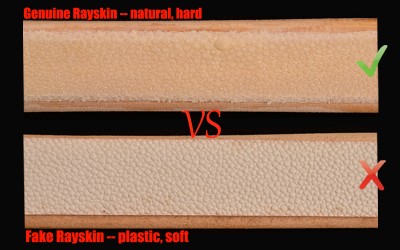
How to Identify a Genuine HanBon Forge Sword: A Complete Buyer’s GuideWith the growing popularity of Japanese swords, more buyers are searching for authentic handmade Katana that offer real craftsmanship, quality materials, and reliable performa..
27 Feb
3
17287
How to Choose a Katana Blade: A Complete Guide for Beginners and CollectorsChoosing the right Katana blade is one of the most important decisions when buying a Japanese sword. The blade determines not only the appearance of the sword but also its..