
Swords Buyer Guide RSS Feed
18 Jun


0
10852
What Is Japanese Ninjutsu? History, Skills, Weapons and the Real Story of NinjaWhen people hear the word ninja, they often imagine black-clad warriors disappearing in smoke, throwing shuriken, and moving silently through the night. While this image h..
28 May
-400x250w.jpg "Zhanmadao: The Legendary Chinese Horse-Cutting Sword History")
0
20843
Zhanmadao: The Legendary Chinese Horse-Cutting SwordAmong the many traditional weapons created throughout Chinese history, few are as impressive and mysterious as the Zhanmadao (斬馬刀).Often translated as the “horse-cutting sword” or “horse-chopping sa..
24 May
1
9188
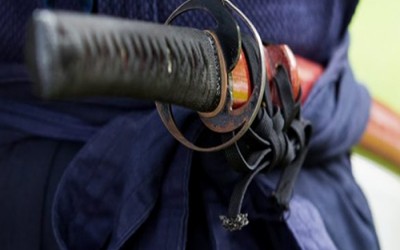
Why Was the Katana the Sword of Choice for Samurai?The katana is one of the most recognizable swords in the world. For centuries, it has been closely connected with the image of the Japanese samurai, representing discipline, honor, craftsmanship and ..
20 May

0
9563
Tai Ji Jian: The Traditional Chinese Tai Chi SwordThe Tai Ji Jian (太极剑), also written as Taijijian or commonly called the Tai Chi sword, is one of the most recognizable weapons in traditional Chinese martial arts.With its straight double-edged blade,..
13 May
0
14617
How to Fix a Loose Katana Saya: Complete Scabbard Repair GuideA properly fitted saya (鞘), the traditional Japanese sword scabbard, is an essential part of katana ownership.The saya does more than simply protect the blade. It keeps the sword secure, p..
14 Apr
0
19734
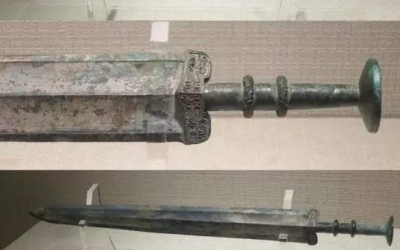
Four Famous Chinese Swords in History: Real Blades, Historical Records and Legendary Weapons
Chinese
sword history is filled with remarkable weapons, famous swordsmiths, royal treasures, archaeological discoveries and
enduring legends. F..
01 Apr

1
11266
Han Jian: The Legendary Sword of the Chinese Han DynastyAmong the many weapons in Chinese history, few represent the spirit of ancient China as strongly as the Han Jian (汉剑).Developed and widely used during the Han Dynasty (206 BC–220 AD), the Han Ji..
01 Mar
0
12296
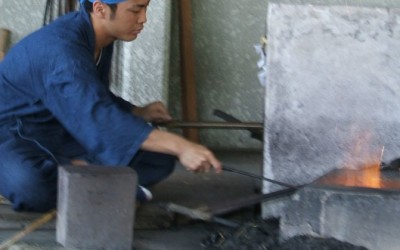
How Does a Japanese Sword Get Its Curve? The Science Behind Katana SoriOne of the most recognizable features of a Japanese sword is its elegant curved blade. Whether you are looking at a traditional katana, tachi, or wakizashi, the curve gives the sw..
28 Mar
4
45253
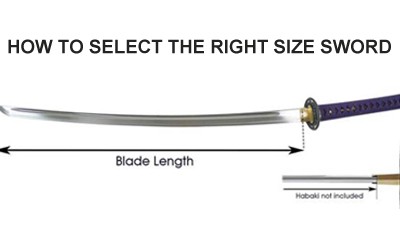
How to Choose the Right Sword Size: A Complete Katana Size GuideChoosing the right sword size is one of the most important things to consider before buying a katana or another Japanese sword. A sword may look impressive in photos, but if the blade is..
07 Jan
0
17429
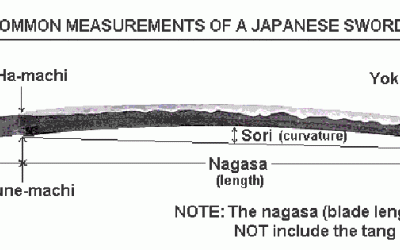
How to Measure Japanese Sword Size Properly: A Complete Katana Measurement GuideJapanese swords are measured differently from many modern swords. When people ask about the size of a katana, they often look only at the overall length. However, traditi..
02 Jan
-FILING-MARKS-(YASURIME)/filing_marks_on_tang_1-400x250h.jpg "Nakago and Yasurime: Japanese Sword Tang Filing Marks Explained")
4
16192
Nakago and Yasurime: Japanese Sword Tang Filing Marks ExplainedWhen examining a Japanese sword, most people naturally focus on the blade, hamon, or fittings. However, one of the most important areas for understanding a sword's history and constructio..
26 Dec
1
14704
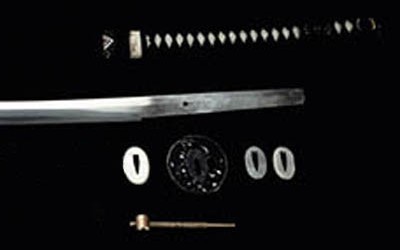
How to Remove the Handle from a Katana: A Guide to Tsuka RemovalThe handle of a traditional Japanese sword is called the tsuka. It fits over the nakago, or tang, and is secured with one or more small retaining pegs known as mekugi.Understanding how a..
24 Dec
-and-Koshira-(pommel)/Fuchi%20and%20Koshira-400x250w.jpg "Fuchi and Kashira: Essential Katana Handle Fittings Explained")
2
7631
Fuchi and Kashira: Essential Katana Handle Fittings ExplainedWhen looking at a Japanese katana, most people immediately notice the blade, the tsuba, or the wrapping on the handle. However, the smaller components of the sword are equally important. Tw..
21 Dec
0
9905
Tang Dao Sword: History, Design and the Art of Traditional Chinese SwordsmanshipThe Tang Dao is one of the most fascinating weapons associated with ancient China. Developed during the Tang Dynasty, the Tang Dao represents an important stage in the hi..
17 Dec
1
15307
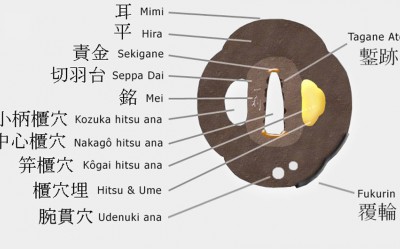
Tsuba Parts Explained: A Complete Guide to the Japanese Sword GuardThe tsuba (鍔 or 鐔) is the traditional Japanese sword guard found on weapons such as the katana, wakizashi, and tanto. Positioned between the blade and the handle, the tsuba is one of ..
14 Dec
/20181213152007-400x250w.jpg "Common Tsuba Shapes: A Guide to Japanese Sword Guards")
0
32037
Common Tsuba Shapes: A Guide to Japanese Sword Guards
The
tsuba is one of the most recognizable parts of a traditional Japanese sword.
Positioned between the blade and the handle, the tsuba serves as the sword's guard and is an important..
12 Dec
0
14260
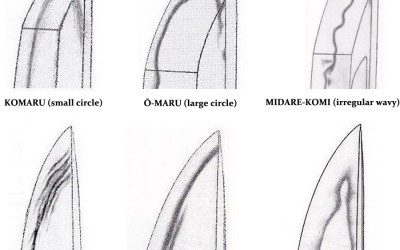
Common Boshi Styles: A Guide to Japanese Sword Tip HamonThe boshi is one of the most important features found near the tip of a traditionally made Japanese sword. It is the continuation of the hamon into the kissaki, or point of the blade.Alt..
07 Dec
1
15031
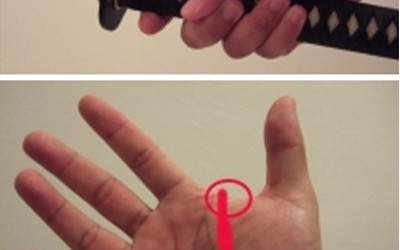
How to Hold a Katana Correctly: Proper Samurai Sword Grip GuideLearning how to hold a katana correctly is one of the first steps for anyone interested in Japanese
swords. Whether you are studying traditional Japanese martial arts, prac..
05 Dec
0
9004
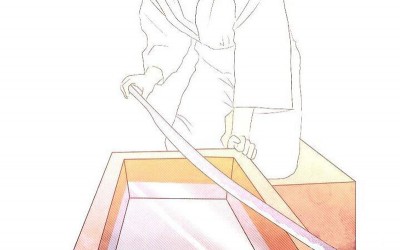
How to Forge a Katana: The Traditional Japanese Sword Making ProcessForging a katana is a long and highly skilled process that combines metallurgy, craftsmanship, patience, and traditional Japanese sword-making techniques. A traditional katana..
30 Nov
1
8290
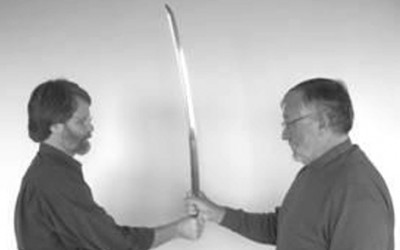
Japanese Sword Etiquette: How to Handle, Draw and Pass a Katana RespectfullyJapanese swords are admired not only for their craftsmanship and history, but also for the traditions surrounding their handling. Whether you own a katana for collecting,..
28 Nov
/Shape_Tang_tip_2-400x250h.jpg "Shapes of Katana Tang Tips (Nakago-jiri): A Complete Guide")
0
12707
Shapes of Katana Tang Tips (Nakago-jiri): A Guide to Japanese Sword Tang ShapesWhen studying a Japanese sword, collectors often focus on the blade, hamon, kissaki, or fittings. However, the nakago, or tang, is also an important part of a sword's ..
26 Nov
/Shapes%20of%20Japanese%20sword%20tangs%20(nakago)-400x250h.jpg "Japanese Sword Tang Shapes (Nakago): Types and Identification Guide")
1
16238
Shapes of Japanese Sword Tang (Nakago): A Guide to Nakago ShapesShapes of Japanese Sword Tang (Nakago): A Guide to Traditional Nakago ShapesWhen people examine a Japanese sword, most attention naturally goes to the polished blade, the..
09 Nov
0
34609
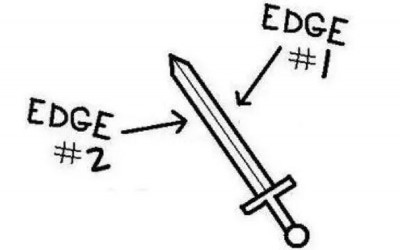
Double Edged Sword vs Single Edged Sword: Key Differences ExplainedDouble Edged Sword vs Single Edged Sword: What Is the Difference?One of the most basic differences between swords is the number of sharpened edges on the blade. Som..
05 Nov
1
18087
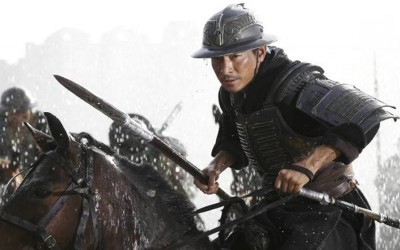
The Most Powerful Ancient Chinese Weapons: A Guide to China's Historic ArmsThe Most Powerful Ancient Chinese Weapons: A Guide to China's Historic ArmsAncient China developed one of the world's longest and most diverse weapon tradit..
01 Nov
0
11494
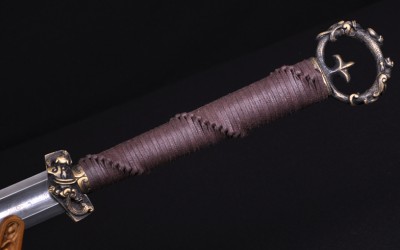
Huan Shou Dao: The Ring-Pommel Sword of the Han DynastyThe Huan Shou Dao (环首刀), commonly translated as the Ring-Pommel Dao, was one of the most important single-edged weapons in ancient China. Recognizable by the distinctive ring at the end of..
29 Oct
-for-Katana-Sword/saya_3-400x250w.jpg "Saya (Scabbard) for Katana: Parts, Materials and Complete Guide")
2
13837
Saya (Scabbard) for Katana: Parts, Materials and Complete GuideThe saya (鞘) is the traditional scabbard used for a Japanese sword. While it may appear to be a simple wooden sheath, a well-made katana saya plays an important role in protecting ..
26 Oct
2
22246
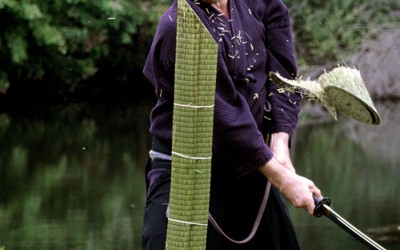
Traditional Japanese Sword Cutting Targets: Tatami, Bamboo and TameshigiriJapanese swords have long been admired for their craftsmanship, balance, and cutting ability. But a sword's performance cannot be understood by looking at the blade alon..