
How to Oil a Katana: Japanese Sword Maintenance Guide
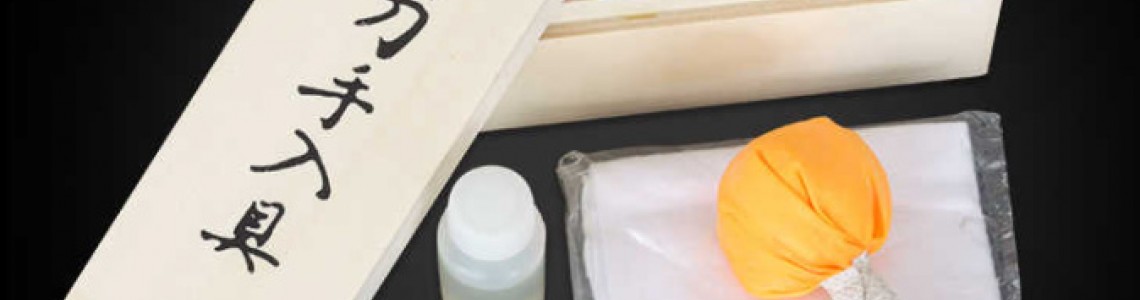
How to Oil a Katana: Complete Japanese Sword Maintenance Guide
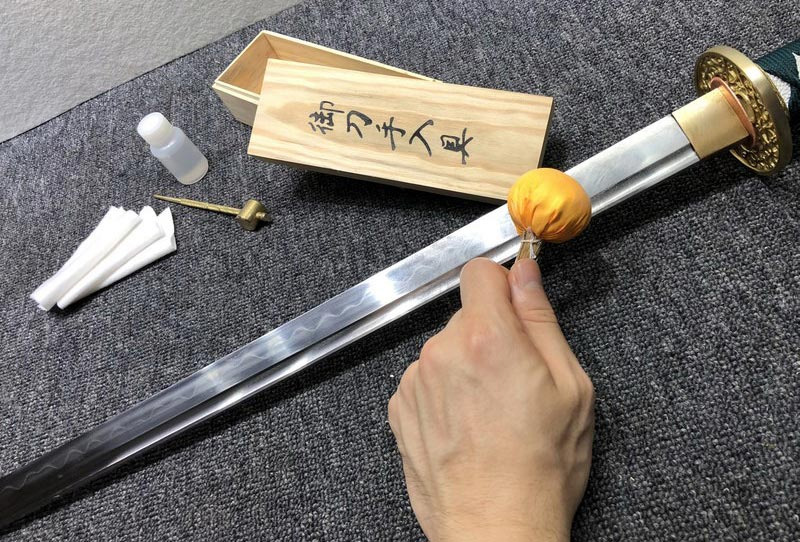
A Japanese katana is not only a weapon but also a carefully crafted piece of steel art.
Whether you own a handmade katana, a clay tempered Japanese sword, or a decorative samurai sword, proper maintenance is essential to preserve the blade's appearance and prevent rust.
One of the most important parts of katana maintenance is regularly applying a thin layer of protective oil.
Proper sword oiling helps protect the blade from:
Rust and corrosion
Moisture damage
Fingerprint stains
Surface oxidation
Learning how to oil a katana correctly is a simple but important skill for every sword owner.
Why Should You Oil a Katana Blade?
Most traditional katana blades are made from carbon steel or high-carbon steel.
Although these steels can produce excellent sharpness and durability, they are also more vulnerable to oxidation when exposed to:
Air humidity
Water
Sweat
Fingerprints
Long-term storage conditions
When moisture and oxygen contact the steel surface, oxidation begins and rust can form.
Applying a thin layer of oil creates a protective barrier between the blade and the environment, helping reduce the chance of corrosion.
Regular oiling is one of the easiest ways to protect your Japanese sword for many years.
How Often Should You Oil a Katana?
The frequency depends on how the sword is stored and used.
Display or Storage Katana
For a katana that is rarely handled:
Check the blade every few weeks
Apply fresh oil approximately every 1–3 months depending on humidity
Frequently Handled Katana
If you often remove the sword from the saya (scabbard):
Wipe fingerprints immediately
Apply a fresh oil layer after handling
Cutting Practice Katana
After cutting practice:
Clean the blade
Remove any residue
Apply oil before storage
High humidity environments require more frequent maintenance because moisture accelerates rust formation.
What Oil Should You Use for a Katana?
Choosing the correct oil is important.
The most commonly recommended oils for Japanese swords include:
1. Choji Oil (Japanese Sword Oil)
Choji oil is the traditional oil used for Japanese swords.
It is mainly made from mineral oil with a small amount of clove oil for fragrance.
Advantages:
✔ Safe for carbon steel blades
✔ Traditional choice for katana maintenance
✔ Provides corrosion protection
2. Mineral Oil
High-quality mineral oil is also commonly used for sword maintenance.
Advantages:
✔ Easy to find
✔ Effective rust protection
✔ Stable and long-lasting
Oils You Should Avoid on a Katana
Some household oils can damage your sword over time.
Avoid:
WD-40
WD-40 is designed primarily as a water-displacement product, not a long-term sword protectant.
It may leave residues that are unsuitable for long-term blade storage.
Cooking Oils
Avoid:
Olive oil
Vegetable oil
Other food oils
These oils can become sticky, attract dust, or degrade over time.
Heavy Machine Oils
Thick oils may:
Collect dust
Leave unwanted residue
Make cleaning more difficult
For katana maintenance, a thin protective oil layer is preferred.
What Do You Need to Oil a Katana?
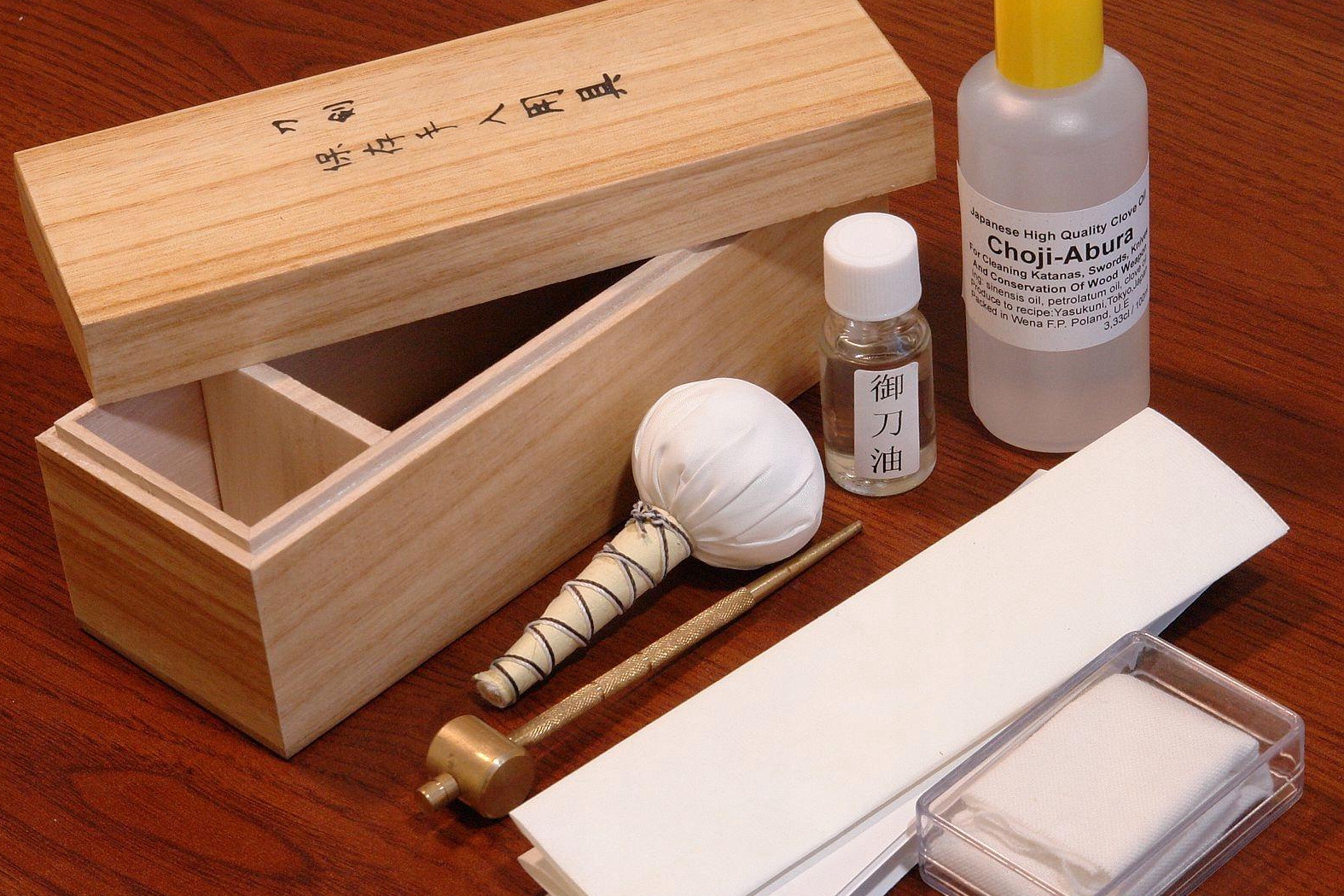
A basic katana maintenance setup includes:
1. Sword Oil
Recommended:
Choji oil
Mineral oil
2. Soft Lint-Free Cloth
Use:
Microfiber cloth
Nuguigami (traditional sword wiping paper)
Avoid rough materials that may scratch the polished surface.
3. Clean Working Area
Before maintenance:
Choose a stable surface
Ensure good lighting
Keep the blade away from other objects
Safety should always come first because katana blades are extremely sharp.
Step-by-Step: How to Oil a Katana Correctly
Step 1: Prepare the Sword
Place the sword on a clean surface.
Before touching the blade:
Wash and dry your hands
Remove dust from the working area
Make sure the cutting edge points away from you
Never touch the blade surface directly with bare fingers.
Fingerprints contain salts and moisture that can cause stains or rust.
Step 2: Remove Old Oil and Dirt
Before applying new oil, remove the previous oil layer.
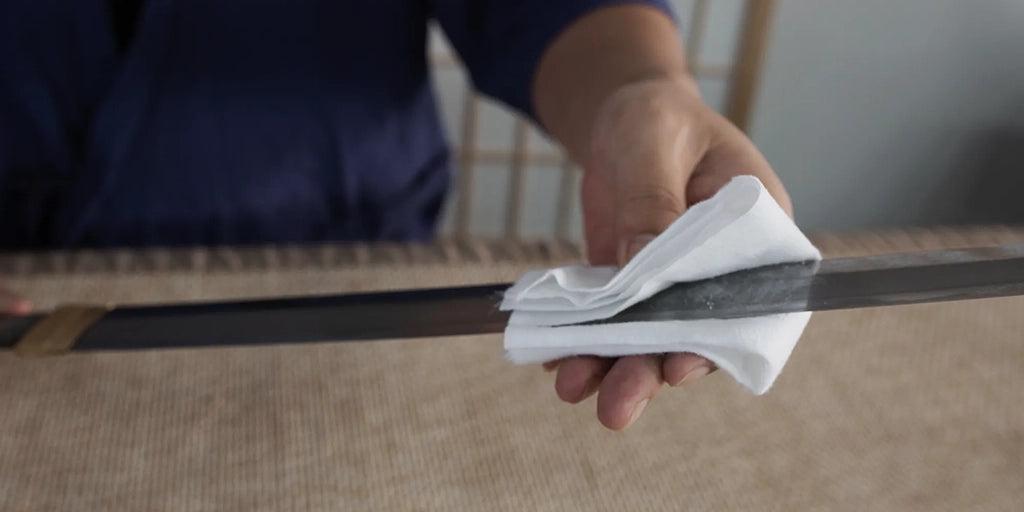
Use a clean soft cloth and gently wipe:
From the blade base toward the tip
In one consistent direction
Do not rub aggressively.
The goal is to remove:
Old oil
Dust
Fingerprints
Surface residue
Step 3: Apply a Small Amount of Oil
Place a few drops of sword oil onto a clean cloth.
Do not pour oil directly onto the blade.
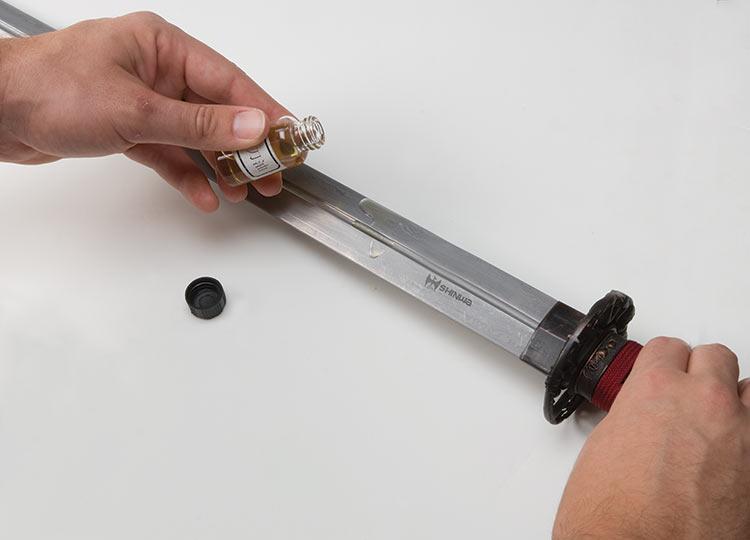
A katana only needs a very thin protective layer.
Too much oil can:
Attract dust
Leak into the saya
Create unnecessary buildup
Step 4: Spread Oil Evenly Across the Blade
Carefully wipe the entire blade surface.
Cover:
Both sides of the blade
The flat surface (ji)
The spine area (mune)
The oil should create a light, even film.
You should not see thick drops or oil running along the blade.
Step 5: Check the Blade Before Storage
After oiling, inspect the sword under good lighting.
Look for:
Rust spots
Fingerprints
Uneven oil coverage
Moisture marks
A well-maintained blade should have a clean surface with a light protective coating.
Step 6: Store the Katana Properly
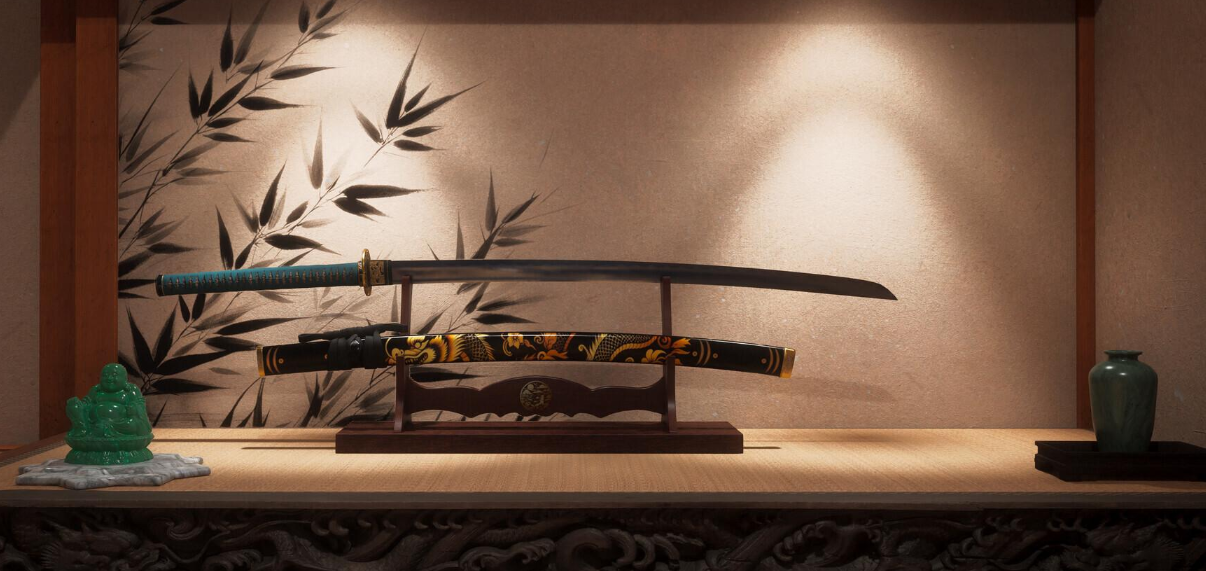
After oiling:
Return the sword carefully into the saya
Store it in a dry environment
Avoid direct sunlight
Avoid high humidity areas
Good storage is just as important as oiling.
Common Katana Oiling Mistakes
Applying Too Much Oil
More oil does not mean better protection.
A thin layer is enough.
Touching the Blade With Bare Hands
Fingerprints can cause corrosion on carbon steel.
Always handle carefully.
Using the Wrong Oil
Avoid household oils that may damage the blade over time.
Use proper sword oil or mineral oil.
Ignoring Humidity
Humidity is one of the biggest causes of sword rust.
Collectors in humid areas should inspect blades more frequently.
Katana Maintenance: Oil vs Polishing
Oil protects the blade from corrosion.
Polishing restores the blade surface and appearance.
They are different processes.
Regular owners should focus on:
Cleaning
Oiling
Proper storage
Professional polishing should only be performed by experienced sword polishers.
How to Protect a Clay Tempered Katana and Hamon
Clay tempered katana often feature a beautiful hamon pattern created through differential hardening.
Proper oiling helps preserve:
The polished surface
The visible hamon
The steel condition
Avoid abrasive cleaning methods that may damage the blade finish.
Frequently Asked Questions About Katana Oil Maintenance
How often should I oil my katana?
A stored katana should generally be checked regularly and re-oiled depending on environment, humidity, and handling frequency. Swords used for cutting should be cleaned and oiled after use.
What oil is best for a Japanese sword?
Choji oil and mineral oil are commonly used for Japanese sword maintenance because they provide a protective coating against moisture and rust.
Can I use WD-40 on my katana?
WD-40 is not recommended as a long-term katana storage oil. Use a proper sword oil or mineral oil instead.
Can I use olive oil on a katana?
No. Food oils can degrade over time and leave unwanted residue on the blade.
Why does my katana need oil?
Oil creates a protective barrier that helps prevent moisture and oxygen from reaching the steel surface.
Should I oil a stainless steel katana?
Stainless steel is more resistant to corrosion, but maintenance is still recommended, especially for long-term storage.
Can oil damage a katana?
Using too much oil can create buildup and attract dust. The correct method is applying a thin, even protective layer.
How do I remove fingerprints from a katana?
Immediately wipe the blade with a clean soft cloth and apply a fresh protective oil layer if necessary.
Final Thoughts
Proper katana maintenance does not require complicated equipment.
A few simple habits can greatly extend the life of your Japanese sword:
Use the correct sword oil
Apply a thin protective coating
Keep the blade clean and dry
Store the sword properly
A well-maintained katana preserves not only the steel itself but also the craftsmanship and history behind the blade.
Whether you own a traditional-style samurai sword or a handmade katana from HanBon Forge, regular care ensures your sword remains beautiful for generations.
Explore HanBon Forge handmade katana collections and discover swords created with traditional craftsmanship and modern quality standards.