
Why Was the Katana the Samurai’s Sword of Choice?

Why Was the Katana the Sword of Choice for Samurai?
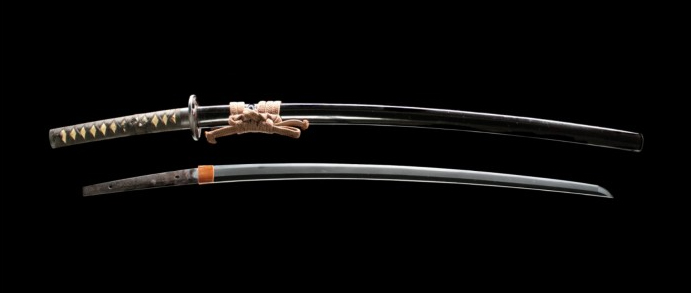
The katana is one of the most recognizable swords in the world. For centuries, it has been closely connected with the image of the Japanese samurai, representing discipline, honor, craftsmanship and warrior culture.
But why did the katana become the sword most associated with samurai?
The answer is not simply because it was a powerful weapon. The katana became famous because its design matched the changing needs of Japanese warriors, while its craftsmanship and cultural meaning transformed it from a battlefield weapon into a symbol of the samurai identity.
From its curved single-edged blade to its unique carrying method, the katana represented the combination of practicality, skill and tradition that defined Japanese sword culture.
What Is a Katana?
A katana is a traditional Japanese sword characterized by:
A curved, single-edged blade
A long grip designed for two-handed use
A circular or square hand guard (tsuba)
A cutting edge facing upward when worn
A design optimized for quick drawing and cutting
The katana usually has a blade length of over 60 cm and developed from earlier Japanese swords such as the tachi.
Unlike European-style straight swords, the katana was designed around Japanese fighting methods that emphasized controlled movement, precise cutting and efficient sword handling.
Why Did Samurai Use Katana?
The katana became popular among samurai because it offered several advantages that matched the needs of Japanese warriors.
1. The Katana Was Designed for Quick Drawing and Cutting
One of the most important features of the katana was the way it was carried.
Unlike the earlier tachi, which was worn hanging from the waist with the cutting edge facing downward, the katana was worn through the belt with the cutting edge facing upward.
This allowed the samurai to:
Draw the sword quickly
Strike in a single continuous motion
React faster in close combat
This technique became closely connected with Japanese sword arts such as iaijutsu and battojutsu.
The ability to draw and attack quickly made the katana especially suitable for sudden encounters and close-range combat.
2. The Katana Balanced Cutting Power and Control
The design of the katana was carefully developed for effective cutting.
Its curved blade provided several advantages:
Improved cutting motion
Better edge alignment
Smooth slicing ability
Effective handling during movement
The curved shape helped the blade move through a target instead of simply striking directly.
This made the katana highly effective when used with proper technique.
However, the katana’s effectiveness did not come only from the blade itself. The skill of the swordsman was equally important.
Traditional Japanese swordsmanship focused heavily on:
Timing
Distance control
Body movement
Precision
3. The Katana Matched the Fighting Style of Samurai
The image of the samurai is often connected with swordsmanship, and the katana became the perfect symbol of that tradition.
Japanese sword schools developed techniques specifically for the katana, including:
Kenjutsu
Iaijutsu
Battōjutsu
These systems focused on developing complete control over the sword.
The katana was not simply a weapon—it became an extension of the warrior’s training and discipline.
4. The Katana Was More Than a Weapon
One of the biggest reasons the katana became famous was its cultural importance.
During the Edo period (1603–1868), Japan experienced a long period of peace. Samurai had fewer opportunities for battlefield combat, and the sword gradually became more of a symbol of:
Social status
Warrior identity
Family heritage
Personal honor
The practice of carrying two swords, known as daishō, became a privilege associated with the samurai class.
At this point, the katana represented much more than military equipment. It became a visual symbol of being a samurai.
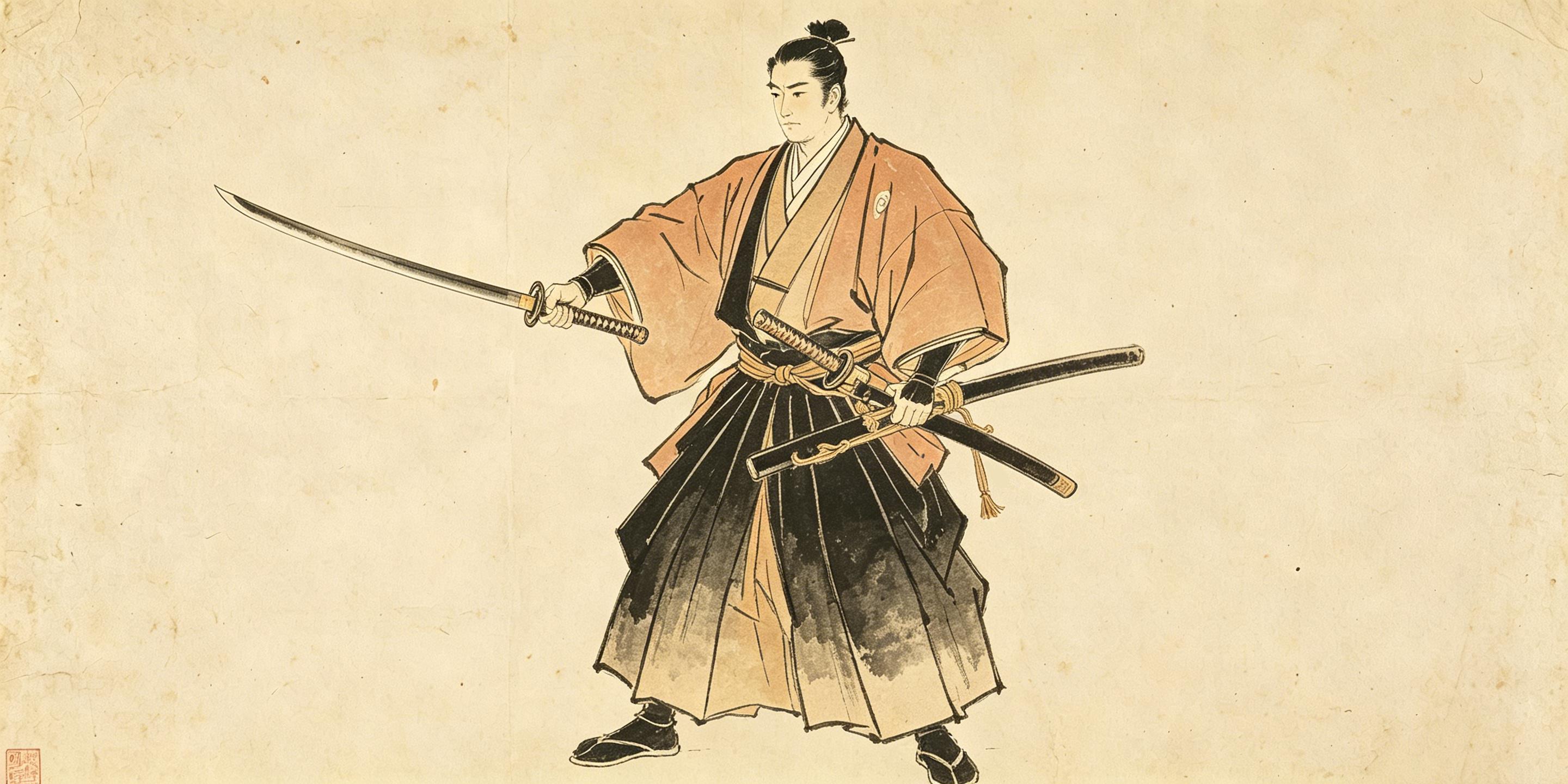
Katana vs Tachi: How Did the Katana Replace the Earlier Samurai Sword?
Before the katana became dominant, Japanese warriors commonly used the tachi.
The tachi was:
Longer
More curved
Usually worn edge downward
Designed mainly for mounted combat
As warfare changed and more battles involved fighting on foot, warriors needed a sword that was easier to carry and faster to draw.
The katana developed as a more practical solution for close combat.
Compared with the tachi, the katana:
| Feature | Katana | Tachi |
|---|---|---|
| Wearing style | Edge upward through belt | Edge downward suspended |
| Main use | Close combat | Mounted warfare |
| Handling | Faster draw | Longer battlefield reach |
| Period popularity | Muromachi onward | Earlier samurai periods |
The development of the katana was therefore connected to changes in Japanese warfare and warrior lifestyle.
Was the Katana Really the Samurai’s Main Battlefield Weapon?
Although the katana is famous today, historical samurai did not always rely only on swords.
On many battlefields, weapons such as:
Bows
Spears (yari)
Polearms (naginata)
Firearms during later periods
were extremely important.
The sword was often a secondary weapon carried by warriors, but it became the most powerful symbol of samurai identity because it was always worn and closely connected with personal status.
This distinction is important when understanding real samurai history.
Why Was the Katana Considered Special?
The katana became famous because several elements came together:
Advanced Sword Craftsmanship
Japanese swordsmiths developed highly refined forging techniques, including:
Differential hardening
Clay tempering
Folding steel methods
Creating the hamon temper line
These techniques produced blades that combined hardness and flexibility.
Artistic Beauty
A traditional katana is not only a weapon.
Collectors and historians appreciate:
Blade shape
Hamon patterns
Polish quality
Sword fittings
Saya and koshirae decoration
Many famous Japanese swords are considered works of art as well as historical objects.
Connection With Bushido
The katana became associated with ideals often linked to the samurai:
Loyalty
Discipline
Courage
Self-control
Although the modern idea of bushido developed over time, the sword became an important symbol of warrior values.
Why Is the Katana Still Popular Today?
Today, the katana remains one of the most famous historical swords because it represents a unique combination of:
Japanese history
Traditional craftsmanship
Martial arts
Cultural symbolism
Modern interest in katana comes from:
Collectors
Martial artists
Historical enthusiasts
Movies and popular culture
While fictional portrayals often exaggerate the abilities of the katana, the real history of the sword remains fascinating because of its craftsmanship and connection to Japanese culture.
The Role of Katana in Japanese Sword Culture
The katana influenced many aspects of Japanese culture.
It became connected with:
Sword forging traditions
Samurai philosophy
Martial arts practice
Family inheritance
Artistic craftsmanship
Today, Japanese sword making continues through skilled craftsmen who preserve traditional methods.
The katana remains one of the strongest symbols of Japan’s warrior heritage.
Frequently Asked Questions About Katana and Samurai
1. Why did samurai use katana?
Samurai used katana because its design allowed fast drawing, powerful cutting and effective close-range combat. It also became an important symbol of samurai identity.
2. Was the katana the main weapon of samurai?
Not always. Samurai also used bows, spears and other weapons. The katana became the most famous symbol of samurai culture rather than the only battlefield weapon.
3. When did the katana become popular?
The katana became widely used from the Muromachi period onward as Japanese warfare shifted toward more close-range combat.
4. Why is the katana curved?
The curved blade improves cutting efficiency and allows smoother slicing movements.
5. What makes the katana different from other swords?
The katana combines a curved single-edged blade, two-handed grip, unique carrying method and specialized Japanese forging techniques.
6. What is the difference between katana and tachi?
The tachi was mainly designed for mounted warriors and worn edge-down, while the katana was worn edge-up and better suited for quick drawing and close combat.
7. Did every samurai carry a katana?
During the Edo period, carrying swords became strongly associated with samurai status. However, historical weapons varied depending on period and situation.
8. Why is the katana called the samurai sword?
Because the katana became the most recognizable sword associated with samurai identity, culture and tradition.
9. Is a katana still made today?
Yes. Modern swordsmiths continue to produce katana using traditional techniques as well as modern methods.
10. Are katana the best swords in history?
The katana is one of history’s most refined swords, but different sword designs were created for different environments and fighting styles.
Final Thoughts
The reason the katana became the sword of choice for samurai is not because it was simply the strongest weapon.
Its importance came from the combination of:
Practical design
Efficient handling
Advanced craftsmanship
Martial tradition
Cultural symbolism
The katana represents the relationship between the samurai and the ideals they valued. It was a weapon, a symbol of status and a reflection of centuries of Japanese craftsmanship.
For anyone interested in Japanese swords, samurai history or traditional sword making, understanding why the katana became the samurai sword provides a deeper appreciation of this legendary blade.