
Japanese Koshirae: Types, Parts & Katana Mountings Guide
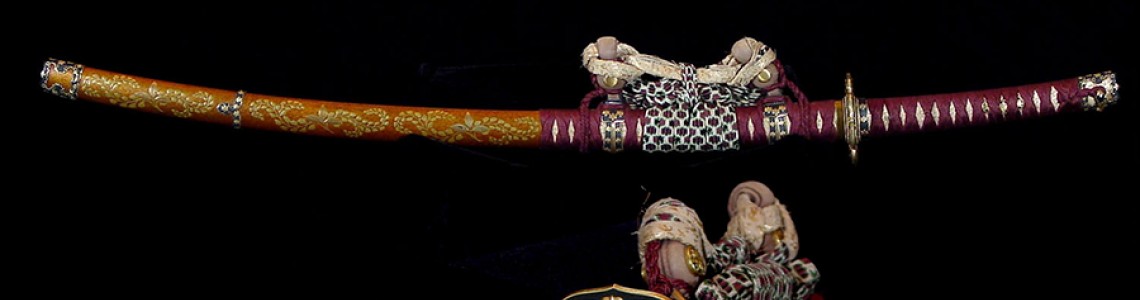
Japanese Koshirae: Types, Parts and Katana Mountings
When people think about a Japanese sword, the blade is usually the first thing they notice. But a traditional Japanese sword is more than a blade. The handle, guard, scabbard and other fittings all play an important role in the finished sword.
These fittings and the complete mounting are known as koshirae (拵え).
Japanese koshirae comes in different styles, depending on the type of sword, how it was traditionally worn and the period in which it was made. Some mountings are simple and practical, while others are highly decorative and feature detailed metalwork, lacquer and traditional motifs.
For anyone interested in katana or Japanese sword fittings, understanding koshirae is an important part of learning how Japanese swords are constructed.
In this guide, we will look at the main types of Japanese koshirae, the parts that make up a sword mounting, and the difference between koshirae and shirasaya.
What Is Japanese Koshirae?
Koshirae refers to the complete mounting of a Japanese sword.
Rather than describing the blade itself, the term generally refers to the components used to mount, carry and protect the sword.
A traditional Japanese sword mounting can include:
Tsuka – the sword handle
Tsuka-ito – the wrapping around the handle
Samegawa – ray skin used beneath the handle wrapping
Menuki – decorative ornaments fitted under the wrapping
Fuchi – the collar at the front of the handle
Kashira – the end fitting of the handle
Tsuba – the sword guard
Seppa – thin spacers used around the tsuba
Habaki – the metal collar at the base of the blade
Saya – the scabbard
Sageo – the cord attached to the saya
Kurikata – the fitting used to attach the sageo
Kojiri – the fitting at the end of the saya
Not every Japanese sword has exactly the same combination of fittings. The design depends on the type of mounting and the sword's intended use.
Koshirae vs. Shirasaya
Koshirae is often confused with shirasaya, but they serve different purposes.
A koshirae is a finished sword mounting with fittings designed for carrying and presentation. It can include a tsuba, decorative metal fittings, a wrapped handle and a lacquered or decorated saya.
A shirasaya is much simpler. It is a plain wooden mounting traditionally used for storing and protecting a Japanese sword blade.
The two should not be treated as interchangeable terms.
A Japanese sword can have a decorative koshirae for display or carrying while the blade is also stored separately in a shirasaya.
Main Types of Japanese Koshirae
There are several traditional styles of Japanese sword mounting. The best-known examples include tachi koshirae, katana koshirae, han-dachi and aikuchi.
Each style has its own characteristics and reflects a different approach to carrying and mounting a Japanese sword.
1. Tachi Koshirae
The tachi is an older Japanese sword type that was traditionally worn suspended from the belt, with the cutting edge facing downward.
Because of this carrying method, tachi koshirae differs from the mounting normally associated with a katana.

Tachi-style mountings commonly use suspension fittings that allow the sword to hang from the belt. These fittings are often referred to as ashi.
The handle can also have a stronger curvature than the blade, and traditional tachi mountings may use two mekugi to secure the handle.
Tachi koshirae can be particularly elaborate, with decorated scabbards and metal fittings. The style reflects the earlier history of Japanese swords and the way samurai carried long swords before the katana became dominant.
2. Katana Koshirae
Katana koshirae is probably the most familiar type of Japanese sword mounting today.
The katana was traditionally worn with the cutting edge facing upward and tucked through the wearer's sash.
A typical katana mounting may include a tsuka, tsuba, fuchi-kashira, menuki, habaki, seppa, saya and sageo.
The individual fittings can vary greatly in design.

Some katana koshirae use simple iron fittings and a plain lacquered saya. Others feature elaborate designs such as:
Dragons
Tigers
Flowers
Birds
Waves
Japanese mythology
Family crests
Geometric patterns
This variety makes katana fittings an important part of the overall appearance of a Japanese sword.
3. Han-Dachi Koshirae
Han-dachi means "half tachi" and describes a style that combines characteristics associated with both tachi and katana mountings.
A han-dachi is generally worn in the same basic orientation as a katana, with the cutting edge facing upward. However, some of its fittings have a distinctly tachi-style appearance.

One characteristic feature is the use of kabuto-gane, a tachi-style end fitting, rather than the typical katana kashira.
This combination gives han-dachi a distinctive appearance. It is an interesting choice for collectors who appreciate traditional Japanese sword mounting but want something different from a standard katana koshirae.
4. Aikuchi Koshirae
Aikuchi (合口) is a mounting style best known for the absence of a conventional tsuba.

The name is often translated as "meeting mouth," referring to the way the handle and scabbard meet directly.
Unlike a typical katana mounting, there is no tsuba between the tsuka and saya.
Aikuchi mountings are especially associated with tanto, although the style has a broader historical background.
The compact construction made this type of mounting suitable for carrying a small blade close to the body. Over time, aikuchi also became associated with refined and decorative mountings.
Today, an aikuchi-style tanto is easily recognized by its clean transition between the handle and scabbard.
Main Parts of Japanese Sword Koshirae
Understanding the individual Japanese sword fittings makes it much easier to understand a complete koshirae.
Tsuka – The Sword Handle
The tsuka is the handle of a Japanese sword.
A traditional tsuka generally has a wooden core fitted over the sword's tang, or nakago. The handle is commonly covered with samegawa and wrapped with tsuka-ito.
The wrapping provides grip while also giving the sword much of its visual character.
The wrapping pattern, material and color can vary considerably between different swords.
Tsuba – The Sword Guard
The tsuba is the guard between the blade and the handle.
Its practical function is to help protect the hand and prevent it from sliding toward the blade.
Tsuba are also important examples of Japanese metalwork. Traditional designs can feature flowers, animals, landscapes, mythical creatures and geometric patterns.
For modern katana, the tsuba is often one of the most noticeable pieces of the entire mounting.
Fuchi and Kashira
The fuchi is the metal collar located at the front of the tsuka, next to the tsuba.
The kashira is the fitting at the opposite end of the handle.
These two fittings are commonly designed as a matching set called fuchi-kashira.
Their shape, material and decoration can have a strong influence on the overall appearance of a katana.
Menuki
Menuki are small decorative fittings placed beneath the tsuka-ito.
They are often shaped as animals, plants, mythical creatures or traditional Japanese symbols.
Besides their decorative role, their placement beneath the wrapping can also contribute to the feel of the grip.
Habaki
The habaki is a metal collar fitted around the base of the blade.
It is an important part of the sword's mounting because it helps secure the blade in the saya and works with the other fittings around the base of the blade.
Although relatively small, the habaki needs to fit the blade and saya properly.
Seppa
Seppa are thin metal spacers used around the tsuba.
They help create a tight and properly fitted assembly between the blade, habaki, tsuba and handle.
Seppa are usually simple, although some examples can include decorative details.
Saya – The Scabbard
The saya is the scabbard that protects the blade when it is not being used.
Traditional saya are generally made from wood and can be finished with lacquer or other decorative treatments.
The design of the saya can range from a simple black finish to more elaborate patterns and colors.
Because the saya makes up a large part of the sword's appearance, it is an important element when choosing a complete katana koshirae.
Sageo
The sageo is the cord attached to the saya.
Traditionally, sageo could be made from materials such as silk or other fibers. It has a practical role in securing and carrying the scabbard, while its color can also complement the rest of the koshirae.
Kurikata and Kojiri
The kurikata is a small fitting attached to the side of the saya. The sageo is attached or passed through this fitting.
The kojiri is the fitting at the end of the scabbard.
Although both are relatively small components, they are part of the complete design and construction of the saya.
How Japanese Sword Fittings Change the Look of a Katana
The blade is only part of the appearance of a Japanese sword.
Two katana with similar blades can look completely different because of their koshirae.
For example, a black lacquered saya combined with dark tsuka-ito and an understated iron tsuba creates a traditional and restrained appearance.
A katana with a decorative tsuba, colored handle wrapping, matching menuki and an engraved or patterned saya can have a much more elaborate appearance.
This is why katana fittings are important when choosing a sword.
A balanced koshirae usually has a consistent visual theme across the:
Tsuba
Fuchi-kashira
Menuki
Tsuka-ito
Saya
Sageo
The fittings do not necessarily have to be identical. What matters is that the materials, colors and patterns work well together.
How to Choose Koshirae for a Katana
If you are buying a katana or ordering a custom sword, it is worth looking at the complete mounting rather than focusing on one fitting.
Consider the Overall Style
Decide whether you prefer a traditional, simple appearance or a more decorative design.
A classic black saya and iron tsuba can create a very different look from brass fittings and a themed saya.
Pay Attention to the Tsuka
The handle should feel secure and properly assembled.
Look at the tsuka-ito, samegawa, fuchi, kashira and menuki as a complete unit.
Choose a Suitable Tsuba
The tsuba is often one of the most visible fittings on a katana.
Its shape, material and design should complement the rest of the sword rather than compete with it.
Match the Saya and Sageo
Because the saya is relatively large, its color and finish can strongly influence the appearance of the entire sword.
The sageo can then be selected to complement the saya and handle.
Consider the Intended Use
A sword intended mainly for display may place more emphasis on decorative fittings.
A sword intended for practice or regular handling should place greater emphasis on proper construction, secure fittings and appropriate handling characteristics.
Koshirae and Tōsōgu: What Is the Difference?
If you research Japanese sword fittings, you will often encounter another term: tōsōgu (刀装具).
The two terms are related but are not exactly the same.
Tōsōgu generally refers to the fittings and accessories used on a Japanese sword.
These can include individual pieces such as:
Tsuba
Fuchi
Kashira
Menuki
Habaki
Other decorative and functional fittings
Koshirae refers more broadly to the complete mounting of the sword.
In simple terms:
Tōsōgu = sword fittings
Koshirae = complete sword mounting
Knowing the difference makes it easier to understand Japanese sword terminology and research individual fittings.
Why Koshirae Is Important
Koshirae is an important part of Japanese sword history and design.
The mounting affects how a sword is carried, how the blade is protected and how the finished sword looks.
Tachi mountings reflect an earlier style of carrying a Japanese sword. Katana koshirae became closely associated with the way samurai wore the katana through the sash. Han-dachi combines features from different mounting traditions, while aikuchi is recognized by its guardless construction.
For modern collectors and sword enthusiasts, koshirae also provides an opportunity to choose a particular style and character for a sword.
Whether you prefer a simple traditional katana, a dragon-themed mounting, an understated black koshirae or an elegant tanto with aikuchi fittings, the mounting can dramatically change the appearance of the finished sword.
Frequently Asked Questions About Japanese Koshirae
What is Japanese koshirae?
Japanese koshirae refers to the complete mounting of a Japanese sword. It includes components such as the tsuka, tsuba, menuki, fuchi-kashira, habaki, saya and other fittings used to mount, carry and protect the sword.
What are the main types of Japanese koshirae?
The main types commonly discussed are tachi koshirae, katana koshirae, han-dachi and aikuchi. Each style has its own characteristics based on the type of sword and traditional method of carrying it.
What is the difference between katana koshirae and tachi koshirae?
Katana were traditionally worn with the cutting edge facing upward and passed through the sash. Tachi were suspended from the belt with the cutting edge facing downward. Their mountings reflect these different carrying methods.
What is aikuchi koshirae?
Aikuchi is a Japanese sword mounting in which the tsuka and saya meet directly without a conventional tsuba between them. It is particularly associated with tanto and is known for its compact appearance.
What is han-dachi koshirae?
Han-dachi means "half tachi" and refers to a mounting that combines characteristics of tachi and katana styles. It is generally worn like a katana but can feature tachi-style fittings such as a kabuto-gane.
What is a tsuba on a Japanese sword?
A tsuba is the guard located between the blade and handle. It helps protect the hand and forms an important part of the sword's overall design.
What are Japanese sword fittings called?
Japanese sword fittings are commonly referred to as tōsōgu. Individual fittings include the tsuba, menuki, fuchi, kashira, habaki and seppa.
What is the difference between koshirae and shirasaya?
Koshirae is a complete functional and decorative sword mounting. Shirasaya is a plain wooden mounting primarily used for storing and protecting a Japanese sword blade.
What are the main parts of a katana koshirae?
Common parts include the tsuka, tsuka-ito, samegawa, menuki, fuchi, kashira, tsuba, seppa, habaki, saya, sageo, kurikata and kojiri.
Can katana koshirae be customized?
Yes. Custom katana can be made with different combinations of tsuba, menuki, fuchi-kashira, tsuka-ito, saya and other fittings. Choosing related colors, materials and themes can create a more cohesive appearance.
Final Thoughts
A Japanese sword is not defined by its blade alone. The koshirae brings together the handle, guard, scabbard and fittings to create a complete sword.
Learning the differences between tachi koshirae, katana koshirae, han-dachi and aikuchi is a useful starting point for anyone interested in Japanese swords.
Once you understand the basic fittings, you can also begin to appreciate the smaller details — from the shape of a tsuba to the design of the menuki and the finish of the saya.
If you are looking for a custom katana with traditional Japanese sword fittings, HanBon Forge offers different katana styles and fitting combinations for collectors and sword enthusiasts.
You can also explore different sword fittings and customize the appearance of a katana according to your preferred style.
Related Japanese Sword Guides
Japanese Sword Terminology
Japanese Sword Buyer Guide