
Samurai Sword Blade Niku Explained: How Blade Geometry Affects Cutting Performance
Samurai Sword Blade Niku: Understanding Katana Blade Geometry and Cutting Performance
When discussing the quality and performance of a traditional Japanese sword, many collectors focus on the steel type, hamon, and polishing. However, the blade geometry is equally important. One of the most important concepts in Japanese sword design is niku, the curved and fuller shape of the blade surface that affects strength, durability, and cutting ability.
The term samurai sword blade niku refers to the amount of convex curvature between the shinogi ridge and the cutting edge. This traditional geometry gives a katana its unique balance between sharpness and structural strength. Unlike a completely flat blade, a blade with proper niku has more supporting steel behind the edge, helping it withstand impact during cutting.
For anyone interested in buying a custom katana, understanding niku is important because it directly influences how the sword feels in hand, how durable the edge is, and how closely the blade follows traditional Japanese sword construction.
What Is Niku on a Japanese Sword Blade?
Niku literally means “meat” in Japanese. In sword terminology, it describes the amount of rounded material or convex curvature on the blade surface between the shinogi and the ha (cutting edge).
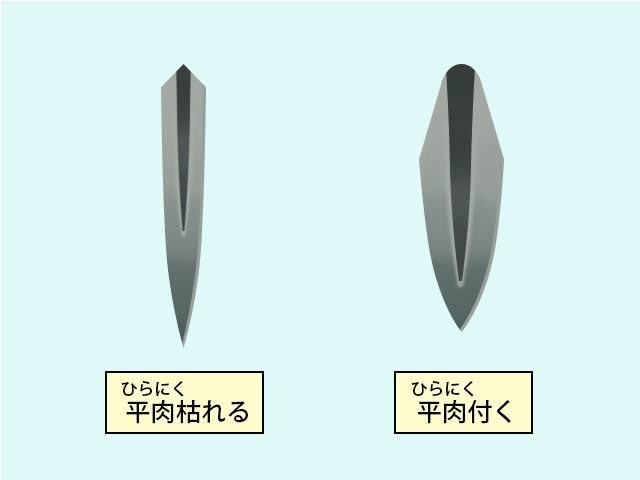
A katana with noticeable niku has a fuller, more rounded cross-section. This additional “meat” provides more support behind the cutting edge and helps distribute impact forces more effectively.
It is important to understand that niku is not the same as blade thickness (kasane). A thick blade can have little niku if the surface is flat, while a thinner blade can still have good niku if the blade geometry has a strong convex curve.
The Role of Niku in Katana Blade Design
Traditional Japanese swordsmiths carefully developed blade geometry to achieve a balance between cutting ability and durability. Niku is one of the key elements that allows a katana to maintain this balance.
The main functions of niku include:
- Increasing edge support: The extra steel behind the edge helps prevent damage from impact.
- Improving durability: A properly shaped niku allows the blade to handle stress during cutting.
- Balancing sharpness and strength: The blade can remain sharp while maintaining a stronger structure.
- Preserving traditional geometry: Niku is an important characteristic of authentic Japanese sword craftsmanship.
A well-designed katana is not simply made to be as thin and sharp as possible. Traditional sword makers understood that a strong blade requires the correct relationship between edge angle, thickness, curvature, and overall geometry.
Niku and the Structure of a Katana Blade
The niku of a Japanese sword is closely connected with other blade features, especially the shinogi and ha. Together, these elements create the unique cross-section of a traditional katana.
- Shinogi (鎬): The ridge line running along the blade that separates different surface areas.
- Hira-ji (平地): The main flat area of the blade between the shinogi and other sections.
- Ha (刃): The hardened cutting edge of the sword.
- Kasane (重ね): The overall thickness of the blade.
- Niku (肉): The rounded fullness of the blade surface that supports the edge.
These features work together to determine how a katana performs. A skilled swordsmith and polisher must maintain the correct relationship between each part to achieve the intended blade characteristics.
Why Traditional Samurai Swords Have Niku
Historical Japanese swords were designed for real-world use, where durability was just as important as sharpness. A blade with proper niku could absorb more stress during cutting compared with an extremely thin edge geometry.
When a sword strikes a target at the wrong angle, the edge receives additional pressure. The extra support provided by niku helps reduce the chance of chipping or damaging the hardened cutting edge.
This is why many traditional katana were not designed with the thinnest possible edge. Instead, Japanese sword makers created a balanced geometry that combined cutting efficiency, strength, and long-term durability.
The Relationship Between Niku and Katana Sharpness
Many people assume that a sharper sword must have a thinner blade edge. However, traditional Japanese sword design shows that sharpness is not determined only by thinness. The relationship between the cutting edge and the blade body is equally important.
A katana with proper niku can maintain a sharp edge while still having enough material behind the edge for support. This allows the blade to cut effectively without sacrificing durability.
A blade with very little niku may feel extremely sharp initially, but the thinner edge can be more vulnerable to damage when used incorrectly. For this reason, traditional Japanese swordsmiths focused on creating a balanced blade geometry rather than simply making the edge as thin as possible.
More Niku vs Less Niku: What Is the Difference?
Different katana designs may use different levels of niku depending on the intended purpose. The amount of convexity affects cutting feeling, durability, and handling characteristics.
| Blade Type | Niku Characteristics | Performance |
| More Niku | More rounded blade surface with stronger support behind the edge | Higher durability and better resistance to edge damage |
| Medium Niku | Balanced traditional geometry | Good combination of sharpness, strength, and handling |
| Less Niku | Flatter blade surface with less supporting material | Light handling and fast cutting response but requires careful use |
For most traditional-style katana, a moderate amount of niku provides the best balance between performance and durability.
How Niku Affects Katana Cutting Performance
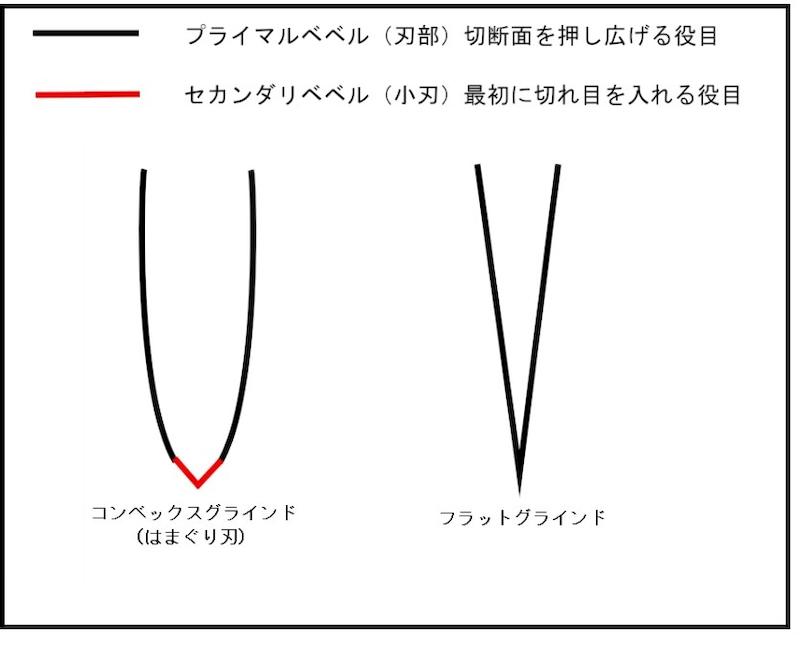
The geometry of the blade directly affects how a sword moves through a target. Niku influences the way the blade separates material and how much resistance the sword experiences during cutting.
A properly shaped niku helps create a smooth cutting path by allowing the blade to move efficiently while protecting the edge. This is especially important for traditional cutting practice and functional Japanese swords.
However, niku is only one part of cutting performance. Other factors such as blade steel, heat treatment, edge geometry, blade weight, balance, and user technique also play important roles.
Niku Differences Between Traditional and Modern Katana
Traditional Japanese swords were carefully designed according to their intended use, and many historical blades feature carefully controlled niku based on the swordsmith’s style and purpose.
Modern katana makers often study historical examples while adjusting blade geometry for modern collectors, martial artists, and cutting practitioners. Some display swords may emphasize appearance, while functional swords usually require a more balanced geometry.
When purchasing a custom katana blade, understanding niku helps buyers choose a sword that matches their intended use.
How to Choose the Right Niku for a Custom Katana
The ideal amount of niku depends on how the sword will be used. Collectors, martial artists, and cutting practitioners may have different requirements.
- For Display Katana: Visual appearance, polishing quality, and historical style may be the main priorities.
- For Iaido Practice: Balanced weight and smooth handling are important considerations.
- For Cutting Practice: A durable blade geometry with proper niku can provide better edge support.
- For Collectors: Traditional blade shape and craftsmanship are often the most important factors.
A well-made samurai sword blade with proper niku represents the traditional Japanese approach of balancing beauty, function, and durability.
Frequently Asked Questions About Samurai Sword Blade Niku
What is niku on a katana blade?
Niku refers to the convex curvature or fullness of a Japanese sword blade between the shinogi ridge and the cutting edge. It provides additional support behind the edge and helps balance sharpness with durability.
Why is niku important on a samurai sword?
Niku is important because it strengthens the blade structure and protects the cutting edge. Traditional Japanese swordsmiths used proper niku to create blades that could cut effectively while maintaining durability.
Does more niku make a katana stronger?
Generally, more niku provides more material behind the edge, which can increase durability. However, the ideal amount depends on the overall blade geometry, purpose, and balance of the sword.
Is a katana with less niku sharper?
A blade with less niku may have a thinner edge geometry, but sharpness depends on many factors including polishing, edge angle, steel quality, and blade construction. A thinner blade is not always a better cutting blade.
What is the difference between niku and katana blade thickness?
Blade thickness, known as kasane, refers to the overall thickness of the sword. Niku describes the curved fullness of the blade surface. They are related but represent different aspects of Japanese sword geometry.
Do modern custom katana have niku?
Yes. Many high-quality custom katana follow traditional Japanese blade geometry and include proper niku to maintain the balance between appearance, durability, and cutting performance.
Final Thoughts
The niku of a samurai sword blade is an important part of traditional Japanese sword craftsmanship. Although it may not be as visually obvious as the hamon or blade shape, niku plays a major role in determining the strength, durability, and cutting characteristics of a katana.
A properly designed blade does not simply focus on maximum sharpness. Instead, Japanese sword makers developed a balanced geometry where the edge, shinogi, thickness, and niku work together.
For collectors and enthusiasts choosing a custom katana, understanding niku provides a better understanding of why traditional Japanese swords are designed the way they are.