
Double Edged Katana: Complete Guide to Design, History, Features & Buying Tips
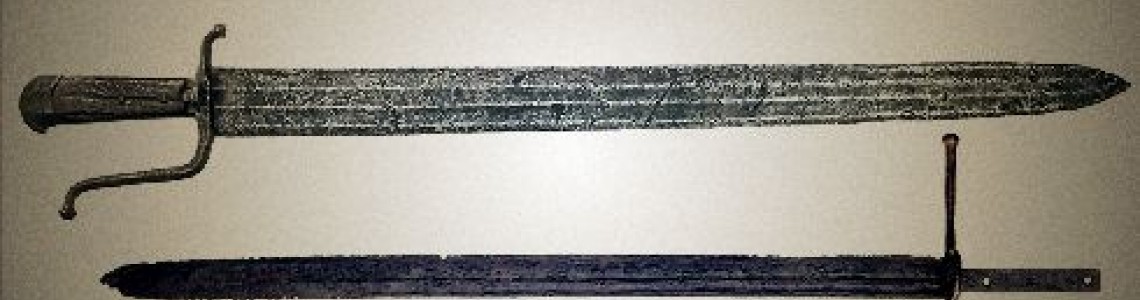
Double Edged Katana: History, Design, Differences and Buying Guide
When most people imagine a Japanese sword, they picture the classic katana — a curved blade with a single sharp edge, carried by samurai and recognized around the world for its beauty and craftsmanship.
However, not every sword enthusiast is looking for a traditional design. In the custom sword market, one style that has attracted increasing attention is the double edged katana.
A double edged katana takes inspiration from Japanese sword aesthetics but uses a different blade structure, with sharpened edges on both sides. This gives the sword a distinctive appearance and creates a design that appeals to collectors who want something different from a standard katana.
But is a double edged katana a traditional Japanese sword? How does it compare with a normal katana? And what should you consider before choosing one?
In this guide, we will explain the design, history, advantages, limitations, and important buying factors of double edged katana swords.
What Is a Double Edged Katana?
A double edged katana is a Japanese-style sword that features two sharpened cutting edges instead of the traditional single-edged blade found on most katana.
The traditional katana has a very recognizable structure:
A curved blade
One cutting edge
A thicker back edge for support
A design developed around Japanese cutting techniques
A double edged katana changes this structure by sharpening both sides of the blade. The result is a more symmetrical appearance and a different style of sword handling.
Many modern double edged katana are created as custom swords. They combine elements of traditional Japanese sword design with modern preferences for unique shapes, personalized fittings, and artistic details.
For many collectors, the appeal is not only the function of the sword, but also the craftsmanship and individuality behind the design.
Is a Double Edged Katana a Traditional Japanese Sword?
This is one of the most common questions from people discovering double edged katana for the first time.
The short answer is: traditional katana were generally single-edged swords.
The famous samurai katana developed with a curved, single-edged blade because this design was well suited for the cutting techniques used by Japanese warriors.
A double edged katana, as it is commonly known today, is usually considered a modern interpretation inspired by Japanese sword design rather than a standard historical samurai weapon.
That said, double-edged swords were not completely unknown in Japanese history. Earlier Japanese sword forms, such as straight ken-style blades, used double-edged designs before the curved katana became dominant.
Today, double edged katana are mainly appreciated by:
Sword collectors
Custom sword enthusiasts
Martial arts practitioners
Fans of unique sword designs
At HanBon Forge, many customers choose double edged katana because they want a sword with a distinctive appearance while still keeping elements of Japanese sword craftsmanship.
Double Edged Katana vs Traditional Katana
Although they share similar inspiration, double edged katana and traditional katana have several important differences.
| Feature | Double Edged Katana | Traditional Katana |
|---|---|---|
| Blade edge | Sharpened on both sides | Single cutting edge |
| Historical background | Modern custom interpretation | Samurai weapon |
| Blade shape | Often more symmetrical | Curved design |
| Cutting style | Different handling characteristics | Designed for draw cuts |
| Appearance | Unique and modern | Classic Japanese style |
A traditional katana remains the best choice for those who want a historically accurate samurai sword.
A double edged katana is better suited for collectors who appreciate creative designs and personalized sword craftsmanship.
Why Are Double Edged Katanas Popular?
The growing popularity of double edged katana comes from several different reasons.
A Different Look From Traditional Katana
Many collectors are attracted to the visual balance of a double edged blade.
The symmetrical design gives the sword a stronger presence and allows more creative possibilities when designing:
Blade shapes
Engravings
Sword fittings
Custom themes
For many owners, the sword becomes more than a weapon — it becomes a personal collection piece.
Influence From Modern Sword Culture
Today, sword designs are influenced not only by history but also by modern entertainment, fantasy artwork, and custom craftsmanship.
Many enthusiasts enjoy swords that combine traditional Japanese inspiration with imaginative designs.
This has helped double edged katana become especially popular among collectors who want something outside the standard katana style.
Customization Possibilities
One of the biggest advantages of choosing a double edged katana is customization.
Depending on the maker, buyers can often select:
Blade steel
Blade length
Polish style
Hamon design
Tsuba style
Handle wrapping color
Saya design
Engraving options
A custom sword allows the owner to create something that reflects personal taste rather than simply choosing a standard model.
How Is a Double Edged Katana Made?
Although the blade design is different from a traditional katana, making a high-quality double edged katana still requires careful attention to steel selection, forging, heat treatment, and assembly.
A sword is not defined only by its appearance. The quality of the materials and craftsmanship determines how the finished blade performs.
Choosing the Right Steel
Different types of steel provide different characteristics.
1060 Carbon Steel
1060 carbon steel is one of the most commonly chosen materials for functional swords.
It provides a good balance of:
Strength
Flexibility
Durability
It is often recommended for collectors who want a reliable functional blade.
1095 Carbon Steel
1095 steel contains a higher carbon content, allowing the blade to achieve greater hardness.
It can provide excellent edge retention, but it also requires proper heat treatment and regular maintenance.
T10 Tool Steel
T10 steel is valued for its strength and performance.
Many experienced sword collectors choose T10 blades because of their durability and cutting ability.
Damascus Steel
Damascus steel is especially popular among collectors who appreciate appearance.
The layered patterns create a unique visual effect, making each blade look different.
Blade Forging and Heat Treatment
A quality sword depends heavily on the forging process.
Important steps include:
Shaping the blade
Creating proper blade geometry
Heat treatment
Polishing
Final fitting
Heat treatment is especially important because it affects the relationship between hardness and flexibility.
A blade that is too hard may become brittle, while a blade that is too soft may not hold an edge well.
Finding the right balance is one of the most important parts of sword making.
Are Double Edged Katanas Good for Cutting?
A common misunderstanding is that a double edged katana must automatically cut better because it has two edges.
In reality, cutting performance depends on many factors:
Steel quality
Heat treatment
Blade design
Sharpness
Balance
Construction quality
The second edge changes the design of the sword, but it does not replace good craftsmanship.
A well-made double edged katana can be a functional sword, but buyers should focus on overall construction rather than simply the number of edges.
How to Choose a Double Edged Katana
Before purchasing a double edged katana, consider how you plan to use it.
For Collection and Display
Collectors often focus on:
Unique blade appearance
Decorative fittings
Engraving
Artistic details
A visually impressive sword can become the centerpiece of a collection.
For Functional Use
If you are interested in a functional sword, pay more attention to:
Steel type
Heat treatment
Full tang construction
Balance
Fittings quality
A beautiful sword should also be properly made.
For a Custom Sword
Many enthusiasts choose custom double edged katana because they want something personal.
A custom sword allows you to create a design based on your preferred:
Blade style
Handle design
Guard pattern
Saya appearance
Double Edged Katana Maintenance Tips
Like any carbon steel sword, a double edged katana requires regular care.
Keep the Blade Clean
After handling the sword, remove fingerprints and moisture from the blade surface.
Even small amounts of moisture can eventually cause rust.
Use Protective Oil
A light layer of sword oil helps protect the steel from oxidation.
Regular maintenance is especially important in humid environments.
Store Properly
A sword should be stored in a dry environment and protected from unnecessary moisture.
Proper storage helps preserve both the blade and fittings.
Frequently Asked Questions About Double Edged Katana
Are double edged katanas real?
Yes. Double edged katana are real sword designs, although they are generally modern interpretations rather than traditional samurai katana.
Were samurai swords double edged?
Most samurai katana were single-edged. Double-edged swords existed in earlier Japanese sword history but were not the standard katana design.
Can a double edged katana be used for cutting?
Yes, if it is made as a functional sword with proper steel, heat treatment, and construction.
Is a double edged katana stronger than a normal katana?
Not necessarily. Strength depends on the materials and craftsmanship rather than having one or two edges.
What steel is best for a double edged katana?
The best steel depends on the purpose. 1060 steel is popular for balance, while 1095 and T10 are often chosen for higher performance.
Can I customize a double edged katana?
Yes. Many custom sword makers offer options for blade style, fittings, handle design, and engraving.
Final Thoughts
A double edged katana represents a different approach to Japanese sword design.
While it is not the traditional samurai katana most people know, it has earned its place among modern sword collectors because of its unique appearance and customization possibilities.
Choosing the right sword is not only about the blade style. The most important factors are craftsmanship, materials, construction quality, and whether the sword matches your personal purpose.
Whether you prefer a traditional katana or a modern double edged design, a carefully crafted sword can become a meaningful piece for collection, display, or appreciation of Japanese sword culture.
HanBon Forge creates custom swords with a wide range of options, allowing collectors to design a blade that matches their preferred style and vision.