Japanese Tanto Short Sword | History, Types and Samurai Blade Guide
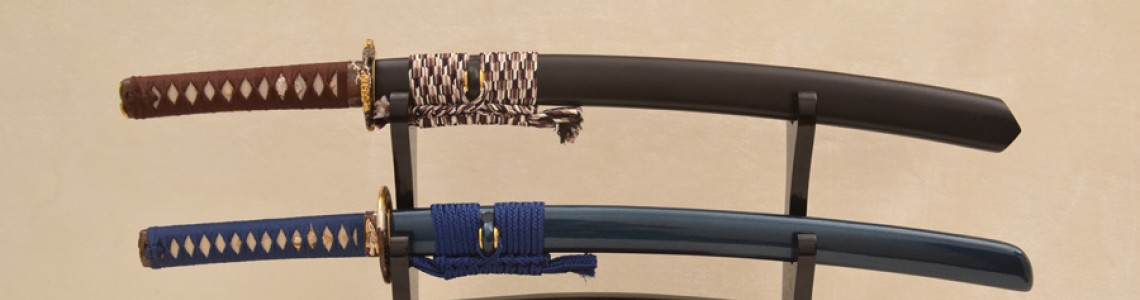
A Tanto (Tantō) Short Sword: History, Design and Samurai Tradition
The Japanese tanto (短刀, tantō) is one of the most recognizable short blades in traditional Japanese sword culture. Although much smaller than a katana, a tanto represents the same level of craftsmanship, history, and artistic value found in larger Japanese swords.
Originally created as a practical close-combat weapon for samurai, the tanto later became a symbol of status, craftsmanship, and Japanese aesthetics. Today, tanto swords are highly appreciated by collectors, martial artists, and Japanese sword enthusiasts around the world.

What Is a Tanto Short Sword?
A tanto is a traditional Japanese short sword with a blade length generally under 30 centimeters. It belongs to the nihonto (Japanese sword) family and was designed for situations where a longer sword such as a katana was difficult to use.
Unlike modern knives that only focus on utility, a traditional Japanese tanto combines weapon functionality with artistic expression. Many historical tanto feature beautiful hamon patterns, carefully forged steel, and detailed fittings.

The History of Japanese Tanto
The origin of the tanto can be traced back to the Heian period (794–1185). During this time, samurai warriors needed a compact blade that could be carried easily and used effectively in close-range situations.
As Japanese sword-making techniques developed, tanto designs became more refined. Swordsmiths began creating blades with excellent balance, strong cutting ability, and artistic details. Famous sword-making schools produced many highly valued tanto throughout Japanese history.
During peaceful periods such as the Edo period, the practical role of the tanto decreased, but it continued to be appreciated as a decorative and cultural object.
Design Features of a Tanto Blade
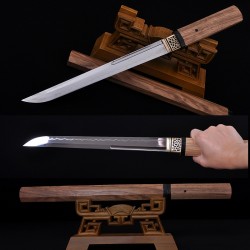
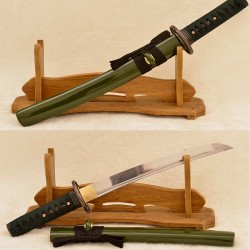
A Japanese tanto shares many characteristics with larger Japanese swords, including forged steel construction, a visible hamon temper line, and traditional sword fittings.
- Blade Length: Usually less than 30 cm, making it the smallest traditional Japanese sword category.
- Blade Shape: Common styles include hira-zukuri and shobu-zukuri designs.
- Steel: Traditional blades were forged using Japanese sword-making methods.
- Fittings: The handle (tsuka), scabbard (saya), and guard (tsuba) often feature detailed craftsmanship.
Different Types of Japanese Tanto
Hira-zukuri Tanto
Hira-zukuri is one of the most traditional tanto blade styles. It has a flat blade surface without a shinogi ridge and is often associated with elegant and simple Japanese sword aesthetics.
Shobu-zukuri Tanto
Shobu-zukuri tanto has a design similar to larger Japanese swords, featuring a curved leaf-shaped profile and smooth blade lines.
Aikuchi Tanto
Aikuchi tanto is a style without a traditional hand guard. Its simple mounting design gives it a clean and elegant appearance.

Tanto vs Katana: What Is the Difference?
The main difference between a tanto and a katana is blade length and intended use. A katana is a long Japanese sword designed for battlefield combat, while a tanto is a compact short blade designed for close-range situations.
Although smaller in size, a tanto requires the same attention to craftsmanship as a full-sized Japanese sword. Many collectors value tanto because the limited blade space allows craftsmen to showcase detailed forging and polishing techniques.

Why Are Tanto Swords Popular Among Collectors?
Collectors appreciate Japanese tanto swords because they represent centuries of sword-making tradition in a compact form. A well-made tanto can display beautiful steel patterns, unique blade shapes, and artistic fittings.
Modern custom tanto swords are also popular among enthusiasts who want a traditional Japanese-style blade with personalized designs.
Frequently Asked Questions About Tanto Short Swords
1. What does tanto mean in Japanese?
Tanto (短刀) literally means "short sword" or "short blade" in Japanese. It refers to a traditional Japanese blade shorter than a wakizashi.
2. Is a tanto a real Japanese sword?
Yes. A traditional tanto is considered a genuine Japanese sword type and follows many of the same forging traditions as katana and wakizashi.
3. How long is a Japanese tanto blade?
A traditional tanto blade is usually under 30 centimeters in length.
4. What is the difference between a tanto and a dagger?
Although a tanto may look similar to a dagger, it is part of Japanese sword tradition and follows specific forging methods, blade shapes, and cultural meanings.
5. Can I buy a custom tanto sword?
Yes. Many sword makers create custom tanto swords with different blade materials, fittings, and traditional Japanese designs.
Final Thoughts
The tanto short sword is a small but meaningful part of Japanese sword history. Its compact size does not reduce its importance; instead, it highlights the skill of swordsmiths who transformed a practical weapon into a work of art.
For collectors and enthusiasts, owning a tanto means appreciating Japanese craftsmanship, samurai culture, and centuries of traditional blade-making knowledge.
Related Products