
Fuchi and Kashira: Essential Katana Handle Fittings Explained
-and-Koshira-(pommel)/Fuchi%20and%20Koshira-1140x300w.jpg "Fuchi and Kashira: Essential Katana Handle Fittings Explained")
Fuchi and Kashira: Essential Katana Handle Fittings Explained
When looking at a Japanese katana, most people immediately notice the blade, the tsuba, or the wrapping on the handle. However, the smaller components of the sword are equally important. Two essential parts of a traditional Japanese sword handle are the fuchi and kashira.
These fittings are positioned at opposite ends of the tsuka, or sword handle. Together, they help complete the structure and appearance of the katana. A matching pair is commonly referred to as fuchi-kashira.
Understanding these traditional katana fittings can help collectors, sword enthusiasts, and anyone interested in customizing a Japanese sword appreciate how a complete koshirae is assembled.
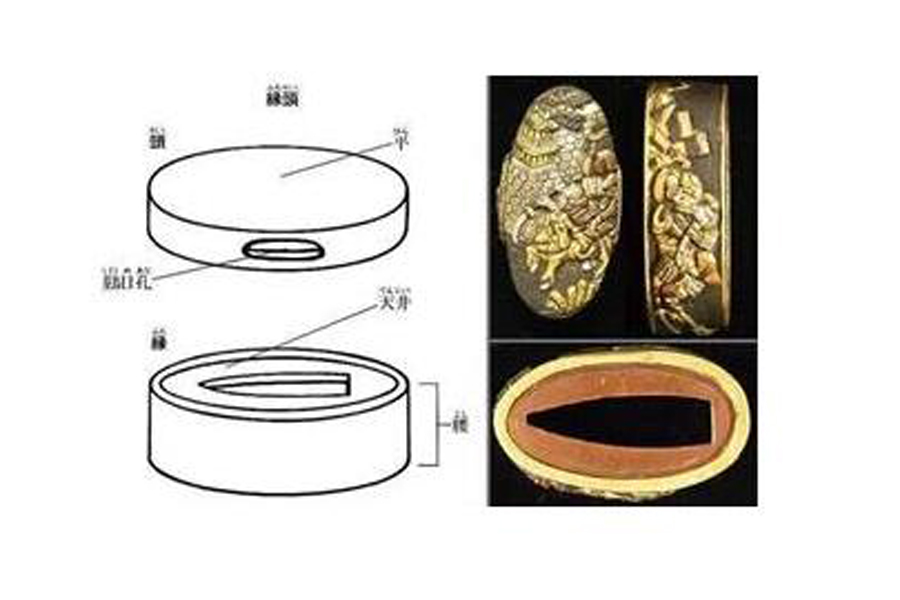
What Is a Fuchi?
The fuchi is a collar-shaped fitting located at the front of the tsuka, close to the tsuba, or sword guard. It sits between the guard and the handle and forms an important transition between the blade assembly and the tsuka.
The tang of the sword, known as the nakago, passes through the opening associated with the handle assembly. The fuchi helps create a finished and properly structured appearance at the base of the tsuka.
On a traditionally mounted Japanese sword, the fuchi is often made from metal. Depending on the style of the sword, it may be constructed from materials such as copper alloys, brass, iron, silver, or other decorative metals.
Fuchi can range from simple and practical designs to highly detailed pieces featuring traditional Japanese artwork. Common decorative subjects include dragons, flowers, animals, waves, family crests, and scenes inspired by Japanese mythology.
What Is a Kashira?
The kashira is the fitting located at the opposite end of the tsuka. It is commonly described as the pommel or end cap of the Japanese sword handle.
The kashira sits at the end of the handle and forms the finishing piece of the tsuka. Like the fuchi, it is usually made from metal and may feature decorative designs.
The kashira is also closely associated with the traditional handle wrapping. The tsuka-ito, or handle cord, is wrapped around the tsuka in a specific pattern, and the overall mounting is designed around the structure of the handle fittings.
Although the kashira is relatively small, it has a significant visual impact. A carefully selected kashira can complement the tsuba, fuchi, menuki, and other Japanese sword fittings.
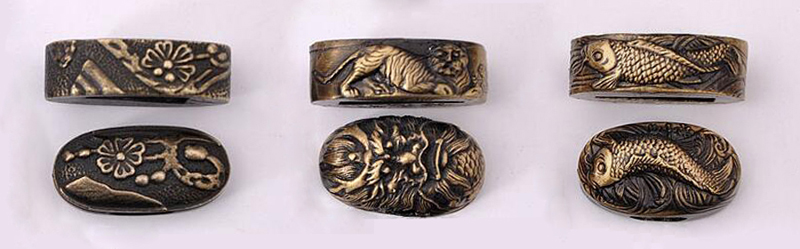
Fuchi vs. Kashira: What Is the Difference?
The easiest way to understand the difference between a fuchi and a kashira is to look at their positions on the katana handle.
- Fuchi: Located at the front of the tsuka, next to the tsuba.
- Kashira: Located at the end of the tsuka, forming the pommel or end cap.
In other words, the fuchi is positioned near the sword guard, while the kashira is positioned at the far end of the handle.
Because these two pieces often share the same design, material, and decorative theme, they are frequently produced as matching sets. These sets are known as fuchi-kashira.
What Does Fuchi-Kashira Mean?
Fuchi-kashira refers to the matching pair consisting of the fuchi and kashira. In traditional Japanese sword mounting, these two fittings are often designed together as part of a coordinated set of sword furniture.
A matching fuchi-kashira set can help create a unified appearance across the entire sword. The design may coordinate with other fittings, including the tsuba and menuki.
For example, a Japanese sword may feature a dragon-themed tsuba, matching dragon menuki, and a fuchi-kashira set decorated with similar dragon imagery. This creates a visually consistent katana koshirae.
Matching fittings are especially popular among collectors and customers designing a custom katana.
The Role of Fuchi and Kashira in Katana Koshirae
The complete exterior mounting of a Japanese sword is known as koshirae. A traditional koshirae consists of several components that work together to create a complete sword mounting.
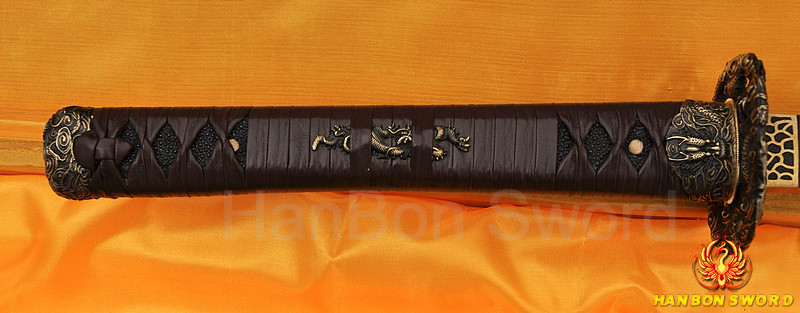
Important parts of a typical katana mounting may include:
- Tsuka: The sword handle.
- Tsuka-ito: The wrapping cord around the handle.
- Samegawa: Rayskin used beneath the handle wrapping.
- Menuki: Decorative fittings positioned beneath the tsuka-ito.
- Fuchi: The collar fitting near the tsuba.
- Kashira: The fitting at the end of the handle.
- Tsuba: The sword guard.
Each component contributes to the appearance and overall design of the Japanese sword. When properly matched, these fittings create a balanced and visually appealing katana.
Common Materials Used for Fuchi and Kashira
Traditional Japanese sword fittings were produced using a variety of materials. The choice of material often depended on the period, the intended owner, the level of craftsmanship, and the desired decorative style.
Common materials used for fuchi and kashira include:
- Copper
- Brass
- Iron
- Silver
- Gold alloys
- Shakudo and other traditional Japanese metal alloys
Modern katana fittings may also use practical materials chosen for durability and appearance. Brass and various metal alloys remain popular choices for reproduction swords and custom Japanese sword mountings.
Popular Fuchi and Kashira Designs
One of the most interesting aspects of Japanese sword fittings is their artistic variety. Fuchi and kashira can feature simple surfaces, engraved patterns, raised designs, or detailed scenes.
Popular decorative themes include:
- Japanese dragons
- Tigers
- Cherry blossoms
- Waves and water patterns
- Samurai imagery
- Mythological creatures
- Japanese family crests
- Traditional geometric patterns
- Flowers and plants
These decorative details allow sword owners to personalize the appearance of a katana. For collectors, the fittings can also provide insight into the artistic style and historical traditions associated with Japanese swords.
Why Are Katana Handle Fittings Important?
Katana fittings are more than simple decorations. The different components of a Japanese sword mounting contribute to the overall structure and visual identity of the sword.
The fuchi and kashira are particularly important because they define the two ends of the tsuka. They help frame the handle and create a finished appearance.
For modern sword collectors and custom sword buyers, choosing the right fuchi-kashira can significantly change the appearance of a katana. A simple black fitting can create a traditional and understated look, while engraved brass or silver-colored fittings can give the sword a more decorative style.
When designing a custom Japanese sword, it is important to consider how the fuchi and kashira will match the tsuba, menuki, tsuka-ito, samegawa, and saya.
How to Choose Fuchi and Kashira for a Custom Katana
When selecting katana fittings for a custom sword, appearance is usually the first consideration. However, it is also important to make sure that the fittings are compatible with the overall design and construction of the sword.
Here are several things to consider when choosing a fuchi-kashira set:
- Design theme: Choose a style that matches the rest of the sword.
- Material: Select a material that provides the appearance you want.
- Color: Match the fittings with the tsuba, tsuka-ito, and saya.
- Style: Decide whether you prefer a traditional, simple, decorative, or modern design.
- Compatibility: Make sure the fittings are suitable for the size and style of the tsuka.
A coordinated set of Japanese sword fittings can make a custom katana look more balanced and professionally designed.
Fuchi and Kashira in Traditional Japanese Sword Craftsmanship
Japanese sword craftsmanship is often associated with the forging of the blade, but the mounting of the sword also represents an important artistic tradition.
Historically, skilled craftsmen specialized in different aspects of sword production. Sword fittings could be produced by artisans who focused specifically on metalwork and decorative techniques.
As a result, traditional Japanese sword fittings developed into an art form of their own. High-quality fuchi-kashira sets could feature intricate carving, engraving, inlay work, and symbolic imagery.
Today, antique Japanese sword fittings are collected by enthusiasts around the world. Modern reproductions also allow sword owners to enjoy traditional Japanese designs when building or customizing a katana.
Conclusion: Understanding Fuchi and Kashira
The fuchi and kashira are two essential components of traditional Japanese sword mountings. The fuchi is positioned near the tsuba at the front of the tsuka, while the kashira is located at the end of the handle.
Together, these fittings are known as fuchi-kashira. They can contribute to both the structure and appearance of a katana handle while helping create a coordinated koshirae.
Whether you are studying traditional Japanese swords, collecting katana, or designing a custom samurai sword, understanding the different parts of the tsuka will help you better appreciate the craftsmanship behind Japanese sword fittings.
From simple functional designs to detailed artistic pieces, fuchi and kashira remain an important part of the visual identity of the traditional Japanese katana.
Frequently Asked Questions About Fuchi and Kashira
What is a fuchi on a katana?
A fuchi is a collar-shaped fitting located at the front of the katana handle, or tsuka. It is positioned near the tsuba and forms part of the traditional Japanese sword mounting.
What is a kashira on a katana?
A kashira is the fitting located at the end of the tsuka. It is commonly described as the pommel or end cap of the Japanese sword handle.
What is the difference between fuchi and kashira?
The fuchi is located near the tsuba at the front of the handle, while the kashira is located at the opposite end of the tsuka.
What does fuchi-kashira mean?
Fuchi-kashira refers to a matching pair consisting of the fuchi and kashira. These two Japanese sword fittings are often designed with the same material and decorative theme.
Are fuchi and kashira decorative?
Yes. Fuchi and kashira can be simple and functional, but they are also commonly decorated with traditional Japanese designs, including dragons, flowers, animals, waves, and other symbolic patterns.
What materials are used for fuchi and kashira?
Traditional fuchi and kashira may be made from copper, brass, iron, silver, gold alloys, or other metal alloys. Modern Japanese sword fittings can also be produced from durable contemporary materials.
Can I customize the fuchi and kashira on a katana?
Yes. Many custom katana options allow buyers to select different styles of fuchi and kashira to match the tsuba, menuki, tsuka-ito, and other sword fittings.