
What Makes a Samurai Sword So Special? The Art Behind the Katana
What Makes a Samurai Sword So Special? Exploring the Art and Craftsmanship Behind the Katana
The Samurai sword is one of the most recognizable weapons in history. Known for its elegant curve, sharp edge, and incredible craftsmanship, the Japanese Katana is much more than a simple weapon. It represents centuries of Japanese history, traditional craftsmanship, and the pursuit of perfection.
What makes a Samurai sword so special is not only its appearance, but also the knowledge and skill required to create it. Every part of a traditional Katana, from the steel selection and forging process to the polishing and fittings, reflects careful attention to detail.
Unlike mass-produced swords, a handmade Japanese sword is created through a combination of metallurgy, craftsmanship, and artistic expression. The balance between hardness and flexibility, the beauty of the hamon line, and the unique blade structure all contribute to the legendary reputation of the Samurai sword.
In this guide, we will explore the history, construction, and craftsmanship behind the Japanese Katana and explain why the Samurai sword continues to fascinate collectors, martial artists, and sword enthusiasts around the world.
What Makes a Samurai Sword Special?
A Samurai sword is special because it combines practical function with artistic beauty. Throughout Japanese history, swordsmiths developed advanced techniques to create blades that were sharp, durable, balanced, and visually impressive.
The Katana became famous for its unique design and construction. Its curved, single-edged blade was designed for efficient cutting movements, while its carefully forged steel structure provided both strength and flexibility.
The traditional Japanese sword-making process involves many stages, including steel preparation, forging, folding, heat treatment, polishing, and mounting. Each step requires specialized knowledge and contributes to the final character of the sword.
A Samurai sword is therefore not just a historical weapon. It is a combination of engineering, craftsmanship, and cultural heritage.
The History Behind the Samurai Sword
The history of the Samurai sword is closely connected with the development of Japanese warrior culture. Early Japanese swords were influenced by straight-bladed designs, but over time Japanese swordsmiths developed curved blades that better suited mounted combat.
The predecessor of the famous Katana was the Tachi, a curved sword traditionally worn with the cutting edge facing downward. As Samurai warfare changed, the Katana became the preferred sword carried with the edge facing upward, allowing warriors to draw and cut in one smooth motion.
During the Samurai era, the sword became more than a battlefield tool. It represented social status, personal identity, and the values associated with the Samurai class. The famous phrase that the sword was "the soul of the Samurai" reflects its deep cultural importance.
Over hundreds of years, Japanese swordsmiths continued improving forging methods, creating many famous sword-making traditions and techniques that are still studied today.
The Unique Design of a Japanese Katana Blade
One of the reasons the Katana is so unique is its carefully designed blade shape. Every part of the sword has a purpose, from the curvature of the blade to the geometry of the cutting edge.
The curved blade allows the sword to perform efficient slicing cuts rather than relying only on impact. This design became especially effective for Samurai warriors who needed quick and precise movements.
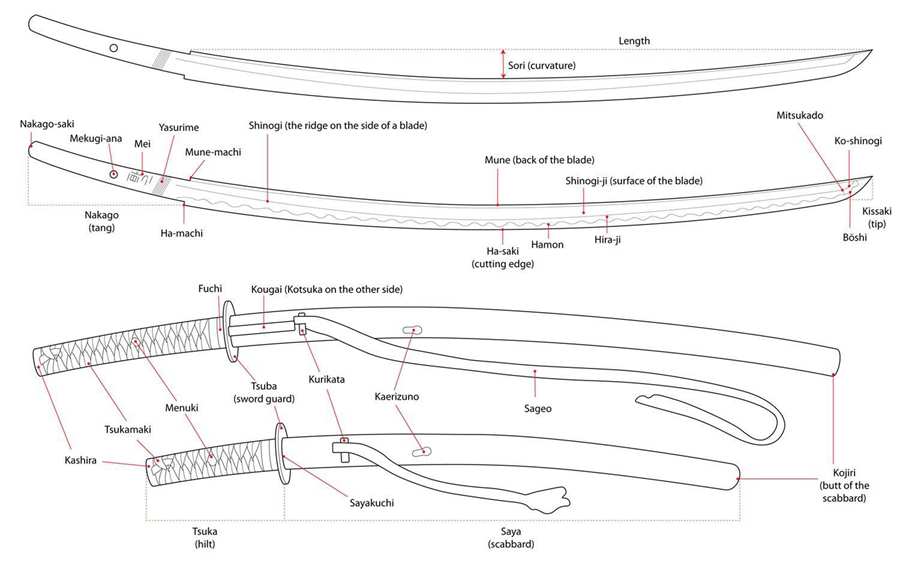
A traditional Katana usually includes several important parts:
- Ha: The sharp cutting edge of the blade.
- Mune: The back edge of the blade, designed to provide strength.
- Nakago: The tang section hidden inside the handle, providing structural support.
- Hamon: The visible temper line created through clay tempering.
- Tsuba: The sword guard protecting the user's hand.
- Tsuka: The handle wrapped for secure grip and control.
This combination of functional design and artistic detail is one of the main reasons the Japanese Katana remains one of the most admired swords in the world.
Japanese Sword Steel: Why Tamahagane Makes the Katana Unique
One of the most important factors that makes a Samurai sword special is the steel used in its construction. Traditional Japanese swords were historically made from Tamahagane, a special type of steel produced through the Tatara furnace process.
Tamahagane is created from iron sand and charcoal through a traditional smelting method. Unlike modern industrial steel with a uniform composition, Tamahagane contains different carbon levels, allowing swordsmiths to select and combine materials with different properties.
This unique characteristic allowed Japanese swordsmiths to create blades that combined hardness with flexibility. A hard cutting edge could maintain sharpness, while a softer body helped absorb impact and reduce the risk of breaking.
The careful selection and treatment of steel is one of the reasons why traditional Katana craftsmanship became highly respected throughout history.
The Traditional Folding Process of a Samurai Sword
The folding process is one of the most famous techniques associated with Japanese sword making. During forging, the swordsmith repeatedly heats, folds, and hammers the steel to refine its structure.
Many people believe that folding steel was only used to create beautiful patterns, but its original purpose was to improve the quality of the material. The process helped remove impurities and distribute carbon more evenly throughout the steel.
After polishing, the repeated folding process can create visible grain patterns called hada. These patterns are considered one of the artistic features of a traditionally forged Japanese sword.
The folding technique demonstrates the patience and precision required in Samurai sword production. Every stage of forging contributes to the final performance and appearance of the blade.
Clay Tempering and the Creation of the Hamon Line
Another feature that makes a Samurai sword unique is the hamon, the visible temper line found along the cutting edge of many Japanese Katana.
The hamon is created through a traditional clay tempering process. Before heating and quenching, the swordsmith applies clay to different areas of the blade. The thickness and placement of the clay control how quickly each section cools.
The cutting edge cools faster and becomes harder, while the spine remains softer and more flexible. This difference in hardness creates the hamon pattern and gives the blade a balance between cutting ability and durability.
Besides its functional purpose, the hamon is also an important artistic element. Different swordsmiths developed their own styles of hamon patterns, making each blade visually unique.
Why Does a Katana Have Exceptional Balance and Performance?
A Samurai sword is not considered special only because of its sharpness. Its carefully designed balance and handling characteristics are equally important.
The Katana's curved blade, lightweight structure, and carefully positioned balance point allow it to be controlled with speed and precision. This design was developed through centuries of battlefield experience.
The combination of blade geometry, steel construction, and craftsmanship creates a sword that feels natural in the hands of an experienced user.
A well-made Katana is not simply a sharp piece of metal. It is a carefully engineered tool where every detail, from the blade curvature to the handle design, contributes to its overall performance.
The Importance of Japanese Sword Polishing
Polishing is one of the final and most important stages in Japanese sword production. A skilled polisher does much more than make the blade shine; they reveal the hidden structure and beauty of the sword.
Traditional polishing methods can highlight the hamon, hada, and overall shape of the blade. A poorly polished sword may hide the details that make Japanese swords unique.
The relationship between swordsmith and polisher is essential. The swordsmith creates the blade structure, while the polisher reveals the artistic qualities created during forging.
This cooperation between different craftsmen is another reason why the Samurai sword is considered both a weapon and a work of art.
The Craftsmanship Behind Every Samurai Sword
What truly makes a Samurai sword special is the craftsmanship behind every stage of its creation. A traditional Japanese Katana is not produced by one simple process. It requires the cooperation of different craftsmen, each specializing in a specific skill.
The swordsmith is responsible for forging and shaping the blade, carefully controlling the steel, heat, and hammering process. After forging, the polisher reveals the blade's hidden beauty, while craftsmen who create the fittings complete the final appearance of the sword.
Every component of a Samurai sword has a purpose. The tsuba protects the hand, the tsuka provides a secure grip, the saya protects the blade, and the fittings reflect the artistic style of the sword.
This combination of engineering and traditional art is what separates the Japanese Katana from ordinary swords. Each handmade sword carries the knowledge, effort, and creativity of the craftsmen who created it.
Samurai Sword vs Other Historical Swords
Throughout history, many cultures developed impressive swords, including European longswords, Chinese Jian swords, and Middle Eastern blades. However, the Japanese Katana has several characteristics that make it unique.
| Feature | Samurai Katana | Other Historical Swords |
| Blade Design | Curved single-edged blade designed for efficient cutting | Different shapes based on regional fighting styles |
| Steel Construction | Traditional layered steel methods | Various forging methods depending on culture |
| Craftsmanship | Highly detailed forging, polishing, and fitting work | Different levels of craftsmanship and decoration |
| Cultural Meaning | Strong connection with Samurai identity and Japanese history | Connected with their own historical traditions |
The uniqueness of the Samurai sword comes from the combination of its design, production methods, and cultural significance rather than from a single feature.
Why Collectors Value Handmade Samurai Swords
For collectors, a handmade Samurai sword represents much more than a historical weapon. It represents traditional skills that have been passed down through generations.
Collectors appreciate details such as the blade shape, hamon pattern, steel structure, craftsmanship of the fittings, and the overall balance of the sword.
A carefully made Japanese Katana can become a valuable collectible because every sword has unique characteristics created during the forging and finishing process.
Whether displayed as a historical art piece or appreciated as traditional craftsmanship, a Samurai sword continues to attract people because of its combination of beauty, technology, and cultural meaning.
How to Choose a Real Samurai Sword
When choosing a real Samurai sword or handmade Katana, buyers should consider more than appearance. The quality of the blade, materials, and craftsmanship all affect the value and performance of the sword.
- Steel Type: Different steels such as T10 steel, 1095 carbon steel, and traditional Tamahagane each have different characteristics.
- Blade Construction: Full tang construction and proper forging methods are important for sword durability.
- Heat Treatment: Proper clay tempering can create a strong edge and beautiful hamon.
- Craftsmanship: Details such as polishing, fittings, and wrapping quality affect the overall value.
- Purpose: Collectors, martial artists, and display buyers may have different requirements when selecting a Katana.
Frequently Asked Questions About Samurai Swords
1. Why are Samurai swords so special?
Samurai swords are special because they combine advanced forging techniques, unique blade design, traditional craftsmanship, and deep cultural significance. They are both functional weapons and works of art.
2. What makes a Katana different from other swords?
The Katana is known for its curved single-edged blade, excellent balance, traditional steel construction, and the famous Japanese sword-making process.
3. How long does it take to make a handmade Katana?
The time required depends on the materials, forging method, polishing, and fittings. A traditionally made Japanese sword requires many careful stages before completion.
4. Are Samurai swords still made today?
Yes. Modern swordsmiths and craftsmen continue making Japanese-style swords using traditional techniques as well as modern high-quality steels.
5. What steel is best for a Samurai sword?
The best steel depends on the purpose of the sword. Traditional Tamahagane has historical value, while modern steels such as T10 and 1095 provide reliable performance.
6. Is a Samurai sword only a weapon?
No. A Samurai sword is also a symbol of Japanese history, craftsmanship, artistic expression, and cultural tradition.
Conclusion: Why the Samurai Sword Remains Special Today
What makes a Samurai sword so special is the combination of history, craftsmanship, and philosophy behind every blade. From carefully selected steel to traditional forging and polishing techniques, every step reflects the dedication of Japanese sword makers.
The Katana has survived for centuries because it represents more than a weapon. It is a symbol of discipline, artistic achievement, and the continuous pursuit of perfection.
Today, handmade Samurai swords continue to inspire collectors and enthusiasts around the world, preserving the legacy of Japanese sword craftsmanship for future generations.