
Tsuka Wrapping Methods: Tsukamaki, Tsumamimaki, Hinerimaki & Hiramaki
Tsuka Wrapping Methods: Tsukamaki, Tsumamimaki, Hinerimaki and Hiramaki
The handle of a Japanese sword is more than just a place to hold the weapon. The way a tsuka is constructed and wrapped affects the sword's appearance, grip, comfort, and overall character.
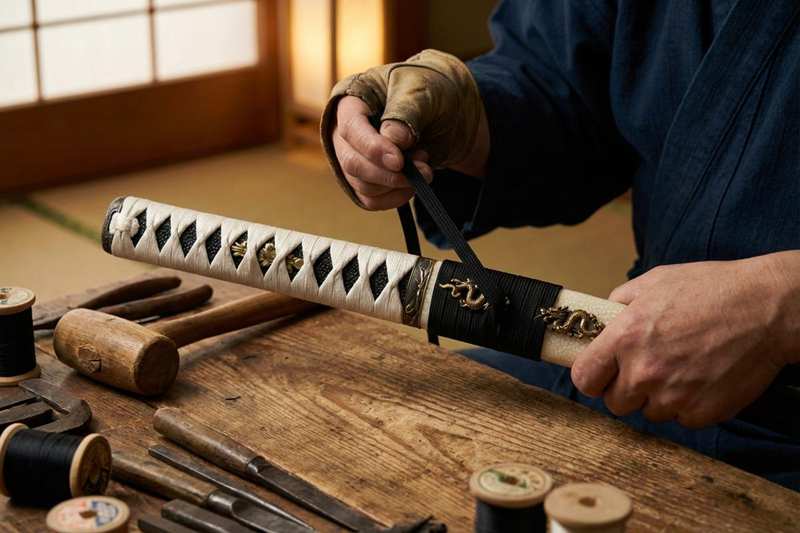
Traditional tsuka wrapping, known as Tsukamaki, uses a cord called tsuka-ito to wrap the handle in carefully arranged patterns. Over time, different wrapping styles developed, each with its own visual characteristics and historical associations.
Among the best-known Japanese sword handle wrapping methods are Tsumamimaki, Hinerimaki, and Hiramaki. Although they all use tsuka-ito, the way the cord crosses and is secured creates noticeably different results.
What Is Tsukamaki?
Tsukamaki (柄巻) literally refers to the process of wrapping the handle, or tsuka, of a Japanese sword. The term is commonly used when discussing traditional katana handle wrapping and other forms of Japanese sword mounting.
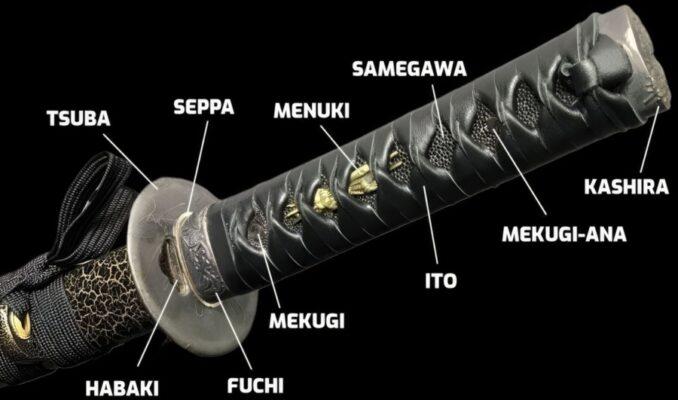
A traditional tsuka usually has a wooden core fitted around the tang of the blade. The handle may be covered with samegawa, or ray skin, before the tsuka-ito is wrapped around it. The combination of these materials creates the distinctive texture associated with traditional Japanese sword handles.
Tsukamaki is not simply decorative. A properly executed wrap contributes to a secure grip and helps create the characteristic diamond-shaped openings seen on many katana handles.
Why Is Tsuka Wrapping Important?
The wrapping of a Japanese sword handle serves both practical and visual purposes. The tsuka is one of the main points of contact between the user and the sword, so the quality and tightness of the wrapping can have a major effect on how the handle feels.
- Provides a more secure and textured grip.
- Helps create the traditional appearance of the katana handle.
- Allows different wrapping patterns and visual styles.
- Works with the underlying samegawa and handle construction.
- Can influence the comfort and feel of the sword in the hand.
For collectors, practitioners, and Japanese sword enthusiasts, the quality of the tsuka wrapping is often one of the first details noticed when examining the overall craftsmanship of a sword.
What Is Tsuka-Ito?
Tsuka-ito is the cord or material used to wrap the handle of a Japanese sword. Depending on the sword and the desired style, tsuka-ito may be made from materials such as silk, cotton, leather, or modern synthetic alternatives.
Different materials can create different textures, levels of grip, and visual finishes. Silk is often associated with a refined traditional appearance, while cotton is commonly chosen for its practicality and texture. Leather can provide a distinctive look and feel.
Regardless of the material, the wrapping method plays an important role in determining the final appearance of the handle.
Tsumamimaki: The Traditional Pinched Tsuka Wrapping Style
Tsumamimaki is one of the best-known forms of traditional Japanese sword handle wrapping. The name is often associated with the way the tsuka-ito is "pinched" at the crossing points.
This method creates a highly recognizable pattern across the tsuka and is commonly used on traditional-style katana and other Japanese swords.
Tsumamimaki is appreciated for its balanced appearance and the detailed look created by the carefully arranged crossings of the ito. When done well, the pattern appears even, symmetrical, and tightly constructed along the length of the handle.
For many people, Tsumamimaki represents the classic image of a traditional katana handle wrap.
Hinerimaki: The Twisted Tsuka Wrapping Method
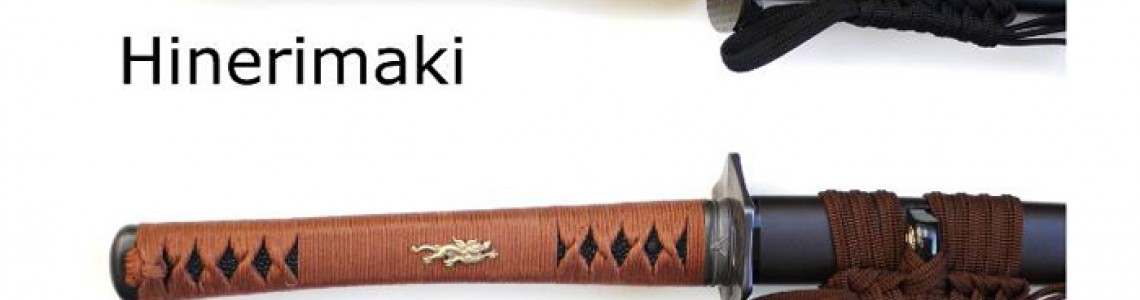
Hinerimaki is another traditional Tsukamaki technique. In this method, the tsuka-ito is manipulated differently at the crossing points, producing a wrapping pattern distinct from Tsumamimaki.
The original HanBon Forge guide describes Hinerimaki as a method in which the ito is folded over twice at approximately a 90-degree angle at the crossing. This creates a characteristic twisted appearance that distinguishes it from the pinched crossings of Tsumamimaki.
Like other Japanese sword wrapping methods, the final result depends heavily on the skill of the craftsman. Even tension and consistent spacing are important for creating a neat and visually balanced handle.
Hiramaki: A Simpler Japanese Sword Wrapping Style
Hiramaki is a simpler wrapping method in which the tsuka-ito crosses over the handle without the more complex pinched or twisted treatment used in other styles.
Historically, Hiramaki is associated with certain styles of Japanese sword mounting, including tachi. The simpler crossing pattern gives the handle a different visual character from Tsumamimaki and Hinerimaki.
Although simpler in appearance, Hiramaki remains an important part of the broader history of Japanese sword handle wrapping and demonstrates how different mounting styles developed for different sword types and traditions.
Tsumamimaki vs Hinerimaki vs Hiramaki
The main difference between these Tsukamaki methods is the way the tsuka-ito is handled at the crossing points.
| Wrapping Style | Main Characteristic | Overall Appearance |
|---|---|---|
| Tsumamimaki | Ito is pinched at the crossing | Detailed and traditionally styled |
| Hinerimaki | Ito is folded and twisted at the crossing | Distinctive twisted pattern |
| Hiramaki | Ito simply crosses over | Simpler and cleaner pattern |
Each method has its own visual identity. The choice between them often depends on the sword's historical style, intended appearance, and the preferences of the owner or craftsman.
What Is Under the Tsuka Wrapping?
Traditional Japanese sword handles are constructed from several components. Under the visible tsuka-ito, there is commonly a wooden tsuka core fitted to the tang of the blade.
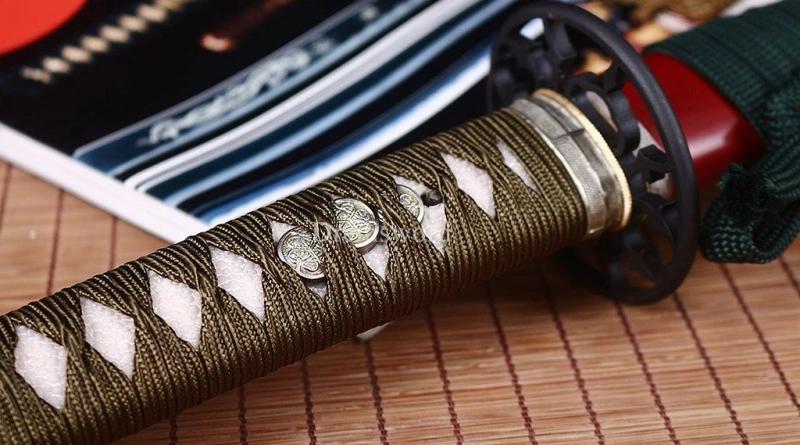
Many traditional-style handles are also covered with samegawa, or ray skin. The texture of the samegawa can be visible through the openings created by the wrapping pattern, producing the familiar diamond-shaped appearance seen on many katana handles.
Decorative fittings called menuki may also be positioned beneath the wrapping. Their placement can contribute to both the visual design and the feel of the handle in the hand.
How Tight Should Katana Handle Wrapping Be?
A well-executed katana handle wrap should appear even and secure along the length of the tsuka. Loose sections, uneven spacing, or inconsistent diamond shapes can affect both the appearance and the feel of the handle.
Achieving a professional result requires careful control of tension throughout the wrapping process. Traditional methods may also use hishigami, small shaped pieces placed beneath the ito to help maintain consistent spacing and form.
For this reason, high-quality Tsukamaki is a detail that requires patience, precision, and experience rather than simply wrapping cord around a handle.
Can You Rewrap a Katana Tsuka?
Yes. Tsuka rewrapping is commonly performed when the existing ito becomes worn, damaged, loose, or when the owner wants to change the appearance of the handle.
However, properly rewrapping a Japanese sword handle requires more than choosing new tsuka-ito. The condition of the wooden core, samegawa, fittings, and the overall construction of the tsuka should also be considered.
For collectors and functional swords, professional craftsmanship is generally the best choice when the goal is a secure, traditional-looking result.
Choosing the Right Tsuka Wrapping Style
The best tsuka wrapping style depends on what you want from the sword.
- For a classic katana appearance: Tsumamimaki is a popular traditional choice.
- For a distinctive crossing pattern: Hinerimaki offers a different visual character.
- For historical tachi-inspired styles: Hiramaki may be appropriate.
- For customization: The color and material of the tsuka-ito can dramatically change the sword's appearance.
The wrapping style should also complement the sword's overall koshirae, including the tsuba, menuki, fuchi, kashira, and saya.
FAQ About Tsuka Wrapping
What is Tsukamaki?
Tsukamaki is the traditional Japanese term for wrapping the handle, or tsuka, of a Japanese sword. It usually involves wrapping tsuka-ito around the handle in a specific pattern.
What is the difference between Tsumamimaki and Hinerimaki?
The main difference is the way the tsuka-ito is handled at the crossing points. Tsumamimaki uses a pinched crossing style, while Hinerimaki creates a different folded and twisted pattern.
What is Hiramaki?
Hiramaki is a simpler Japanese sword handle wrapping method in which the tsuka-ito crosses over the handle without the more complex pinched or twisted treatment used in some other styles.
What is tsuka-ito made from?
Tsuka-ito can be made from several materials, including silk, cotton, leather, and modern synthetic materials. The material affects the texture, appearance, and feel of the handle.
What is under the wrapping of a katana handle?
A traditional katana handle usually has a wooden core fitted around the tang, often covered with samegawa or ray skin. Menuki ornaments may also be placed beneath the tsuka-ito.
Can a katana tsuka be rewrapped?
Yes. A tsuka can be rewrapped when the existing ito becomes worn, damaged, or loose. A proper rewrap should also consider the condition of the tsuka core, samegawa, and fittings.
Why is katana handle wrapping important?
Tsuka wrapping contributes to the grip, appearance, and traditional construction of the handle. A properly executed wrap should be even, secure, and visually balanced.
Final Thoughts
Tsuka wrapping is one of the most recognizable features of a traditional Japanese sword. From the detailed crossings of Tsumamimaki to the distinctive structure of Hinerimaki and the simpler form of Hiramaki, each Tsukamaki method gives the handle its own identity.
Understanding these different Japanese sword handle wrapping methods makes it easier to appreciate the craftsmanship behind a katana and the many details that contribute to the character of its koshirae.
Whether you are choosing a custom katana, studying Japanese sword fittings, or comparing different Tsukamaki styles, the tsuka wrap remains an important detail where craftsmanship, tradition, and personal style come together.