
Huan Shou Dao: The Han Dynasty Ring-Pommel Sword Explained
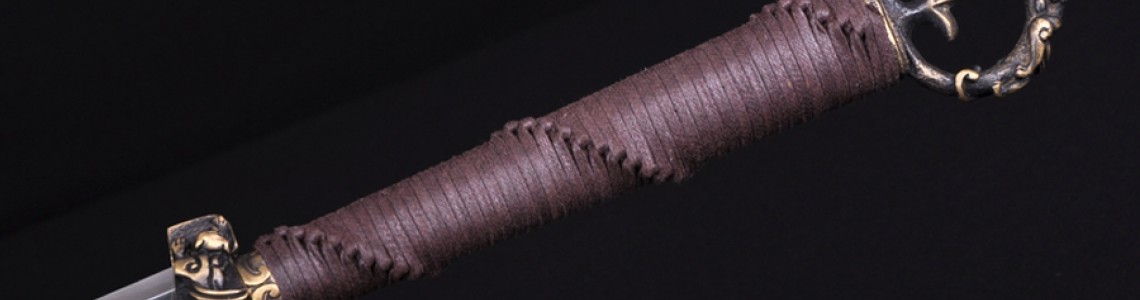
Huan Shou Dao: The Ring-Pommel Sword of the Han Dynasty
The Huan Shou Dao (环首刀), commonly translated as the Ring-Pommel Dao, was one of the most important single-edged weapons in ancient China. Recognizable by the distinctive ring at the end of its handle, this weapon played an important role during the Han Dynasty and helped shape the later development of the Chinese Dao.
While the Chinese jian remained an important double-edged sword, the Huan Shou Dao offered a different approach to military use. Its single-edged blade, relatively simple construction, and practical design made it well suited to the needs of large armies.
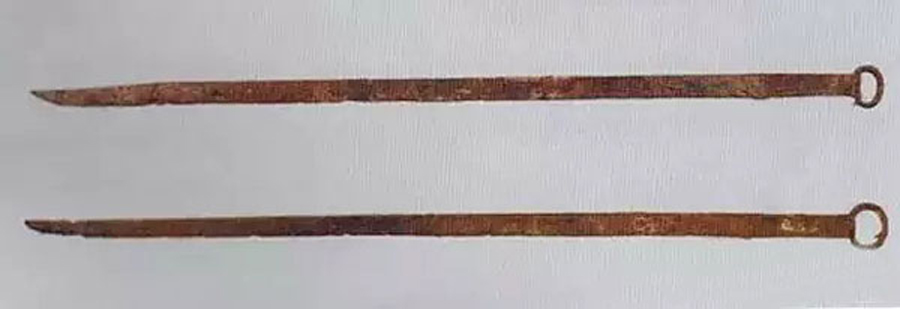
Today, the Huan Shou Dao is valued not only as an ancient weapon but also as an important part of Chinese sword history. Its design provides a fascinating look at the transition from earlier double-edged swords to the single-edged Dao traditions that became increasingly important in later Chinese dynasties.
What Is a Huan Shou Dao?
The name Huan Shou Dao literally refers to a Dao with a ring-shaped pommel. The Chinese word huan means “ring,” while shou refers to the pommel or end of the handle. This distinctive feature gives the weapon its recognizable appearance.
The Huan Shou Dao was generally a straight, single-edged sword. Although surviving examples and historical reconstructions vary in size and proportions, the weapon typically featured a narrow blade designed for practical military use.
The ring pommel was more than a decorative element. In some historical contexts, it could also provide a point for attaching a cord or strap, helping the weapon remain secure during movement and combat.
Because of its characteristic construction, the Ring-Pommel Dao is one of the most recognizable weapons associated with the Han Dynasty.
The Origins of the Huan Shou Dao
The development of the Huan Shou Dao is closely connected to the military and technological changes of ancient China. During the Han Dynasty, improvements in ironworking and steel production made stronger and more practical bladed weapons increasingly available.
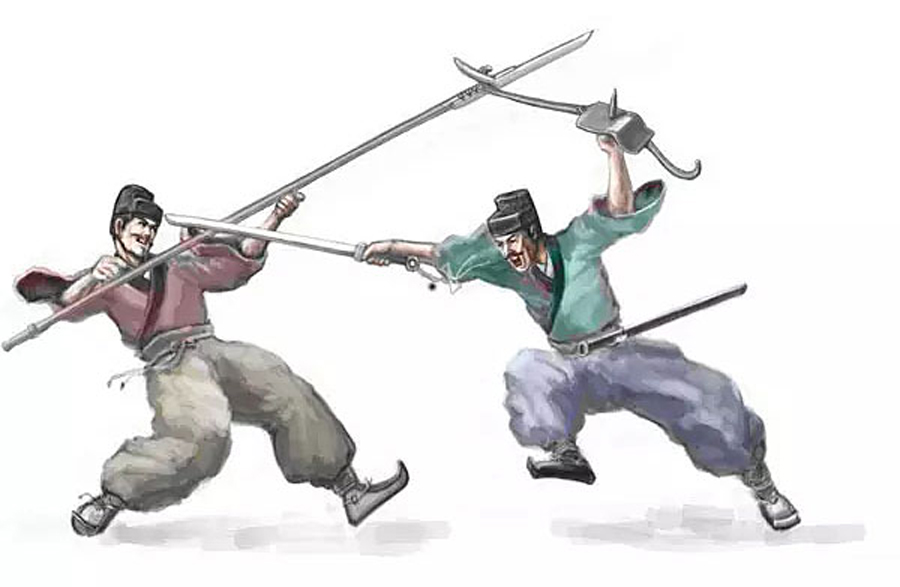
Earlier Chinese warfare had placed great importance on the jian, a straight double-edged sword. However, single-edged weapons gradually became more common because they could offer advantages in certain military applications.
The Dao eventually became one of the most important categories of Chinese swords. The Huan Shou Dao represents an important stage in that development, particularly during the Han Dynasty.
As Chinese armies expanded and military organization became increasingly sophisticated, practical weapons that could be produced in larger numbers became especially valuable. The relatively straightforward single-edged construction of the Huan Shou Dao made it well suited to this changing military environment.
Why Did the Huan Shou Dao Become Important During the Han Dynasty?
The Han Dynasty was a period of major military expansion. Large armies required weapons that were durable, practical, and suitable for widespread production.
The Huan Shou Dao offered several characteristics that made it attractive as a military weapon. Its single-edged blade could be designed primarily for cutting while still retaining the ability to thrust with its pointed tip.
Compared with a double-edged sword, a single-edged weapon could also simplify certain aspects of blade construction. This made the Dao an increasingly practical choice for military use.
The weapon's straight profile and strong blade structure also allowed it to perform a variety of functions. Soldiers could use the weapon for slashing, cutting, and thrusting depending on the situation.
Over time, the growing importance of the Dao helped establish the single-edged sword as one of the defining weapons in Chinese military history.
Huan Shou Dao Blade Design
One of the defining characteristics of the Huan Shou Dao is its straight, single-edged blade. Unlike many later Chinese Dao swords, which developed noticeable curvature, the Han Dynasty Ring-Pommel Dao generally maintained a straighter profile.
The blade was often relatively narrow, while the spine could provide additional structural strength. This combination created a weapon capable of handling the demands of military use.
The pointed tip also allowed the sword to be used for thrusting. This versatility was important because ancient battlefield conditions could require different types of attacks.
A straight blade also distinguishes the Huan Shou Dao from many later curved Dao designs. The evolution from straight single-edged blades to increasingly curved swords reflects changing military preferences and developments in Chinese sword design.
The Ring Pommel: The Most Recognizable Feature
The most distinctive feature of the Huan Shou Dao is the circular ring at the end of the handle.
This ring-shaped pommel gives the weapon its name and makes it easy to identify in historical artwork, archaeological discoveries, and modern reproductions.
The ring could also serve practical purposes. A cord or strap could potentially be attached to the ring, helping secure the weapon during movement. This was especially useful when soldiers needed to maintain control of their equipment.
In addition to its practical function, the ring pommel became an important visual feature of Han Dynasty sword design.
For collectors today, the ring pommel remains one of the main characteristics that separates a Huan Shou Dao from other traditional Chinese swords.
Huan Shou Dao vs. Chinese Jian
The Huan Shou Dao and the Chinese Jian represent two important but different traditions in Chinese sword history.
The Chinese Jian is generally characterized by a straight, double-edged blade. It is often associated with balanced handling and the ability to cut and thrust using either edge.
The Huan Shou Dao, on the other hand, typically uses a single-edged blade. This design places greater emphasis on one primary cutting edge while allowing the opposite side of the blade to serve as a stronger spine.
Both weapons could be effective in different circumstances. Their differences reflect the variety of weapons used throughout ancient Chinese history.
| Feature | Huan Shou Dao | Chinese Jian |
|---|---|---|
| Blade Type | Single-edged | Double-edged |
| Blade Shape | Generally straight | Straight |
| Pommel | Distinctive ring pommel | Various designs |
| Historical Association | Han Dynasty military weapon | Long tradition in Chinese sword culture |
Was the Huan Shou Dao Used by the Military?
Yes. The Huan Shou Dao was closely associated with military use during the Han Dynasty.
Its practical design made it suitable for soldiers who needed a reliable sidearm. The combination of a single-edged blade, strong spine, and pointed tip allowed the weapon to perform multiple functions.
Ancient Chinese armies used a wide variety of weapons, including spears, polearms, bows, crossbows, Jian, and Dao. The Huan Shou Dao became one of the important sword types within this broader military system.
It is important to remember that no single weapon dominated every battlefield situation. The effectiveness of a weapon depended on factors such as military training, battlefield conditions, armor, tactics, and the type of opponent.
Why Was a Single-Edged Blade Practical?
A single-edged blade offers several advantages in weapon design.
Because only one side of the blade needs to function as the primary cutting edge, the opposite side can be designed primarily for structural strength. This can create a strong blade profile suitable for repeated use.
Single-edged construction can also simplify blade manufacturing compared with a weapon that requires both sides to be sharpened and maintained as cutting edges.
For large armies, practical manufacturing considerations were important. Weapons needed to be produced efficiently while still meeting the demands of military service.
The increasing importance of the Dao demonstrates why single-edged swords became a major part of Chinese weapon development.
The Influence of the Huan Shou Dao on Later Chinese Swords
The Huan Shou Dao is important because it represents an early stage in the long history of the Chinese Dao.
Later dynasties developed many different types of Dao swords, including military sabers, cavalry swords, broad-bladed weapons, and increasingly curved blades.
The basic concept of a single-edged sword, however, remained central to Chinese military traditions for centuries.
Some later sword designs retained characteristics that can be traced back to earlier Dao traditions, including straight blades and ring-shaped pommels.
The history of the Huan Shou Dao therefore provides valuable insight into how Chinese sword design evolved over time.
From the Han Dynasty to later periods such as the Tang, Ming, and Qing dynasties, the Dao continued to develop in response to changing military requirements and cultural influences.
Huan Shou Dao and the Development of the Tang Dao
The relationship between the Huan Shou Dao and later Chinese military swords is particularly interesting when studying the development of the Tang Dao.
Early Tang military swords continued many traditions associated with earlier Chinese straight Dao designs. Some examples retained relatively straight blades, while ring-shaped pommels also remained part of Chinese sword design.
The Tang Dynasty later became famous for its highly developed military sword traditions. These weapons influenced the development of sword designs throughout East Asia.
For this reason, studying the Huan Shou Dao can help collectors and history enthusiasts better understand the earlier foundations of later Chinese military swords.
Collecting a Huan Shou Dao Today
Modern reproductions of the Huan Shou Dao are popular among collectors, Chinese sword enthusiasts, historical martial arts practitioners, and people interested in ancient Chinese weapons.
When choosing a reproduction, collectors may want to consider several factors, including blade construction, overall proportions, historical inspiration, fittings, and craftsmanship.
A historically inspired reproduction should reflect the general characteristics of the weapon while also recognizing that surviving examples can vary.
Collectors should also understand the difference between a decorative sword and a functional sword. Materials, construction methods, and intended use can vary significantly between different reproductions.
For anyone interested in traditional Chinese swords, the Huan Shou Dao is an excellent example of how weapon design combines history, technology, and military culture.
Why the Huan Shou Dao Still Matters
The Huan Shou Dao remains important because it represents a major period of transition in Chinese sword history.
It demonstrates the growing importance of single-edged weapons and reflects the technological and military developments of the Han Dynasty.
Its distinctive ring pommel makes it immediately recognizable, while its straight blade provides a connection to some of the earliest military Dao traditions.
For historians and collectors, the Ring-Pommel Dao is more than simply an ancient weapon. It is a physical example of how military technology and weapon design changed over time.
Understanding the Huan Shou Dao also helps place later Chinese swords into a broader historical context. From the Han Dynasty to the Tang, Ming, and Qing periods, the Dao continued to evolve while remaining one of the defining weapons of Chinese martial culture.
Conclusion
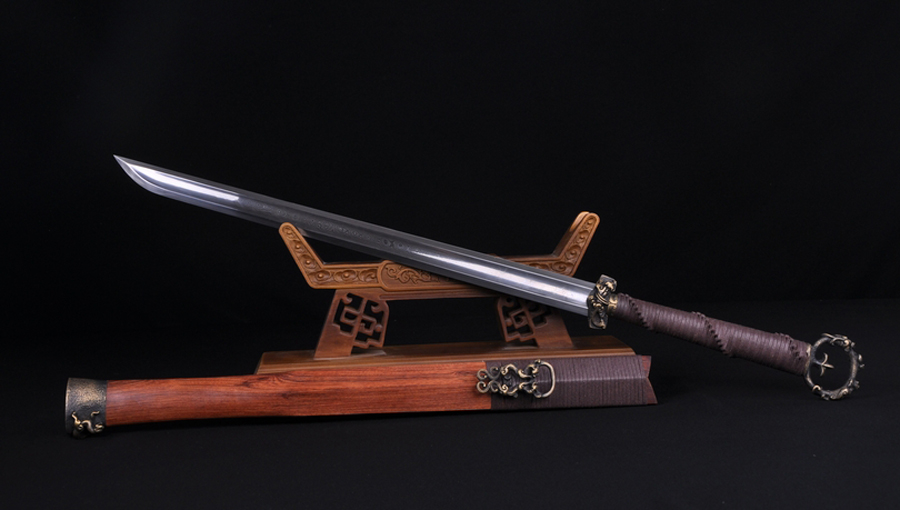
The Huan Shou Dao is one of the most recognizable weapons from ancient Chinese military history. Its straight single-edged blade and distinctive ring pommel make it an important example of Han Dynasty sword design.
Although the Chinese Jian remained an important weapon, the growing popularity of the Dao marked a significant development in the history of Chinese arms.
The Huan Shou Dao helped establish the single-edged sword tradition that would continue to develop throughout later Chinese dynasties.
Today, whether you are interested in ancient Chinese weapons, Han Dynasty history, traditional sword collecting, or the evolution of the Chinese Dao, the Ring-Pommel Dao remains a fascinating piece of history.
Frequently Asked Questions About the Huan Shou Dao
1. What is a Huan Shou Dao?
A Huan Shou Dao is an ancient Chinese single-edged sword characterized by a distinctive ring-shaped pommel. It is closely associated with the Han Dynasty.
2. What does Huan Shou Dao mean?
The name refers to the weapon's ring-shaped pommel. “Huan” means ring, while “Shou” refers to the end or pommel of the handle.
3. When was the Huan Shou Dao used?
The Huan Shou Dao is particularly associated with the Han Dynasty, although ring-pommel sword designs and related Dao traditions continued to influence later Chinese weapons.
4. Is the Huan Shou Dao a Chinese sword?
Yes. The Huan Shou Dao is a traditional Chinese weapon and an important example of the early development of the Chinese Dao.
5. What is the difference between a Huan Shou Dao and a Jian?
The main difference is the blade design. A Huan Shou Dao generally has a single-edged blade, while a traditional Chinese Jian usually has a straight double-edged blade.
6. Why does the Huan Shou Dao have a ring on the handle?
The ring is the weapon's defining feature. It may have served both decorative and practical purposes, including providing a point where a cord or strap could be attached.
7. Was the Huan Shou Dao used in the Han Dynasty military?
Yes. The Huan Shou Dao was closely connected with military use during the Han Dynasty and became an important type of single-edged weapon in ancient China.
8. Did the Huan Shou Dao influence later Chinese swords?
The Huan Shou Dao was part of the early development of the Chinese Dao tradition. Later Chinese military swords continued to develop the single-edged sword concept in many different forms.
9. Is the Huan Shou Dao the same as a Tang Dao?
No. They belong to different historical periods. However, the Huan Shou Dao represents an earlier stage in the development of Chinese single-edged military swords, while the Tang Dao developed later.
10. Are Huan Shou Dao reproductions available today?
Yes. Modern reproductions are available for collectors and enthusiasts interested in traditional Chinese swords and ancient Chinese weapon history.