
Katana and Wakizashi: History, Roles and Value of Samurai Swords

Katana and Wakizashi: The History, Roles and Value of Samurai Swords
The Katana and Wakizashi are two of the most iconic Japanese swords and together represent one of the most important traditions in samurai culture. More than simple weapons, these swords were symbols of status, discipline, craftsmanship, and personal identity.
For centuries, the Japanese katana was recognized as the primary sword of the samurai, while the shorter wakizashi served as a companion blade with its own unique role. When worn together, they formed the famous Daisho sword set, meaning "large and small."
Today, a Katana Wakizashi set is highly valued by collectors, martial artists, and Japanese culture enthusiasts. These swords represent not only historical craftsmanship but also the artistic beauty of traditional Japanese sword making.
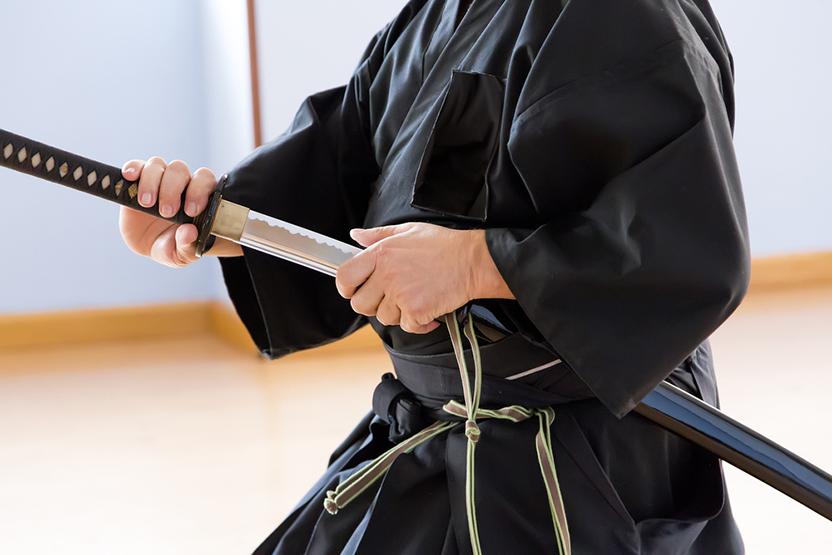
What Is a Katana Sword?
A katana is a traditional Japanese sword known for its curved, single-edged blade, long handle, and ability to be used with two hands. It became the signature weapon of the samurai class and played an important role in Japanese history.
Unlike earlier straight swords, the curved design of the katana allowed faster drawing movements and effective cutting techniques. The combination of sharpness, balance, and elegant shape made the katana one of the most recognizable swords in the world.
However, the value of a katana was never limited to its function as a weapon. Samurai swords were also considered works of art. The blade, hamon pattern, fittings, and handcrafted details reflected the skill of different swordsmiths and craftsmen.
What Is a Wakizashi Sword?
The Wakizashi is a shorter Japanese sword traditionally carried together with a katana. While the katana was mainly used as the primary battlefield weapon, the wakizashi provided flexibility in situations where a longer sword was inconvenient.
Because of its smaller size, the wakizashi was especially useful indoors and in close spaces. It was also an important symbol of samurai identity and was commonly worn as part of the Daisho sword pairing.
Although shorter than a katana, a wakizashi was not simply a smaller version of another sword. It had its own design characteristics, craftsmanship, and historical importance.
The Meaning of Daisho: Katana and Wakizashi Together
The combination of a katana and wakizashi is known as Daisho (大小), which literally means "big and small." This sword pair represented the social position and warrior status of the samurai.
During the Edo period, wearing a Daisho set became closely associated with the samurai class. The longer katana represented strength and authority, while the wakizashi completed the traditional sword combination.
A matched katana and wakizashi set is still highly appreciated today because both swords share similar designs, fittings, and artistic styles. Collectors often choose Daisho sets because they create a more complete representation of Japanese sword culture.
The Historical Role of Katana in Samurai Culture
The katana was more than a weapon carried by samurai warriors. It represented honor, responsibility, and the discipline required to master the sword.
Samurai spent years developing sword techniques and learning the principles of patience, control, and precision. These traditions later influenced modern Japanese martial arts such as Kendo and Iaido.
Beyond combat, the katana became a symbol of craftsmanship. Every part of the sword, from the forged blade to the decorative fittings, represented the dedication of skilled artisans.
The Purpose and Importance of Wakizashi in Japanese Sword Culture
Although the Wakizashi sword is shorter than a katana, it played an important role in Japanese sword tradition. It was not only a backup weapon but also a symbol of the samurai's identity and social position.
The wakizashi was practical for situations where a long sword was difficult to use. Its compact size made it suitable for indoor environments, close-range situations, and daily carrying.
In addition to its practical function, the wakizashi had cultural importance. Many samurai considered it a personal companion blade and maintained the same level of respect and care for it as they did for their katana.
Katana vs Wakizashi: What Are the Main Differences?
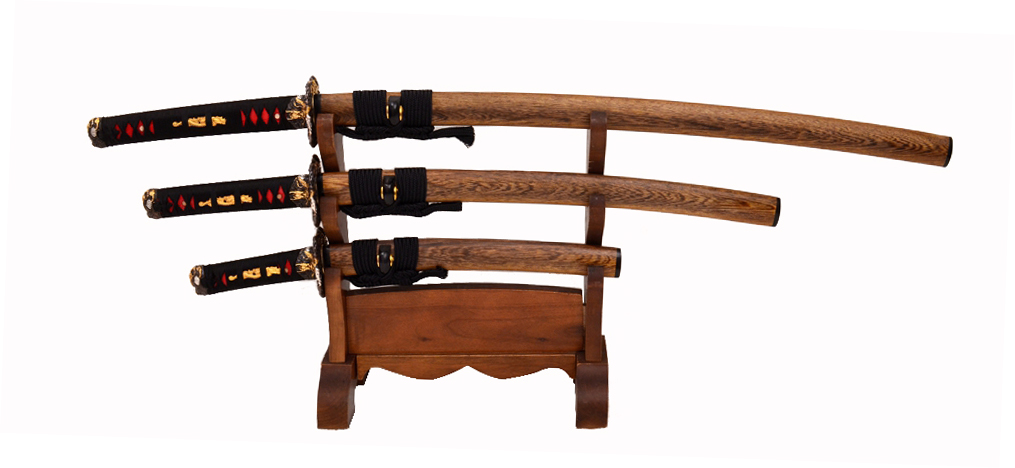
The biggest difference between a katana and wakizashi is their size and historical purpose. While both swords share similar Japanese craftsmanship, they were designed for different roles.
| Feature | Katana | Wakizashi |
| Blade Length | Longer sword blade | Shorter companion blade |
| Historical Role | Primary samurai sword | Secondary sword and indoor weapon |
| Symbolism | Strength and authority | Companionship and personal protection |
| Modern Value | Popular collector sword | Important part of Daisho sets |
Although different in size, the katana and wakizashi complement each other. A properly matched pair shows the harmony between the two traditional Japanese sword forms.
The Artistic Value of Japanese Katana and Wakizashi
A Japanese sword is valued not only because of its historical purpose but also because of its artistic craftsmanship. A high-quality Japanese sword combines the skills of blade forging, polishing, metalwork, and traditional decoration.
The blade itself may feature a beautiful hamon pattern created during the heat treatment process. Sword fittings such as the tsuba, fuchi, kashira, and menuki also contribute to the overall artistic value.
For collectors, a katana or wakizashi represents a combination of history, craftsmanship, and personal appreciation. Each sword has its own appearance and character.
Why Collectors Value Katana and Wakizashi Today
Modern collectors appreciate Katana Wakizashi sets for many reasons. Some are attracted by Japanese history, while others admire the craftsmanship and beauty of handmade swords.
A well-crafted sword can become a meaningful display piece, a cultural collection item, or a personal connection to Japanese tradition.
Today, custom sword makers allow collectors to choose different details, including blade steel, hamon style, saya design, tsuba pattern, and handle wrapping. This customization makes every sword unique.
How to Choose a Katana and Wakizashi Set
When choosing a Daisho sword set, buyers should consider craftsmanship, materials, design, and purpose.
- Blade Steel: High carbon steel is a popular choice for collectors who want a traditional sword appearance and strong construction.
- Matching Design: A good katana and wakizashi set should have consistent fittings, colors, and decorative styles.
- Craftsmanship: Pay attention to blade finishing, hamon quality, handle wrapping, and overall balance.
- Purpose: Decide whether the sword is intended for collection, display, martial arts practice, or cultural appreciation.
Choosing a carefully made sword set allows collectors to enjoy both the beauty and historical meaning behind Japanese sword culture.
Katana and Wakizashi Maintenance Tips
Proper maintenance is essential for preserving the appearance and condition of any Japanese sword. Whether you own a katana, wakizashi, or complete Daisho set, regular care helps protect the blade.
- Keep the blade clean and dry after handling.
- Apply a thin layer of sword oil to prevent rust.
- Store the sword inside the saya in a safe environment.
- Avoid touching the blade surface directly with bare hands.