
10 Common Mistakes When Buying a Katana Sword and How to Avoid Them
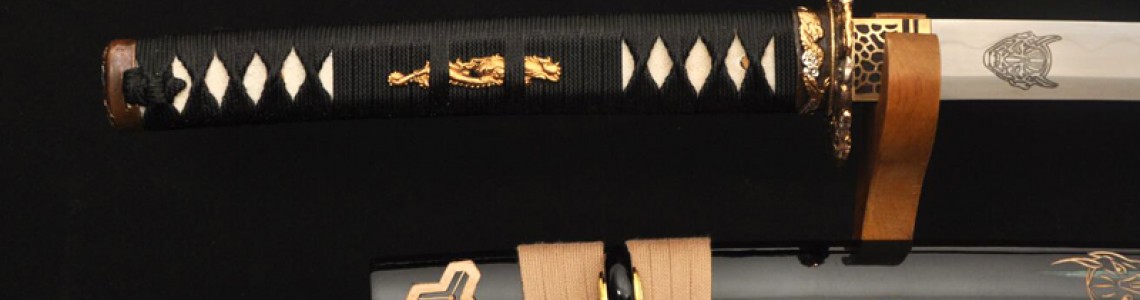
10 Common Mistakes When Buying a Katana Sword and How to Avoid Them
Buying a katana is an exciting experience, especially for first-time buyers who appreciate Japanese sword culture, martial arts, or traditional craftsmanship. However, choosing the wrong sword can lead to disappointment, wasted money, or even safety problems.
Many beginners focus only on appearance and price while overlooking important details such as blade construction, steel type, purpose, and craftsmanship. A beautiful sword is not always a functional sword, and a high price does not always guarantee quality.
This katana buying guide explains the most common mistakes people make when purchasing a Japanese sword and helps you understand what to look for before making your decision.
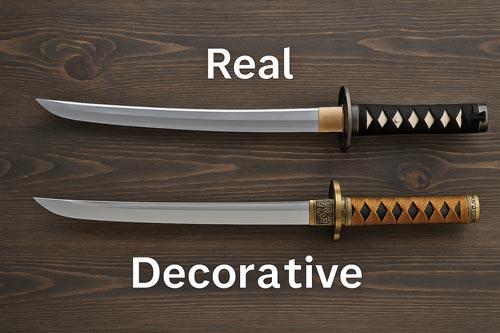
Mistake 1: Buying a Decorative Katana Instead of a Functional Katana
One of the biggest mistakes new buyers make is confusing a decorative sword with a functional katana. Although both may look similar from a distance, their construction and intended purpose are completely different.
Decorative katanas are mainly designed for display, decoration, cosplay, or collection purposes. They may use lower-quality materials and are generally not made to handle practical use.
A functional katana is built with proper blade geometry, suitable steel, heat treatment, and a secure construction. If you plan to practice cutting or martial arts, choosing a functional sword is essential.
Mistake 2: Choosing a Katana Only Based on Appearance
A beautiful design is often what attracts people to Japanese swords. The tsuba, saya, handle wrapping, blade polish, and decorative elements can make a katana visually impressive.
However, appearance should not be the only factor when buying a sword. A katana with attractive fittings but poor blade construction may not provide the quality or performance you expect.
Before purchasing, consider important factors such as:
- Blade steel and heat treatment
- Tang construction and mounting quality
- Blade balance and handling
- Intended purpose of the sword
The best katana combines beauty with proper craftsmanship.
Mistake 3: Ignoring Katana Steel Type
Another common mistake is choosing a sword without understanding the steel used for the blade. Different steel types provide different characteristics, including hardness, flexibility, durability, and maintenance requirements.
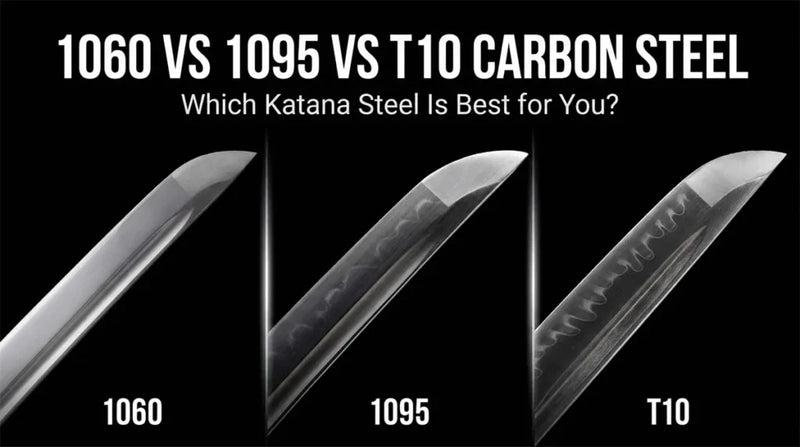
Common katana steels include 1060 carbon steel, 1095 carbon steel, T10 tool steel, and spring steel. Each material has different advantages depending on how the sword is made and treated.
The steel name alone does not determine the quality of a sword. Proper forging, heat treatment, blade geometry, and craftsmanship are equally important.
Mistake 4: Not Understanding the Purpose of Your Katana
Before buying a katana, you should decide why you want one. Different users have different requirements, and the best sword depends on its intended purpose.
- For Display: Focus on craftsmanship, fittings, and visual design.
- For Martial Arts: Consider balance, weight, and handling characteristics.
- For Cutting Practice: Choose a properly constructed functional blade with suitable steel and geometry.
- For Collection: Look for quality materials, traditional designs, and detailed craftsmanship.
Knowing your purpose before buying will help you avoid choosing a sword that does not match your expectations.
Mistake 5: Buying the Cheapest Katana Without Considering Quality
Price is an important factor when purchasing a katana, but choosing only based on the lowest price is a common mistake. Extremely cheap swords often reduce costs by using lower-quality materials, poor fittings, or simplified manufacturing processes.
A quality handmade katana requires skilled craftsmanship, proper steel treatment, careful polishing, and reliable mounting. These details affect the sword's appearance, durability, and overall experience.
Instead of looking for the cheapest option, buyers should look for the best balance between price, materials, craftsmanship, and intended use.
Mistake 6: Ignoring the Blade Tang and Construction Quality
The tang, known as the nakago, is one of the most important structural parts of a katana. It extends inside the handle and connects the blade with the sword mounting.
Some low-quality swords use weak tang designs or poor mounting methods that may affect safety and durability. A properly made katana should have a strong construction where the blade, handle, and fittings work together as one complete sword.
When buying a katana, do not focus only on the visible blade. The hidden construction is equally important.
Mistake 7: Not Checking the Blade Shape and Geometry
A katana's performance depends greatly on its blade geometry. The curve, thickness, edge shape, and overall profile influence how the sword feels and performs.
Different blade styles serve different purposes. Some are designed for faster movement and handling, while others provide more cutting power and stability.
Understanding basic terms such as Shinogi-Zukuri, Bo-Hi, Hamon, and blade curvature can help buyers make a better decision.
Mistake 8: Forgetting About Katana Maintenance
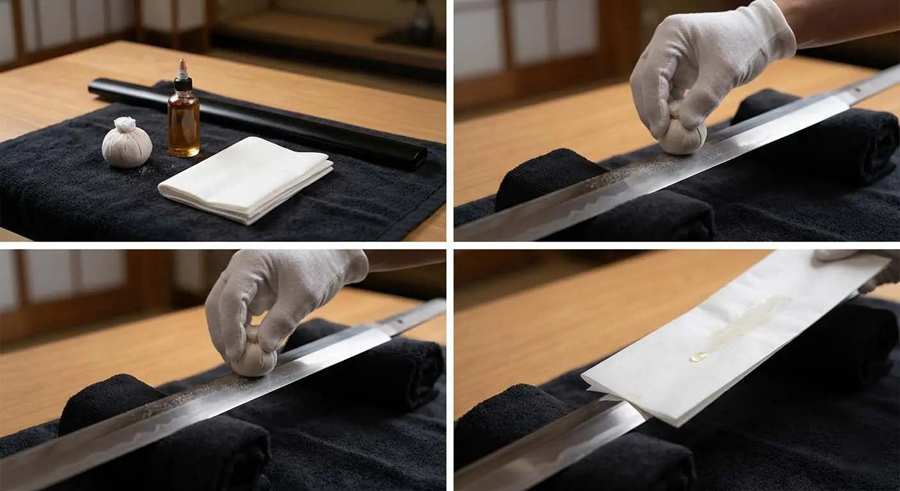
Many new owners forget that a katana requires regular care. A Japanese sword is made from steel and can develop rust if it is not properly maintained.
- Clean fingerprints and moisture from the blade after handling.
- Apply suitable sword oil regularly to protect the steel.
- Store the katana in a dry environment.
- Inspect the fittings and handle regularly.
Proper maintenance protects your investment and keeps your katana looking beautiful for years.
Mistake 9: Buying Without Researching the Sword Maker
The reputation and experience of the sword maker are important factors when buying a katana. Different manufacturers have different levels of craftsmanship, materials, and quality control.
Before purchasing, check the maker's product details, material information, customization options, and customer feedback. A reliable sword maker should provide clear information about the blade and construction process.
Mistake 10: Expecting Every Katana to Be Perfect for Everyone
There is no single katana that is perfect for every person. A collector, martial artist, and beginner may have completely different requirements.
The best katana is the one that matches your purpose, experience level, preferred design, and budget. Taking time to understand your needs before buying will help you make a more satisfying choice.
Frequently Asked Questions About Buying a Katana
What should I look for when buying a katana?
When buying a katana, consider the purpose of the sword, steel type, blade construction, tang quality, balance, craftsmanship, and reputation of the maker. Appearance is important, but quality and construction should come first.
What is the best steel for a katana?
There is no single best katana steel for every situation. Common choices include 1060 carbon steel, 1095 carbon steel, T10 steel, and spring steel. The final quality depends on heat treatment, forging methods, and craftsmanship.
How much should I spend on a quality katana?
The price of a quality katana depends on materials, customization, craftsmanship, and intended use. Buyers should focus on value rather than simply choosing the cheapest or most expensive option.
Can beginners buy a functional katana?
Yes. Beginners can buy a functional katana, but they should first understand the purpose of the sword and choose a design that matches their experience level. A well-balanced sword with reliable construction is usually a better choice than simply selecting the most expensive model.
What is the difference between a decorative katana and a functional katana?
A decorative katana is mainly designed for display and decoration, while a functional katana is built with proper materials, blade structure, and construction quality for practical handling or martial arts use.
Is a handmade katana worth buying?
A handmade katana can provide better attention to detail, customization options, and traditional craftsmanship. The value depends on the quality of materials, forging process, finishing work, and experience of the sword maker.
Should I choose a katana with Bo-Hi or without Bo-Hi?
A katana with Bo-Hi is usually lighter and easier to handle, while a No-Hi katana has a solid blade with a heavier feeling. The better choice depends on your personal preference, training needs, and intended use.
Final Thoughts: How to Avoid Mistakes When Buying a Katana
Buying a katana is more than choosing a beautiful sword. A good Japanese sword represents the combination of traditional design, quality materials, skilled craftsmanship, and proper construction.
The most common mistakes when buying a katana happen when buyers focus only on appearance or price while ignoring important details such as steel type, blade structure, purpose, and maintenance requirements.
Before purchasing a sword, take time to understand what type of katana fits your needs. Whether you are looking for a display piece, a martial arts sword, a cutting sword, or a collectible handmade katana, choosing carefully will help you find a sword that you can appreciate for many years.
A well-chosen katana is not only a weapon but also a representation of Japanese sword culture, craftsmanship, and history.