
How to Make a Shirasaya Sword: Materials, Crafting Process and Care Guide
How to Make a Shirasaya Sword: Materials, Crafting Process and Care Guide
A Shirasaya is one of the simplest and most recognizable styles of Japanese sword mounting. Unlike a traditional Katana with a wrapped handle, tsuba, decorative fittings, and lacquered saya, a Shirasaya has a plain wooden appearance. Its simple design gives the sword a clean and elegant look while also serving an important purpose in Japanese sword storage.
The word Shirasaya (白鞘) is commonly translated as “white scabbard.” A traditional Shirasaya consists primarily of a plain wooden saya and a matching wooden tsuka. It usually has no tsuba or other decorative sword fittings found on a standard Japanese sword mounting.
Historically, Shirasaya mountings were closely associated with the storage and preservation of Japanese sword blades. Today, they are also appreciated by collectors for their natural wood appearance and minimalist style. In this guide, we will look at how a Shirasaya sword is made, what materials are used, how the wooden mounting is crafted, and how a Shirasaya differs from a traditional koshirae.
What Is a Shirasaya?
A Shirasaya is a plain wooden mounting for a Japanese sword. The design is intentionally simple and normally includes a wooden scabbard and a wooden handle shaped to fit the blade and tang.
Compared with a traditional Katana mounting, a Shirasaya does not normally feature a sword guard, handle wrapping, ray skin, decorative menuki, or a lacquered exterior. Instead, the natural beauty of the wood becomes the main visual feature.
The simple construction of a Shirasaya is one of the reasons why it remains popular with Japanese sword collectors. It allows the sword to have a clean and understated appearance while protecting the blade inside a carefully fitted wooden mounting.
Although Shirasaya swords are often described as simple, producing a properly fitted mounting requires careful craftsmanship. The inside of the wooden saya must match the general shape of the blade, while the tsuka must fit the tang correctly.
The Purpose of a Shirasaya Sword
The traditional purpose of a Shirasaya is closely connected with the storage and protection of a Japanese sword blade. A properly made wooden mounting provides a protective enclosure for the blade when it is not being used.
Japanese sword blades can be affected by moisture, dirt, and improper storage conditions. For this reason, the materials used for the wooden mounting are important. Traditionally, carefully selected wood is used because the interior of the saya should protect the blade without introducing unnecessary moisture or substances that may affect the steel.
In addition to its practical purpose, the Shirasaya has a distinctive aesthetic appeal. The natural wood grain and smooth shape create a very different appearance from a highly decorated Katana koshirae.
Today, Shirasaya-style Japanese swords are popular among collectors who prefer a simple and traditional appearance. They are also commonly associated with sword storage and the preservation of Japanese blades.
Materials Used to Make a Shirasaya
Making a Shirasaya sword involves two main parts: the blade and the wooden mounting. The quality and selection of these materials can affect both the appearance and the long-term condition of the finished sword.
Wood for the Shirasaya
Traditionally, Japanese sword Shirasaya are commonly associated with magnolia wood. This type of wood has been valued for sword mountings because it is suitable for carefully shaping into a saya and tsuka and does not normally contain the heavy resin found in some other types of wood.
The wood should be properly prepared before it is carved. A well-made Shirasaya requires stable material that can be shaped accurately and joined securely. The finished mounting should also have a smooth surface and a comfortable overall shape.
Steel for the Blade
The blade used in a Shirasaya sword can be made from different types of steel. Depending on the sword and the intended design, modern handmade Japanese swords may use high-carbon steels such as 1095 steel or T10 steel. Folded steel and Damascus-style patterns may also be selected for swords with a more decorative blade appearance.
The choice of steel depends on the desired balance between appearance, traditional styling, hardness, and other blade characteristics. The Shirasaya itself does not determine the steel type. Instead, the blade and the wooden mounting are produced as separate parts that must fit together correctly.
How to Make a Shirasaya Saya
The saya is the wooden scabbard of the Shirasaya. Although it has a simple appearance, making a properly fitted Shirasaya saya requires careful measuring, carving, and shaping.
The saya must be designed specifically for the blade. A loose fit may allow the sword to move inside the scabbard, while an excessively tight fit may make the blade difficult to remove or place unnecessary pressure on the blade.
Preparing the Wood
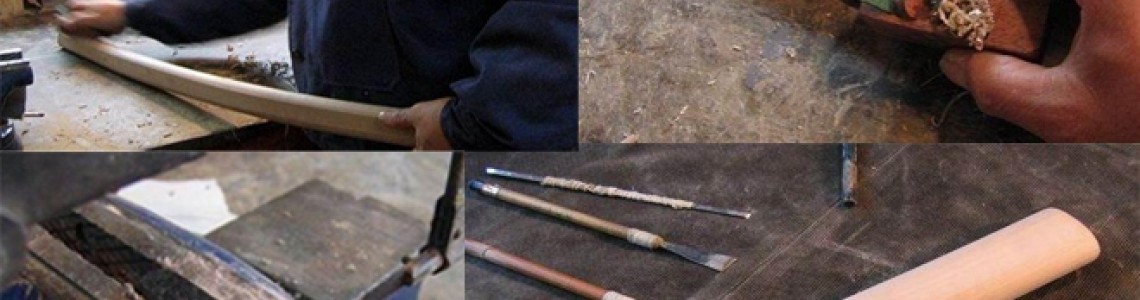
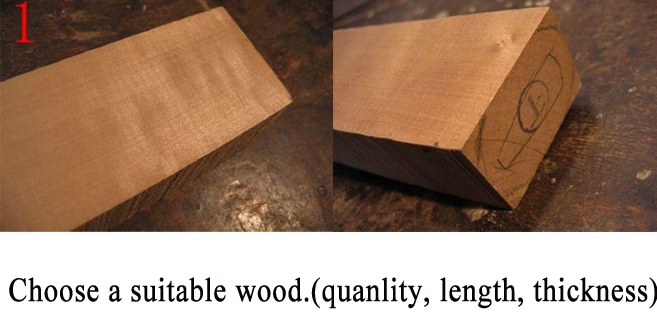
The process begins with properly prepared wood. The wood is selected and cut into pieces that can later be shaped into the two halves of the saya.
The surface of each piece is prepared carefully before the interior channel is carved. Accurate measurements are important because the finished saya must match the shape and dimensions of the individual blade.
Carving the Interior of the Saya
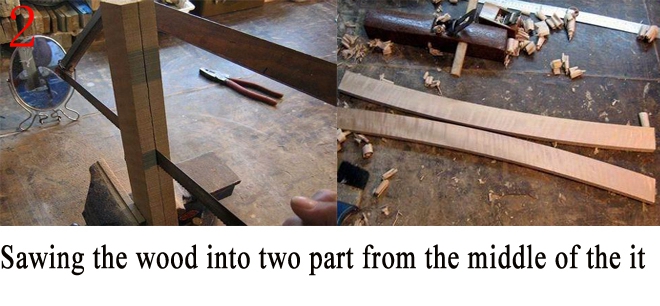
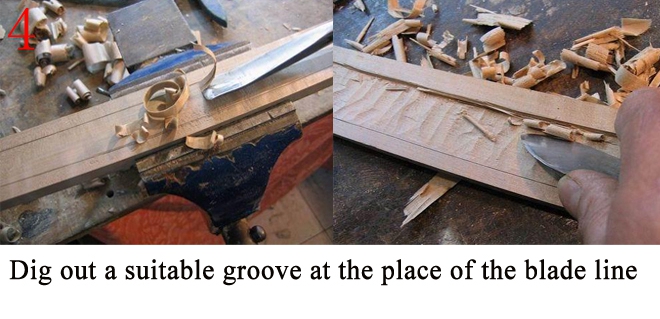
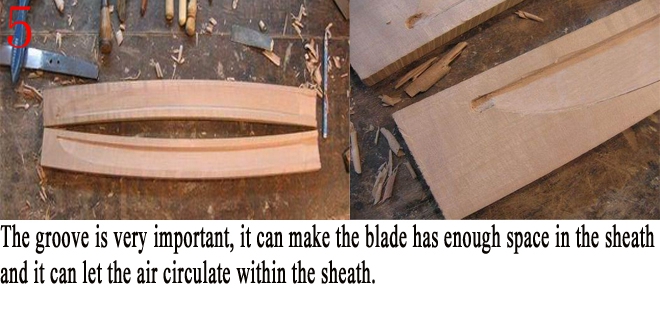
The interior of the saya is carefully carved to create a space for the blade. Traditionally, the saya is made from two wooden halves. The interior of each half is shaped before the pieces are joined together.
The interior channel should follow the general profile of the blade. Careful fitting is essential because the blade should be properly supported without unnecessary pressure against the cutting edge.
This stage requires patience and precision. The craftsman may repeatedly check the fit and make small adjustments to ensure that the blade can be inserted and removed smoothly.
Joining the Two Wooden Halves
After the interior has been shaped, the two wooden halves are carefully joined together. The connection must be secure while maintaining the correct alignment of the interior channel.
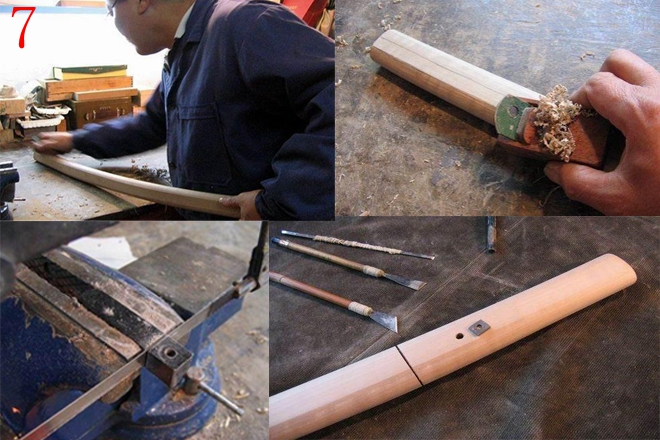
Once the pieces are joined, the outside of the saya can be shaped. Excess wood is gradually removed until the scabbard develops the smooth and simple profile associated with a traditional Shirasaya.
Shaping and Finishing the Saya
The exterior of the Shirasaya saya is shaped to create a smooth and balanced appearance. Unlike many traditional Katana saya, a Shirasaya usually does not have a highly decorative lacquered finish.
The natural appearance of the wood is one of the defining characteristics of a Shirasaya. The surface is therefore carefully smoothed and finished while preserving the simple and elegant character of the mounting.
How to Make a Shirasaya Tsuka
The tsuka is the handle of the Japanese sword. On a traditional Shirasaya, the tsuka is usually made from plain wood and has a simple shape that matches the wooden saya.
Unlike a standard Katana handle, a Shirasaya tsuka normally does not include ray skin, silk or cotton ito wrapping, menuki, or other decorative fittings. Its appearance is intentionally plain and understated.
Preparing the Wooden Handle
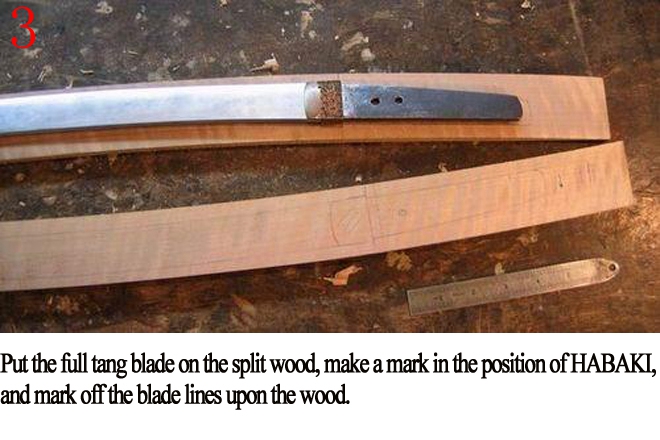
The wooden handle is made to fit the tang, also known as the nakago. Like the saya, the tsuka may be formed from carefully prepared pieces of wood that are shaped to match the individual sword.
The interior of the tsuka must fit the tang correctly. Accurate fitting is important because the handle is an essential part of the sword assembly.
Carving the Tang Channel
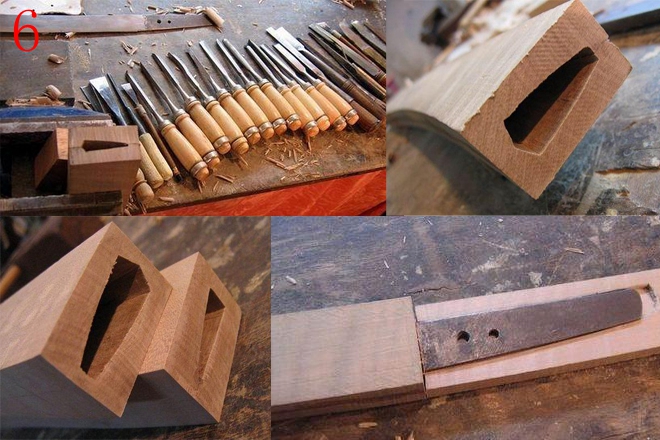
The interior channel of the tsuka is carefully carved to match the shape of the tang. Small adjustments may be required during the fitting process.
The goal is to create a secure and properly aligned fit. The wooden handle should match the tang while maintaining the traditional proportions of the sword.
Shaping the Shirasaya Handle
After the interior has been fitted, the exterior of the tsuka is shaped. The handle is gradually refined to create a comfortable and balanced form.
A Shirasaya handle usually follows the same minimalist design as the saya. The natural wood surface creates a unified appearance, allowing the handle and scabbard to look like matching parts of the same mounting.
Fitting the Blade into the Shirasaya
The final fitting process brings the blade, tsuka, and saya together. Each part of a Shirasaya should be made specifically for the individual blade rather than treated as a universal mounting.
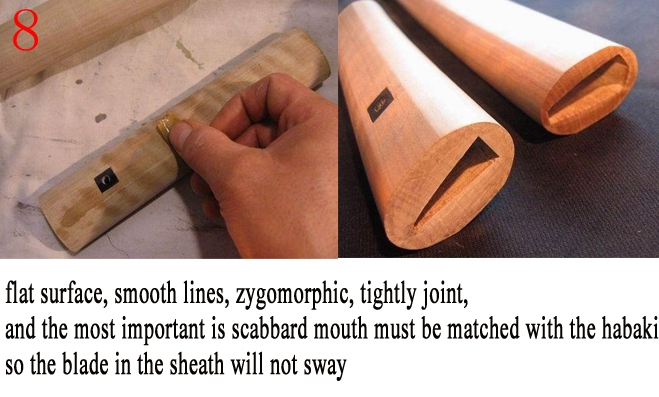
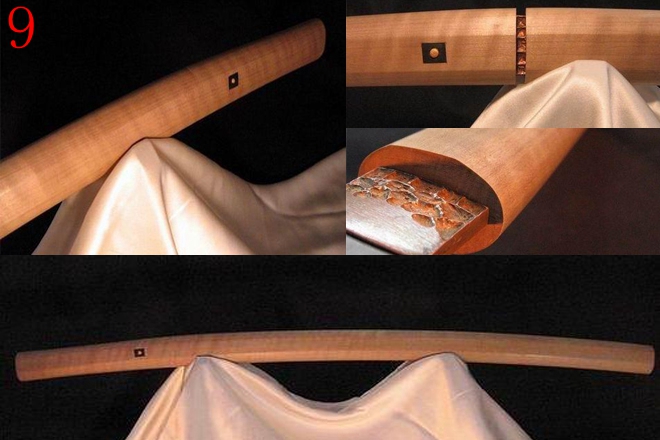
The blade should slide smoothly into the saya, while the tsuka should fit the tang correctly. Proper alignment is important for both the appearance and overall construction of the finished Shirasaya.
After fitting, the mounting is inspected and refined. Small adjustments may be made to improve the fit between the wooden components and the blade.
Shirasaya vs. Koshirae: What Is the Difference?
A Shirasaya and a traditional Koshirae are both types of Japanese sword mountings, but they have very different appearances and purposes. Understanding the difference can help collectors choose the style that best matches their interests.
A Shirasaya has a simple wooden construction. It normally consists of a plain wooden saya and a matching wooden tsuka. The design does not usually include a tsuba, ito wrapping, rayskin, menuki, or other decorative fittings commonly found on a fully mounted Katana.
A Koshirae is the complete exterior mounting of a Japanese sword. Depending on the design, it may include a tsuba, tsuka with rayskin and ito wrapping, menuki, fuchi, kashira, saya, and other sword fittings.
The visual difference between the two styles is easy to recognize. A Shirasaya emphasizes simplicity and the natural appearance of the wood, while a Koshirae can be highly decorative and may reflect different historical styles, artistic themes, and personal preferences.
Shirasaya
A Shirasaya is characterized by its clean and minimalist appearance. The wooden saya and tsuka are designed to match each other, creating a simple and unified look.
Koshirae
A Koshirae includes the decorative and functional fittings used to mount a Japanese sword. It provides a much more detailed appearance and allows for a wide variety of customization options.
Why Choose a Shirasaya Sword?
A Shirasaya sword appeals to collectors for several reasons. Its simple appearance allows the natural beauty of the wood and the shape of the Japanese sword blade to become the main focus.
Some collectors prefer Shirasaya because the design is clean and traditional. Without decorative fittings or handle wrapping, the sword has a minimalist appearance that is very different from a fully mounted Katana.
Shirasaya-style mountings are also closely associated with the storage and preservation of Japanese sword blades. A carefully made wooden mounting provides a protective enclosure for the blade when it is stored properly.
For collectors who appreciate simple Japanese aesthetics, a Shirasaya can be an attractive choice. The smooth wooden surface and understated design give the sword a timeless appearance.
Important Considerations When Making a Shirasaya
Although the exterior of a Shirasaya looks simple, accurate craftsmanship is important. The wooden saya and tsuka must be properly fitted to the individual blade.
The quality of the wood is also important. The material should be suitable for Japanese sword mounting and properly prepared before carving and shaping.
The interior of the saya requires particular attention. It should provide suitable space for the blade while allowing the sword to be inserted and removed smoothly. An improperly fitted saya may affect the overall usability and condition of the mounting.
The tsuka must also fit the tang correctly. Because the handle is part of the complete sword assembly, accurate fitting and proper alignment are essential.
For these reasons, making a properly fitted Shirasaya requires patience and experience. The finished mounting may look simple, but the precision required to produce a clean and well-fitted result should not be underestimated.
How to Care for a Shirasaya Sword
Proper care is important for any Japanese sword. A Shirasaya requires attention not only to the blade but also to the wooden mounting.
Keep the Blade Clean and Protected
The blade should be kept clean and protected from moisture. Fingerprints, dust, and moisture can affect the surface of a steel blade over time.
Regular inspection can help identify early signs of dirt or moisture. Proper sword maintenance should always follow the recommendations appropriate for the specific type of blade and finish.
Store the Shirasaya in a Suitable Environment
The environment where a Japanese sword is stored can affect both the blade and the wooden mounting. Excessive humidity, moisture, or sudden environmental changes should be avoided.
A clean and stable storage environment can help protect the sword and preserve the appearance of the wooden Shirasaya.
Avoid Unnecessary Damage to the Wood
The natural wood surface of a Shirasaya can be damaged by impact, excessive moisture, or improper handling. Care should be taken when placing the sword on display or moving it.
Keeping the surface clean and handling the sword carefully can help maintain the simple appearance of the wooden mounting.
Frequently Asked Questions About Shirasaya Swords
1. What is a Shirasaya?
A Shirasaya is a plain wooden mounting for a Japanese sword. It usually consists of a wooden saya and a matching wooden tsuka, without many of the decorative fittings found on a traditional Katana koshirae.
2. What wood is traditionally used for a Shirasaya?
Traditional Japanese Shirasaya are commonly associated with magnolia wood. The wood is valued for its suitability for Japanese sword mountings and its ability to be carefully shaped into a saya and tsuka.
3. What is the difference between a Shirasaya and a Koshirae?
A Shirasaya has a simple wooden design, while a Koshirae is a complete Japanese sword mounting with fittings such as a tsuba, handle wrapping, rayskin, and other decorative components.
4. Does a Shirasaya have a tsuba?
A traditional Shirasaya normally does not include a tsuba. Its design focuses on a simple wooden saya and tsuka without the decorative fittings commonly found on a fully mounted Katana.
5. Can a Katana blade be mounted in a Shirasaya?
A Japanese sword blade can be fitted with a Shirasaya-style mounting when the saya and tsuka are made specifically for that blade. Proper fitting is important because the dimensions of the mounting must match the individual blade and tang.
6. Is a Shirasaya used for Japanese sword storage?
Shirasaya mountings are historically associated with the storage and preservation of Japanese sword blades. Proper storage conditions and regular blade maintenance remain important for protecting any Japanese sword.
7. Can a Shirasaya be decorative?
Yes. Although traditional Shirasaya are known for their simple appearance, modern Shirasaya-style swords may feature different types of wood, engraving, or other customized details while maintaining the basic minimalist design.
Conclusion
A Shirasaya is one of the simplest and most elegant forms of Japanese sword mounting. Its plain wooden saya and tsuka create a clean appearance that is very different from the highly detailed fittings of a traditional Katana koshirae.
Making a Shirasaya involves more than simply shaping a piece of wood. The blade, saya, and tsuka must be carefully fitted together. Accurate measurements, suitable materials, and careful craftsmanship all contribute to the quality of the finished Japanese sword mounting.
From preparing the blade to carving the wooden saya and fitting the tsuka, each stage plays an important role in the finished result. The simple appearance of a Shirasaya reflects the careful work required to create a clean and properly fitted mounting.
Whether appreciated for Japanese sword storage, traditional craftsmanship, or its minimalist appearance, the Shirasaya remains an important and distinctive part of Japanese sword culture. For collectors who prefer a natural and understated style, a well-made Shirasaya offers a timeless way to display and preserve the beauty of a Japanese sword.