
GYAKU-KOBUSE Steel: Advanced Katana Blade Construction Explained
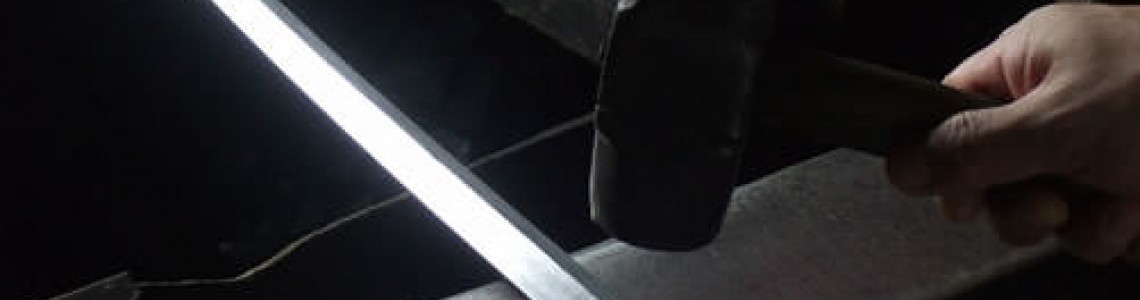
GYAKU-KOBUSE Steel: Understanding This Advanced Japanese Katana Construction Method
When choosing a high-quality Japanese Katana, many collectors focus on the blade shape, polish, fittings, and hamon pattern. However, one of the most important factors that determines a sword’s performance is the internal construction of the blade itself.
GYAKU-KOBUSE steel is a special Japanese sword construction method that combines different types of steel to achieve a balance between hardness, cutting ability, and durability. By combining a hard steel component with a supportive core structure, this method creates a blade that performs well while maintaining traditional Japanese sword characteristics.
Unlike a simple mono-steel blade, a Gyaku-Kobuse Katana uses a layered construction where different steels serve different purposes. This traditional approach reflects the advanced understanding of Japanese swordsmiths and their pursuit of creating blades that are both strong and beautiful.
In this guide, we will explain what GYAKU-KOBUSE steel is, how it differs from traditional Kobuse construction, how the forging process works, and why this method remains popular among modern handmade Katana collectors.
What Is GYAKU-KOBUSE Steel?
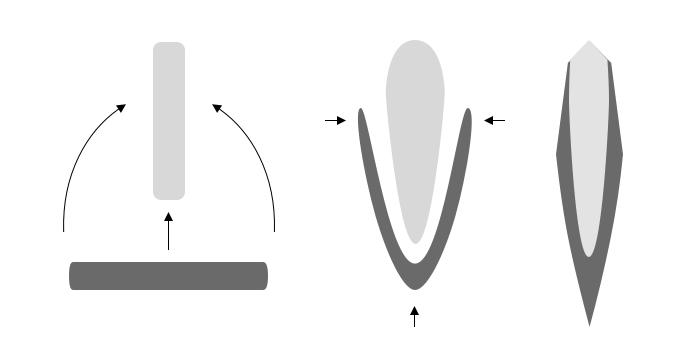
GYAKU-KOBUSE (逆甲伏せ) is a variation of the traditional Kobuse Japanese sword construction method. The word "Gyaku" means "reverse" or "opposite," while "Kobuse" refers to a layered steel structure where one type of steel covers another.
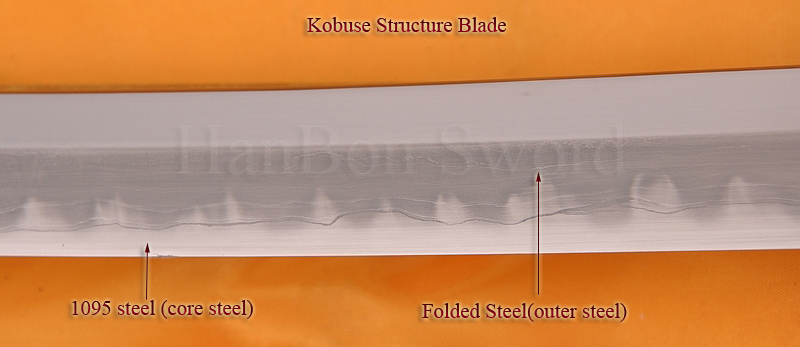
In a traditional Kobuse blade, a softer core steel is wrapped by a harder outer steel jacket. The purpose of this design is to provide a hard cutting edge while allowing the softer inner core to absorb shock and improve toughness.
GYAKU-KOBUSE uses a reversed arrangement. Instead of the traditional softer core surrounded by harder outer steel, the structure is designed with the harder steel placed as the internal core while the outer steel layer provides a different balance of properties.
This unique construction creates a distinctive blade structure that combines traditional Japanese forging knowledge with modern performance requirements.
The Difference Between Kobuse and GYAKU-KOBUSE Steel
Although Kobuse and GYAKU-KOBUSE share a similar layered forging concept, the arrangement of the steel components is different.
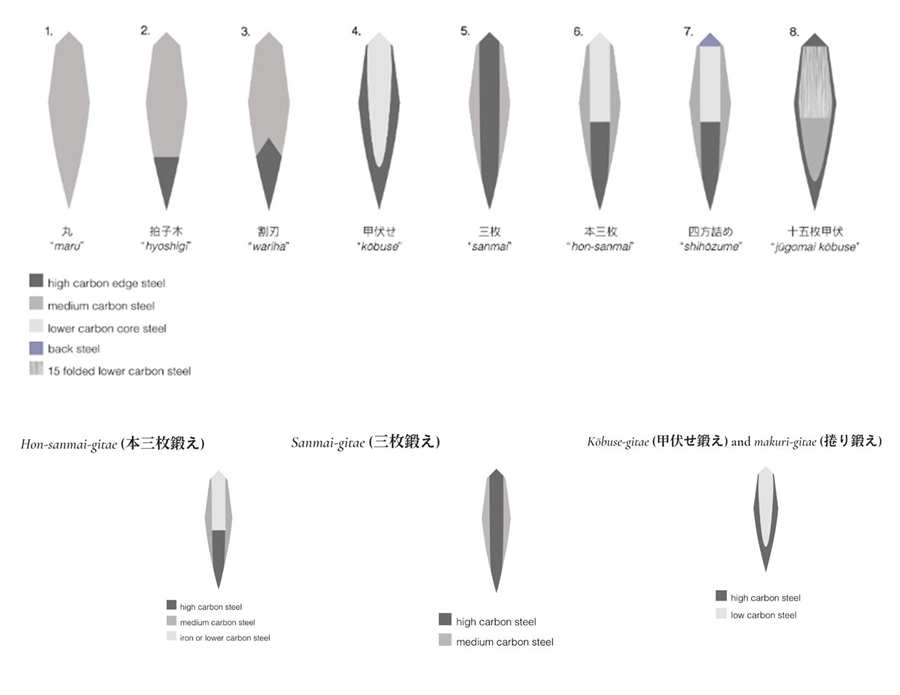
| Feature | Kobuse Steel | GYAKU-KOBUSE Steel |
| Construction | Hard outer steel with softer core | Reverse layered steel arrangement |
| Main Purpose | Balance hardness and flexibility | Enhanced blade structure and performance |
| Blade Type | Traditional Japanese sword construction | Advanced variation of layered Katana construction |
| Popular Use | Historical and modern Katana | High-performance handmade Katana |
How GYAKU-KOBUSE Katana Blade Construction Works
A GYAKU-KOBUSE Katana is created by combining different steel materials before forging them into a complete blade. Each steel layer has a specific role, allowing swordsmiths to control hardness, strength, and flexibility.
The steel components are carefully prepared, heated, welded together, and repeatedly forged. During this process, the structure becomes unified while maintaining the characteristics of each steel type.
The combination of layered steel also creates unique visual features after polishing. The blade may display visible grain patterns (hada) and a distinctive hamon line created during heat treatment.
Traditional Japanese sword construction methods such as Kobuse demonstrate how ancient swordsmiths developed advanced solutions for combining hardness and toughness in a single blade.
The Forging Process of a GYAKU-KOBUSE Katana
Creating a GYAKU-KOBUSE Katana requires advanced forging skills and careful control of different steel materials. Unlike a simple steel blade, this construction method requires the swordsmith to combine multiple steel layers into one balanced structure.
The forging process begins with preparing the different steel components. The swordsmith selects steels with different carbon contents and characteristics, then heats and welds them together at extremely high temperatures.
After the steel layers are combined, the billet is repeatedly forged, folded, and shaped into the basic blade form. This process removes impurities, improves the internal structure, and creates a more refined blade material.
The swordsmith must carefully control every step because the relationship between the different steel layers directly affects the final performance of the Katana blade.
The Role of Different Steel Layers in GYAKU-KOBUSE Construction
One of the biggest advantages of GYAKU-KOBUSE steel is the ability to combine different properties from multiple steel types. Each layer contributes specific characteristics to the finished Japanese sword.
The harder steel component provides excellent edge retention and cutting performance, while the supporting steel layer helps improve toughness and resistance against impact.
This layered structure follows the traditional Japanese sword-making philosophy of creating a blade that is not only sharp but also durable enough for long-term use.
For modern handmade Katana, GYAKU-KOBUSE construction represents a combination of traditional craftsmanship and modern expectations for blade performance.
1095 High Carbon Steel in GYAKU-KOBUSE Katana
Many modern GYAKU-KOBUSE Katana blades use 1095 high carbon steel as one of the main materials because of its excellent hardness and cutting ability.
1095 steel contains a high carbon percentage, allowing the blade to achieve a sharp edge after proper heat treatment. When combined with a layered construction method, it provides a strong foundation for a high-performance Japanese sword.
However, high carbon steel requires proper forging and tempering techniques. Without correct heat treatment, excessive hardness may reduce durability. Skilled sword makers carefully balance hardness and toughness to achieve the desired blade performance.
When used in a GYAKU-KOBUSE Katana, 1095 steel contributes to a powerful cutting edge while maintaining the traditional characteristics expected from a handmade Japanese sword.
Clay Tempering Process and Hamon Formation
Clay tempering is one of the most important steps in traditional Japanese sword making. During this process, a layer of clay is applied to different areas of the blade before heating and quenching.
The clay coating controls how quickly different parts of the blade cool. The cutting edge cools faster and becomes harder, while the spine cools more slowly and remains softer and more flexible.
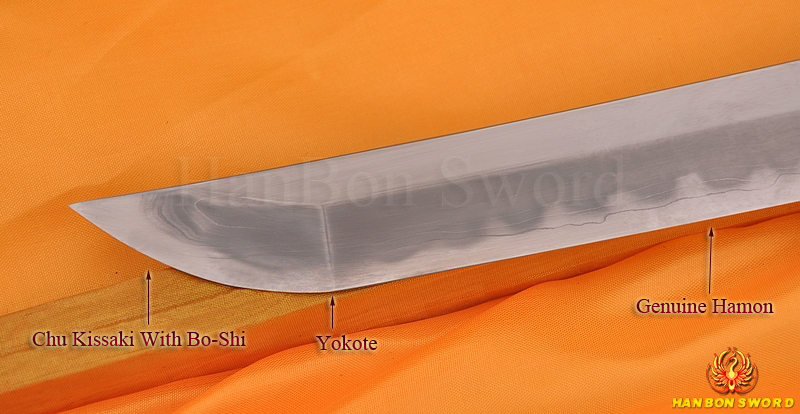
This difference in hardness creates the famous hamon pattern visible on many Japanese swords. The hamon is not only decorative but also represents the successful combination of hardness and flexibility within the blade.
A properly forged GYAKU-KOBUSE Katana with clay tempering can display a beautiful hamon while maintaining excellent structural performance.
Hazuya Polishing and the Beauty of GYAKU-KOBUSE Steel
After forging, heat treatment, and shaping, a Japanese sword requires careful polishing to reveal its final appearance. Traditional polishing methods highlight the blade structure, hamon, and steel texture.
Hazuya polishing is a specialized technique used to bring out details near the hamon area. It enhances the contrast between different parts of the blade and allows collectors to appreciate the craftsmanship behind the sword.
For GYAKU-KOBUSE Katana, professional polishing is especially important because the layered steel construction creates unique visual characteristics that should be properly displayed.
A well-polished blade allows both the technical construction and artistic value of the Japanese sword to be fully appreciated.
Advantages of GYAKU-KOBUSE Steel Katana
GYAKU-KOBUSE steel represents an advanced approach to Japanese sword construction. By combining different steel properties into one blade, this method provides several advantages compared with simple mono-steel Katana.
One of the main advantages is the balance between hardness and toughness. The carefully designed steel structure allows the blade to maintain a sharp cutting edge while reducing the risk of damage during use.
Another benefit is the unique appearance created by layered forging. After polishing, the blade can display beautiful steel patterns, visible grain structure, and a distinctive hamon line that reflects traditional Japanese craftsmanship.
For collectors, a GYAKU-KOBUSE Katana offers more than performance. It represents the knowledge of Japanese swordsmiths who spent centuries developing advanced methods to create functional and artistic blades.
GYAKU-KOBUSE Steel vs Other Katana Blade Constructions
Japanese swords can be made using different construction methods. Understanding the differences helps collectors choose a blade that matches their expectations.
| Blade Construction | Characteristics | Main Advantage |
| GYAKU-KOBUSE Steel | Layered steel construction with reversed Kobuse structure | Balance of hardness, flexibility, and traditional craftsmanship |
| Kobuse Steel | Hard outer steel with softer core | Traditional Japanese sword construction method |
| Damascus Steel | Multiple folded steel layers creating visible patterns | Unique appearance and decorative grain patterns |
| Mono Steel | Single type of steel throughout the blade | Simple structure and reliable performance |
How to Choose a GYAKU-KOBUSE Katana
When selecting a GYAKU-KOBUSE Katana, collectors should consider more than just the steel type. The quality of forging, heat treatment, polishing, and fittings all influence the final sword.
A high-quality handmade Katana should have a strong full tang construction, carefully fitted handle components, a properly shaped blade, and a clear hamon created through correct tempering techniques.
The choice of blade length, curvature, weight, and fittings style should also match the collector’s personal preference. A well-balanced Katana should feel comfortable in the hand while maintaining traditional Japanese sword proportions.
For collectors interested in traditional Japanese sword craftsmanship, a GYAKU-KOBUSE Katana is an excellent choice because it combines historical forging concepts with modern attention to performance and quality.
Frequently Asked Questions About GYAKU-KOBUSE Steel
1. What is GYAKU-KOBUSE steel?
GYAKU-KOBUSE steel is a Japanese sword construction method that uses a reversed Kobuse layered structure. Different steel materials are combined to improve blade performance, durability, and appearance.
2. What is the difference between Kobuse and GYAKU-KOBUSE?
Traditional Kobuse places harder steel around a softer core, while GYAKU-KOBUSE uses a reversed arrangement of steel layers. Both methods aim to combine hardness and toughness.
3. Is GYAKU-KOBUSE Katana stronger than normal Katana?
A properly forged GYAKU-KOBUSE Katana can offer excellent durability and performance because of its layered steel construction. However, the final quality also depends on forging skill, heat treatment, and craftsmanship.
4. Does GYAKU-KOBUSE steel create a visible hamon?
Yes. When combined with clay tempering, a GYAKU-KOBUSE Katana can develop a visible hamon pattern along the hardened cutting edge.
5. Is GYAKU-KOBUSE steel traditional Japanese sword steel?
GYAKU-KOBUSE is based on traditional Japanese sword construction concepts. It represents a variation of classical layered forging methods developed by Japanese swordsmiths.
6. What steel is commonly used in modern GYAKU-KOBUSE Katana?
Modern GYAKU-KOBUSE Katana may use steels such as 1095 high carbon steel and other carefully selected carbon steels depending on the sword maker’s design.
Conclusion: The Craftsmanship Behind GYAKU-KOBUSE Steel
GYAKU-KOBUSE steel demonstrates the advanced knowledge behind Japanese sword making. By combining different steel properties into one blade, this construction method creates a Katana that balances cutting ability, durability, and traditional beauty.
For collectors and Japanese sword enthusiasts, understanding blade construction is an important part of appreciating a handmade Katana. The steel structure, forging method, heat treatment, and polishing all contribute to the final character of the sword.
A GYAKU-KOBUSE Katana is not only a weapon but also a representation of centuries of Japanese craftsmanship and the continuous pursuit of creating the perfect blade.