
Common Sense About Sword Maintenance | How to Maintain a Katana Properly

Sword Maintenance Guide: How to Clean, Oil and Protect Your Sword
A sword is more than just a weapon. It represents craftsmanship, history, and the dedication of the maker. Whether you own a Japanese katana, a handmade sword, or a collectible blade, proper maintenance is essential to preserve its appearance, performance, and long-term value.
Most swords are made from carbon steel and natural materials that require regular care. Exposure to moisture, fingerprints, dust, and improper storage can cause rust, corrosion, and damage over time.
In this complete sword maintenance guide, we will explain how to clean a katana, how to oil a sword blade, how to prevent rust, and how to store your sword correctly.
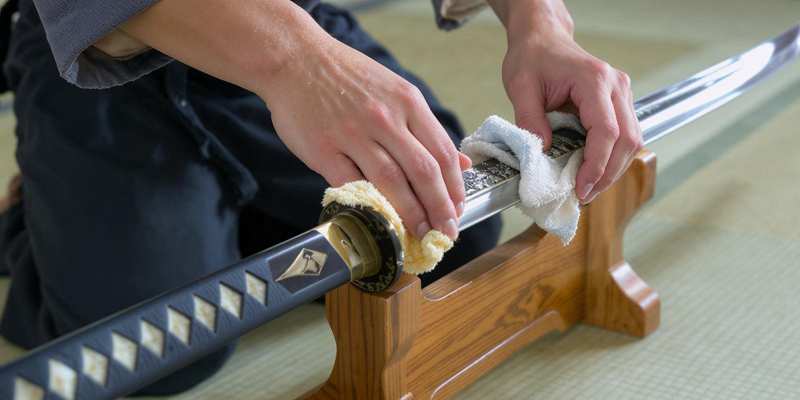
Why Sword Maintenance Is Important
Regular sword maintenance helps protect both the blade and the craftsmanship behind it. A properly cared-for sword can maintain its beauty and function for many years.
The main benefits of proper sword care include:
- Preventing rust and corrosion on carbon steel blades.
- Protecting the polish and surface condition of the blade.
- Maintaining the quality of fittings and wooden components.
- Preserving the collectible and historical value of the sword.
- Keeping the sword safe for handling and display.
Simple maintenance habits performed regularly are much easier than repairing serious damage later.
Basic Rules for Sword Maintenance
Keep Your Sword Away From Moisture
Moisture is the biggest enemy of steel blades. Humidity can accelerate oxidation and create rust spots, especially on high carbon steel swords.
Store your sword in a dry environment and avoid areas with high humidity such as bathrooms, basements, or places with frequent temperature changes.
Avoid Touching the Blade With Bare Hands
Fingerprints contain natural oils and moisture that can damage a steel blade. Always handle the sword carefully and remove fingerprints immediately after touching the blade.
Inspect Your Sword Regularly
Even decorative swords require regular inspection. Check the blade, fittings, and scabbard for signs of rust, moisture, or loose components.
How to Clean a Katana or Sword Blade
Learning how to clean a katana correctly is one of the most important parts of Japanese sword care. Cleaning should always be gentle because the polished surface of a sword can be easily damaged by improper methods.
Prepare Cleaning Materials
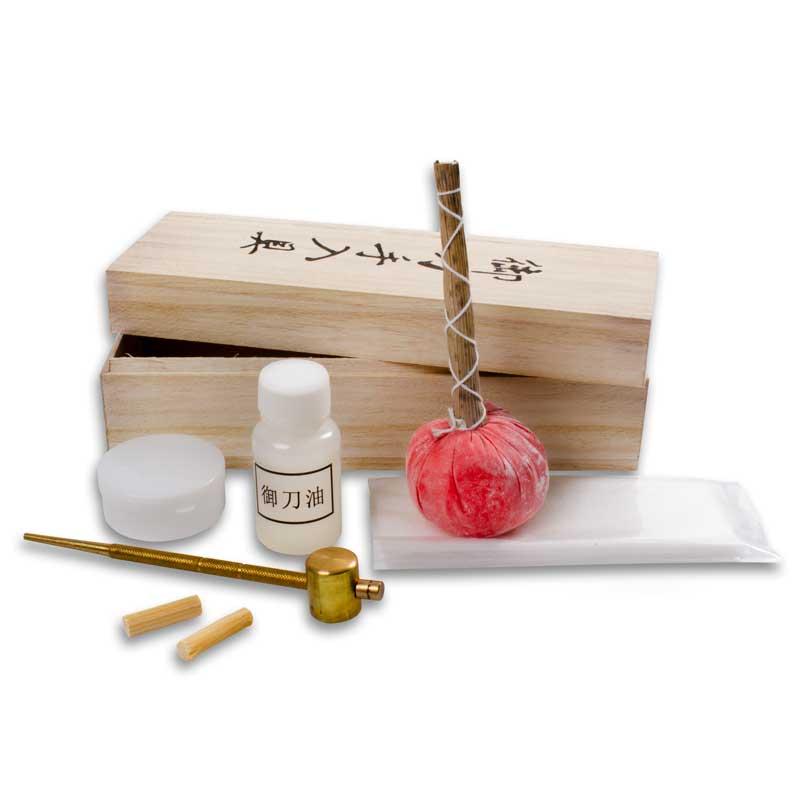
Before cleaning your sword, prepare the following items:
- A soft microfiber cloth or cotton cloth.
- Quality sword oil or mineral oil.
- A clean working area.
- A traditional sword cleaning kit if available.
Remove Dust and Fingerprints
Use a soft cloth to gently wipe the blade. Always move carefully along the length of the blade and avoid unnecessary pressure.
Do not use abrasive materials such as rough paper, brushes, or household cleaners because they may scratch the blade surface.
Check the Blade Condition
After cleaning, carefully inspect the blade for rust, stains, or unusual marks. Small surface problems should be treated early before they become more serious.
How to Oil a Sword Blade and Prevent Rust
Sword oiling is one of the most effective ways to prevent sword rust. A thin protective oil layer creates a barrier between the steel blade and moisture in the air.
Choose the Right Sword Oil
Traditional Japanese sword owners often use choji oil, while many modern collectors use high-quality mineral oil. Both can provide good protection when applied correctly.
Avoid using cooking oils because they can become sticky, attract dust, and may damage the sword over time.
Apply a Thin Protective Layer
Apply a small amount of oil to a clean cloth and spread a very thin layer across the entire blade surface.
The blade should have a light protective coating rather than a thick layer of oil. Excess oil can collect dust and create problems inside the saya.
Proper Sword Storage Methods
Proper storage plays an important role in long-term sword maintenance. Even a well-cleaned and oiled blade can develop problems if it is stored in an unsuitable environment.
The purpose of proper sword storage is to protect the blade from moisture, dust, temperature changes, and accidental damage.
Store Your Sword in a Dry Environment
Humidity is one of the main causes of sword rust. Avoid storing your sword in damp locations such as bathrooms, garages, basements, or areas with poor ventilation.
A stable indoor environment with moderate humidity is ideal for protecting carbon steel swords.
Keep Your Sword Protected Inside the Saya
For Japanese swords such as katana, the saya provides protection from dust and accidental contact. However, the inside of the saya should remain clean and dry.
Regularly inspect both the blade and saya to ensure moisture has not created conditions for rust development.
Avoid Direct Sunlight and Extreme Temperatures
Long-term exposure to sunlight can affect wooden components, lacquer finishes, and decorative fittings. Sudden temperature changes may also impact natural materials.
A cool, dry, and shaded location is the best choice for displaying or storing your sword collection.
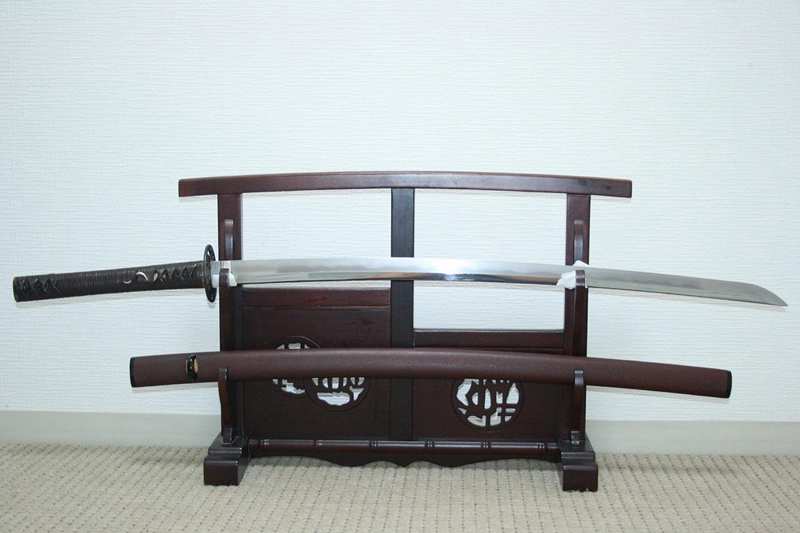
How Often Should You Maintain a Sword?
The frequency of sword maintenance depends on how often the sword is handled, the environment, and the type of blade material.
- Display swords: Inspect and oil the blade every 1–3 months.
- Functional carbon steel swords: Perform maintenance more frequently, especially in humid areas.
- Swords used for cutting practice: Clean and oil the blade immediately after use.
- Frequently handled swords: Remove fingerprints and check the oil layer regularly.
Regular inspection is more important than following a fixed schedule. Early attention can prevent small issues from becoming permanent damage.
Common Sword Maintenance Mistakes to Avoid
Many sword owners accidentally damage their blades by using incorrect cleaning methods or unsuitable products. Avoiding these mistakes helps protect the quality and appearance of your sword.
Using Too Much Oil
More oil does not always mean better protection. A thick oil layer can attract dust and may create problems inside the scabbard.
The correct method is applying a thin and even protective coating.
Using Abrasive Cleaning Materials
Never use sandpaper, rough brushes, or aggressive chemical cleaners on a sword blade.
Improper cleaning methods can damage the polished surface and remove important blade details such as the hamon.
Leaving Fingerprints on the Blade
Fingerprints contain moisture and natural oils that can accelerate corrosion. Always clean the blade after handling.
Ignoring Small Rust Spots
Small rust marks can become serious corrosion if ignored. Early maintenance is much easier than repairing deep rust damage.
A Simple Sword Maintenance Routine
Sword care does not need to be complicated. A simple routine can keep your blade protected for years.
- Before handling: Prepare a clean workspace and inspect the sword.
- After handling: Remove fingerprints and dust from the blade.
- Regular maintenance: Apply a thin layer of protective sword oil.
- Every few months: Check the blade, fittings, and saya condition.
- Long-term storage: Keep the sword in a dry and stable environment.
Consistent care is the best way to preserve the beauty, craftsmanship, and value of your sword.
Frequently Asked Questions About Sword Maintenance
How often should I oil my katana?
Most carbon steel katana should be checked and lightly oiled every one to three months. Swords stored in humid environments or handled frequently may require more frequent maintenance.
What oil should I use for sword maintenance?
Choji oil is traditionally used for Japanese swords, while many collectors also use high-quality mineral oil. The key is choosing an oil that protects the blade without leaving harmful residue.
Can I clean my sword with water?
Water is not recommended for regular sword cleaning because moisture can cause rust. If your sword becomes wet, dry it completely and apply protective oil immediately.
How can I prevent sword rust?
To prevent sword rust, keep the blade clean, avoid touching it with bare hands, apply a thin oil coating, and store the sword in a dry environment.
Can I polish or sharpen my katana myself?
Traditional sword polishing requires professional knowledge and specialized skills. Incorrect polishing can permanently damage the blade shape and finish.
Why does my sword rust even after applying oil?
Rust may still appear if fingerprints remain on the blade, the sword was stored in a humid environment, or the oil layer was insufficient.
Should I remove my sword from the saya during storage?
A sword can remain inside the saya during storage, but regular inspection is recommended to make sure moisture or corrosion has not developed.
Final Thoughts: Protect Your Sword Through Proper Maintenance
A sword represents craftsmanship, tradition, and years of skill. Proper maintenance allows you to preserve not only the physical condition of the blade but also the story and value behind it.
With regular cleaning, correct sword oiling, and proper storage, your katana or handmade sword can remain beautiful for many years.
Whether you are a collector, martial artist, or sword enthusiast, developing good sword maintenance habits is the best way to protect your investment and enjoy your blade for generations.