
Can Swords Cut Each Other? Katana vs Katana Reality Explained

Can Swords Cut Each Other? The Truth About Katana vs Katana Blade Contact
Movies, anime, and video games often show swords cutting through each other in dramatic battles. A katana strikes another sword, the opponent’s blade breaks in half, and the fight continues without damage. But can swords really cut each other in real life?
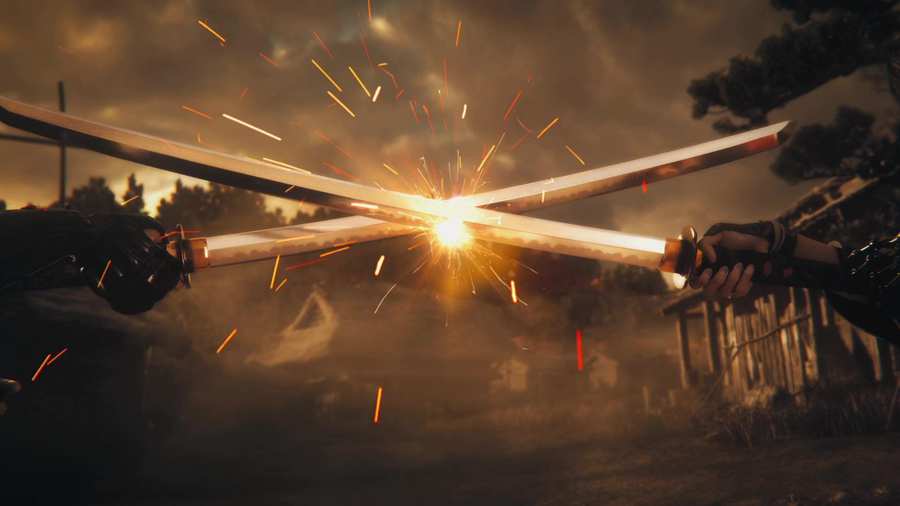
The short answer is: no, a sword cannot normally slice through another sword like a piece of wood. When two hardened steel blades collide, the result is usually chips, cracks, dents, or damage to both weapons.
Understanding what happens when swords hit each other requires looking at blade steel, hardness, edge geometry, and traditional Japanese sword fighting techniques.
Can a Katana Cut Through Another Sword?
A katana is famous for its sharp edge and excellent cutting ability, but it was not designed to cut through other swords. The edge of a high-quality Japanese sword is extremely hard and carefully shaped for cutting softer targets such as flesh, bamboo, and tatami targets.
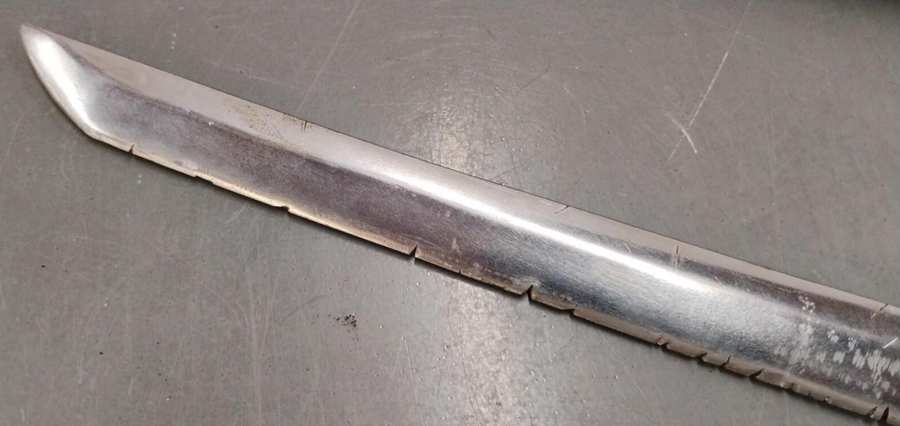
When a katana hits another sword edge-to-edge, both blades are made from steel. Instead of one sword cleanly cutting through the other, the impact creates enormous stress on the cutting edges.
Possible results include:
- Small chips along the blade edge
- Visible dents or scratches
- Cracks caused by excessive impact
- Permanent damage requiring professional repair
This is why experienced swordsmen traditionally avoided direct edge-to-edge blocking.
Why Can't One Sword Easily Cut Another Sword?
The main reason is simple: steel is difficult to cut with another piece of steel.
A katana's cutting performance comes from its combination of:
- A very sharp edge
- Differential heat treatment
- A curved blade design
- Proper cutting technique
These features make a katana highly effective against suitable targets. However, another sword has similar hardness and strength, meaning the blade edge meets an equally resistant material.
Instead of cutting, the two edges compete against each other and suffer damage.
What Happens When Two Sword Blades Hit Each Other?
The damage depends on several factors:
1. Blade Hardness
A harder blade edge can hold sharpness better, but excessive hardness also makes the edge more vulnerable to breaking when hitting another hard object.
2. Impact Angle
A clean edge-to-edge collision creates the highest risk of damage. Traditional sword techniques often focused on redirecting attacks rather than stopping them with the cutting edge.
3. Sword Quality
A properly forged katana made from quality carbon steel can withstand normal use, but even the best sword is not designed for repeated contact with another blade.
Did Samurai Swords Break Other Swords in Battle?
Historical sword fighting was very different from movie scenes. Samurai did not usually try to destroy an opponent's sword by striking directly against the blade.
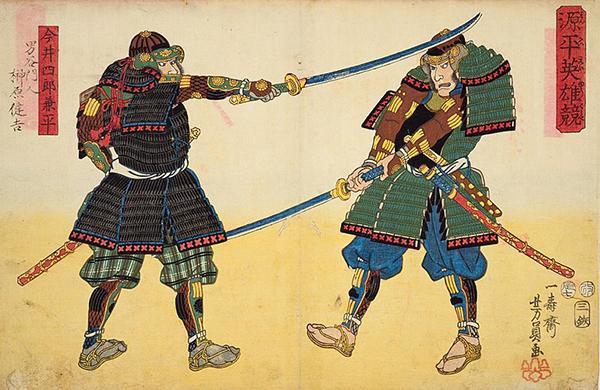
Japanese swordsmanship focused on:
- Timing
- Footwork
- Controlling distance
- Attacking openings
- Redirecting enemy attacks
A skilled swordsman understood that damaging the opponent's weapon was possible, but sacrificing his own blade in the process was rarely a good strategy.
Can a Katana Cut Through Steel?
A common misunderstanding is that because a katana is extremely sharp, it can cut through all types of metal. This is not true.
A katana may damage softer metals under specific conditions, but hardened steel objects, armor plates, and other sword blades are completely different.
The purpose of a katana was not to cut metal. Its strength came from efficient cutting ability against appropriate targets, combined with excellent balance and craftsmanship.
Can Two Katanas Destroy Each Other?
Yes, two katanas can damage each other, but not in the way shown in movies.
Repeated katana-to-katana contact may cause:
- Edge deformation
- Small blade chips
- Loss of sharpness
- Structural damage over time
This is why collectors and practitioners carefully maintain their swords and avoid unnecessary blade impact.
How Should a Katana Be Used?
A real katana should be treated as a precision cutting weapon and a piece of traditional craftsmanship.
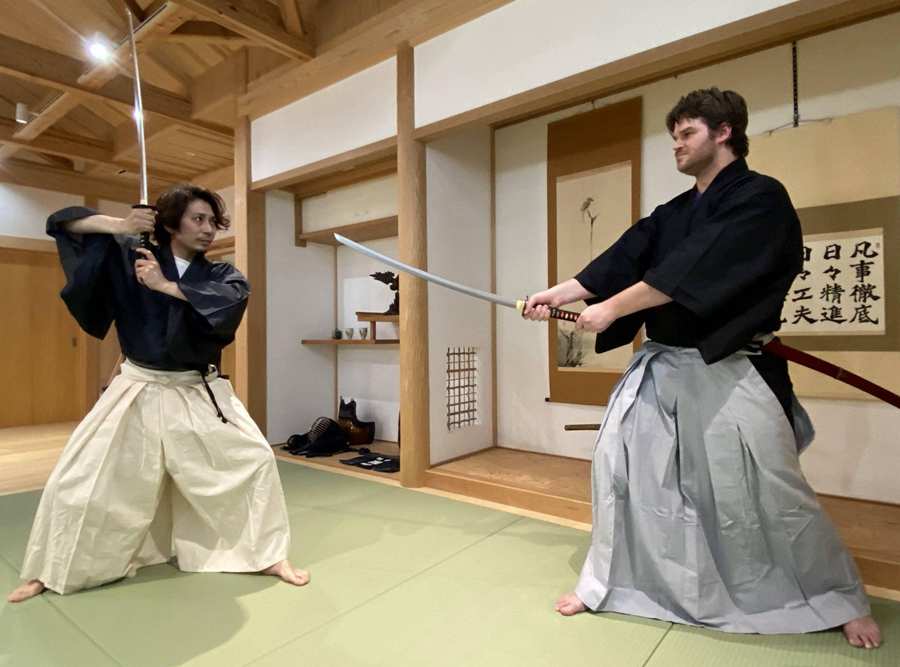
For modern cutting practice, suitable targets include:
- Tatami cutting targets
- Water bottles
- Properly prepared bamboo
Hard objects such as rocks, metal, and other swords should never be used as cutting targets.
Frequently Asked Questions About Sword vs Sword Cutting
Can a katana cut another katana in half?
No. A katana cannot normally slice through another katana blade. The impact would more likely damage both swords through chips, cracks, or dents.
Can swords break other swords?
A sword can damage another sword, especially with strong impact or poor-quality blades, but cleanly cutting another sword is extremely unlikely.
Why do movies show swords cutting through each other?
Movies exaggerate sword abilities for entertainment. Real sword combat depended on technique, timing, and positioning rather than destroying another blade.
Is a sharper sword stronger?
Sharpness improves cutting performance, but strength depends on steel quality, heat treatment, blade geometry, and construction. A sharper edge does not mean a sword can cut through everything.
Can a real katana survive hitting another sword?
A quality katana can survive accidental contact, but repeated blade-to-blade impacts will eventually damage the edge and reduce performance.
Final Thoughts: Swords Are Made to Cut Targets, Not Other Swords
The idea of one sword slicing through another is one of the most popular myths in sword culture. In reality, even the finest katana is a carefully engineered cutting tool, not a metal-cutting machine.
A well-made Japanese sword performs best when used for its intended purpose: controlled cutting, martial practice, and appreciation of traditional craftsmanship.
Respecting the limitations of a sword is part of understanding the true beauty and engineering behind these legendary blades.