
Bo-Hi vs No-Hi Katana: Which Japanese Sword Blade Is Better?

Bo-Hi vs No-Hi Katana: Understanding Japanese Sword Blade Differences
When choosing a Japanese katana, many collectors and martial arts practitioners face an important question: should you choose a Bo-Hi katana with a blade groove, or a No-Hi katana without a groove?
The difference between Bo-Hi and No-Hi is not only about appearance. The design of the blade affects its weight, balance, handling feel, sound, and overall character. Understanding these differences can help buyers choose a Japanese sword that matches their purpose and preferences.
A well-made katana can perform beautifully with either design. The choice between a katana with Bo-Hi and a solid No-Hi blade depends on whether you value lighter handling, traditional appearance, cutting performance, or collecting purposes.
What Is Bo-Hi on a Katana?
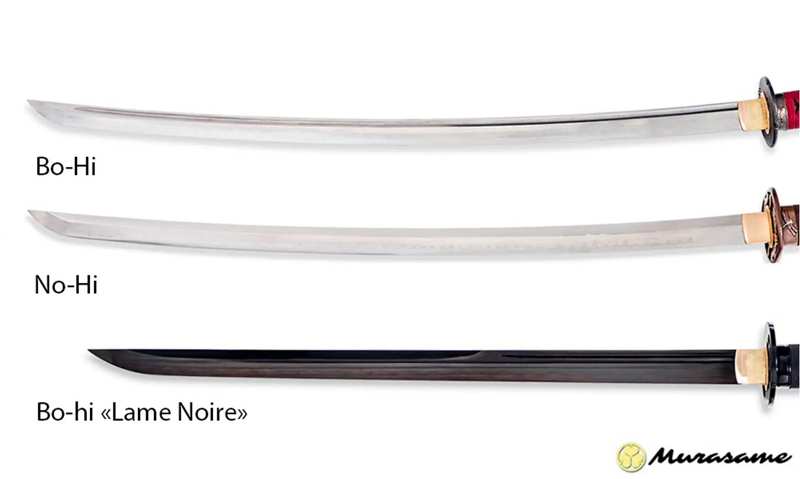
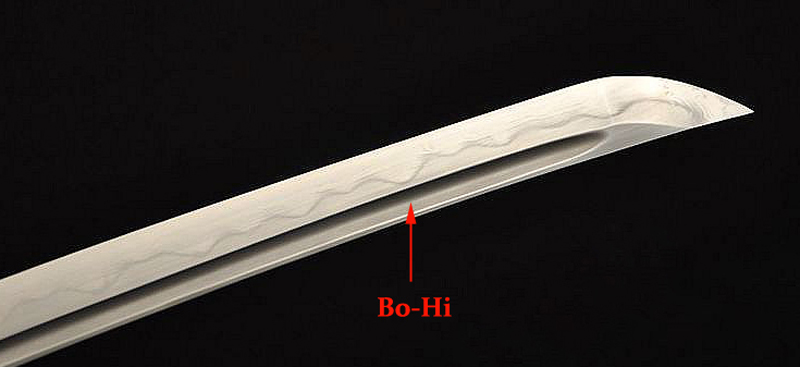
Bo-Hi (棒樋) is a long groove carved into the blade of a Japanese sword. In Western sword terminology, it is often called a fuller. Although many people call it a "blood groove," this description is inaccurate. The main purpose of Bo-Hi is related to blade weight reduction, balance, handling, and aesthetics.
The groove is usually placed along the shinogi-ji area of a traditional katana blade. Skilled sword makers carefully control the depth and position of the groove because removing too much material can affect the structure and appearance of the sword.
A properly designed Bo-Hi katana can maintain excellent strength while offering a lighter and more responsive feeling in the hand.
What Is a No-Hi Katana?
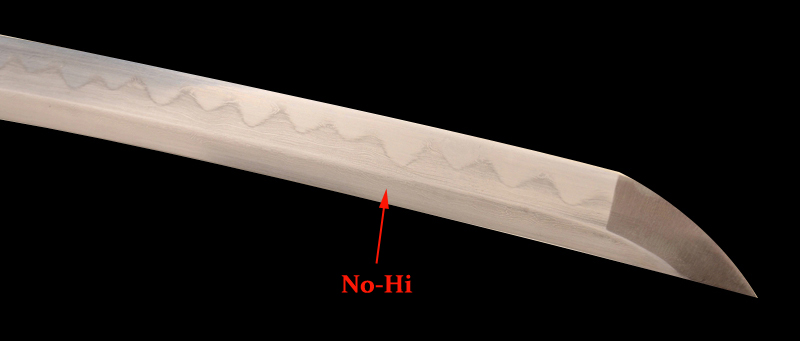
A No-Hi katana is a Japanese sword blade without a carved groove. The blade keeps its full steel structure, creating a heavier and more solid feeling compared with a similar sword that has Bo-Hi.
Because no material is removed from the blade, No-Hi swords generally have more blade mass and a more forward balance point. This can provide stronger cutting momentum and a traditional heavy sword feeling.
Many collectors appreciate No-Hi katana because the uninterrupted blade surface highlights the shape of the steel, hamon pattern, and overall craftsmanship.
Bo-Hi vs No-Hi Katana: Main Differences
| Feature | Bo-Hi Katana | No-Hi Katana |
| Blade Design | Contains a carved groove | Solid blade without groove |
| Weight | Usually lighter | Usually heavier |
| Balance | Balance moves closer to the handle | More forward-balanced |
| Handling | Faster and more agile | More powerful and solid feeling |
| Sound | Can produce tachikaze sound | Usually quieter during swings |
Neither blade style is automatically better. A quality katana depends on many factors, including steel, heat treatment, blade geometry, craftsmanship, and intended use.
Advantages of a Bo-Hi Katana
1. Lighter Weight and Faster Handling
One of the biggest advantages of a Bo-Hi blade is reduced weight. By removing a controlled amount of steel from the blade, sword makers can create a katana that feels lighter and easier to move.
This makes Bo-Hi katana popular among Iaido practitioners and collectors who prefer a more responsive sword. The blade can feel quicker during drawing movements and directional changes.
2. Better Feedback During Practice
A properly performed cut with a Bo-Hi katana can create a distinctive wind sound known as tachikaze. This sound is caused by air movement around the groove and provides feedback about cutting technique.
For martial artists, this acoustic feedback can help improve awareness of blade movement and cutting form.
Advantages of a No-Hi Katana
1. Stronger Blade Presence and Traditional Appearance
A No-Hi katana keeps the complete surface of the blade, creating a stronger visual presence. Many collectors appreciate the clean and uninterrupted steel surface because it allows the hamon, blade shape, and polishing work to stand out more clearly.
For enthusiasts who admire traditional Japanese sword aesthetics, a solid blade often provides the classic appearance associated with historical samurai swords.
2. More Cutting Mass and Powerful Feeling
Because a No-Hi blade retains more steel, it generally has greater mass compared with a similar Bo-Hi sword. This additional weight can create a more powerful cutting feeling when the sword is properly used.
Some practitioners prefer the solid feeling of a No-Hi katana because it provides a stronger sense of stability and traditional sword weight.
Does Bo-Hi Make a Katana Weaker?
A common question among buyers is whether a katana with Bo-Hi is weaker than a No-Hi blade. The answer depends on the quality of the sword construction and the design of the groove.
A properly made Bo-Hi katana can maintain excellent structural strength. Traditional sword makers carefully control the depth, width, and position of the groove to avoid unnecessary weakening of the blade.
However, removing steel does change the characteristics of the blade. A Bo-Hi sword is usually lighter and more agile, while a No-Hi sword generally feels heavier and more solid.
Which Katana Is Better for Cutting?
The answer depends on the user's experience, cutting style, and personal preference. Both Bo-Hi and No-Hi katana can perform well when made with quality materials and proper blade geometry.
A Bo-Hi katana may feel faster and easier to control, especially during repeated movements or martial arts practice. A No-Hi katana may provide stronger cutting momentum because of its additional blade mass.
For actual cutting ability, factors such as steel quality, heat treatment, edge geometry, blade sharpness, and user technique are usually more important than whether the sword has a groove.
Which Katana Should You Choose?
Choosing between a Bo-Hi katana and No-Hi katana depends on your personal goals.
- Choose a Bo-Hi Katana if: You prefer a lighter sword, faster handling, Iaido practice, or a blade with a distinctive groove design.
- Choose a No-Hi Katana if: You prefer traditional appearance, a heavier blade feeling, and a solid sword profile.
- Choose based on craftsmanship: A well-made sword with proper balance and construction is more important than the presence or absence of a groove.
For collectors, many enthusiasts eventually appreciate both styles because each represents a different approach to Japanese sword design.
How to Maintain Bo-Hi and No-Hi Katana Blades
Both Bo-Hi and No-Hi Japanese swords require proper maintenance to preserve their appearance and prevent rust.
- Clean the blade regularly with a soft cloth.
- Apply a thin layer of sword oil to protect the steel surface.
- Pay special attention to cleaning the groove area on Bo-Hi blades.
- Store the katana properly inside the saya in a dry environment.
- Avoid touching the blade directly with bare hands.
Proper care ensures that both Bo-Hi and No-Hi katana can maintain their beauty and craftsmanship for many years.
Frequently Asked Questions About Bo-Hi vs No-Hi Katana
What is the difference between Bo-Hi and No-Hi katana?
The main difference is that a Bo-Hi katana has a carved groove along the blade, while a No-Hi katana has a solid blade without grooves. This affects weight, balance, handling, and appearance.
Is a Bo-Hi katana better than a No-Hi katana?
Neither style is universally better. A Bo-Hi katana offers lighter handling, while a No-Hi katana provides a heavier and more traditional blade feeling. The best choice depends on personal preference and intended use.
Does Bo-Hi improve katana cutting performance?
Bo-Hi can improve handling and reduce weight, but cutting performance depends more on blade geometry, sharpness, steel quality, heat treatment, and user technique.
Why do some samurai swords have no groove?
Some Japanese swords were made without grooves because a solid blade provides a different balance, appearance, and traditional style. Many collectors appreciate No-Hi blades for their clean and powerful design.
Can beginners use a Bo-Hi katana?
Yes, beginners can use a Bo-Hi katana, especially for Iaido or sword handling practice. The lighter weight can make basic movements easier to learn. However, beginners should focus on proper technique and safety rather than choosing a sword only based on blade design.
Is a No-Hi katana better for collectors?
Many collectors appreciate No-Hi katana because the uninterrupted blade surface allows the hamon, polish, and traditional sword shape to become the main focus. However, high-quality Bo-Hi katana are also valuable because of their craftsmanship and unique blade design.
What is the purpose of the groove on a katana blade?
The groove on a katana blade, known as Bo-Hi, helps reduce weight, adjust balance, improve handling, and add visual beauty. It is a traditional design feature rather than simply a decorative element.
Do all Japanese swords have Bo-Hi?
No. Many Japanese swords were made with different blade styles, including both Bo-Hi and No-Hi designs. The choice depended on the sword maker, historical period, purpose, and personal preference.
Final Thoughts: Choosing Between Bo-Hi and No-Hi Katana
The difference between a Bo-Hi katana and No-Hi katana represents two different approaches to Japanese sword design. One focuses on lighter handling and dynamic movement, while the other emphasizes traditional weight, strength, and a clean blade appearance.
A katana with Bo-Hi offers advantages for those who prefer a faster, more responsive sword with a distinctive groove design. A No-Hi katana provides a classic appearance and a more solid feeling that many collectors admire.
Ultimately, the best Japanese sword is not determined only by whether it has a groove. Blade geometry, steel quality, craftsmanship, balance, and the purpose of the sword all play important roles.
Whether you choose a Bo-Hi or No-Hi blade, a carefully crafted handmade katana represents centuries of Japanese sword tradition and the dedication of skilled artisans.