
Blade Polishing of a Katana Sword: How Japanese Sword Polishing Reveals Blade Beauty
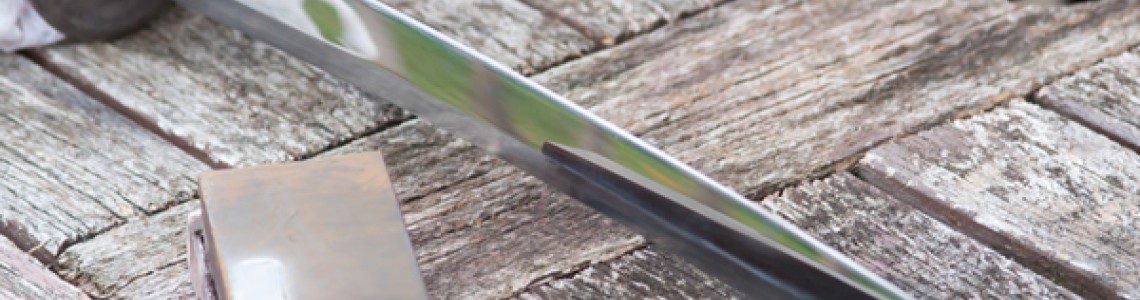
Blade Polishing of a Katana Sword: How Japanese Sword Polishing Reveals the Beauty of the Blade
A katana is not considered complete when the blade leaves the forge. After forging, shaping, and heat treatment, the sword still requires careful polishing to reveal its true appearance and characteristics.
Katana blade polishing is an important part of Japanese sword craftsmanship. It is not simply a process of making the edge sharper or creating a shiny surface. A proper polish refines the blade geometry, enhances the hamon, reveals the steel grain, and allows the craftsmanship of the sword maker to be appreciated.
For collectors and sword enthusiasts, understanding the katana polishing process helps explain why professional polishing requires experience, specialized tools, and careful attention to detail. A skilled polisher can improve the beauty of a blade, while an incorrect polishing method can permanently damage it.
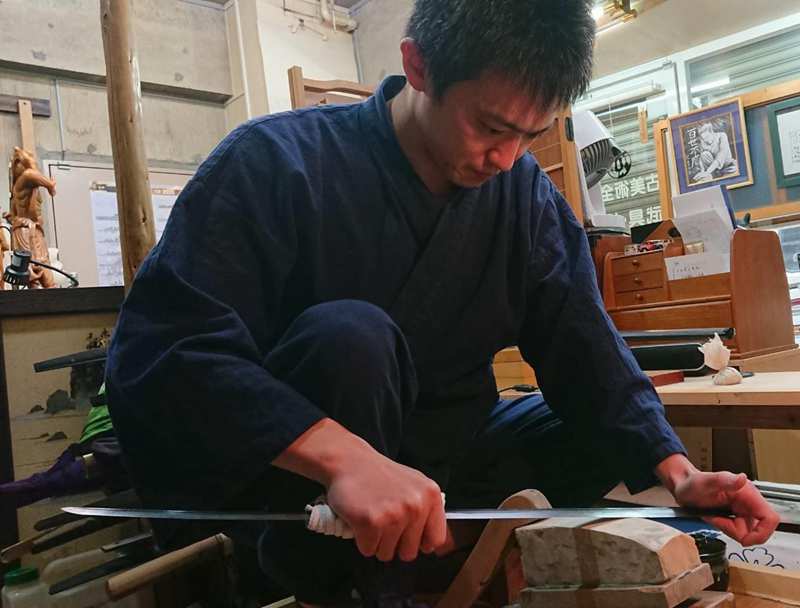
What Is Katana Blade Polishing?
Katana blade polishing is the traditional finishing process used to refine and enhance a Japanese sword blade after forging and heat treatment.
In Japanese sword terminology, polishing is called togi (研ぎ), and the specialist who performs this work is known as a togishi (研師).
A professional togishi does much more than polish the surface. The process requires maintaining the original blade shape, preserving the shinogi line, refining the cutting edge, and creating the correct contrast between different areas of the blade.
A high-quality katana polish can reveal important details that are hidden on an unfinished blade, including:
- Hamon (temper line created during heat treatment)
- Hada (visible grain pattern of the steel)
- Blade geometry and shape
- Forging characteristics
- Overall craftsmanship of the sword
Katana Polishing Is Not the Same as Sharpening
Many people think polishing a katana simply means sharpening the cutting edge. However, traditional Japanese sword polishing is a much more detailed process.
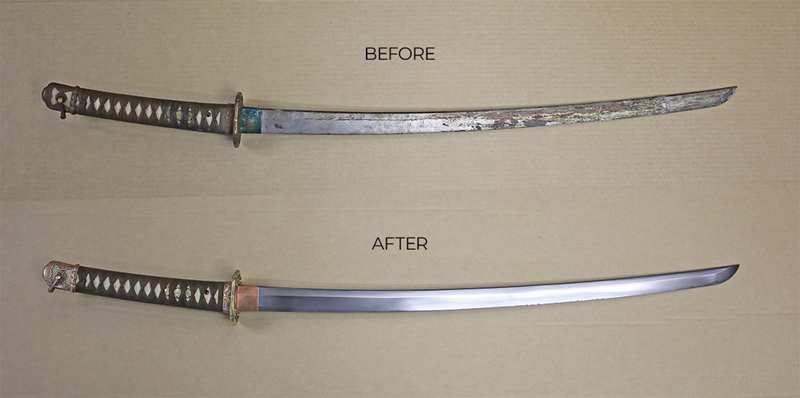
Sharpening mainly focuses on improving the edge, while katana polishing involves refining the entire blade surface while maintaining the original geometry of the sword.
| Sharpening | Katana Polishing |
| Focuses mainly on the cutting edge | Refines the entire blade surface |
| Improves cutting ability | Reveals hamon, hada and blade details |
| Usually a shorter process | Requires extensive skill and time |
A person who knows how to sharpen knives does not automatically have the ability to professionally polish a Japanese sword. Katana polishing is a specialized craft developed around preserving the unique characteristics of Japanese blades.
Why Does a Katana Need to Be Polished?
Polishing plays an important role in both the appearance and preservation of a katana. Without proper polishing, many details of the blade remain difficult to see.
1. Revealing the Hamon
The hamon is one of the most recognizable features of a Japanese sword. It is created during differential heat treatment and represents the transition between the hardened edge and softer body of the blade.
A proper polish helps bring out the hamon pattern, allowing collectors to appreciate its shape and details.
2. Showing the Steel Grain Pattern
The hada is the visible grain structure created during forging. On folded steel blades, polishing can reveal patterns created through repeated folding and hammering.
Different forging methods may create different grain appearances, making each handmade sword unique.
3. Preserving Blade Geometry
A skilled polisher carefully removes extremely small amounts of steel while maintaining the original shape of the blade.
Incorrect polishing can damage important features such as the shinogi line, kissaki shape, and overall balance of the sword.
The Traditional Katana Blade Polishing Process
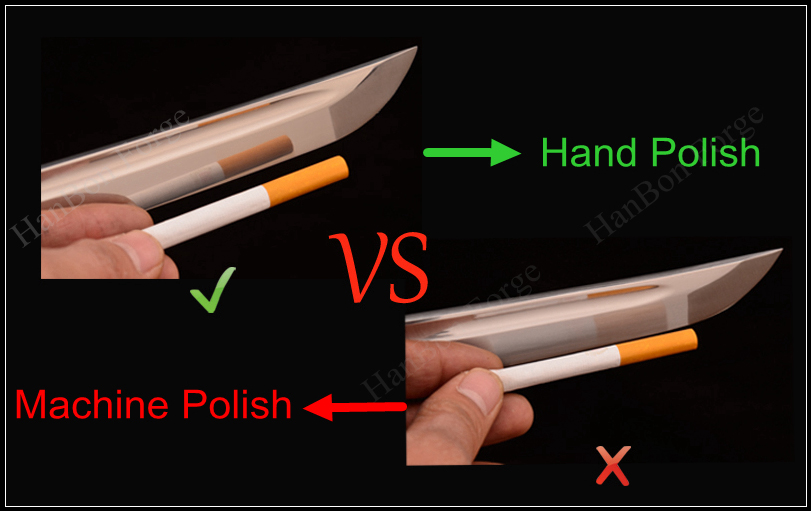
Traditional katana polishing is a highly detailed process that requires multiple stages. Unlike modern machine polishing, Japanese sword polishing is performed gradually with specialized stones to achieve precise control over the blade surface.
A professional togishi selects different polishing stones according to the stage of the process. Each stone has a specific purpose, from correcting the blade shape to creating the final appearance.
Stage 1: Foundation Polishing (Shitaji Togi)
The foundation polishing stage focuses on correcting the blade surface and establishing the correct geometry of the sword.
During this stage, the polisher carefully works on important areas including the shinogi line, cutting edge, kissaki, and overall blade shape.
- Correcting uneven surfaces.
- Maintaining blade curvature.
- Refining the edge angle.
- Preparing the blade for finishing polish.
Stage 2: Finishing Polishing (Shiage Togi)
The finishing stage creates the final appearance of the katana. Fine polishing stones are used to refine the surface and highlight important blade features.
This stage reveals the hamon, hada, and other characteristics that make each Japanese sword unique.
Types of Katana Blade Polishing
Different polishing styles can create different appearances on a katana blade. The best choice depends on the purpose of the sword, the steel type, and the preference of the owner.
Traditional Japanese Polish
Traditional Japanese polishing focuses on preserving the natural characteristics of the blade. It is designed to display the hamon, steel grain, and original sword geometry.
This type of polish is commonly used for high-quality handmade Japanese swords and collector blades.
Mirror Polish
A mirror polish creates a highly reflective blade surface. Many decorative swords use this style because it produces a bright and attractive appearance.
However, a mirror finish does not always show the same level of traditional detail as a professional Japanese polish.
Matte or Satin Finish
Some functional swords use a satin or matte finish. This style reduces reflections and provides a simple, practical appearance.
| Polishing Style | Main Feature |
| Traditional Polish | Highlights hamon, hada and blade craftsmanship |
| Mirror Polish | Creates a bright reflective surface |
| Satin Finish | Provides a practical and low-reflection appearance |
How Polishing Reveals the Hamon and Blade Details
One of the main reasons collectors appreciate katana polishing is the ability to reveal details that cannot be seen on an unfinished blade.
Hamon Visibility
The hamon is created during heat treatment when the edge of the blade is hardened differently from the body. Proper polishing creates contrast between these areas and makes the temper line easier to see.
Hada and Steel Pattern
On folded steel katana, polishing can reveal the layered grain structure created during forging. These patterns are part of the artistic value of handmade swords.
Blade Shape and Balance
A professional polish maintains the original blade design, including curvature, thickness, and balance. This is especially important for functional swords intended for cutting practice.
Why Professional Katana Polishing Requires Skill
Katana polishing is considered a specialized art because the polisher must understand both the physical structure and artistic features of the sword.
- Knowledge of traditional blade geometry.
- Experience using different polishing stones.
- Understanding of Japanese sword construction.
- Ability to reveal blade features without damaging the sword.
A poor polishing technique can remove too much material, damage the hamon, weaken the blade appearance, or permanently change the original shape of the sword.
How to Choose a Katana with Proper Blade Polishing
When purchasing a katana, blade polishing is an important detail that affects both appearance and value. A well-polished sword allows buyers to appreciate the craftsmanship behind the blade.
However, polishing should always match the purpose of the sword. A collector blade, display sword, and functional cutting katana may require different finishing styles.
- Collectors: Traditional polish is preferred because it reveals hamon and blade details.
- Martial Arts Practitioners: A practical polish should maintain blade geometry and cutting performance.
- Display Swords: Mirror polish may be chosen for visual appearance.
- Custom Katana Buyers: Polishing style can be selected according to personal preference.
A quality katana should have a balanced combination of good steel, proper heat treatment, accurate construction, and professional polishing.
Common Mistakes When Polishing a Katana Blade
Katana polishing is a delicate process. Many common polishing methods used for ordinary knives are not suitable for Japanese sword blades.
Using Incorrect Tools
Using power tools, rough grinding wheels, or unsuitable abrasives can remove too much steel and permanently damage the blade shape.
Removing Too Much Material
A katana blade has carefully designed geometry. Excessive polishing can damage the shinogi line, weaken the appearance of the hamon, and reduce the value of the sword.
Ignoring Proper Maintenance
Even a professionally polished blade requires regular care. Poor storage conditions or lack of oil protection can cause rust and surface damage.
How to Maintain a Polished Katana Blade
After investing in professional katana polishing, proper maintenance is necessary to protect the blade surface and preserve its appearance.
- Clean fingerprints and moisture after handling.
- Apply a thin layer of high-quality sword oil.
- Store the katana in a dry environment.
- Avoid touching the blade directly with bare hands.
- Check the blade regularly for signs of rust.
Proper maintenance helps preserve the polished surface, hamon visibility, and overall beauty of the sword.
Blade Polishing of a Katana Sword: Final Thoughts
Katana blade polishing is much more than creating a shiny surface. It is a traditional craft that reveals the hidden characteristics of a Japanese sword.
A professional polish can highlight the hamon, display the steel grain, preserve blade geometry, and showcase the skill of the sword maker.
Whether you are purchasing a handmade katana, collecting Japanese swords, or learning about sword craftsmanship, understanding the polishing process helps you recognize the true value behind a quality blade.
Frequently Asked Questions About Katana Blade Polishing
1. What is katana blade polishing?
Katana blade polishing is the traditional process of refining a Japanese sword blade to improve its surface, reveal details, and preserve the original geometry.
2. Why does a katana need polishing?
Polishing reveals important blade features such as the hamon, hada, and forging characteristics while improving the overall appearance of the sword.
3. Is polishing a katana the same as sharpening?
No. Sharpening focuses mainly on the cutting edge, while katana polishing refines the entire blade and preserves its traditional features.
4. How long does katana polishing take?
The time required depends on the condition of the blade and the level of polish needed. Professional polishing can require many hours of skilled work.
5. What is a togishi?
A togishi is a professional Japanese sword polisher who specializes in refining blades and revealing their traditional characteristics.
6. Can I polish a katana myself?
Basic cleaning and maintenance can be done by owners, but professional polishing requires specialized knowledge and experience.
7. What type of polish is best for a katana?
The best polish depends on the purpose of the sword. Traditional polish is ideal for collectors, while practical finishes may suit functional swords.
8. Does polishing make a katana sharper?
Proper polishing can improve the edge and appearance of a blade, but sword performance also depends on steel quality, heat treatment, and blade design.
9. How do I protect a polished katana blade?
Regular cleaning, oiling, and proper storage are essential for protecting a polished katana blade from rust and damage.
10. Why is professional katana polishing expensive?
Professional polishing requires specialized tools, experience, and many hours of careful work, making it a highly skilled traditional craft.