
Carbon Steel vs Other Katana Steels: Complete Sword Steel Comparison Guide
Carbon Steel vs Other Katana Steels: A Complete Guide to Choosing the Best Japanese Sword Steel
When choosing a Japanese Katana, one of the most important decisions is selecting the right blade steel. The steel affects the sword’s sharpness, durability, flexibility, maintenance requirements, and overall performance.
Many buyers compare carbon steel, Damascus steel, stainless steel, and different high-carbon options such as 1060, 1095, and T10. However, the best Katana steel is not always the hardest or most expensive option. The right choice depends on how you plan to use your sword.
A collector looking for a beautiful display Katana may prioritize appearance and unique patterns, while someone practicing cutting may need a stronger blade with better edge performance. Understanding the differences between steel types will help you choose a Japanese sword that matches your needs.
In this guide, we will compare carbon steel Katana with other common blade materials and explain the advantages and disadvantages of each option. From 1060 carbon steel to premium T10 steel, you will learn how different materials influence Katana performance.
Why Steel Matters When Choosing a Katana
The blade steel is the foundation of a Katana. A sword’s appearance may attract attention, but the quality of the steel and heat treatment determine how the blade performs.
A good Katana requires a balance between hardness and toughness. A harder blade can maintain a sharp edge for longer, but excessive hardness may make the steel more vulnerable to damage. A tougher blade can absorb impact better but may not hold an edge as effectively.
Professional sword makers carefully consider steel composition, forging method, and heat treatment to create a blade with the right combination of strength and cutting ability.
What Is Carbon Steel?
Carbon steel is one of the most commonly used materials for functional Katana. Unlike stainless steel, carbon steel contains a higher amount of carbon, allowing it to achieve better hardness after proper heat treatment.
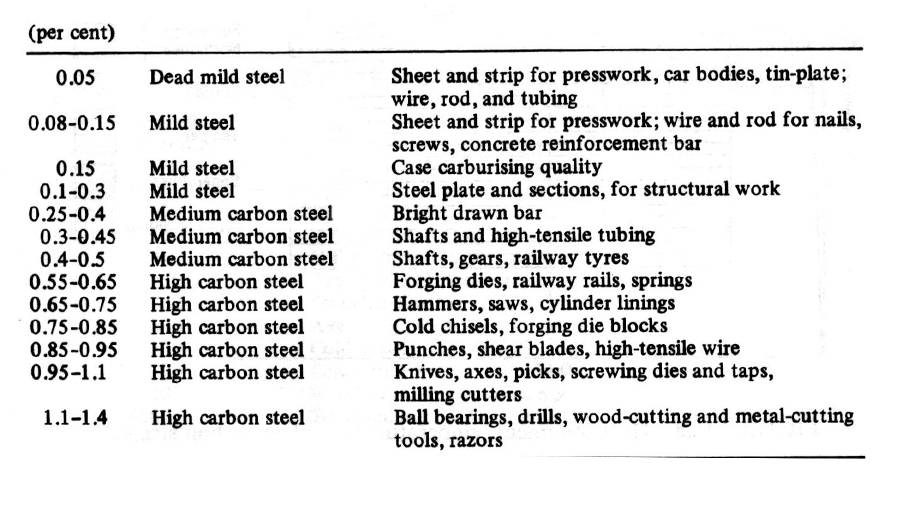
The carbon content influences the characteristics of the blade. Generally, higher carbon levels can increase hardness and edge retention, while lower carbon levels provide more flexibility and toughness.
Popular carbon steel options for Katana include:
- 1060 Carbon Steel: Known for toughness, flexibility, and beginner-friendly performance.
- 1095 Carbon Steel: Known for high hardness and excellent edge retention.
- T10 Tool Steel: A premium high-carbon steel valued for durability and cutting performance.
Each type of carbon steel has different advantages. The best choice depends on whether you need a display sword, training Katana, or functional cutting blade.
Advantages of Carbon Steel Katana
Carbon steel remains popular among Katana enthusiasts because it provides a practical balance between performance, durability, and traditional sword characteristics.
1. Excellent Cutting Performance
Carbon steel blades can achieve a sharp cutting edge when properly forged and heat treated. This makes them suitable for functional Japanese swords and cutting practice.
2. Better Traditional Sword Characteristics
Many traditional Japanese sword techniques are based around controlling the balance between hardness and flexibility. Carbon steel allows sword makers to create blades with these important characteristics.
3. Suitable for Different Budgets
From affordable 1060 carbon steel Katana to premium T10 blades, carbon steel offers options for beginners, collectors, and experienced users.
Carbon Steel Katana vs Stainless Steel Katana
One common comparison is carbon steel versus stainless steel. Although stainless steel has excellent corrosion resistance, it is generally not the preferred choice for functional Katana.
| Feature | Carbon Steel Katana | Stainless Steel Katana |
| Hardness | Can achieve high hardness through heat treatment | Usually designed more for corrosion resistance |
| Cutting Ability | Suitable for functional Katana when properly made | Usually unsuitable for heavy cutting use |
| Maintenance | Requires regular oiling and care | More resistant to rust |
| Best For | Collectors, training, and functional swords | Decoration and display only |
For buyers looking for a real Japanese-style sword with functional performance, carbon steel is usually the preferred choice because it offers the mechanical properties needed for a proper Katana blade.
1060 Carbon Steel Katana: A Reliable Choice for Beginners
1060 carbon steel is one of the most popular choices for functional Katana, especially for beginners and users who want a durable and forgiving blade. It contains around 0.60% carbon, providing a good balance between hardness and flexibility.
Because of its toughness, 1060 steel can handle impact well when properly forged and heat treated. This makes it suitable for cutting practice and everyday Katana training.
The main advantages of 1060 carbon steel Katana include:
- High Toughness: The blade can absorb stress without becoming too brittle.
- Beginner Friendly: A good choice for people purchasing their first functional Katana.
- Good Flexibility: Provides a balanced combination of strength and durability.
- Affordable Price: Offers excellent performance without the cost of premium steels.
For many first-time buyers, a 1060 carbon steel Katana provides the ideal balance between quality, performance, and price.
1095 Carbon Steel Katana: Higher Hardness and Edge Retention
1095 carbon steel contains a higher carbon content than 1060 steel, allowing it to achieve greater hardness after heat treatment. This makes it popular among experienced Katana users who value cutting ability and edge retention.
A properly made 1095 Katana can hold a sharp edge for a long time, but the higher hardness also means the blade requires more careful handling.
Advantages of 1095 carbon steel Katana include:
- Excellent Edge Retention: Maintains sharpness effectively during cutting practice.
- High Hardness: Suitable for users looking for strong cutting performance.
- Traditional Carbon Steel Feel: Provides characteristics appreciated by sword enthusiasts.
However, 1095 steel is less forgiving than 1060 steel. Poor technique or improper use can increase the risk of edge damage, so it is better suited for experienced users.
T10 Tool Steel Katana: Premium Performance and Durability
T10 tool steel is considered a premium choice for handmade Katana. It is a high-carbon steel known for its hardness, durability, and ability to maintain a sharp edge.
Many high-quality T10 Katana are clay tempered, creating a harder cutting edge and a softer spine. This traditional heat treatment method improves performance while producing a beautiful hamon pattern.
Benefits of T10 steel Katana:
- Excellent Hardness: Provides strong edge performance.
- Good Durability: Suitable for functional handmade Katana.
- Beautiful Hamon: Clay tempering can create unique traditional blade patterns.
- Premium Feel: Popular among collectors and experienced sword enthusiasts.
For buyers looking for a high-performance handmade Katana, T10 steel is one of the most popular modern choices.
Damascus Steel Katana vs Carbon Steel Katana
Damascus steel Katana are well known for their beautiful layered patterns and unique appearance. They are often chosen by collectors who appreciate artistic blade designs.
However, appearance alone does not determine sword performance. The actual quality of a Katana depends on the steel composition, forging method, and heat treatment process.
| Feature | Carbon Steel Katana | Damascus Katana |
| Appearance | Traditional polished blade appearance | Unique layered patterns |
| Performance | Depends on steel type and heat treatment | Depends on the quality of Damascus forging |
| Best For | Training, cutting, and functional swords | Collectors and artistic display |
A well-made Damascus Katana can be both beautiful and functional, but buyers should focus on craftsmanship rather than patterns alone.
Katana Steel Comparison Chart
| Steel Type | Hardness | Toughness | Recommended Use |
| 1060 Carbon Steel | Medium | Excellent | Beginners and cutting practice |
| 1095 Carbon Steel | High | Good | Experienced users |
| T10 Steel | High | Very Good | Premium handmade Katana |
| Damascus Steel | Depends on composition | Depends on forging | Collectors and display |
How to Choose the Best Katana Steel for Your Needs
Choosing the best Katana steel depends on your personal goals. There is no single steel type that is perfect for every buyer. The right choice depends on whether you want a sword for collection, training, cutting practice, or decoration.
Before purchasing a Japanese Katana, consider the following factors:
- Your Experience Level: Beginners often prefer durable steels such as 1060 carbon steel, while experienced users may choose 1095 or T10.
- Your Purpose: Display swords focus on appearance, while functional Katana require stronger construction and proper heat treatment.
- Maintenance Ability: Carbon steel blades require regular oiling and care to prevent rust.
- Your Budget: Different steels and manufacturing methods create different price levels.
For most first-time buyers, a well-made carbon steel Katana offers the best combination of traditional appearance, durability, and value.
Carbon Steel Katana Maintenance Guide
One important difference between carbon steel and stainless steel is maintenance. Carbon steel provides excellent performance, but it requires proper care to keep the blade in good condition.
Because carbon steel can react with moisture and oxygen, regular cleaning and oiling are necessary.
Basic Katana maintenance includes:
- Clean the Blade: Remove fingerprints, dust, and moisture after handling.
- Apply Sword Oil: A thin layer of protective oil helps prevent rust.
- Store Properly: Keep the Katana in a dry environment and store it correctly inside the saya.
- Avoid Touching the Blade: Natural oils from your hands can cause corrosion.
Proper maintenance not only protects the blade but also preserves the beauty and craftsmanship of your Japanese sword.
Frequently Asked Questions About Katana Steel
1. Is carbon steel good for a Katana?
Yes. Carbon steel is one of the most popular materials for functional Katana because it provides a good balance between hardness, toughness, and cutting performance.
2. What is the best steel for a Katana?
The best Katana steel depends on your purpose. 1060 carbon steel is excellent for beginners, 1095 is popular for experienced users, and T10 steel is a premium choice for handmade functional Katana.
3. Is T10 steel better than 1095 steel?
Both steels have advantages. T10 steel is often considered a premium option because of its durability and suitability for clay tempering, while 1095 steel is valued for hardness and edge retention.
4. Is Damascus steel stronger than carbon steel?
Not necessarily. Damascus steel is valued for its beautiful patterns, but strength depends on the actual steel composition, forging quality, and heat treatment rather than appearance alone.
5. Why is stainless steel not commonly used for functional Katana?
Stainless steel is resistant to rust, but many stainless steels are too brittle for heavy impact use. Carbon steel is generally preferred for functional Katana because of its better balance between hardness and toughness.
6. Which Katana steel is best for beginners?
For beginners, 1060 carbon steel is often recommended because it offers excellent toughness and is more forgiving compared with harder steels.
7. Does a higher carbon content always mean a better Katana?
No. Higher carbon content can increase hardness, but a great Katana requires the right balance between hardness, flexibility, forging quality, and heat treatment.
Conclusion: Choosing the Right Steel for Your Katana
Carbon steel remains one of the most popular choices for Japanese Katana because it provides the performance characteristics that sword enthusiasts expect from a functional blade.
However, different steels serve different purposes. A 1060 carbon steel Katana may be the perfect choice for a beginner, while an experienced collector may prefer a T10 clay tempered blade with a detailed hamon.
When choosing a Katana, focus on the complete combination of steel quality, forging method, heat treatment, craftsmanship, and intended use. The best Japanese sword is the one that matches your personal needs and expectations.
A well-crafted Katana is more than a weapon. It represents Japanese sword-making tradition, skilled craftsmanship, and the connection between the maker and the owner.