
Japanese Blade Shape Styles
Japanese Sword Blade Shapes Explained: 12 Traditional Katana Blade Types
Japanese swords are famous for their elegant curves, razor-sharp edges, and centuries of craftsmanship.
But many buyers don’t realize that not all katana blades share the same shape.
Different Japanese blade geometries were developed for different combat purposes—some prioritize cutting power, some reduce weight, and others improve thrusting ability.
In this guide, we’ll explain:
- The most common katana blade shapes
- Rare traditional Japanese blade geometries
- How blade shape affects cutting performance
- Which blade type is best for collectors and martial artists
Why Blade Shape Matters
Blade geometry directly affects:
Cutting performance
A wider cutting surface often improves slicing ability.
Weight distribution
Some blade shapes are designed to be lighter and faster.
Durability
Thicker spine designs often improve structural strength.
Historical authenticity
Certain blade styles belong to specific historical periods.
For example, Shinogi-zukuri became dominant because it balances strength, cutting ability, and durability.
1. Shinogi-Zukuri (Most Common Katana Blade Shape)
Shinogi-Zukuri is one of the most common and iconic blade shapes used in traditional Japanese sword-making, particularly in katana. It is characterized by a defined ridge line (shinogi), which runs along the length of the blade and separates the flat side (hiraji) from the beveled cutting edge (ha). This ridge-line design adds both aesthetic appeal and practical functionality to the blade.
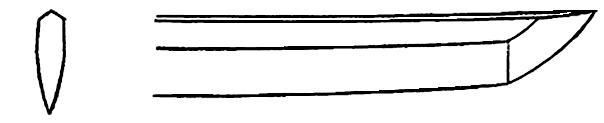
The ridge line is higher. 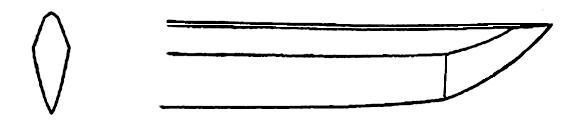
This is the most common blade style used on:
- Katana
- Tachi
- Wakizashi
Features:
- Visible ridge line (shinogi)
- Defined yokote line
- Excellent structural strength
- Great cutting balance
Best for:
First-time buyers
Cutting practice
Traditional katana collectors
This is the standard blade shape used on most modern katanas.
2. Hira-Zukuri
Hira-Zukuri is a blade style used in Japanese sword-making, characterized by its flat cross-sectional profile. Unlike the more commonly seen shinogi-zukuri, which features a distinct ridge line (shinogi), hira-zukuri blades have no ridge, resulting in a sleek, minimalist design. This style is primarily used in shorter blades like tanto (daggers) but can occasionally be found in longer swords.
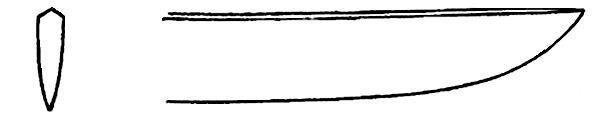
Commonly found on:
- Tanto
- Short blades
Features:
- No ridge line
- Flat blade profile
- Lightweight design
- Excellent piercing ability
Pros:
- Very sharp
- Simple design
Cons:
- Less durable for heavy impact use
3. Shobu-Zukuri
Shobu-Zukuri is one of the most iconic blade shapes in Japanese sword-making. Known for its straight edge and minimal curvature, this style offers a sharp and efficient cutting surface. Originally popular in the Heian period, it was designed for practicality in battle, providing swift, clean cuts.
This blade is typically seen in katana but can also be found in other sword types. The design reflects a perfect balance between form and function, ideal for cutting through armor or enemy ranks with precision. 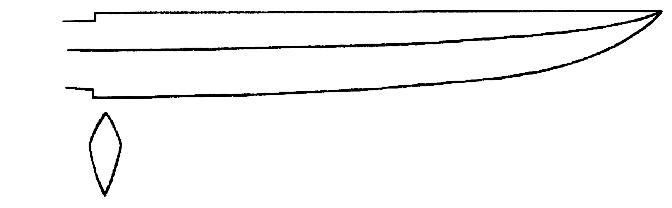
This style resembles an iris leaf.
Features:
- No yokote line
- Continuous blade flow to the tip
- Fast cutting profile
Popular among users who prefer cleaner aesthetics.
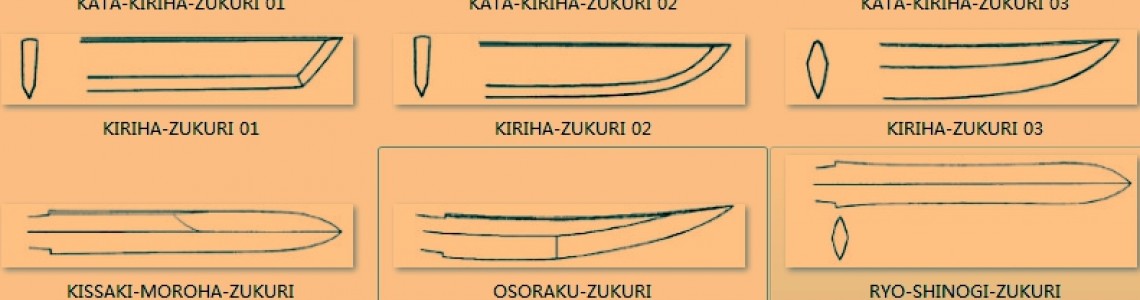
4. Kiriha-Zukuri
Kiriha-Zukuri (切刃造) is a blade style used in traditional Japanese sword-making, recognized for its angular cross-sectional geometry. It is also known as Hira-kiriha-zukuri when referring to its specific subtype. This style features a beveled edge that transitions sharply into the flat main surface of the blade, creating a distinct angular appearance.
1) The blade has YOKOTE line. 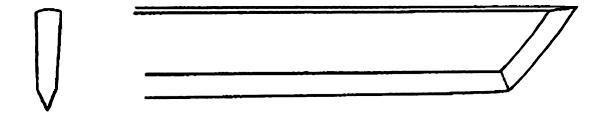
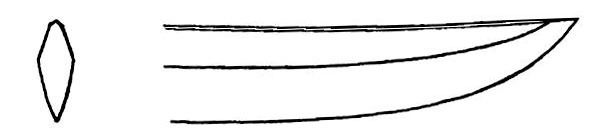
2) The blade does not have YOKOTE line. 
3) The kissaki is double edged. It is also Kissaki-moroha-zukuri.
Features:
- Angular profile
- Often straighter blades
- Influenced by early Chinese sword designs
Common in early Japanese swords before curved katana became dominant.
5. Kata-Kiriha-Zukuri
Kata-Kiriha-Zukuri (片切刃造) is a variation of the traditional Japanese blade style kiriha-zukuri. This style is unique in that the blade's bevel is asymmetrical, with one side featuring a kiriha-zukuri beveled edge while the opposite side remains flat. This creates an intriguing and distinctive cross-sectional geometry.
1) One side is KIRIHA-ZUKURI, another side is HIRA-ZUKURI.
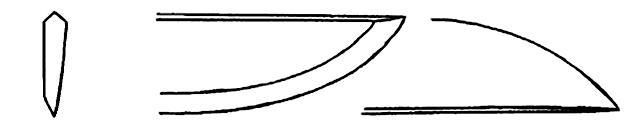
2) One side is KIRIHA-ZUKURI, another side is SHINOGI-ZUKURI. 
3) One side is KIRIHA-ZUKURI, another side is SHOBU-ZUKURI. 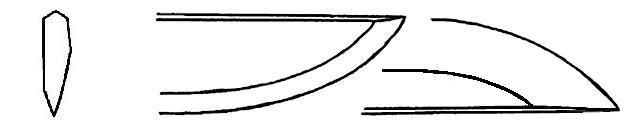
One side may feature:
- Hira-zukuri
- Shinogi-zukuri
- Kiriha-zukuri combinations
Highly collectible due to rarity.
6. Unokubi-Zukuri
Unokubi-Zukuri (鵜首造) is a Japanese sword blade geometry that translates to "Cormorant's Neck Style." This name refers to the blade's distinctive shape, which features a pronounced tapering near the spine, resembling the neck of a cormorant bird. This design is particularly notable for its combination of reduced weight and maintained structural strength, making it a highly functional and elegant style.
1) The base is SHINOGI-ZUKURI.
In the case of NAGINATA, this type or KANMURI-OTOSHI-ZUKURI(1) is common. 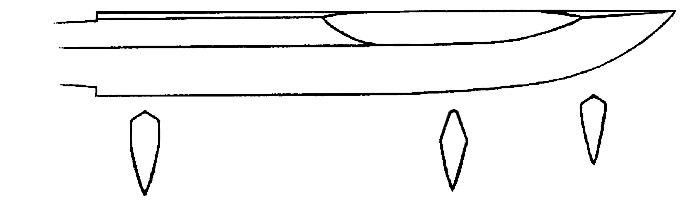
2) The base is HIRA-ZUKURI. 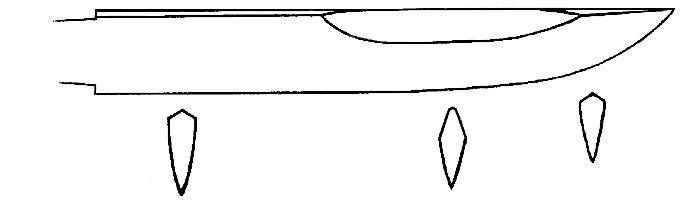
Features:
- Reduced spine thickness
- Lightweight design
- Fast handling
Often seen on:
- Naginata conversions
- Specialized blades
7. Kanmuri-Otoshi-Zukuri
Kanmuri-Otoshi-Zukuri (冠落とし造) is a specialized blade style in Japanese sword-making that features a distinctive tapering shape. This style combines elements of shinogi-zukuri and hira-zukuri but with a unique geometry that emphasizes lightweight and maneuverability. The term "kanmuri-otoshi" translates roughly to "crown drop-off," referring to how the back of the blade tapers toward the tip.
1) The base is SHINOGI-ZUKURI.
In the case of NAGINATA, this type or UNOKUBI-ZUKURI(1) is common. 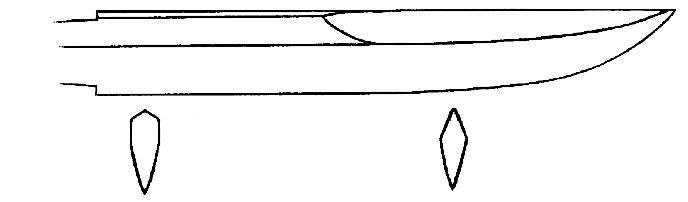
2) The base is HIRA-ZUKURI. 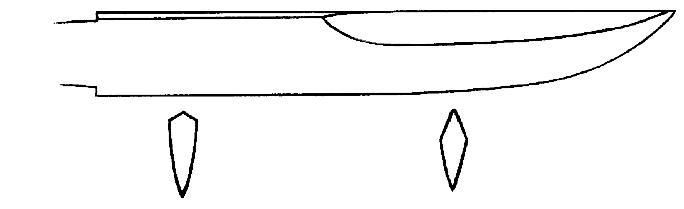
Benefits:
- Reduced blade weight
- Faster maneuverability
Rare on modern production swords.
8. Moroha-Zukuri
Moroha-Zukuri (両刃造) is a distinctive blade style in Japanese sword-making characterized by its double-edged design. Unlike most traditional Japanese swords, which are single-edged (katana, wakizashi, etc.), moroha-zukuri blades have both edges sharpened, resembling the geometry of a double-edged Western sword or a dagger. The style combines elegance and functionality, and is typically found in shorter blades like tanto (daggers).
Unlike standard katana:
- Sharpened on both sides
- Better thrusting capability
Much rarer than standard single-edged swords.
9. Kissaki-Moroha-Zukuri
The forward part of the blade is double edged.
A curved kissaki-moroha-zukuri style blade is especially called "Kogarasu-maru" style. "Kogarasu-maru" is the nickname of one very famous sword in that style. It was a treasure of the Taira family in 12th century, and now in the imperial collection
The Kogarasu-maru in the imperial collection

Most famous example:
Kogarasu-maru
This style remains highly collectible.
10. Osoraku-Zukuri
Osoraku-Zukuri (恐らく造) is a distinctive and rare blade geometry in Japanese sword-making, characterized by its extremely long point section (kissaki) relative to the overall blade length. This design creates a blade where the tip accounts for a significant portion of the length, giving it a unique and aggressive appearance. The term "osoraku" roughly translates to "perhaps," but its exact origin in the naming of this style is unclear, adding a layer of mystique to its history.
Usually in TANTO type. 
Known for:
- Extremely long kissaki
- Aggressive appearance
Usually found on tanto blades.
11. Ryo-Shinogi-Zukuri
The forward part of the blade is double edged.
A curved kissaki-moroha-zukuri style blade is especially called "Kogarasu-maru" style. "Kogarasu-maru" is the nickname of one very famous sword in that style. It was a treasure of the Taira family in 12th century, and now in the imperial collection
The Kogarasu-maru in the imperial collection
Very rare blade shape featuring:
- Dual ridge lines
- Diamond-shaped cross section
Designed for structural rigidity.
12. Hira-Sankaku-Zukuri
Hira-Sankaku-Zukuri (平三角造) is a rare and unique Japanese sword blade style characterized by a triangular cross-section with a flat main surface (hira) and three distinct edges. This style is named for the triangular shape of the blade's geometry and is not as commonly seen as other traditional styles like shinogi-zukuri or hira-zukuri. However, it offers a distinctive and functional design.
A triangular blade geometry.
Rare and highly specialized.
Often favored by niche collectors.
Which Blade Shape Is Best for Cutting?
| Blade Type | Cutting | Durability | Rarity |
|---|---|---|---|
| Shinogi-Zukuri | Excellent | Excellent | Common |
| Hira-Zukuri | Good | Moderate | Common |
| Shobu-Zukuri | Excellent | Good | Uncommon |
| Unokubi-Zukuri | Good | Good | Rare |
| Moroha-Zukuri | Moderate | Moderate | Rare |
Which Blade Shape Is Best for Beginners?
For most buyers:
Shinogi-Zukuri is the safest choice
It offers:
- Traditional appearance
- Strong structure
- Excellent cutting performance
- Easy maintenance
Which Blade Shape Is Best for Collectors?
Collectors often prefer rare styles like:
- Osoraku-Zukuri
- Kissaki-Moroha-Zukuri
- Kata-Kiriha-Zukuri
- Unokubi-Zukuri
because they are harder to find.
Custom Blade Shapes at HanBon Forge
At HanBon Forge, customers can request:
- Shinogi-Zukuri
- Unokubi-Zukuri
- Shobu-Zukuri
- Osoraku-Zukuri
- Custom geometry requests
You can build your own sword through the Custom Katana Builder.
FAQ
What is the most common katana blade shape?
Shinogi-Zukuri.
What is the rarest Japanese blade shape?
Osoraku-Zukuri and Ryo-Shinogi-Zukuri are among the rarest.
Does blade shape affect cutting?
Yes—geometry affects balance, durability, and edge performance.
Are rare blade styles more expensive?
Usually yes, because they require more specialized forging work.
Final Thoughts
Understanding blade geometry helps buyers choose the right sword for:
- Cutting practice
- Collection
- Historical authenticity
- Custom builds
For most buyers → Shinogi-Zukuri
For collectors → rare geometries
For custom enthusiasts → specialty blade shapes