
Things to Consider When Buying a Sword: Complete Sword Buying Guide
Things to Consider When Buying a Sword: Complete Sword Buying Guide
Buying a sword is an exciting experience, whether you are a collector, martial arts practitioner, history enthusiast, or someone looking for a unique display piece. However, choosing the right sword requires more than simply selecting a design that looks impressive.
A quality sword is a combination of proper materials, skilled craftsmanship, suitable construction, and a design that matches your intended purpose. Before purchasing a sword, understanding the important factors can help you avoid poor-quality products and choose a blade that meets your expectations.
This sword buying guide explains the most important things to consider when buying a sword, including sword type, steel, tang construction, heat treatment, balance, customization options, and maintenance requirements.
1. Determine Your Purpose Before Buying a Sword
The first step in choosing a sword is understanding why you want one. Different swords are designed for different purposes, and the right choice depends on how you plan to use it.
Before buying, consider whether your sword will be used for:
- Display and collection: Focus on appearance, historical style, and craftsmanship details.
- Martial arts practice: Choose a properly constructed sword suitable for training.
- Cutting practice: Look for functional construction, suitable steel, and proper balance.
- Gifting: Consider customization and personal meaning.
A decorative sword and a functional sword may look similar, but they are built differently. Choosing the correct type from the beginning will help you get the best value from your purchase.
2. Decorative Sword vs Functional Sword
One of the most important decisions when buying a sword is choosing between a decorative sword and a functional sword.
Decorative Swords
Decorative swords are mainly designed for visual appreciation. They are popular among collectors who want to display historical or fantasy-inspired designs.
- Designed mainly for display.
- Focus on appearance and decoration.
- May use lighter construction methods.
- Not intended for cutting practice.
Functional Swords
Functional swords are built with stronger construction and are designed for practical handling. These swords usually require better steel, proper heat treatment, and reliable assembly.
- High carbon steel blade.
- Proper heat treatment.
- Full tang construction.
- Balanced weight and handling.
- Secure handle and fittings.
3. Choose the Right Sword Steel
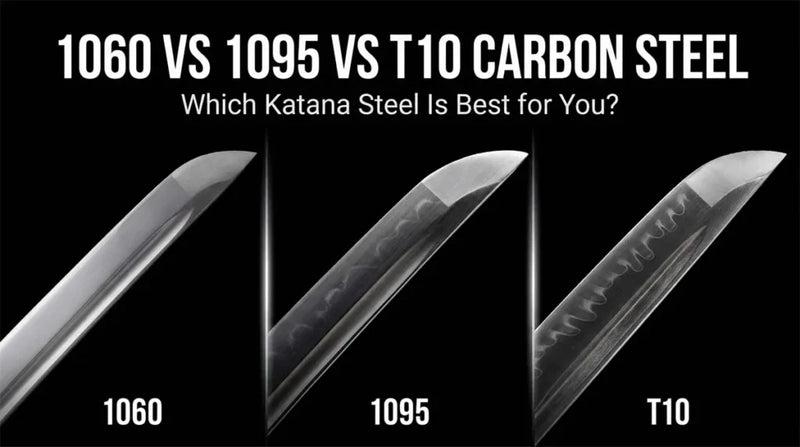
Steel is one of the most important factors when buying a sword. The type of steel affects durability, flexibility, edge retention, maintenance requirements, and overall performance.
Common Sword Steel Types
| Steel Type | Characteristics |
| 1060 Carbon Steel | Tough, durable, and suitable for beginners. |
| 1095 Carbon Steel | Harder steel with good edge retention. |
| T10 Tool Steel | Premium steel commonly chosen for high-performance blades. |
| Damascus Steel | Known for decorative patterns and unique appearance. |
When comparing swords, buyers should pay attention to the steel type instead of only looking at appearance. A beautiful sword made from unsuitable materials may not provide the quality expected from a functional blade.
4. Understand Sword Heat Treatment
Heat treatment is the process that changes the properties of steel. It helps create the balance between hardness and flexibility required for a functional sword.
A properly heat-treated blade can maintain a sharp edge while still having enough toughness to resist damage during normal use.
Traditional Japanese swords often use differential hardening, which creates a harder edge and softer spine. This process can produce the visible hamon pattern found on many clay-tempered blades.
5. Check the Sword Tang Construction
The tang is one of the most important structural parts of a sword because it connects the blade and handle together. Although it is hidden inside the handle, the tang design greatly affects the strength, balance, and reliability of a sword.
When buying a functional sword, understanding tang construction is essential. A properly made sword should have a strong connection between the blade and handle rather than relying on weak attachment methods.
Full Tang Construction
A full tang sword has a tang that extends through the entire length of the handle. This design provides a continuous piece of steel from the blade into the grip and is commonly preferred for functional swords.
- Provides a stronger blade and handle connection.
- Improves overall balance and handling.
- Commonly used for functional katana and handmade swords.
- Allows traditional mounting systems such as mekugi pins.
HanBon Forge functional swords use full tang construction with traditional double bamboo mekugi pin mounting for additional security. :contentReference[oaicite:0]{index=0}
Partial Tang and Rat Tail Tang
Partial tang and rat tail tang designs use less steel inside the handle. These constructions are often found on decorative swords because they reduce manufacturing costs and weight.
For collectors looking for a functional sword, it is important to confirm the tang construction before purchasing. A sword that looks impressive from the outside may have very different internal construction.
6. Consider Blade Shape and Geometry
The shape of a sword blade affects both appearance and performance. Different blade profiles are designed for different purposes, so buyers should choose a design that matches their intended use.
For Japanese katana, common blade features include curvature, shinogi line, kissaki shape, and the presence or absence of a bo-hi (groove).
- Curved Blade: Traditional katana curvature helps create efficient cutting movement.
- Bo-Hi Groove: Reduces weight and can create a distinctive sound when swinging.
- Wide Blade: Provides a stronger visual appearance and heavier cutting presence.
- Thin Blade: Often provides lighter handling and faster movement.
A good sword design balances blade shape, weight, and intended purpose rather than focusing on appearance alone.
7. Pay Attention to Sword Weight and Balance
A sword should feel comfortable in the hand. Two swords with the same length can feel completely different depending on their weight distribution and construction.
Balance affects how easily a sword can be controlled. A blade that is too heavy toward the front may feel difficult to handle, while a properly balanced sword feels more natural during movement.
Important Balance Factors
- Blade length.
- Blade thickness.
- Tang design.
- Handle materials.
- Guard and fitting weight.
8. Examine Handle Quality and Sword Fittings
The handle is another important area to inspect when choosing a sword. A quality handle should securely hold the blade while providing comfortable control.
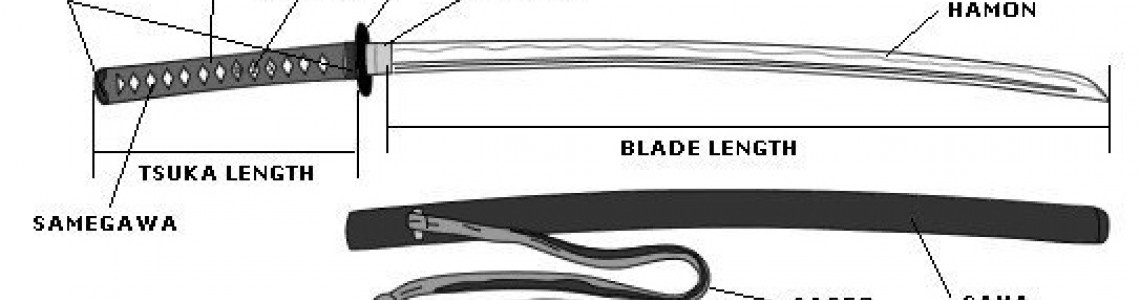
Traditional Japanese swords include several important fittings, including the tsuba (guard), menuki, fuchi, kashira, samegawa, and tsuka-ito wrapping.
- Tsuka: The sword handle should be properly fitted and secure.
- Samegawa: Genuine ray skin improves grip and traditional appearance.
- Tsuka-Ito: Tight and even wrapping improves handling.
- Tsuba: The guard provides protection and adds decorative value.
- Saya: The scabbard should fit the blade correctly.
Good fittings are not only decorative. They are part of the complete sword assembly and contribute to both appearance and function.
9. Handmade Sword vs Factory Sword
Another important decision when buying a sword is choosing between handmade craftsmanship and mass-produced factory swords.
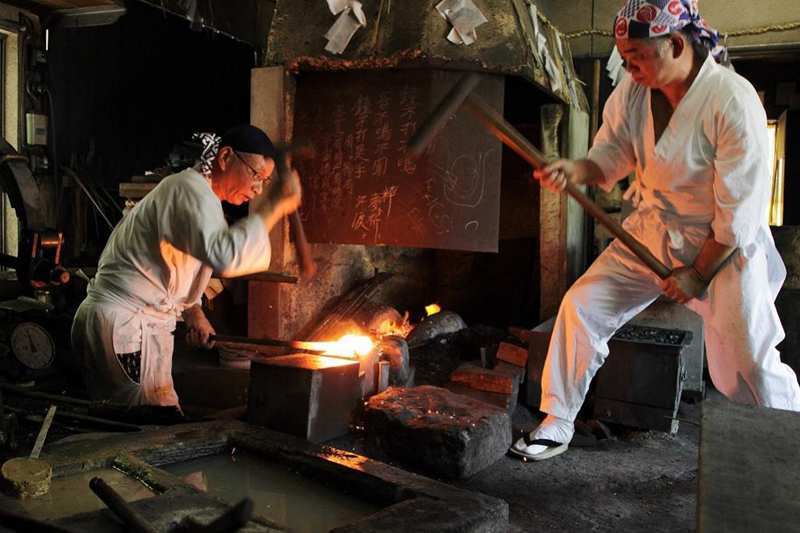
Handmade swords usually involve more attention to detail, including blade shaping, polishing, fitting adjustment, and customization options.
| Feature | Handmade Sword | Factory Sword |
| Craftsmanship | Individual attention and adjustment | Mass production methods |
| Customization | Many personal options available | Limited choices |
| Price Range | Usually higher due to labor | Usually lower cost |
For collectors who want a personalized katana, handmade swords offer more opportunities to select steel type, fittings, engraving, blade style, and other details.
10. Consider Customization Options
One advantage of buying a custom sword is the ability to create a blade that matches your personal preferences. Many collectors choose customized swords because they want something unique rather than a standard production model.
Customization options may include blade steel, hamon style, tsuba design, saya color, engraving, handle wrapping, and other traditional fittings.
Common Katana Customization Options
- Blade Steel: Choose from different steel options based on performance and appearance.
- Hamon: Select different tempering styles and patterns.
- Tsuba: Customize the guard design and theme.
- Saya: Choose lacquer colors, designs, and engraving.
- Handle: Select wrapping colors and fitting styles.
- Engraving: Add kanji, symbols, or personal artwork.
A customized sword can represent personal interests, cultural appreciation, or a meaningful gift. When choosing customization, make sure the design matches the sword's intended purpose.
11. Learn Proper Sword Maintenance Before Buying
A sword requires regular care to maintain its appearance and prevent damage. Before purchasing a sword, buyers should understand the maintenance required.
- Keep the blade clean and dry.
- Apply protective oil regularly to prevent rust.
- Avoid touching the blade surface with bare hands.
- Store the sword properly inside the saya.
- Inspect fittings and handle condition periodically.
Carbon steel swords require more maintenance than stainless steel display swords because they are more vulnerable to moisture and oxidation. Proper care helps preserve both the blade and craftsmanship.
How to Choose the Best Sword for Your Needs
The best sword is not necessarily the most expensive one. It is the sword that matches your purpose, expectations, and budget.
| Your Goal | Recommended Features |
| Display Collection | Beautiful fittings, historical design, decorative details |
| Beginner Collector | Quality steel, reliable construction, reasonable price |
| Functional Sword | Full tang, suitable steel, proper heat treatment |
| Custom Katana | Personalized fittings, engraving, blade options |
Taking time to research before buying will help you choose a sword that provides better value and long-term satisfaction.
Conclusion: Important Things to Consider When Buying a Sword
Choosing the right sword requires understanding more than appearance. The most important factors include purpose, steel type, tang construction, heat treatment, blade design, balance, fittings, customization options, and maintenance requirements.
Whether you are searching for a katana, historical sword, or functional blade, learning these basic principles will help you make a more informed decision.
A well-made sword is a combination of craftsmanship, materials, and thoughtful design. By understanding what makes a quality sword, buyers can choose a blade that fits their collection, practice, or personal interests.
Frequently Asked Questions About Buying a Sword
1. What should I consider before buying a sword?
Before buying a sword, consider its purpose, steel type, construction quality, tang design, balance, fittings, and maintenance requirements.
2. What is the best sword for beginners?
For beginners, a sword with reliable construction, quality carbon steel, good balance, and clear manufacturer information is usually a good choice.
3. How do I choose a functional sword?
A functional sword should have suitable steel, proper heat treatment, strong tang construction, secure fittings, and a design intended for practical handling.
4. Is a handmade sword better than a factory sword?
Handmade swords often provide more customization and individual craftsmanship, while factory swords may offer lower prices and standardized production.
5. What steel is best for a sword?
The best sword steel depends on the intended use. Common choices include 1060 carbon steel, 1095 steel, T10 tool steel, and Damascus steel.
6. Why is full tang important for a sword?
Full tang construction provides a longer steel connection between the blade and handle, which is why it is commonly preferred for functional swords.
7. What makes a katana high quality?
A high-quality katana combines good steel, proper heat treatment, skilled craftsmanship, reliable mounting, and balanced design.
8. Should I buy a decorative or functional sword?
The choice depends on your purpose. Decorative swords are suitable for display, while functional swords are designed with stronger construction.
9. How often should a sword be maintained?
A carbon steel sword should be checked and maintained regularly, especially when stored for long periods.
10. Where can I buy a quality custom katana?
A quality custom katana should come from a maker that provides clear information about materials, construction methods, and customization options.