
The Function of Blood Grooves on a Sword: Sword Fuller & Bo-Hi Explained

The Function of Blood Grooves on a Sword: Understanding Sword Fuller and Bo-Hi
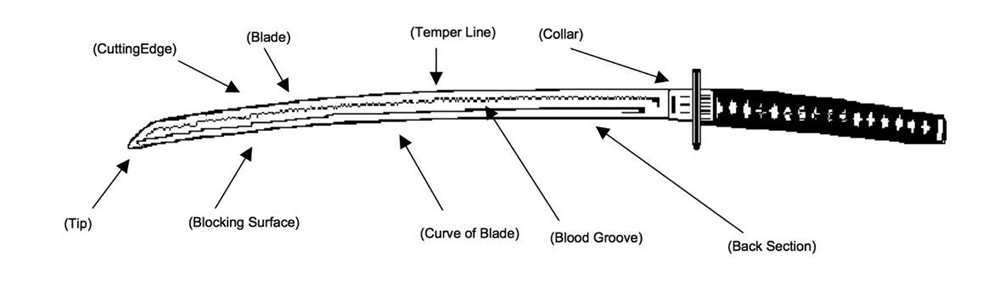
When looking at a sword blade, many people notice the long groove running along the surface. This feature is commonly called a "blood groove", but this name often creates confusion. In traditional sword terminology, it is known as a fuller, while Japanese swords usually refer to this feature as.
The real function of blood grooves on a sword is not related to draining blood. Instead, sword makers designed these grooves to improve weight distribution, balance, handling, and overall blade performance.
What Is a Blood Groove on a Sword?
A blood groove, technically called a sword fuller, is a recessed channel placed along the surface of a sword blade. It removes a small amount of material while keeping the main structure of the blade strong.
Fullers have been used on many types of historical weapons, including European swords, Chinese swords, and Japanese katana. On a Japanese sword, the groove is called bo-hi and is one of the most recognizable elements of traditional Japanese sword design.
The Main Functions of a Sword Fuller
1. Reducing Sword Weight
One of the most important functions of a blood groove on a sword is reducing unnecessary weight. A solid blade without a fuller contains more steel and can become heavier and slower during movement.
By carefully removing material from specific areas, sword makers create a lighter blade that remains strong and functional. This allows the user to handle the sword more easily and maintain control during movement.
2. Improving Sword Balance and Handling
Sword balance plays an important role in performance. A properly designed fuller can move the center of gravity closer to the handle, making the sword feel faster and more responsive.
For practitioners using a bo-hi katana, the reduced weight often provides smoother handling during cutting practice and martial arts training.
3. Maintaining Blade Strength
Many people believe that a sword with a groove must be weaker because some steel has been removed. However, this is not necessarily true.
A well-designed fuller works similarly to modern engineering structures. The shape of the blade allows it to maintain rigidity while reducing unnecessary weight.
4. Creating the Traditional Sword Sound
A unique feature of a bo-hi katana is the sound produced when the blade moves through the air. Japanese sword practitioners often call this sound tachi-kaze.
This sound can provide feedback about cutting technique. A clear sword wind sound usually indicates better blade alignment and smoother movement.
Does a Blood Groove Really Drain Blood?
The popular name "blood groove" has created a common myth that the groove was designed to allow blood to flow out of a wound or help remove the sword after a thrust.
Historical sword making shows that this is not the true purpose. Sword fullers were created mainly for practical engineering reasons: reducing weight, improving balance, and enhancing handling.
Bo-Hi Katana vs No-Hi Katana
When choosing a Japanese sword, many collectors and martial artists compare bo-hi katana and no-hi katana.
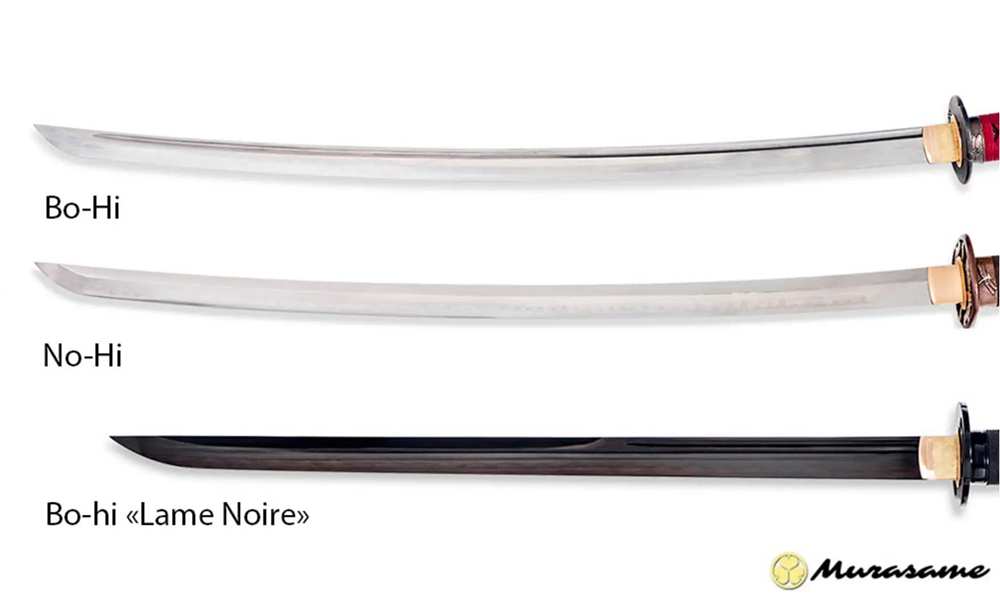
A bo-hi katana usually provides:
- Reduced blade weight
- Faster handling speed
- Improved balance
- Traditional sword wind sound
- Excellent performance for martial arts practice
A no-hi katana usually provides:
- More blade material
- A heavier and stronger feeling
- A solid traditional appearance
- Preference among some collectors
Frequently Asked Questions About Blood Grooves on Swords
1. Why do swords have blood grooves?
Swords have blood grooves mainly to reduce weight, improve balance, and maintain blade performance. The correct technical term is sword fuller.
2. Is a blood groove the same as a sword fuller?
Yes. A blood groove and a sword fuller describe the same blade feature. In Japanese sword terminology, it is called bo-hi.
3. Does a bo-hi make a katana weaker?
A properly made bo-hi katana is not automatically weaker. The groove is designed to reduce unnecessary weight while maintaining structural strength.
4. Is a katana with bo-hi better than one without bo-hi?
Neither design is always better. A bo-hi katana is lighter and faster, while a no-hi katana has more blade material and a heavier feel. The best choice depends on personal preference and intended use.
5. What is the purpose of a katana blade groove?
The purpose of a katana blade groove is to improve balance, reduce weight, and enhance the handling characteristics of the sword.
Conclusion: The Real Purpose of Blood Grooves on Swords
The blood groove on a sword is not designed for blood drainage. It is a traditional engineering feature developed to create a better balance between strength, weight, and handling.
Whether choosing a lightweight bo-hi katana or a solid no-hi blade, understanding the purpose of the sword fuller helps sword enthusiasts better appreciate the craftsmanship behind traditional sword making.