
The Ultimate Guide to Choosing Your First Katana: 5 Things You Must Know
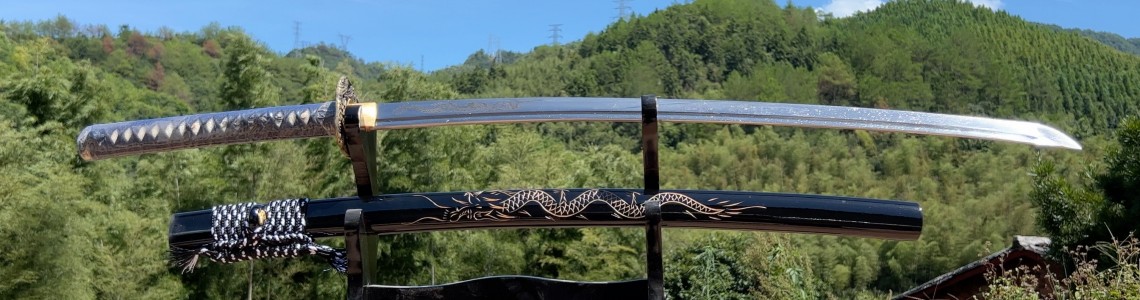
Stepping into the world of Japanese swords is an exciting journey. Whether you are a martial arts practitioner, a history buff, or a collector, owning a handmade Katana is a dream for many. However, with so many options in steel, fittings, and prices, choosing your first sword can be overwhelming.
At HanBon Forge, we’ve helped thousands of enthiasts find their perfect blade. In this guide, we’ll break down the five essential factors you need to consider before clicking the "buy" button.
1. Identify Your Purpose
Why do you want a Katana? Your answer will dictate the type of blade you need:
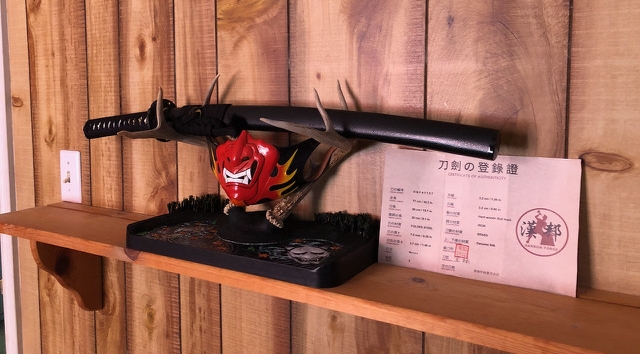
For Display: If the sword will stay on a stand, focus on the aesthetic details like the Saya (scabbard) design and the Tsuba (guard).
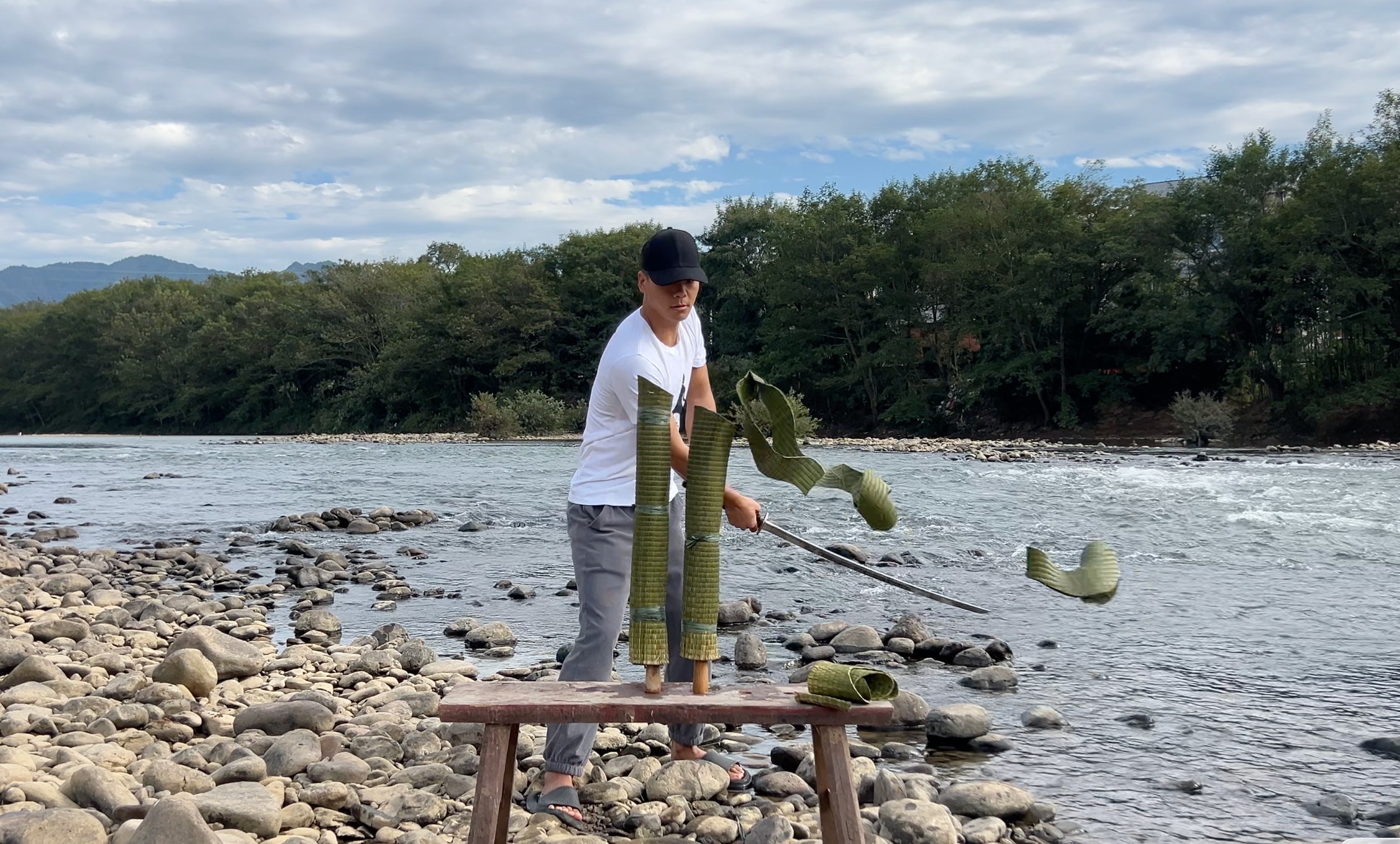
For Light Cutting: If you plan to cut water bottles or pool noodles, a basic carbon steel blade is sufficient.
For Heavy Tameshigiri: If you are practicing traditional target cutting (tatami mats), you need a high-performance, clay-tempered blade.
2. Understanding the Steel (The Soul of the Sword)
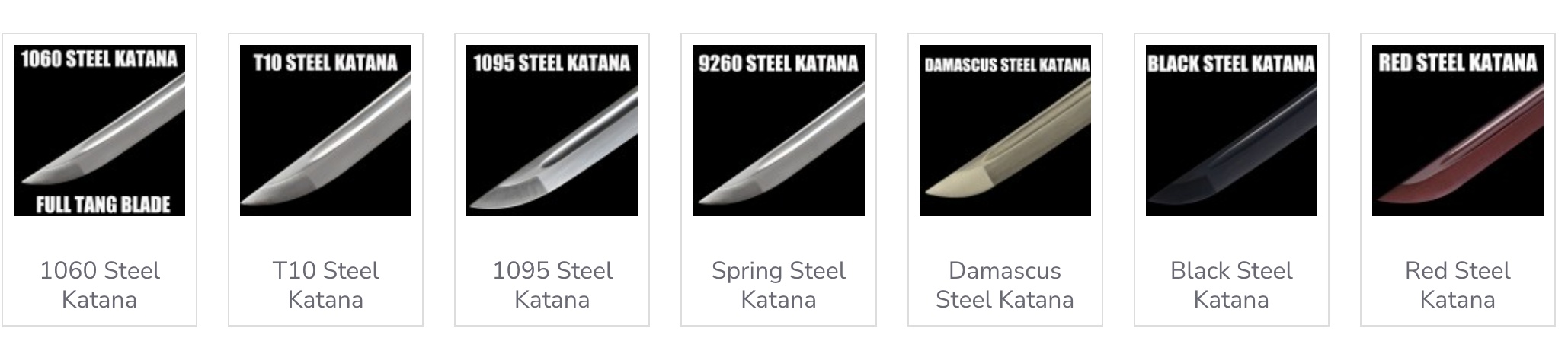
The steel determines the blade’s durability and edge retention. Here are the most common types we use at HanBon Forge:
1060 Carbon Steel: Great for beginners. It’s affordable and very durable (tough to break).
1095 Carbon Steel: Harder and holds a sharper edge, ideal for serious practitioners.
T10 Tool Steel: A premium choice known for its extreme hardness and resistance to scratches.
Damascus Steel: Folded multiple times to create a beautiful grain pattern (Hada). Perfect for collectors who value artistry.
3. The Importance of "Full Tang" (Nakago)
For safety, your first Katana must be Full Tang. This means the blade extends all the way through the handle. At HanBon Forge, all our functional swords are full tang and secured with two bamboo pegs (Mekugi). Never swing a "rat-tail tang" decorative sword—it is dangerous!
4. Clay Tempered vs. Non-Clay Tempered
You will often see the term "Real Hamon." A clay-tempered blade is coated with clay before heating, creating a hard edge and a flexible spine. This process results in a beautiful, natural wave line called a Hamon. If you want a sword that follows ancient traditions, clay tempering is a must.
5. Customization: Making It Yours
One of the best parts of buying from a professional forge like HanBon Forge is the ability to personalize every detail of your sword. Customization allows you to create a piece that is truly unique to your style and purpose. You can choose:
Tsuba (Guard): Select from various materials, from classic iron for a traditional feel to ornate brass or copper with intricate themes like dragons, samurai, or nature.
The Blade Profile: Beyond steel types, you can choose the blade's shape, such as adding a Bo-hi (Blood Groove) to reduce weight and create a whistling sound when swung, or a solid blade for more power.
Tsuka-ito & Samegawa: Customize your handle wrap with synthetic silk, genuine leather, or suede in dozens of colors. You can also choose the color of the Samegawa (genuine ray skin) underneath.
The Saya (Sheath): We offer a wide range of Saya finishes, from classic high-gloss black and matte finishes to natural wood textures, hand-painted patterns, or even premium bull-horn reinforcements.
Sageo: This is the cord on the scabbard; choosing a contrasting color can add a striking final touch of personality.
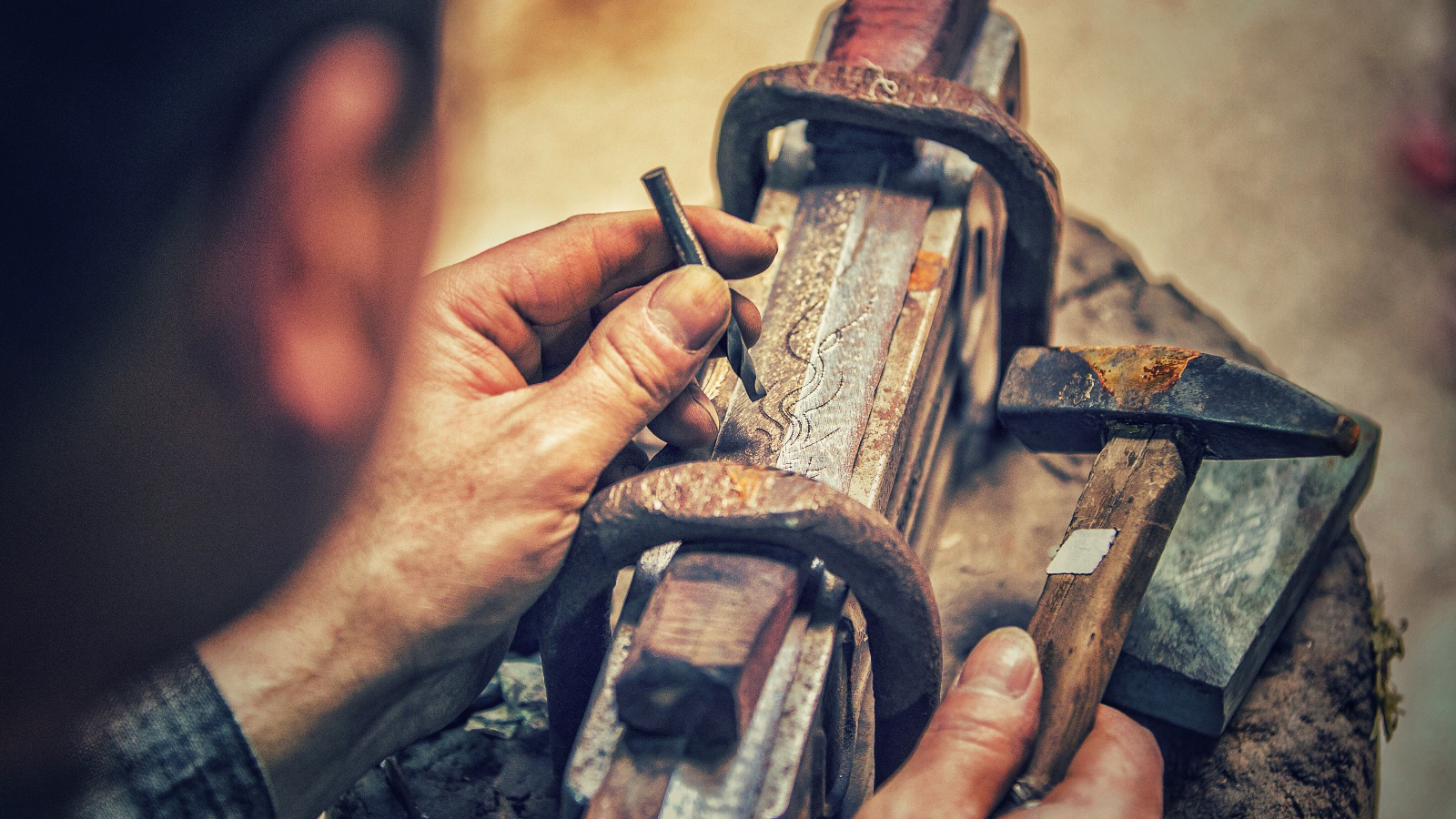
Personalized Engravings: To make the sword truly yours, we can professionally engrave your name, a family crest, or a meaningful quote onto the blade or Sheath.
Choosing your first Katana is a personal decision. Start by defining your budget and purpose, and then focus on the steel quality.
Ready to start your collection? Explore our [Custom Katana] or browse our [Handmade Sword Collections] to find a blade that speaks to you. At HanBon Forge, every blade is hand-forged with passion and tradition.