
Katana vs Wakizashi vs Tanto: Differences Between Japanese Swords Explained
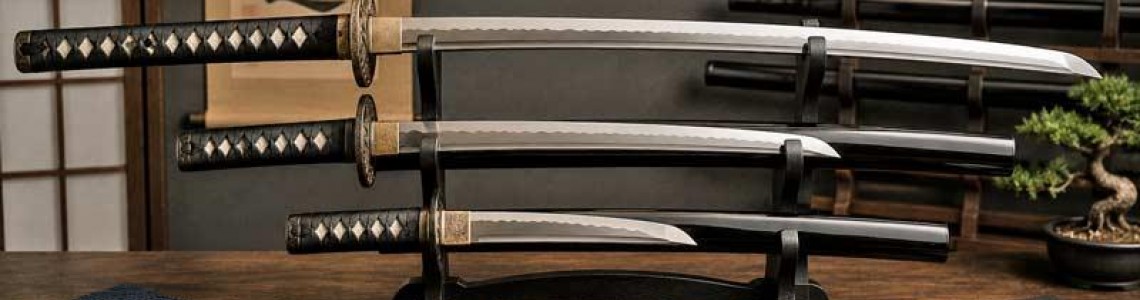
Katana vs Wakizashi vs Tanto: Differences Explained
Japanese swords are admired around the world for their craftsmanship, history, and unique design. Among the most recognized Japanese blades are the Katana, Wakizashi, and Tanto. Although they share similar forging traditions and aesthetic features, each sword was created with a different purpose, size, and role in Japanese culture.
Understanding the differences between a Katana, Wakizashi, and Tanto can help collectors and sword enthusiasts choose the right Japanese blade for their collection. In this guide, we will explore their history, blade length, design features, and traditional uses.
What Are the Main Differences Between Katana, Wakizashi, and Tanto?
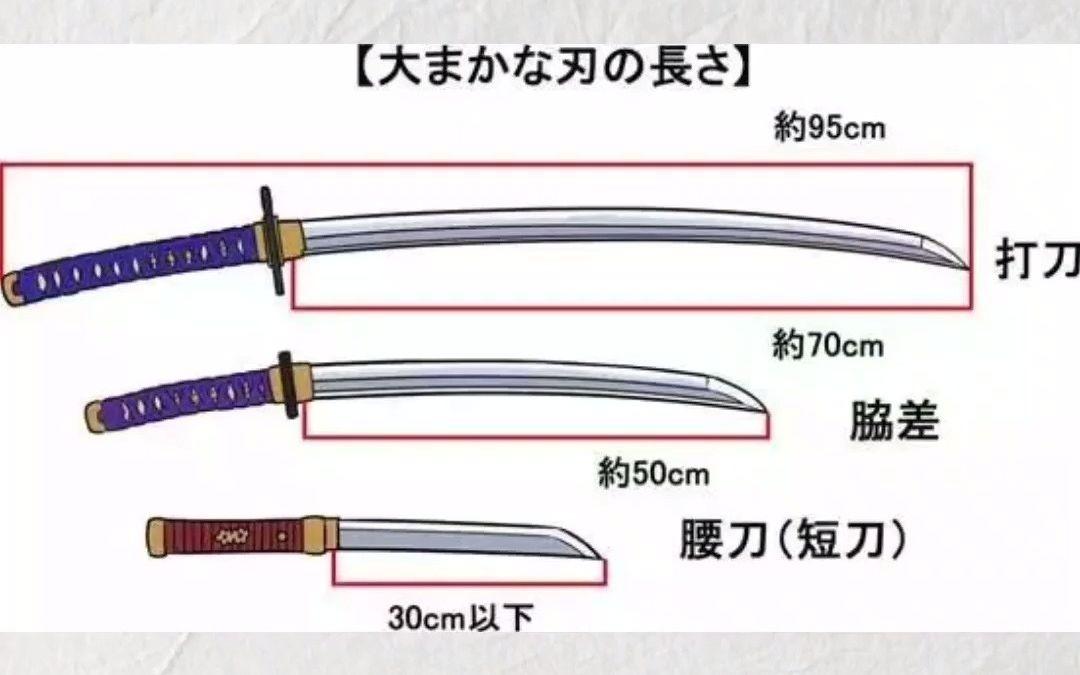
The biggest differences between these three Japanese swords are their blade length, carrying purpose, and historical role.
| Sword Type | Blade Length | Main Purpose |
| Katana | Usually over 60 cm | Primary samurai sword for combat |
| Wakizashi | Approximately 30–60 cm | Companion sword and indoor weapon |
| Tanto | Usually under 30 cm | Short blade and utility weapon |
Katana: The Iconic Samurai Sword
The Katana is the most famous Japanese sword and is widely recognized as the symbol of the samurai. It typically features a curved, single-edged blade with a long handle that allows two-handed use.
The design of the Katana focuses on balance, cutting ability, and versatility. Traditional Katana blades often use structures such as Shinogi-Zukuri, which provides a strong combination of durability and cutting performance.
During the samurai era, the Katana was considered the primary battlefield weapon. Today, it remains the most popular choice among collectors because of its historical importance and elegant appearance.
Wakizashi: The Samurai Companion Sword
The Wakizashi is a shorter Japanese sword traditionally carried together with the Katana. This combination was known as Daisho, meaning "large and small" swords.
Because of its shorter size, the Wakizashi was easier to use in confined spaces such as houses and castles. Samurai often carried it as a backup weapon when the Katana was not practical.
Many collectors appreciate Wakizashi because they offer the same traditional craftsmanship as a Katana while being more compact and easier to display.
Tanto: The Traditional Japanese Short Blade
The Tanto is a Japanese dagger with a much shorter blade compared with the Katana and Wakizashi. It was designed for close-range use and was also valued as an important piece of craftsmanship.
Unlike longer swords, Tanto blades were often created with different shapes and styles, including Hira-Zukuri and other traditional blade constructions. Many Tanto today are collected for their artistic details, fittings, and historical value.
Modern collectors often choose Tanto because of their compact size and the opportunity to appreciate Japanese sword-making techniques in a smaller form.
Katana vs Wakizashi vs Tanto: Which One Should You Choose?
The best choice depends on your personal interests, collection goals, and preferred style.
| Purpose | Recommended Sword |
| Traditional samurai sword collection | Katana |
| Compact Japanese sword display | Wakizashi |
| Small handcrafted blade collection | Tanto |
Katana, Wakizashi, and Tanto in Modern Collections
Today, these Japanese swords are appreciated not only for their historical background but also for their craftsmanship. Collectors often focus on blade steel, forging methods, hamon patterns, fittings, and overall balance.
A Katana may represent the traditional image of the samurai, while a Wakizashi or Tanto can provide a different perspective on Japanese sword culture. Each type has its own beauty and historical significance.
FAQ: Katana vs Wakizashi vs Tanto
What is the difference between a Katana and a Wakizashi?
The main difference is blade length. A Katana is a longer sword designed as the primary samurai weapon, while a Wakizashi is shorter and traditionally carried as a companion sword.
Which Japanese sword is best for beginners?
Many beginners choose a Katana because it represents the classic Japanese sword design and offers a balance between historical value, appearance, and versatility.
Is a Tanto considered a Japanese sword?
Yes. Tanto is a traditional Japanese short blade that follows many of the same craftsmanship principles used in larger Japanese swords.
Can Katana and Wakizashi be customized?
Yes. Modern sword makers can customize blade length, steel type, fittings, engraving, and saya designs according to collector preferences.