
How to Choose Your First Real Katana: Beginner's Buying Guide
How to Choose Your First Real Katana: A Beginner's Buying Guide
Buying your first real katana can be an exciting experience, but choosing the right Japanese sword is not always easy. With so many different blade materials, forging methods, fittings, and price ranges available, beginners often feel overwhelmed when searching for a high-quality katana.
A real katana is more than just a decorative sword. It is a combination of traditional craftsmanship, functional design, and centuries of Japanese sword-making history. Whether you are a collector, martial arts practitioner, or simply a sword enthusiast, understanding the basics will help you choose a katana that matches your needs.
In this beginner's guide, we will explain the most important factors to consider when buying your first real katana, including blade steel, construction, size, tempering methods, fittings, and common mistakes to avoid.
1. Understand What You Need the Katana For
Before choosing a katana, the first question you should ask is: What will you use it for?
Different buyers have different expectations. A sword designed for display and collection may have different features compared with a katana intended for cutting practice.
- Display Katana: Suitable for decoration, collection, and appreciation of Japanese sword aesthetics.
- Functional Katana: Designed with full tang construction, strong blade materials, and suitable balance for practical handling.
- Cutting Katana: Made for tameshigiri practice and requires excellent heat treatment, proper geometry, and durability.
- Custom Katana: Allows buyers to choose blade steel, fittings, engraving, saya design, and other personalized details.
For most beginners, a functional handmade katana with a durable carbon steel blade is usually the best choice because it offers both traditional appearance and practical quality.
2. Choose the Right Blade Steel
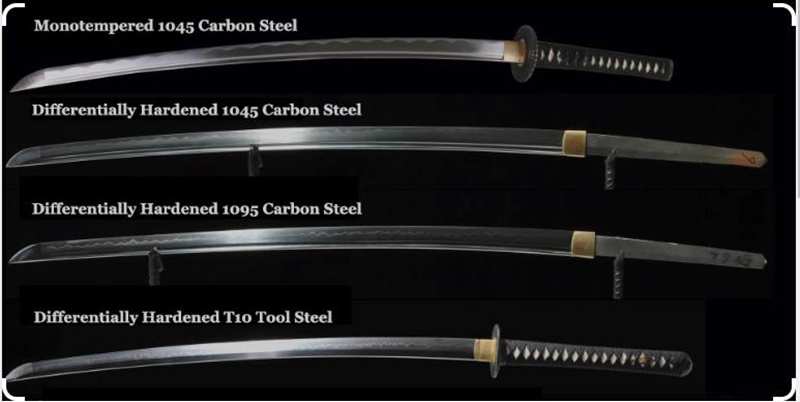
The blade material is one of the most important factors when selecting your first real katana. Different types of steel offer different levels of durability, sharpness, appearance, and price.
T10 Steel Katana
T10 steel is one of the most popular choices for modern handmade katana. It has excellent hardness, durability, and edge retention. Many T10 katana blades are clay tempered, creating a genuine hamon line similar to traditional Japanese swords.
For beginners looking for a high-quality real katana, a T10 clay tempered katana is often an excellent balance between performance, appearance, and price.
1095 Carbon Steel Katana
1095 carbon steel is another common material used for functional katana. It is known for its toughness and ability to achieve a sharp edge. Proper heat treatment is essential because the performance of a 1095 katana depends greatly on the forging process.
Damascus Steel Katana
Damascus steel katana features beautiful layered patterns on the blade surface. These swords are popular among collectors who appreciate unique blade appearance and craftsmanship.
However, beginners should remember that the visible pattern alone does not determine sword quality. The steel type, forging method, and heat treatment are equally important.
3. Check the Katana Construction: Why Full Tang Matters
One of the most important features of a real functional katana is the blade construction. Beginners often focus on the appearance of the sword but overlook the internal structure that determines strength and safety.
A high-quality katana should have a full tang (full nakago). This means the steel extends through the handle and is secured with bamboo mekugi pins. The handle, blade, and tang work together as one solid structure.
Full tang construction improves durability, balance, and overall handling performance. For buyers searching for a real Japanese katana or a functional samurai sword, full tang should be one of the first features to check.
Avoid decorative swords with a short tang or weak handle connection if you want a sword that can withstand practical handling.
4. Understand Clay Tempering and Hamon
Many beginners are attracted to katana because of the beautiful wavy pattern along the edge called the hamon. However, not every visible hamon represents traditional sword-making techniques.
A genuine clay tempered katana is created by applying clay to different areas of the blade before heat treatment. The clay controls how quickly each part of the blade cools during quenching.
This process creates a harder cutting edge while keeping the spine more flexible. The result is a blade with excellent sharpness, strength, and a distinctive hamon pattern.
For beginners who want a traditional-looking and functional sword, a clay tempered katana with a real hamon is a popular choice.
5. Choose the Correct Katana Length and Size
Katana size is another important factor, especially for beginners. A sword that is too long or too short may feel uncomfortable and difficult to control.
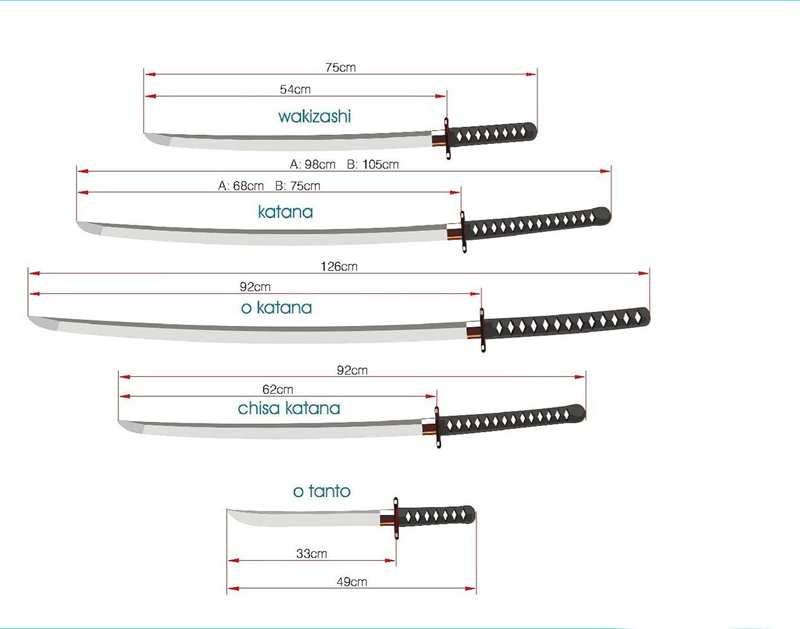
Traditional Japanese sword measurements are usually based on the blade length, known as nagasa. Modern katana commonly have blade lengths between approximately 26 and 30 inches, although custom sizes are available.
- Shorter Katana: Easier to handle and suitable for smaller users or beginners.
- Standard Katana: Usually around 27–29 inches and suitable for most collectors.
- Longer Katana: Provides greater reach but requires more control and experience.
When choosing your first katana, consider your height, arm length, intended use, and personal preference.
6. Pay Attention to Katana Fittings (Koshirae)
The fittings, known as koshirae, are the decorative and functional components mounted on a Japanese sword. They greatly influence the appearance and personality of a katana.
Important katana fittings include:
- Tsuba: The sword guard that protects the hand and adds decorative style.
- Fuchi and Kashira: Metal fittings located at the handle opening and end cap.
- Menuki: Decorative ornaments placed under the handle wrapping.
- Tsuka: The wooden handle wrapped with rayskin (samegawa) and ito.
- Saya: The wooden scabbard that protects the blade.
For collectors, the fittings are an important part of the katana's artistic value. Many beginners choose designs based on Japanese history, mythology, or personal meaning.
7. Common Mistakes Beginners Make When Buying a Katana
Buying your first katana can be confusing, and many beginners make similar mistakes. Understanding these problems can help you avoid wasting money.
- Choosing only by appearance: A beautiful sword does not always mean it has good construction or performance.
- Ignoring steel quality: Blade material and heat treatment are more important than decoration alone.
- Buying extremely cheap swords: Very low-priced swords are often made only for decoration and may not be suitable for handling.
- Ignoring maintenance: Carbon steel katana require regular cleaning and oiling to prevent rust.
- Not checking seller information: Always choose a sword maker or supplier with clear product details and customer support.
8. Where Should Beginners Buy a Real Katana?
Choosing a reliable sword maker is just as important as choosing the sword itself. A trustworthy katana supplier should provide clear information about the blade material, forging process, dimensions, and customization options.
Before purchasing, check the following details:
- Blade information: Confirm the steel type, tempering method, and whether the blade is functional.
- Construction details: Look for full tang construction and proper handle assembly.
- Product photos: Real product images help you understand the craftsmanship and finishing quality.
- Customization options: Many buyers prefer personalized choices such as engraving, fittings, and saya designs.
- Customer service: A professional seller should provide support before and after purchase.
9. Final Tips for Choosing Your First Katana
Choosing your first real katana is a personal journey. The best sword is not always the most expensive one, but the one that matches your purpose, preferences, and appreciation for Japanese sword craftsmanship.
For beginners, we recommend focusing on these key points:
- Choose a reliable steel type such as T10 or 1095 carbon steel.
- Select a full tang construction for better strength and safety.
- Consider clay tempering if you want a traditional hamon appearance.
- Choose the correct blade length for comfortable handling.
- Pay attention to fittings and craftsmanship details.
- Buy from a seller with clear product information and support.
A well-made katana is not only a weapon but also a piece of history, art, and craftsmanship. With the right knowledge, your first real katana can become a valuable addition to your collection for many years.
Frequently Asked Questions About Buying Your First Katana
What is the best katana for a beginner?
For most beginners, a T10 steel or 1095 carbon steel katana with full tang construction is a good choice. These swords offer a balance of durability, performance, and traditional appearance.
How much does a real katana cost?
The price of a real katana depends on materials, craftsmanship, and customization. Handmade functional katana generally range from several hundred dollars to over one thousand dollars for premium models.
Is T10 steel good for a katana?
Yes. T10 steel is widely used for handmade katana because it provides excellent hardness, durability, and edge retention. When properly heat treated, it can produce a high-quality functional sword.
Should my first katana have a real hamon?
A real hamon is created through clay tempering and is valued by many collectors. It adds traditional appearance and shows the craftsmanship involved in the blade-making process.
Can beginners buy a sharp katana?
Yes, beginners can purchase sharp functional katana, but they should learn proper handling, storage, and maintenance before using one.
Start Your Katana Journey with HanBon Forge
Finding your first real katana is the beginning of a deeper appreciation for Japanese sword culture. Whether you are looking for a traditional samurai sword, a custom katana, or a handmade functional blade, choosing the right craftsmanship and materials will make your experience more meaningful.
Explore handmade katana options from HanBon Forge and discover a sword that matches your style, collection goals, and passion for Japanese sword craftsmanship.