
Full Tang vs Partial Tang vs Rat Tail Tang: Understanding Sword Tang Types
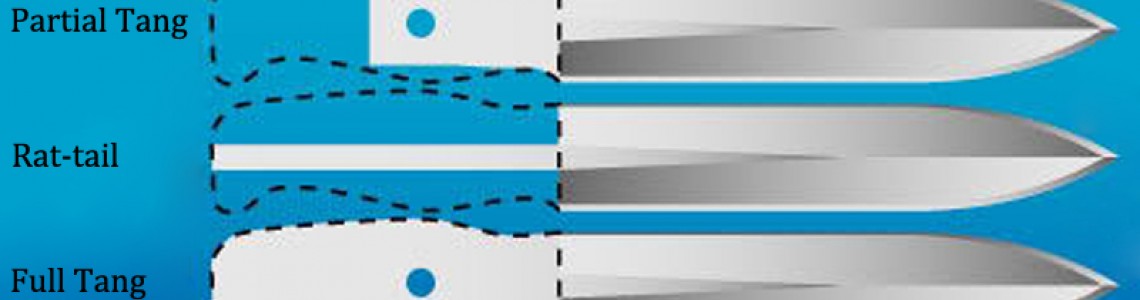
Full Tang vs Partial Tang vs Rat Tail Tang: Understanding Sword Tang Types
When buying a sword, most people focus on the blade, steel type, sharpness, or decorative fittings. However, one of the most important parts of a sword is usually hidden inside the handle: the tang.
The tang is the portion of the blade that extends into the handle. Its length, width, shape, and method of construction can affect the sword's balance, handling, and overall structural design.
When comparing full tang vs partial tang vs rat tail tang, it is important to understand that these terms describe different ways the blade continues into the handle. They are commonly discussed by sword collectors and buyers because tang construction is an important part of evaluating how a sword is assembled.
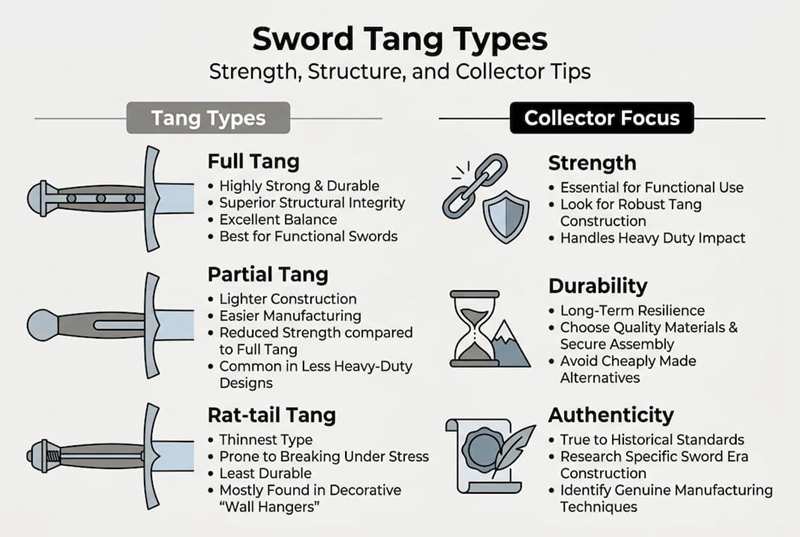
A full tang generally extends through the entire length of the handle. A partial tang extends only part of the way into the handle, while a rat tail tang, also called a stick tang, is much narrower than the blade and typically uses a thin rod-like section inside the grip.
This guide explains the main sword tang types, how they differ, and what buyers should look for when choosing a functional sword or katana.
What Is a Tang on a Sword?
The tang is the part of the blade that continues inside the handle. Although it is normally hidden when the sword is fully assembled, it plays an important role in connecting the blade and the handle.
Different sword traditions use different tang shapes and mounting systems. Japanese swords, for example, have a tang called the nakago. The nakago fits inside the tsuka, or handle, and is traditionally secured with one or more bamboo pegs known as mekugi.
When examining a sword tang, buyers should consider more than its name. The thickness of the steel, the shape of the tang, the transition between the blade and tang, the mounting system, and the overall quality of construction can all influence the finished sword.
Full Tang: What Does Full Tang Mean?
A full tang extends through the full length of the handle. Depending on the sword's design, the tang may not be exactly as wide as the handle, but it continues from the blade to the end of the grip.
Full tang construction is commonly associated with functional swords because the blade and handle are connected through a longer section of steel. This design can provide a solid structural foundation when the sword is properly forged and assembled.
A longer tang can also influence how the sword balances in the hand. Since a sword blade carries a significant amount of weight, the steel extending into the handle contributes to the overall weight distribution of the weapon.
Common Characteristics of a Full Tang Sword
- The tang extends through the entire length of the handle.
- The blade and tang are formed as part of the same piece of steel.
- The construction can provide strong support for the handle when properly designed.
- The tang contributes to the sword's overall balance and weight distribution.
- Full tang construction is commonly used in functional swords.
For buyers searching for a full tang sword, it is important to remember that the term alone does not describe every aspect of quality. Steel type, heat treatment, blade geometry, fittings, handle construction, and overall craftsmanship should also be considered.
Why Is Full Tang Construction Important?
The main advantage of a full tang design is the amount of steel that extends into the handle. Because the tang runs the full length of the grip, the blade and handle have a longer structural connection.
For functional swords, this construction is often preferred because the sword is designed as a complete system. The blade, tang, handle, fittings, and mounting method must work together rather than relying on one component alone.
Balance is another important consideration. A well-designed tang can help determine where the sword's center of balance falls. This affects how the sword feels during handling and how easily it can be controlled.
However, buyers should avoid assuming that every sword advertised as "full tang" is automatically a high-quality functional sword. A properly constructed sword depends on the combination of materials, heat treatment, assembly, and craftsmanship.
Partial Tang: What Is a Partial Tang Sword?
A partial tang does not extend through the entire length of the handle. Instead, the tang extends only part of the way into the grip.
Partial tang designs can include different lengths. Common descriptions include stub tangs, half tangs, and three-quarter tangs. These names generally describe how far the tang extends inside the handle.
Common Types of Partial Tang
- Stub Tang: A short tang that extends only a limited distance into the handle.
- Half Tang: A tang that extends approximately halfway through the handle.
- Three-Quarter Tang: A tang that extends most of the way through the handle but does not reach the end.
A partial tang uses less steel inside the handle than a full tang. For this reason, the construction and intended use of the sword become especially important when evaluating the design.
Partial tang designs may appear on lightweight or purpose-specific blades, but buyers should always understand the intended use of the sword before making a purchase.
Partial Tang vs Full Tang: What Is the Difference?
The main difference between a full tang sword and a partial tang sword is how far the steel extends into the handle. A full tang continues through the entire grip, while a partial tang only extends a limited distance.
Because the tang is hidden inside the handle, many buyers cannot see the construction without removing the sword fittings. This is why understanding tang terminology is important when researching a sword purchase.
| Feature | Full Tang | Partial Tang |
| Tang Length | Extends through the entire handle | Extends only part of the handle |
| Steel Amount | More steel inside the grip | Less steel inside the grip |
| Common Use | Functional swords and heavy-use designs | Various decorative or lightweight designs |
| Handle Connection | Longer structural connection | Shorter connection area |
For collectors looking for a functional sword, full tang construction is often preferred because it provides a more continuous connection between the blade and handle. However, the quality of the entire sword should always be considered instead of focusing on one feature alone.
Rat Tail Tang: What Is a Rat Tail Tang Sword?
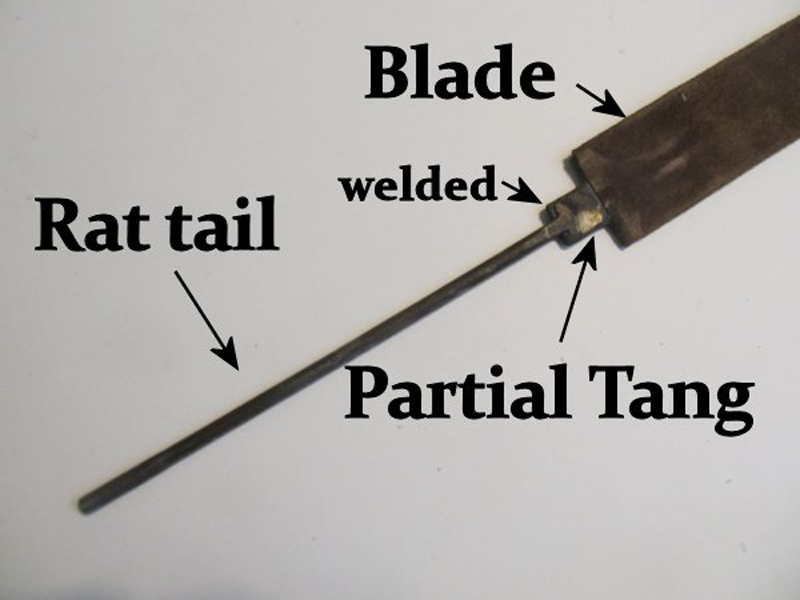
A rat tail tang, also called a stick tang, is a narrow tang design where the blade transitions into a thin rod-like section that extends into the handle.
The name comes from the appearance of the thin metal extension, which resembles a tail. Compared with a full tang sword, a rat tail tang contains much less steel inside the handle.
Rat tail tang construction is often found on inexpensive decorative swords or display pieces. While these swords may have attractive appearances, buyers should understand that the tang design is different from a functional full tang sword.
Characteristics of a Rat Tail Tang Sword
- The tang is significantly narrower than the blade.
- The handle contains only a thin metal extension.
- It is commonly used on decorative swords.
- The construction is designed differently from functional sword mounting.
- It should not be confused with a full tang design.
Rat Tail Tang vs Full Tang: Key Differences
The difference between a rat tail tang and a full tang is mainly the amount of steel extending into the handle. A full tang keeps a substantial section of the blade steel inside the grip, while a rat tail tang uses a much smaller extension.
| Feature | Full Tang Sword | Rat Tail Tang Sword |
| Tang Shape | Wide extension matching blade structure | Thin rod-like extension |
| Construction | Blade steel continues into handle | Small metal connection inside grip |
| Typical Purpose | Functional sword construction | Mostly decorative applications |
| Appearance | Designed for performance and balance | Often focused on appearance |
How to Identify Sword Tang Construction
Since the tang is hidden under the handle wrapping, identifying tang construction can sometimes be difficult. However, there are several ways buyers can research a sword before purchasing.
- Check product specifications from the manufacturer.
- Look for information about blade and handle construction.
- Ask whether the sword uses full tang construction.
- Research photos of the disassembled sword if available.
- Consider the intended purpose of the sword.
Reliable sword makers usually provide detailed information about steel type, heat treatment, tang construction, and mounting methods.
What Should You Consider When Buying a Functional Sword?
Tang construction is important, but it is only one part of sword quality. A well-made functional sword requires a combination of proper materials, craftsmanship, and design.
- Steel Type: The blade material affects durability and performance.
- Heat Treatment: Proper heat treatment improves blade properties.
- Blade Geometry: Blade shape influences cutting ability and balance.
- Handle Construction: The handle must securely support the blade.
- Fittings Quality: Good fittings improve both appearance and assembly.
HanBon Forge Full Tang Katana Construction
At HanBon Forge, functional katana are designed with traditional sword construction principles, including full tang blade structures. A properly made full tang katana provides a continuous connection between the blade and handle, creating a solid foundation for the sword assembly.
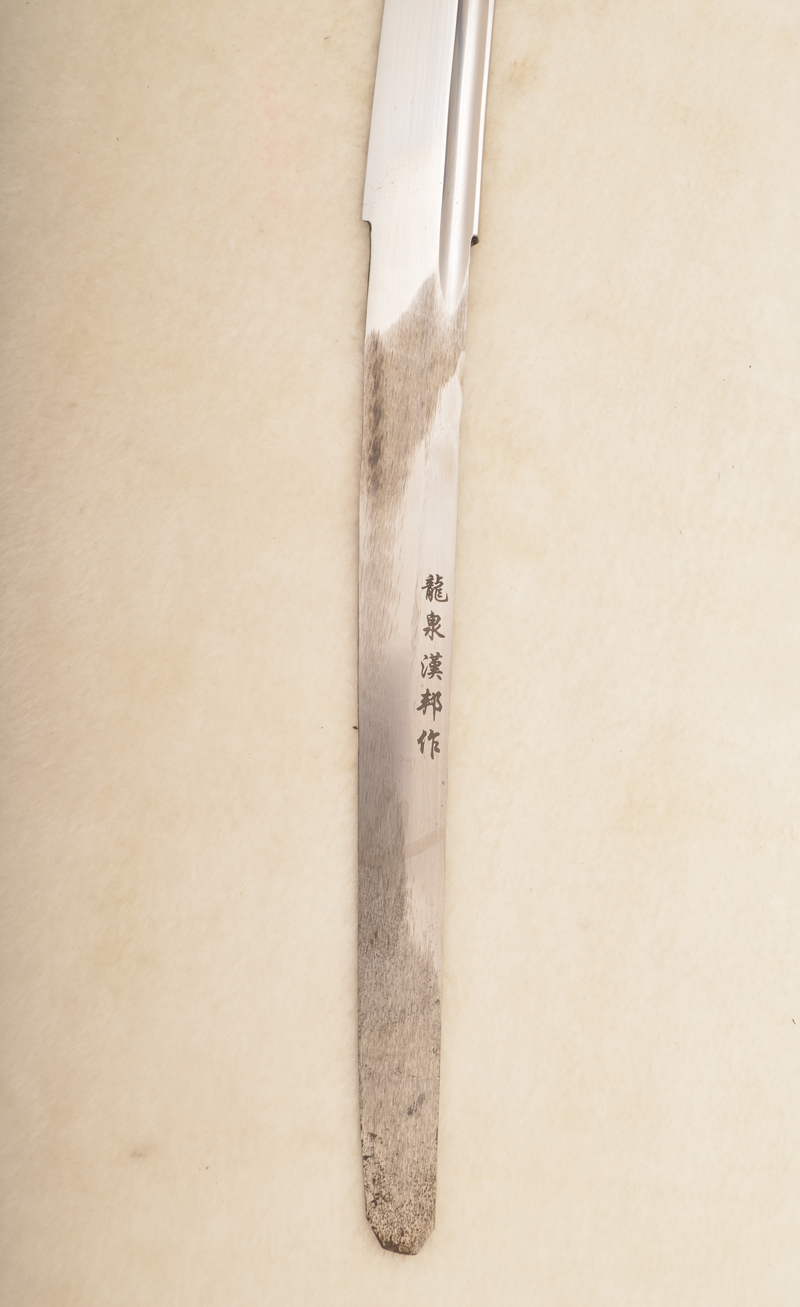
The tang, known as the nakago in Japanese sword terminology, extends into the handle and is secured using traditional mounting methods. Quality sword construction requires careful attention to the blade, tang, handle, fittings, and overall balance.
For customers looking for a functional katana, understanding tang construction is an important step in choosing the right sword. A full tang design, combined with quality steel, proper heat treatment, and skilled craftsmanship, creates a reliable and well-balanced sword.
Why Choose a Full Tang Katana?
A full tang katana is preferred by many sword collectors because the blade and handle are connected through a longer section of steel. This construction helps create a more complete sword system.
- Better structural connection: The blade steel extends into the handle.
- Improved balance: The tang contributes to the overall weight distribution.
- Traditional construction: Many Japanese swords use extended tang designs.
- Suitable for functional swords: Full tang designs are commonly chosen for practical sword applications.
- Collector confidence: Detailed construction information helps buyers understand the sword quality.
However, a sword should always be evaluated as a complete product. Full tang construction is an important feature, but steel quality, forging method, heat treatment, blade design, and craftsmanship are equally important.
Full Tang vs Partial Tang vs Rat Tail Tang: Which One Is Better?
The answer depends on the purpose of the sword. Decorative swords, display pieces, training swords, and functional swords may use different construction methods depending on their intended use.
For collectors who want a functional sword, a well-made full tang design is generally considered a preferred choice because it provides a stronger connection between the blade and handle.
For decorative purposes, a different construction may be acceptable because the sword is mainly designed for visual display rather than handling.
| Tang Type | Best For | Main Feature |
| Full Tang | Functional swords and serious collectors | Steel extends through the handle |
| Partial Tang | Certain lightweight or decorative designs | Steel extends only part of the handle |
| Rat Tail Tang | Mostly display swords | Thin rod-like tang |
Conclusion: Understanding Sword Tang Types Before Buying
Understanding the difference between full tang vs partial tang vs rat tail tang helps buyers make better decisions when purchasing a sword. The tang is one of the most important structural components because it connects the blade and handle together.
A full tang sword generally provides a stronger and more continuous construction, while partial tang and rat tail tang designs are often used for different purposes. The best choice depends on whether the sword is intended for display, collection, training, or functional use.
When choosing a katana or functional sword, buyers should consider the entire construction, including steel type, heat treatment, blade geometry, fittings, handle design, and tang structure.
Frequently Asked Questions About Sword Tang Types
1. What is a full tang sword?
A full tang sword has a tang that extends through the entire length of the handle. The blade and handle are connected through a continuous section of steel.
2. Is a full tang sword stronger than a partial tang sword?
A full tang design generally provides a longer structural connection between the blade and handle. However, overall sword quality also depends on materials, craftsmanship, and construction.
3. What is a rat tail tang?
A rat tail tang is a narrow tang design where a thin metal rod extends into the handle. It is commonly found on decorative swords.
4. Is a rat tail tang suitable for a functional sword?
Rat tail tang designs are generally associated with decorative swords rather than functional swords because the tang contains less supporting steel inside the handle.
5. What type of tang does a katana have?
Traditional Japanese katana use a tang called a nakago. The tang extends into the handle and is secured using traditional fittings such as mekugi.
6. Can you see the tang without taking apart the sword?
Usually the tang is hidden under the handle wrapping. Buyers should check manufacturer specifications or request construction information before purchasing.
7. Does full tang mean a sword is high quality?
No. Full tang is an important construction feature, but quality also depends on steel, heat treatment, blade design, and craftsmanship.
8. What is the best tang type for a katana?
For a functional katana, many collectors prefer a properly made full tang construction because it provides a strong connection between the blade and handle.
9. Why is tang construction important when buying a sword?
Tang construction affects how the blade and handle are connected. Understanding tang types helps buyers choose swords that match their intended use.
10. Should beginners choose a full tang sword?
For beginners interested in functional swords, learning about full tang construction is a useful step when comparing sword quality and design.