
Damascus Folded Steel Forging Method | How Damascus Steel Is Made

Forging Method of Damascus Folded Steel: How Damascus Steel Is Made
Damascus steel has been admired by sword enthusiasts for centuries because of its unique patterns, excellent craftsmanship, and connection with traditional forging techniques. Today, Damascus folded steel is widely used for knives, swords, and custom katana because of its beautiful layered appearance and artistic value.
The process of creating Damascus steel requires careful material selection, precise forge welding, repeated folding, heat treatment, and polishing. Each step influences the final strength, appearance, and quality of the blade.
Understanding the Damascus steel forging method helps collectors better appreciate the skill and time required to produce a handmade Damascus sword.
What Is Damascus Folded Steel?
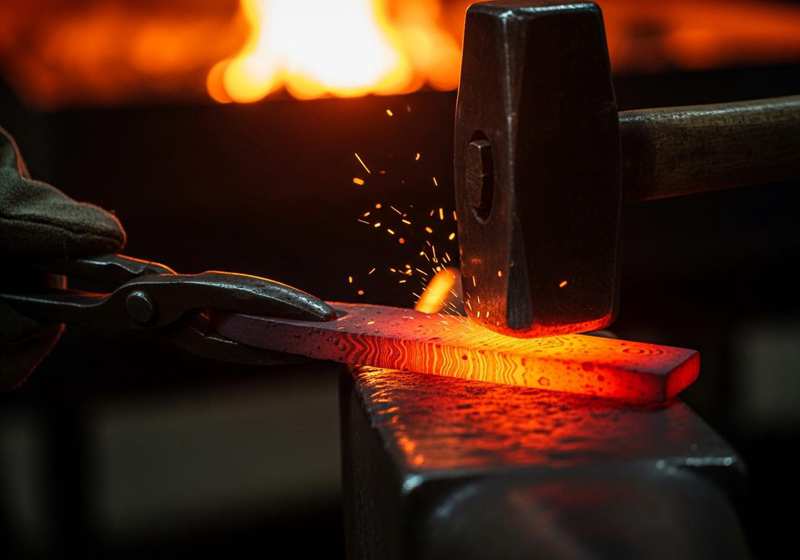
Damascus folded steel is a type of layered steel created by combining different types of steel through forge welding and repeated folding. This process produces many visible layers and creates the distinctive flowing patterns commonly associated with Damascus blades.
Modern Damascus steel is usually made through a technique known as pattern welding. Different steels with varying carbon content and characteristics are stacked together, heated in a forge, welded into one block, and repeatedly folded to create a unified blade material.
The number of folds affects the final layer count and pattern complexity. More folding creates finer patterns, although the quality of the steel depends more on the materials and forging skill than simply the number of layers.
History of Damascus Steel
The history of Damascus steel is connected with ancient sword-making traditions from the Middle East and Asia. Historical Damascus blades were famous for their strength, flexibility, and distinctive surface patterns.
Traditional Damascus steel was often associated with wootz steel, a crucible steel produced through a different manufacturing method. Ancient craftsmen created blades from carefully controlled steel ingots that developed unique patterns during forging and polishing.
Modern Damascus folded steel developed from pattern welding techniques, which recreate the visual appearance of layered steel while allowing craftsmen to combine different modern steel types.
True Damascus Steel vs Modern Damascus Folded Steel
Many people use the term “Damascus steel” to describe all patterned blades, but historical Damascus steel and modern Damascus folded steel are created through different processes.
| Type | Characteristics |
| Historical Damascus (Wootz) | Created from crucible steel with unique internal structures formed during production. |
| Modern Damascus Folded Steel | Made by forge welding multiple steel layers to create visible patterns. |
| Pattern Welded Steel | A modern technique using different steels combined through welding and folding. |
Although the manufacturing methods are different, both traditional and modern Damascus steels represent advanced metalworking skills and artistic blade craftsmanship.
Why Does Damascus Steel Have Unique Patterns?
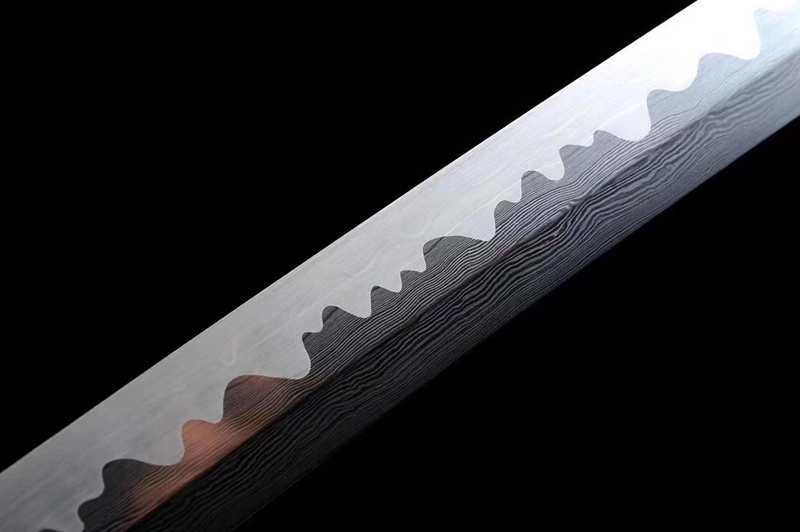
The famous patterns of Damascus steel are created by the contrast between different steel layers. After forging and polishing, the layered structure becomes visible and reveals flowing lines, waves, or other decorative designs.
Common Damascus patterns include:
- Twist Pattern: Created by twisting layered steel before forging.
- Ladder Pattern: Produced through controlled cutting and forging methods.
- Random Pattern: Creates a natural flowing appearance.
- Raindrop Pattern: Forms circular patterns across the blade surface.
The final Damascus pattern depends on the steel combination, folding method, forging technique, and polishing process used by the craftsman.
The Forging Process of Damascus Folded Steel
Creating Damascus folded steel is a complex process that requires experience, precise temperature control, and careful handling of the materials. Each stage of forging affects the final appearance, strength, and performance of the blade.
Although modern equipment can assist the process, high-quality Damascus blades still depend heavily on the skill of the craftsman.
Step 1: Selecting Different Steel Materials
The first step in making Damascus steel is choosing suitable steel materials. Traditionally, craftsmen combine steels with different properties to create contrast and improve the characteristics of the blade.
Common combinations include high-carbon steel with lower-carbon steel or steels with different alloy compositions. The purpose is to create a balance between hardness, flexibility, and visual pattern.
- High Carbon Steel: Provides hardness and edge retention.
- Lower Carbon Steel: Adds toughness and flexibility.
- Different Alloy Steels: Create visible contrast after etching and polishing.
Step 2: Stacking and Forge Welding the Steel Layers
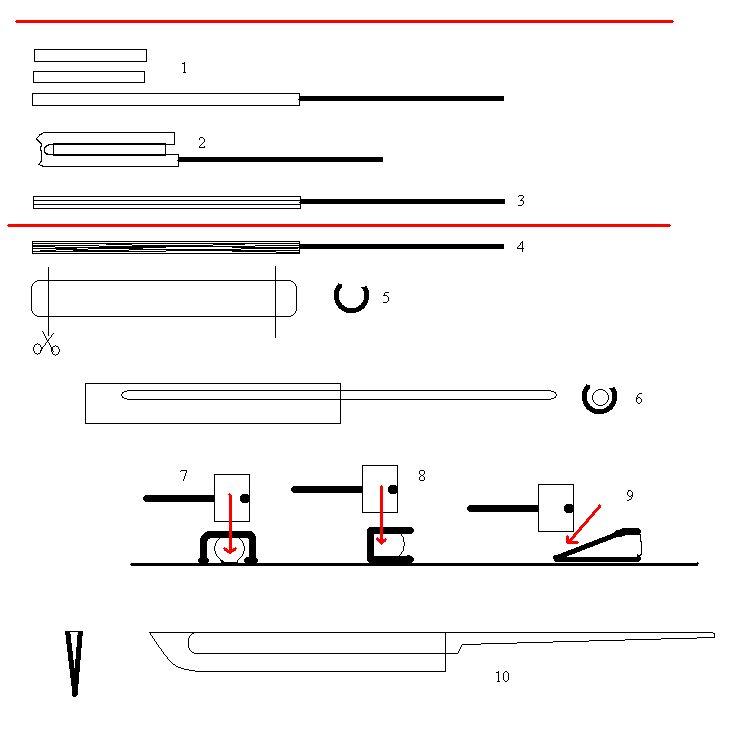
After selecting the materials, the steel pieces are cleaned, arranged, and stacked together. This layered block is then heated in a forge until the surfaces become suitable for welding.
The craftsman uses hammering pressure to combine the separate pieces into a single steel billet. This process is called forge welding.
A successful forge weld requires accurate temperature control. If the temperature is too low, the layers may not bond properly. If it is too high, the steel structure can be damaged.
Step 3: Folding the Steel to Create More Layers
The folding process is one of the most recognizable steps in Damascus steel production. After the initial billet is welded, it is heated, folded, and forge welded again.
Each folding cycle increases the number of visible layers and changes the appearance of the final Damascus pattern.
| Number of Folds | Approximate Layer Increase |
| 1 Fold | Doubles the original layers. |
| 5 Folds | Creates multiple layers with more visible pattern development. |
| 10+ Folds | Produces highly refined layered structures and complex patterns. |
However, more folds do not automatically mean a better blade. The quality of Damascus steel depends on the steel selection, forging skill, heat treatment, and final finishing.
Step 4: Creating Damascus Steel Patterns
After the layered billet is created, craftsmen shape the steel to reveal the desired Damascus pattern. Different forging techniques create different visual effects on the blade surface.
The pattern is not simply painted onto the blade. It is formed by the actual arrangement of the steel layers inside the material.
Common pattern-forming techniques include:
- Twisting: The steel billet is twisted before final forging to create spiral patterns.
- Manipulation: The surface is carefully shaped to create specific designs.
- Layer Arrangement: Different stacking methods create different Damascus appearances.
Step 5: Forging, Heat Treatment, and Polishing
After the Damascus billet has reached the desired shape, the blade undergoes additional forging and heat treatment.
Heat treatment is one of the most important stages because it determines the hardness, toughness, and durability of the finished blade.
- Normalizing: Helps refine the internal steel structure.
- Hardening: Increases blade hardness and edge performance.
- Tempering: Balances hardness with flexibility.
- Polishing: Reveals the Damascus layers and final pattern.
A skilled polishing process is essential because the Damascus pattern only becomes fully visible after careful surface finishing and treatment.
Advantages of Damascus Folded Steel
Damascus folded steel is popular among sword collectors because it combines traditional forging techniques with unique visual beauty. A well-made Damascus blade represents both craftsmanship and artistic expression.
Modern Damascus steel is valued for several advantages:
- Unique Appearance: Every Damascus blade has its own pattern created by the arrangement of steel layers.
- Craftsmanship Value: The forging process requires time, skill, and experience.
- Balanced Performance: Proper steel selection and heat treatment can create a durable and functional blade.
- Collector Appeal: Damascus swords are highly appreciated for their artistic and handmade characteristics.
Damascus Steel for Katana and Swords
Damascus steel is commonly used for custom katana, knives, and decorative swords. When combined with traditional Japanese sword designs, Damascus creates a unique appearance while maintaining the characteristics expected from a handmade blade.
A Damascus katana requires careful attention during every stage, including forging, heat treatment, polishing, and fitting of the sword components.
The final quality of a Damascus sword depends not only on the visible pattern but also on the steel quality, forging method, and craftsmanship behind the blade.
How to Maintain a Damascus Steel Blade
Although Damascus steel is durable, proper maintenance is necessary to preserve the blade surface and prevent corrosion.
- Clean the blade after handling to remove fingerprints and moisture.
- Apply a thin layer of sword oil for long-term protection.
- Store the sword in a dry environment.
- Avoid touching the polished blade surface with bare hands.
Regular maintenance helps protect both the Damascus pattern and the overall condition of the sword.
Frequently Asked Questions About Damascus Folded Steel
What is Damascus folded steel?
Damascus folded steel is a layered steel created by forge welding different steel materials together and repeatedly folding them to produce visible patterns and a unique blade structure.
How is Damascus steel made?
Modern Damascus steel is made by stacking different steels, forge welding them into one billet, folding the material multiple times, shaping the blade, heat treating, and polishing the surface to reveal the pattern.
Is Damascus steel stronger than regular steel?
Damascus steel is not automatically stronger than all other steels. Its performance depends on the steel types used, forging method, heat treatment, and craftsmanship.
How many layers does Damascus steel have?
The number of layers depends on the original materials and folding process. Some Damascus blades may contain hundreds or thousands of visible layers after repeated folding.
Is modern Damascus steel the same as historical Damascus steel?
No. Historical Damascus steel was traditionally associated with wootz crucible steel, while modern Damascus is usually produced through pattern welding techniques.
Why does Damascus steel have patterns?
The patterns appear because different steel layers react differently during forging, polishing, and surface treatment, revealing the internal layered structure.
Is Damascus steel good for katana?
Yes. Properly made Damascus steel can be used for katana and swords when combined with suitable heat treatment and professional craftsmanship.
Final Thoughts
The forging process of Damascus folded steel represents a combination of traditional techniques, material knowledge, and artistic craftsmanship. From selecting steel materials to revealing the final pattern, every step requires precision and experience.
A Damascus blade is more than a sword with a beautiful surface. It represents the dedication of the craftsman and the long history of steel forging.
Whether used for a custom katana, collector sword, or handmade blade, Damascus folded steel continues to attract sword enthusiasts around the world.