
Seppa Spacers Explained | Japanese Sword Parts and Functions
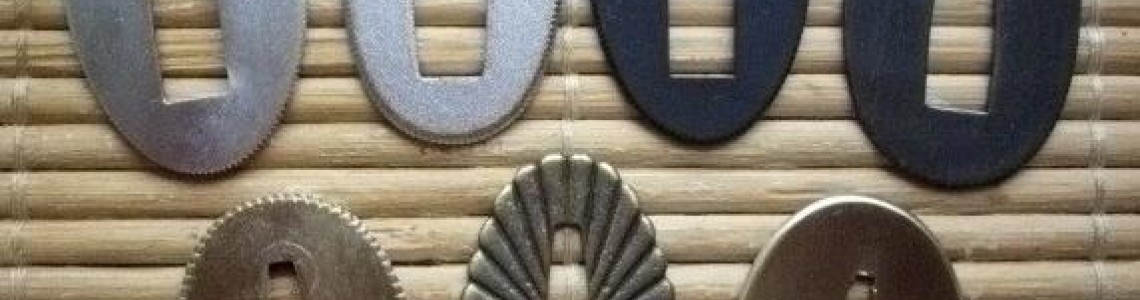
Seppa Spacers: The Small but Important Parts of a Japanese Sword
When people admire a Japanese sword, most attention usually goes to the blade, tsuba, or decorative fittings. However, many smaller components play an important role in creating a strong and well-balanced sword. One of these essential parts is the Seppa (切羽).
Seppa spacers are thin metal pieces installed around the tsuba (sword guard) of a Japanese sword. Although they may look simple, they are responsible for improving the fit of the sword mounting, reducing movement between fittings, and creating a solid connection between the blade and handle.
Understanding the function of Japanese sword Seppa helps collectors and sword enthusiasts better appreciate the detailed craftsmanship behind traditional katana fittings.
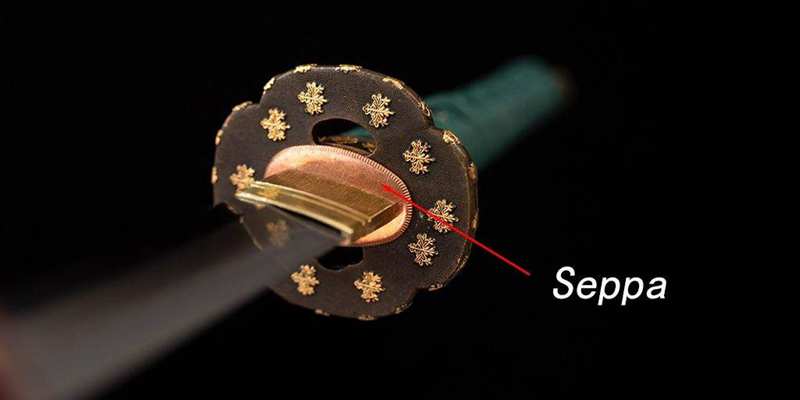
What Is Seppa on a Japanese Sword?
Seppa are small metal spacer plates used in Japanese sword mountings. They are usually placed on both sides of the tsuba, filling small gaps between the sword guard and other fittings such as the habaki and fuchi.
The word Seppa refers to these thin spacer components that help adjust the tightness and alignment of the sword assembly. They are an important part of traditional katana parts and are found in many types of Japanese sword koshirae.
Although Seppa are not as visually noticeable as the tsuba or menuki, a properly fitted pair of Seppa can greatly improve the overall quality and stability of a sword.
Where Are Seppa Located on a Katana?
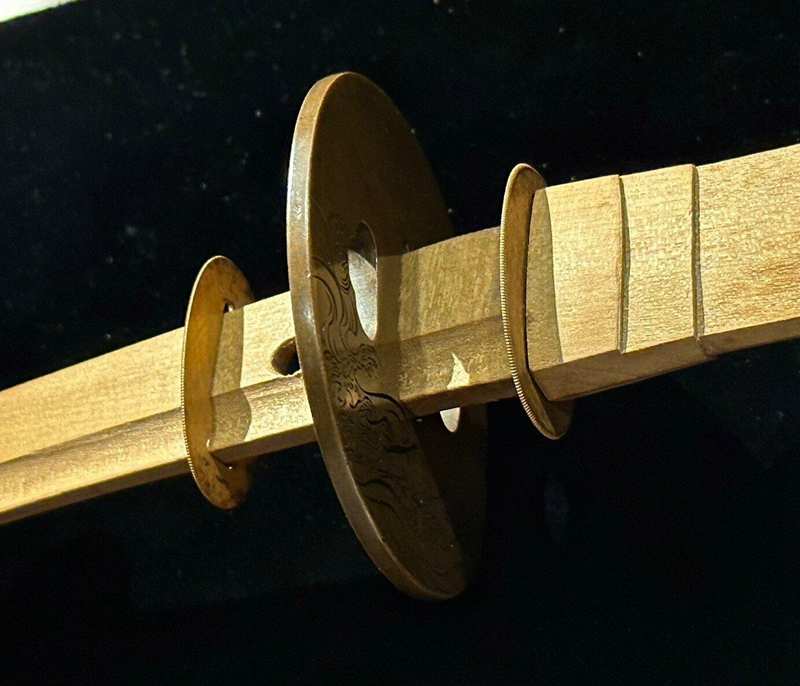
In a traditional Japanese sword mounting, Seppa are positioned around the tsuba. The usual arrangement is:
- Habaki: The blade collar located at the base of the blade.
- Blade-side Seppa: The spacer between the habaki and tsuba.
- Tsuba: The hand guard of the sword.
- Handle-side Seppa: The spacer between the tsuba and fuchi.
- Fuchi: The metal collar at the front of the tsuka handle.
This arrangement allows the different sword fittings to fit tightly together and creates a stable connection between the blade, guard, and handle.
The Main Functions of Seppa Spacers
Although Seppa are small components, they perform several important functions in Japanese sword construction.
1. Securing the Tsuba and Sword Fittings
The primary function of Seppa is to keep the tsuba firmly positioned between the blade and handle fittings. They fill small spaces and prevent unwanted movement in the sword mounting.
Without properly fitted Seppa, the tsuba may become loose, causing vibration or rattling when the sword is moved.
2. Preventing Sword Rattle
A quality Japanese sword should feel solid when handled. Seppa help eliminate gaps between components, preventing the uncomfortable shaking or clicking sound caused by loose fittings.
For functional swords, proper Seppa fitting is especially important because the entire mounting must work together as one structure.
3. Protecting Other Sword Fittings
Seppa also act as a buffer between metal components. They reduce direct contact between the tsuba, habaki, and fuchi, helping protect these valuable fittings from unnecessary wear.
Materials Used for Japanese Sword Seppa
Traditional Seppa are commonly made from metals such as copper, brass, iron, and other alloys. The chosen material depends on the sword style, quality level, and desired appearance.
| Material | Characteristics |
| Copper | Traditional material with good durability and excellent fitting properties. |
| Brass | Provides a golden appearance and is commonly used in modern sword fittings. |
| Iron | Strong material often used for traditional-style fittings. |
Different Types of Seppa Used on Japanese Swords
Although Seppa are small components, they can have different shapes, thicknesses, and designs depending on the style of the sword mounting. Traditional sword makers adjusted Seppa carefully to achieve the perfect fit between the fittings.
The most common types of Seppa are simple functional pieces, while some higher-quality examples feature decorative details matching the overall style of the sword.
| Type | Features |
| Standard Seppa | Simple metal spacers mainly used for fitting and adjustment. |
| Decorative Seppa | May include patterns, textures, or engraved details. |
| Custom Seppa | Made specifically to match custom sword fittings and dimensions. |
How Seppa Work With Tsuba and Habaki
The relationship between Seppa, tsuba, and habaki is essential for proper Japanese sword assembly. These parts work together to create a tight and stable mounting system.
The habaki locks the blade into the saya and provides the foundation for the sword mounting. The Seppa then adjust the spacing between the habaki and tsuba, ensuring the guard sits correctly.
On the handle side, another Seppa helps create a secure connection between the tsuba and fuchi. This prevents movement and keeps the entire sword assembly tight.
A well-fitted combination of habaki, Seppa, tsuba, and fuchi is one of the signs of a carefully crafted Japanese sword.
The Importance of Proper Seppa Fitting
The quality of Seppa fitting directly affects the overall feeling of a Japanese sword. Even a high-quality blade can feel unstable if the small components around the tsuba are not properly adjusted.
Sword craftsmen carefully measure the thickness and shape of Seppa to remove unwanted gaps between fittings. This process requires experience because every sword mounting has slightly different dimensions.
- Correct Thickness: Prevents loose movement between fittings.
- Proper Shape: Ensures the Seppa matches the tsuba and tang opening.
- Accurate Positioning: Keeps the blade, guard, and handle aligned.
How to Identify High Quality Seppa
Quality Japanese sword Seppa may appear simple, but careful inspection reveals differences between ordinary and well-crafted examples.
High-quality Seppa should fit smoothly against the surrounding fittings without excessive gaps. The edges should be clean, and the material should be strong enough to maintain its shape over time.
For custom katana projects, properly made Seppa help create a professional finish and improve the overall appearance of the sword mounting.
- Smooth and accurate edges.
- Correct thickness for the sword assembly.
- Secure fit with tsuba and habaki.
- Material quality matching the rest of the fittings.
Common Problems With Katana Seppa
Because Seppa are responsible for adjusting the sword fittings, incorrect sizing or poor installation can cause several issues.
Loose Tsuba
If Seppa are too thin or incorrectly fitted, the tsuba may move during handling. This creates unwanted vibration and affects the sword’s stability.
Incorrect Spacing
Seppa that do not match the sword dimensions can create gaps between fittings, reducing the quality of the overall mounting.
Damaged or Bent Seppa
Thin or low-quality Seppa may deform over time, especially if the sword is handled frequently. Proper material selection helps prevent this problem.
Choosing Seppa for a Custom Katana
When ordering a custom katana, Seppa should not be overlooked. Although they are small parts, they contribute to the overall quality and functionality of the sword.
Collectors should consider the material, thickness, color, and compatibility of Seppa with the other fittings such as the tsuba, habaki, and fuchi.
A carefully fitted Seppa set helps create a traditional Japanese sword that is not only visually impressive but also structurally reliable.
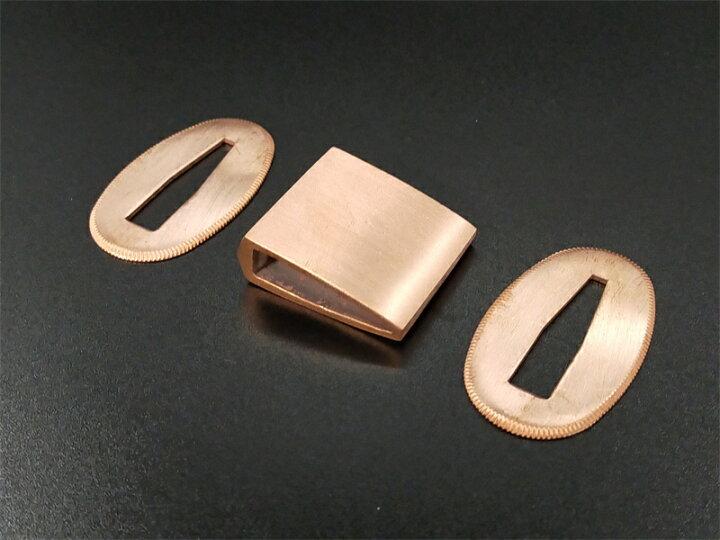
How to Maintain Japanese Sword Seppa
Although Seppa are small metal components, proper maintenance helps preserve the quality of a Japanese sword mounting. Regular inspection can prevent problems caused by loose fittings or corrosion.
When maintaining a katana, collectors should check the condition of the Seppa together with the tsuba, habaki, and fuchi. A stable sword mounting should have no unnecessary movement or rattling sounds.
- Keep Seppa clean and dry to prevent oxidation.
- Inspect the fitting between Seppa and tsuba regularly.
- Avoid forcing loose or incorrectly sized parts together.
- Replace damaged Seppa with properly fitted replacements.
Frequently Asked Questions About Seppa Spacers
What is Seppa on a Japanese sword?
Seppa are thin metal spacer plates used in Japanese sword fittings. They are placed around the tsuba to adjust spacing, improve stability, and create a tighter sword assembly.
What does Seppa do on a katana?
The main function of Seppa is to fill small gaps between sword fittings. They help secure the tsuba, prevent movement, and improve the overall balance and stability of the katana.
Where are Seppa located on a Japanese sword?
Seppa are usually installed on both sides of the tsuba. One Seppa is placed between the habaki and tsuba, while another is placed between the tsuba and fuchi.
What materials are Japanese sword Seppa made from?
Traditional Seppa are commonly made from copper, brass, iron, and other metal alloys. The material depends on the sword style and the quality of the fittings.
Can Seppa affect katana performance?
Yes. Although Seppa are small parts, correctly fitted Seppa help create a stronger connection between the blade, tsuba, and handle, improving the overall stability of the sword.
Are Seppa important for decorative swords?
Yes. Even decorative katana benefit from properly fitted Seppa because they improve the appearance and alignment of the sword fittings.
Can I customize Seppa for a katana?
Yes. Custom Seppa can be selected according to the sword design, fitting style, material preference, and overall appearance of the katana.
Final Thoughts
Seppa may be small compared with other Japanese sword parts, but they play an important role in traditional katana construction. These simple spacer pieces help create a secure connection between the blade, guard, and handle.
From historical swords to modern custom katana, properly fitted Seppa contribute to both function and appearance. Understanding these details allows sword collectors to better appreciate the craftsmanship behind Japanese sword fittings.
Every component of a Japanese sword has a purpose, and Seppa represent the careful engineering and attention to detail that define traditional sword making.