
How to Identify a Genuine HanBon Forge Sword | Katana Buying Guide
How to Identify a Genuine HanBon Forge Sword: A Complete Buyer’s Guide
With the growing popularity of Japanese swords, more buyers are searching for authentic handmade Katana that offer real craftsmanship, quality materials, and reliable performance. However, with many sword sellers available online, it is important to understand how to identify a genuine HanBon Forge sword before making a purchase.
A real HanBon Forge Katana is not defined by appearance alone. The steel quality, forging process, blade construction, fittings, and craftsmanship all play an important role in determining authenticity.
Whether you are looking for a functional Katana, a collectible Japanese sword, or a custom handmade blade, understanding these details will help you recognize the characteristics of a genuine HanBon Forge sword.
In this guide, we will explain the key features that distinguish an authentic HanBon Forge sword from low-quality replicas and help you make a more informed buying decision.
Why Is It Important to Identify a Genuine HanBon Forge Sword?
A handmade Katana represents a combination of traditional sword-making techniques and modern craftsmanship. Many inexpensive replicas may look similar in photographs, but the differences become clear when examining the materials, construction, and finishing details.
A genuine HanBon Forge sword focuses on:
- Quality Steel: Functional blades are made using suitable sword steels such as 1060 carbon steel, 1095 high carbon steel, T10 steel, and other selected materials.
- Proper Heat Treatment: Clay tempering and heat treatment determine blade performance, hardness, and durability.
- Handmade Craftsmanship: Skilled workmanship can be seen in blade polishing, fittings, wrapping, and overall assembly.
- Customization Options: Genuine HanBon Forge swords can be customized with different fittings, engravings, and blade specifications.
Understanding these features allows buyers to recognize the difference between a carefully crafted Japanese-style sword and a decorative imitation.
1. Check the Steel Type and Blade Material
One of the most important ways to identify a genuine HanBon Forge sword is by checking the blade material. The steel used directly affects the sword’s strength, flexibility, sharpness, and durability.
Authentic functional Katana are generally made from high-carbon steel rather than low-quality decorative materials.
| Steel Type | Main Characteristics |
| 1060 Carbon Steel | Excellent toughness and flexibility, suitable for beginners and cutting practice. |
| 1095 Carbon Steel | Higher hardness and good edge retention for experienced users. |
| T10 Tool Steel | Premium steel known for durability, sharpness, and clay-tempered blades. |
A trustworthy sword seller should clearly provide information about the steel type, forging method, and heat treatment process. Buyers should be cautious of listings that only describe a sword as “real” without explaining the actual materials used.
2. Look for Full Tang Construction
A genuine functional Katana should have a full tang construction. The tang (nakago) is the extended part of the blade that continues inside the handle and is secured with mekugi pins.
Full tang construction provides better strength, balance, and structural stability compared with decorative swords that use partial or hidden tang designs.
Important signs of quality construction include:
- A solid full tang blade design.
- Secure bamboo mekugi pins.
- Properly fitted handle components.
- Ability to disassemble the sword for inspection and maintenance.
The construction quality of the handle and tang is one of the biggest differences between a real handmade Katana and a decorative wall hanger.

3. Examine the Handmade Craftsmanship
A genuine HanBon Forge sword reflects the skill of the craftsman through many small details. Handmade swords are not simply mass-produced items; every part requires careful adjustment and finishing.
When inspecting a sword, pay attention to:
- Blade Polish: The blade surface should have a clean and consistent finish.
- Hamon: Clay-tempered blades may display natural hamon patterns created through differential hardening.
- Tsuka Wrapping: The handle wrapping should be tight, even, and secure.
- Fittings: Tsuba, fuchi, kashira, and menuki should fit properly without excessive movement.
These details are difficult to replicate in low-cost factory replicas and are often the first signs of quality craftsmanship.
4. Check the Authentic Hamon Pattern
One of the most recognizable features of a traditional Japanese-style Katana is the hamon (temper line). A genuine hamon is created through the clay tempering process, where different areas of the blade receive different levels of hardness during heat treatment.
A real hamon is not simply a decorative line painted onto the blade. It is a natural result of the hardening process and can usually be seen more clearly under proper lighting and polishing.
When checking a HanBon Forge Katana, look for:
- A natural transition between the hardened edge and softer body of the blade.
- A hamon pattern that follows the blade shape naturally.
- Different patterns such as Suguha, Gunome, or Notare depending on the sword design.
- A polished surface that allows the hamon to appear clearly.
Buyers should be careful with swords that advertise a “hamon” but only have a printed or acid-etched pattern without real heat treatment.

5. Inspect the Tsuka and Genuine Samegawa Handle Construction
The handle (tsuka) is another important area that shows the quality of a Katana. A properly made Japanese sword handle should provide strength, comfort, and a secure grip.
A genuine HanBon Forge sword uses carefully selected handle materials and traditional assembly methods.
Important handle features include:
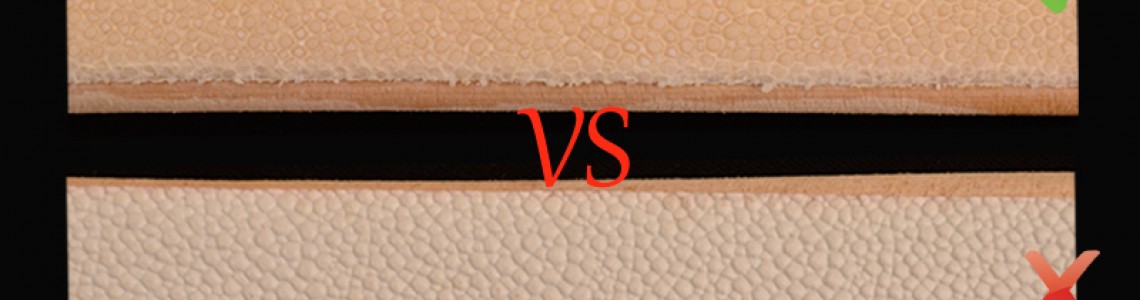
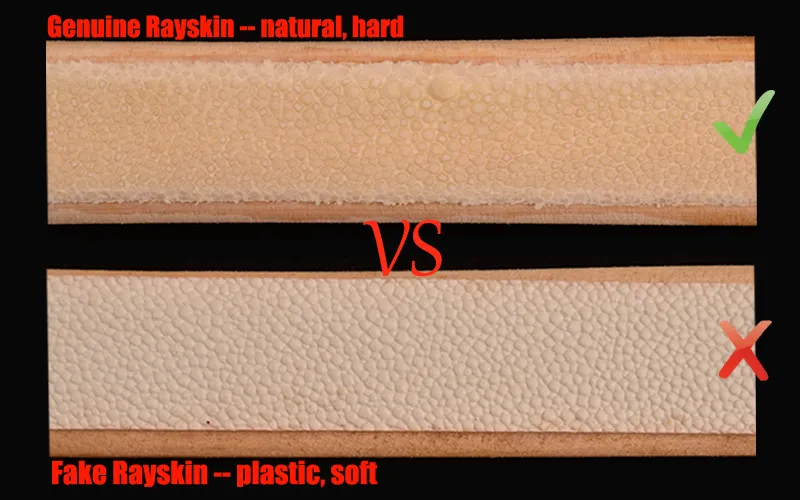
- Genuine Samegawa: Real ray skin provides durability and improves the grip structure.
- Traditional Tsuka-Ito Wrapping: The silk or synthetic wrapping should be tight and evenly arranged.
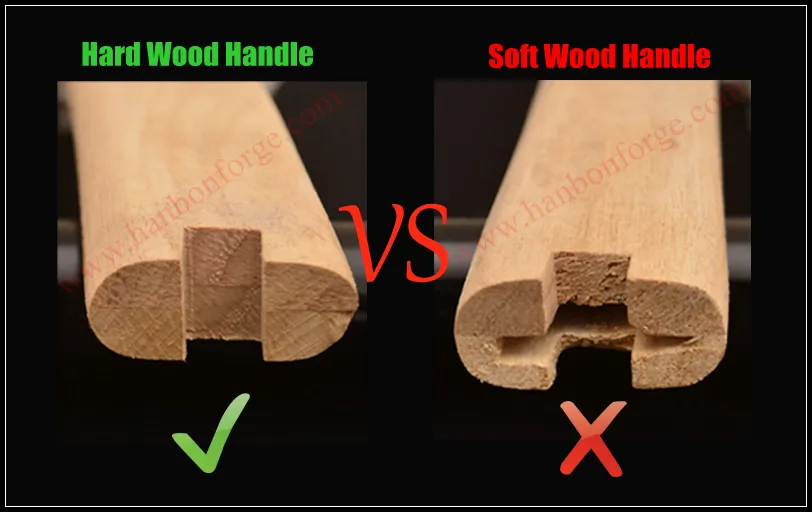
- Hardwood Core: A strong wooden handle core provides stability.
- Bamboo Mekugi: Properly fitted bamboo pins secure the blade inside the handle.
Low-quality replicas often use imitation materials or loose handle construction, which can affect both appearance and safety.
6. Examine the Sword Fittings (Koshirae)
The fittings of a Katana, known as koshirae, include components such as the tsuba (guard), fuchi, kashira, and menuki. These parts are not only decorative but also contribute to the overall balance and traditional appearance of the sword.
A genuine HanBon Forge sword should have properly fitted components with attention to detail.
| Part | What To Check |
| Tsuba | Should fit securely without excessive movement. |
| Fuchi & Kashira | Should match the sword design and be properly installed. |
| Menuki | Should be positioned correctly under the wrapping. |
| Saya | Should fit the blade smoothly without excessive looseness. |
The combination of blade quality and carefully assembled fittings creates the complete appearance of a traditional Japanese sword.
7. Verify the Purchase Source and Product Information
One of the simplest ways to identify a genuine HanBon Forge sword is purchasing directly through the official HanBon Forge website or authorized channels.
A trustworthy seller should provide detailed product information, including:
- Steel type and blade specifications.
- Blade length and sword measurements.
- Heat treatment method.
- Customization options.
- Clear product photos and descriptions.
Be careful with websites or sellers using HanBon Forge product images while offering unrelated products. Checking the official product details and ordering information is the safest way to ensure authenticity.
8. Compare Product Details Before Buying
A real handmade Katana should include detailed specifications instead of only marketing descriptions.
Before purchasing, compare:
- Steel material such as T10, 1095, or 1060 carbon steel.
- Blade construction and forging method.
- Whether the blade is full tang.
- Whether the sword has real clay tempering.
- Quality of fittings and handle materials.
Detailed specifications show that the manufacturer understands sword craftsmanship and provides transparency to buyers.
Common Signs of a Fake or Low-Quality Katana
Before purchasing a Japanese sword, it is important to recognize warning signs that may indicate poor quality or inaccurate product information. Many inexpensive replicas focus only on appearance while ignoring important structural details.
Common problems found in low-quality swords include:
- Unknown Steel Material: The seller cannot clearly explain what type of steel is used.
- Decorative Blade Only: The sword has a painted hamon or a non-functional blade.
- Weak Construction: The handle is loose or the blade does not have a proper full tang.
- Poor Fittings: The tsuba, saya, or handle components do not fit correctly.
- Missing Specifications: The product page does not provide important details about length, weight, steel, or forging method.
A genuine handmade Katana should provide clear information about its materials and construction. Transparency is one of the most important signs of a reliable sword maker.
Why Choose a Genuine HanBon Forge Sword?
A real HanBon Forge Katana combines traditional Japanese sword aesthetics with modern handmade craftsmanship. Each sword is created with attention to blade quality, balance, materials, and customer customization requirements.
Key advantages include:
- Wide Steel Selection: Options including T10 steel, 1095 carbon steel, 1060 carbon steel, Damascus steel, and other materials.
- Hand Forged Blades: Handmade production processes focus on strength, balance, and traditional appearance.
- Real Clay Tempering: Selected blades feature genuine hamon created through heat treatment.
- Custom Options: Customers can personalize blade length, engraving, fittings, and other details.
- Complete Sword Craftsmanship: From blade to koshirae, each component is carefully selected and assembled.
Choosing a genuine HanBon Forge sword means investing in a handmade Japanese-style Katana that combines craftsmanship, functionality, and traditional design.
Frequently Asked Questions About Genuine HanBon Forge Swords
1. How can I tell if my HanBon Forge sword is genuine?
The best way to verify a genuine HanBon Forge sword is to check the purchase source, product specifications, steel information, construction details, and craftsmanship features. Buying directly from the official HanBon Forge website is the safest method.
2. Are HanBon Forge swords real functional Katana?
Many HanBon Forge swords are made as functional Katana with full tang construction, high-carbon steel blades, and proper heat treatment. Product specifications should always be checked for individual models.
3. What steel does HanBon Forge use for Katana?
HanBon Forge offers different steel options including 1060 carbon steel, 1095 carbon steel, T10 tool steel, and Damascus steel depending on the sword model and customer requirements.
4. Do HanBon Forge swords have real hamon?
Selected clay-tempered HanBon Forge Katana feature genuine hamon created through differential heat treatment rather than artificial decoration.
5. What makes a handmade Katana different from a factory replica?
A handmade Katana focuses on details such as blade forging, polishing, fitting adjustment, handle construction, and overall balance. These details create differences in both appearance and performance.
6. Can I customize a HanBon Forge sword?
Yes. Many HanBon Forge swords support customization options including blade steel, length, engraving, fittings, handle wrapping, and other design choices.
Final Thoughts: Choose Authentic Craftsmanship When Buying a Katana
Identifying a genuine HanBon Forge sword requires looking beyond appearance. The steel quality, blade construction, heat treatment, fittings, and craftsmanship all contribute to the true value of a Japanese sword.
A high-quality Katana is the result of careful material selection and skilled craftsmanship. By understanding these important features, buyers can avoid low-quality replicas and choose a sword that matches their expectations.
Whether you are purchasing your first Katana, adding to a collection, or looking for a customized handmade Japanese sword, choosing a reliable sword maker is the most important step.
A genuine HanBon Forge sword represents craftsmanship, customization, and the traditional spirit of Japanese sword culture.