
How to Disassemble a Katana Sword | Japanese Sword Maintenance Guide
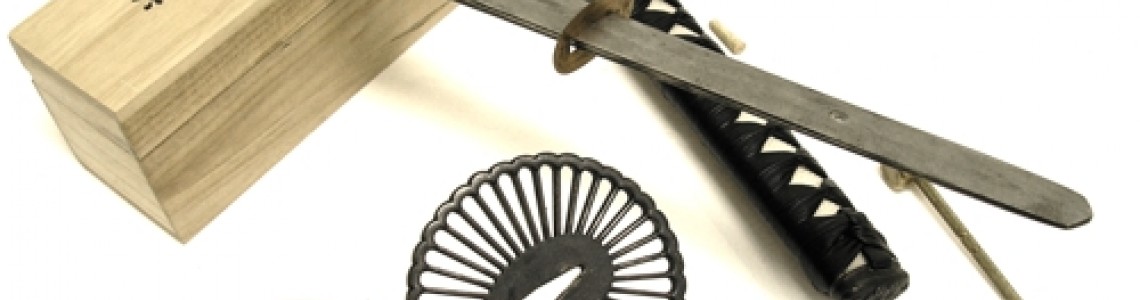
How to Disassemble a Katana Sword: A Complete Guide for Safe Maintenance
A traditional Japanese katana is made from multiple carefully fitted components, including the blade, habaki, tsuba, seppa, tsuka, and mekugi. Unlike many modern swords, a properly made katana is designed so that the handle and fittings can be removed for inspection, cleaning, and maintenance.
Learning how to disassemble a katana sword correctly is important for collectors and sword owners who want to maintain their Japanese sword while avoiding damage to the fittings or blade.
The process requires patience, the correct tools, and a basic understanding of katana construction. This guide explains the proper steps for katana disassembly, from removing the mekugi to taking apart the sword fittings.
Why Learn How to Disassemble a Katana?
Regular inspection and maintenance are important parts of owning a Japanese sword. Over time, dust, moisture, or oil residue can accumulate inside the fittings and affect the condition of the sword.
Properly removing the handle allows the owner to check important areas such as the tang (nakago), mekugi, and internal fittings.
- Inspect the nakago for condition and authenticity.
- Clean and maintain the blade properly.
- Check whether the tsuka and mekugi are secure.
- Replace or customize sword fittings when necessary.
However, a katana should never be disassembled unnecessarily. Frequent removal of fittings may cause wear if done incorrectly.
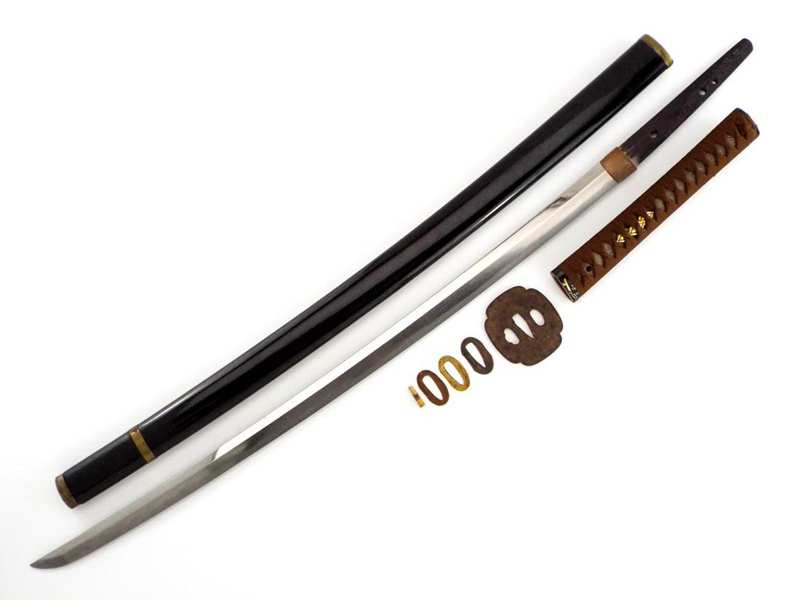
Understanding Katana Structure Before Disassembly
Before learning how to take apart a katana, it is important to understand the basic structure of the sword.
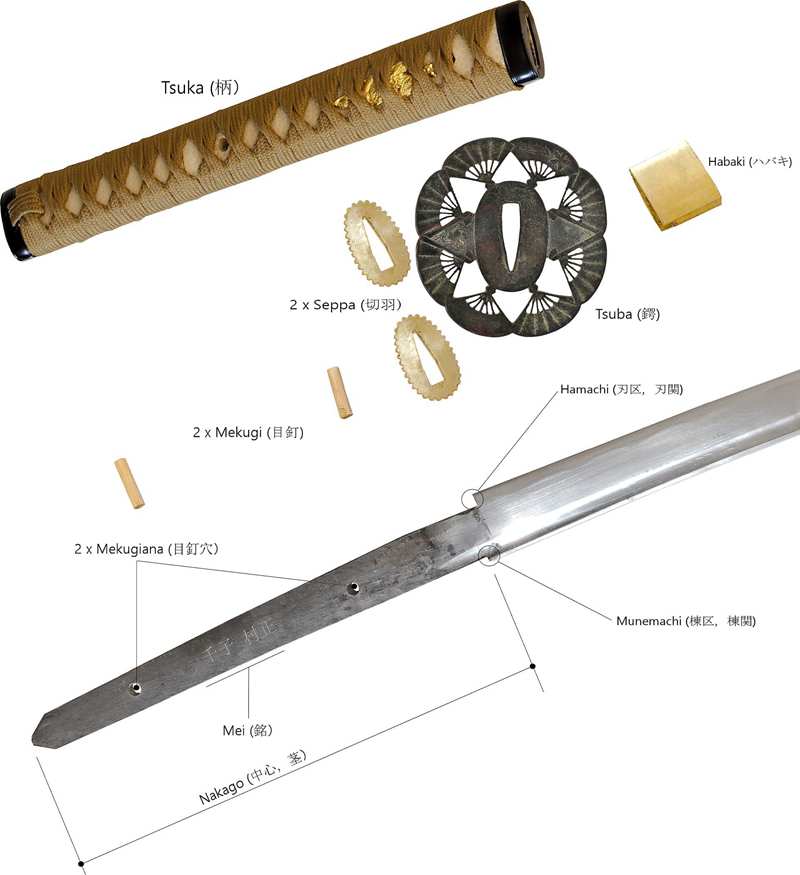
| Katana Part | Function |
| Tsuka (Handle) | Provides grip and holds the sword tang inside the handle core. |
| Mekugi | Bamboo peg that secures the tang inside the tsuka. |
| Tsuba | Hand guard positioned between blade and handle. |
| Seppa | Metal spacers that tighten and align sword fittings. |
| Habaki | Blade collar that secures the sword inside the saya. |
| Nakago | Tang section hidden inside the handle. |
Understanding these components makes the disassembly process easier and helps prevent accidental damage.
Tools Needed for Katana Disassembly
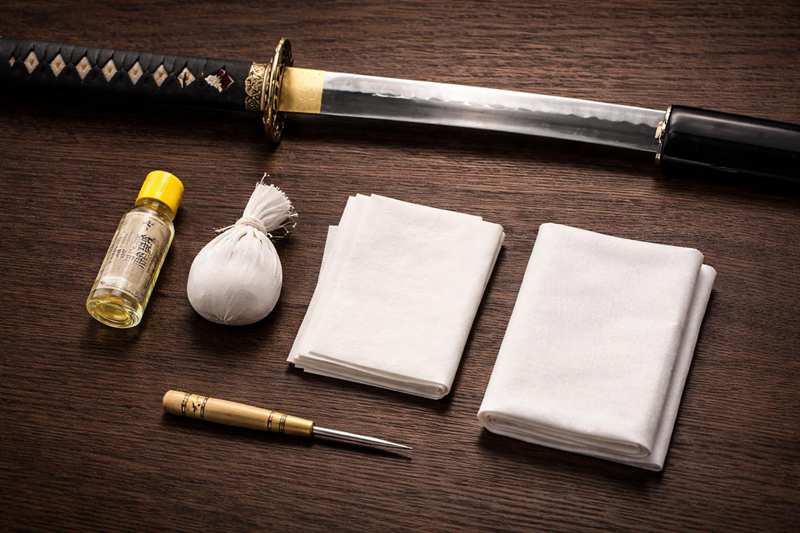
To safely disassemble a Japanese sword, only a few basic tools are required. Using improper tools can damage the fittings or scratch the sword components.
- Mekugi Nuki: A traditional tool used to remove the bamboo peg.
- Soft Cloth: Protects the blade and fittings during handling.
- Small Hammer: Used gently with the mekugi nuki when necessary.
- Clean Workspace: Prevents losing small components during the process.
Avoid using sharp metal objects or excessive force because they can damage the mekugi, tsuka, or sword fittings.
Safety Precautions Before Taking Apart a Katana
A katana is a real weapon with a sharp blade, so safety should always come first before beginning disassembly.
- Work in a clean area with enough space.
- Always point the blade away from yourself and others.
- Handle the blade carefully to avoid accidental cuts.
- Do not force parts that are stuck.
- Keep small parts such as mekugi and seppa organized.
If a katana has antique fittings, a tightly fitted handle, or unusual construction, professional assistance may be the safest option.
Step-by-Step Guide: How to Disassemble a Katana Sword
A katana is designed with a removable handle system, allowing the owner to separate the blade from the fittings when necessary. The following steps explain the correct method for disassembling a Japanese sword safely.
Step 1: Remove the Mekugi (Bamboo Peg)
The first step in katana disassembly is removing the mekugi. The mekugi is a small bamboo peg that locks the tang (nakago) inside the tsuka.
Traditional Japanese swords usually have one or two mekugi depending on the design and purpose of the sword.
- Place the sword horizontally on a stable surface.
- Identify the smaller end of the mekugi.
- Use a mekugi nuki or suitable wooden tool to gently push the peg out.
- Remove the mekugi completely and store it safely.
Never hit the mekugi with excessive force. A damaged bamboo peg should be replaced before using the sword again.
Step 2: Remove the Tsuka (Katana Handle)
After removing the mekugi, the next step is separating the tsuka from the katana blade. This step requires patience because the handle is usually fitted tightly around the tang.
Traditional Japanese sword handles are secured by friction between the wooden core and the nakago, allowing the sword to remain stable during use.
- Hold the sword firmly with the blade pointing upward.
- Support the handle with one hand.
- Tap the side of the tsuka carefully to loosen the fit.
- Pull the tsuka straight away from the blade.
Do not twist the handle aggressively or force it sideways, as this may damage the wooden core or sword fittings.
Step 3: Remove Tsuba, Seppa, and Other Fittings
Once the tsuka has been removed, the remaining fittings can be separated from the blade. These components include the tsuba, seppa, and sometimes the habaki depending on the purpose of the disassembly.
| Component | Removal Purpose |
| Tsuba | Allows inspection, replacement, or customization of the hand guard. |
| Seppa | Metal spacers that maintain proper fitting alignment. |
| Habaki | Blade collar that secures the sword in the saya. |
Place every fitting in order during removal. Correct placement is important when reassembling the katana.
Step 4: Inspect the Nakago (Tang)
After removing the handle, the nakago becomes visible. The tang is one of the most important parts of a Japanese sword because it contains information about the blade's construction and history.
During inspection, check the following areas:
- The condition of the nakago surface.
- The mei (sword inscription), if present.
- The condition of the mekugi holes.
- Signs of rust or damage.
The nakago should generally not be polished or cleaned aggressively because its original surface is an important historical feature.
Step 5: Clean and Maintain the Katana Blade
With the fittings removed, the blade can be inspected and maintained more easily. Proper cleaning helps protect the steel surface and preserve the sword's condition.
- Remove old oil and dust with a clean cloth.
- Apply a thin layer of high-quality sword oil.
- Avoid touching the blade directly with bare hands.
- Store the blade in a dry environment.
For valuable or antique Japanese swords, maintenance should always be performed carefully to avoid damaging the original finish.
How to Reassemble a Katana Sword After Maintenance
After cleaning or inspection, the katana should be reassembled carefully in the correct order. Proper reassembly ensures that all fittings remain secure and the sword maintains its original balance.
The basic reassembly order is the reverse of disassembly:
- Place the habaki and fittings back onto the blade.
- Install the tsuba and seppa in their original positions.
- Slide the tsuka back onto the nakago.
- Align the mekugi hole and insert the bamboo peg.
- Check that all components are firmly fitted.
The mekugi should fit securely without excessive looseness. A properly assembled katana should feel stable when handled.
Common Mistakes When Disassembling a Katana
Although taking apart a katana may seem simple, incorrect methods can damage the sword. Many problems happen because owners use too much force or the wrong tools.
- Using metal tools incorrectly: Sharp tools can scratch fittings or damage the mekugi.
- Forcing the tsuka: A stuck handle should be loosened carefully instead of pulled aggressively.
- Losing small fittings: Seppa and mekugi are small parts that should be stored safely.
- Cleaning the nakago: Removing the original surface of the tang can reduce historical value.
- Frequent unnecessary disassembly: Repeated removal can create unnecessary wear.
Katana Maintenance Tips After Disassembly
Proper maintenance helps keep a Japanese sword in good condition for many years. After completing katana disassembly and cleaning, remember these basic care steps.
- Apply a thin layer of sword oil to protect the blade.
- Store the katana horizontally inside the saya.
- Keep the sword away from humidity and extreme temperatures.
- Inspect fittings regularly for looseness.
- Handle the blade carefully to avoid fingerprints and corrosion.
A well-maintained katana preserves both its functional quality and traditional craftsmanship.
Frequently Asked Questions About Katana Disassembly
Can you disassemble a katana sword?
Yes. Traditional Japanese swords are designed with removable fittings, allowing the handle and other components to be removed for inspection and maintenance.
How do you remove a katana handle?
To remove a katana handle, first remove the mekugi peg, then carefully loosen and slide the tsuka away from the blade. Excessive force should be avoided.
What tool is used to remove a katana mekugi?
A mekugi nuki is the traditional tool used to remove the bamboo peg. A suitable wooden tool can also be used carefully.
How often should a katana be disassembled?
A katana does not need frequent disassembly. It should generally only be taken apart when inspection, repair, customization, or thorough maintenance is required.
Can I clean the nakago after removing the handle?
The nakago should not be polished or aggressively cleaned. The original surface and markings are important parts of the sword's history.
Why is my katana handle difficult to remove?
A tight tsuka fit is normal because traditional katana handles rely on friction and precise fitting. If it does not loosen easily, avoid forcing it.
Can I replace katana fittings after disassembly?
Yes. Many katana owners replace components such as tsuba, seppa, and tsuka fittings to customize the appearance of their sword.
Final Thoughts
Learning how to disassemble a katana sword allows collectors and sword owners to better understand the construction and maintenance of Japanese swords.
The process should always be performed carefully and patiently. A katana is not only a weapon but also a traditional craft that requires proper handling and respect.
With the correct tools and methods, regular inspection and maintenance can help preserve the beauty, function, and value of a Japanese sword.