
Enjoy The Beautiful Japanese Sword Tsuba
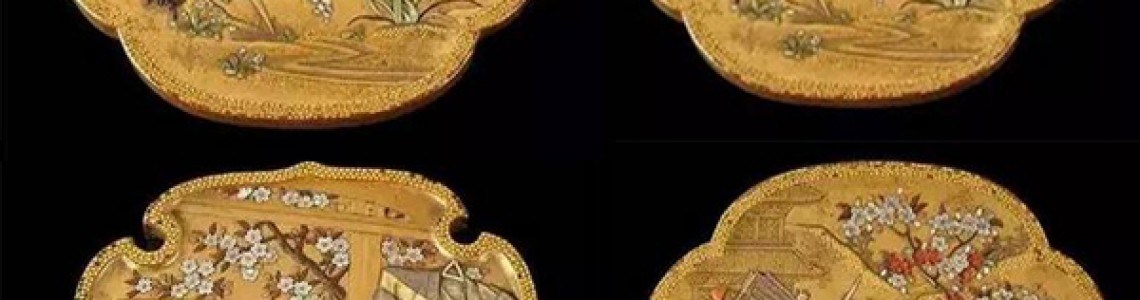
Enjoy the Beauty of Japanese Sword Tsuba
The tsuba (鍔 or 鐔), commonly known as the Japanese sword guard, is an important part of a traditional Japanese sword. Although the blade is often the first feature people notice, the tsuba also plays an important role in the overall appearance and character of a Japanese sword.
Japanese sword tsuba have been made in many different styles. From simple and practical designs to highly decorative works of art, a tsuba can greatly influence the appearance of a Katana, Wakizashi, or Tanto.
In Japan, there have been craftsmen who specialize in the production and decoration of tsuba. As Japanese technology, craftsmanship, culture, and artistic traditions developed, the design and appreciation of tsuba also continued to evolve.
A beautiful Japanese sword is made up of more than a blade alone. The fittings, including the tsuka, saya, and tsuba, work together to create the complete appearance of the sword. A well-chosen tsuba can give a Katana, Wakizashi, or Tanto its own distinctive style.
What Is a Japanese Sword Tsuba?
A tsuba is the guard fitted between the blade and the handle of a Japanese sword. It is one of the most recognizable parts of traditional Japanese sword mountings, also known as koshirae.
The tsuba is commonly associated with swords such as the Katana and Wakizashi, although different styles of Japanese swords can also use their own types of fittings. Its position between the blade and the handle makes it an important part of the complete sword assembly.
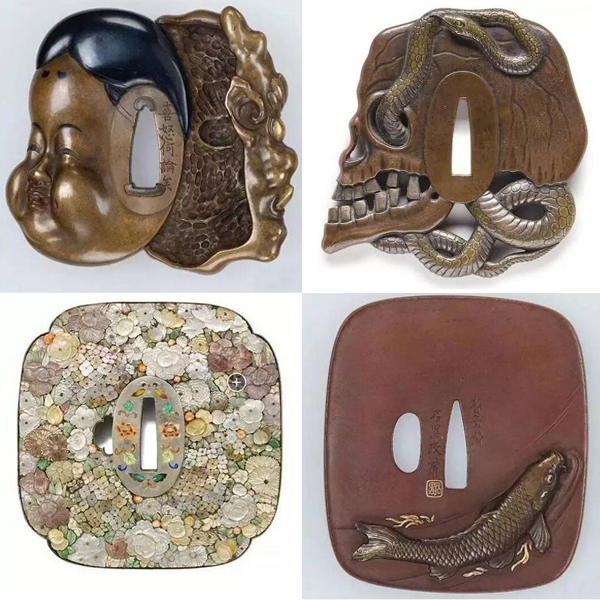
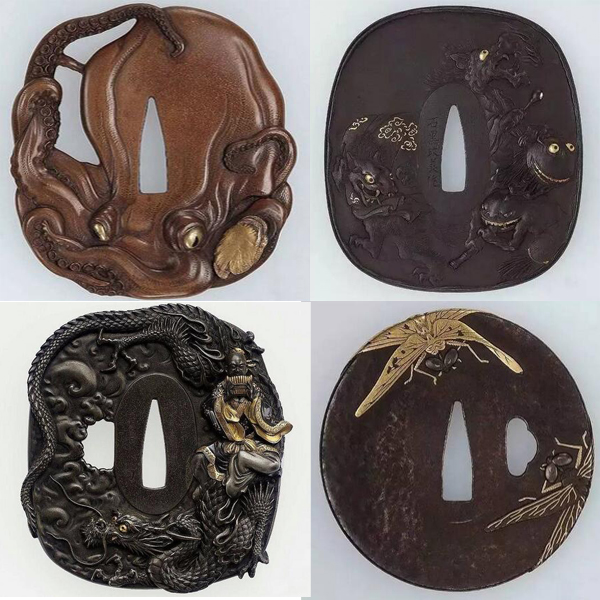
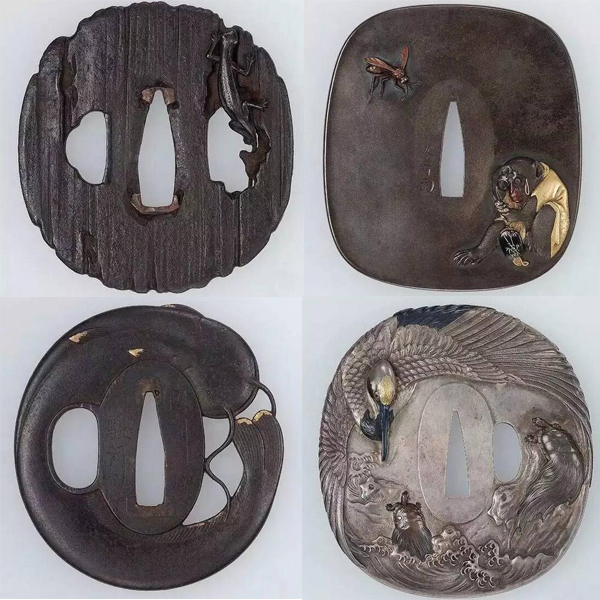
Besides its practical purpose as a sword guard, the tsuba became an important form of artistic expression. Traditional Japanese sword guards may feature detailed patterns, openwork designs, animals, flowers, landscapes, legendary creatures, or symbols inspired by Japanese culture.
The Beauty of Traditional Japanese Tsuba
One of the most interesting features of a Japanese sword tsuba is the wide variety of designs. No two sword mountings need to look exactly the same, and the tsuba often gives a Japanese sword much of its visual identity.
Some tsuba designs are simple and understated, while others are highly decorative. Craftsmen have used different shapes, materials, carving techniques, and decorative patterns to create unique Japanese sword guards.
For collectors and Japanese sword enthusiasts, the beauty of a tsuba is not only found in its appearance. The design can also reflect traditional craftsmanship, artistic taste, and cultural themes from different periods of Japanese history.
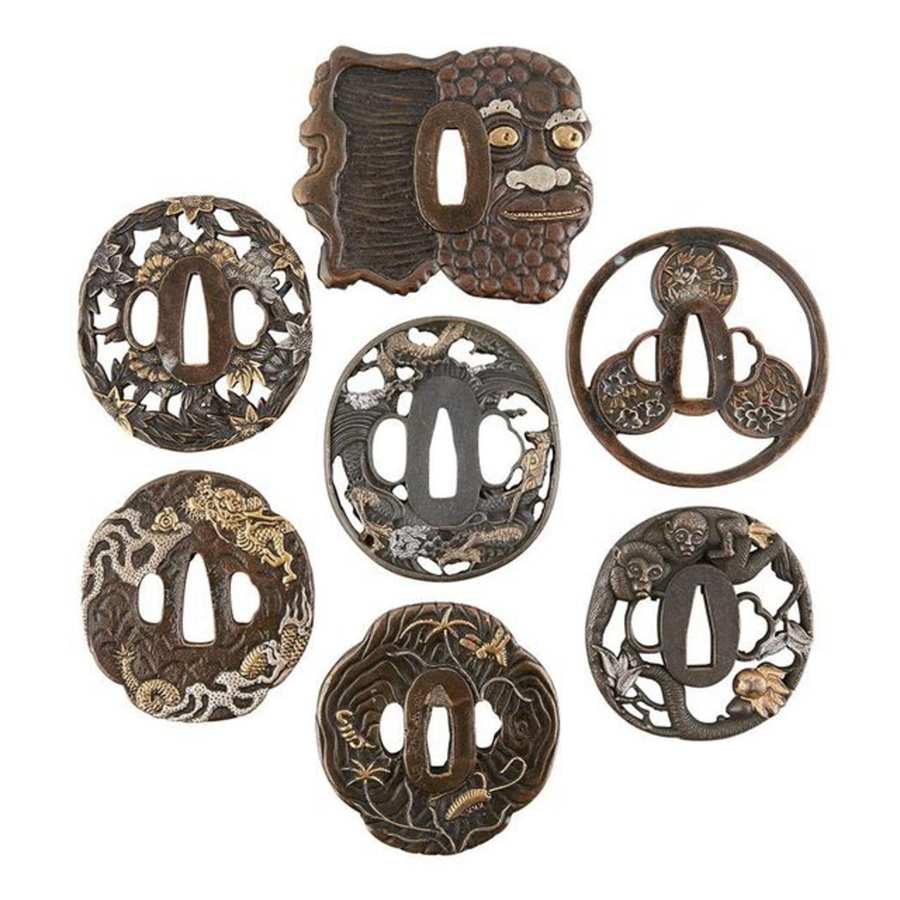
Different Styles of Katana Tsuba
Katana tsuba are available in many different shapes and styles. Some are round, while others have square, oval, lobed, or more complex outlines. The shape of the tsuba can significantly change the overall appearance of the sword.
Decorative designs are also extremely diverse. Japanese sword tsuba may feature themes taken from nature, religion, history, mythology, animals, flowers, or traditional Japanese symbols.
Because of this variety, choosing a tsuba is often an important part of designing a custom Japanese sword. A suitable tsuba can help create a matching style between the blade, handle, scabbard, and other sword fittings.
Japanese Sword Tsuba Craftsmanship
The production of Japanese sword tsuba has long been an important part of Japanese sword craftsmanship. In addition to swordsmiths, specialized craftsmen were responsible for creating and decorating different parts of Japanese sword fittings.
A tsuba can be simple in construction, but its design may contain a great amount of artistic detail. Depending on the style, craftsmen may use carving, engraving, openwork, and other decorative techniques to create distinctive patterns.
Over time, Japanese sword guards developed into more than functional sword fittings. Many tsuba became works of art that reflected the creativity and craftsmanship of their makers.
Today, traditional tsuba designs continue to be appreciated by Japanese sword collectors and enthusiasts around the world. Whether simple or highly decorative, a well-designed tsuba can add character and beauty to a Japanese sword.
Tsuba Designs Inspired by Japanese Culture
Japanese sword tsuba often feature designs inspired by traditional Japanese culture and the natural world. These designs can make every sword guard visually distinctive and give the complete sword a unique character.
Common decorative themes include flowers, plants, animals, dragons, legendary creatures, landscapes, family symbols, and other traditional Japanese motifs. Some designs are detailed and expressive, while others use simple shapes and patterns.
Nature has always been an important source of inspiration in Japanese art. For this reason, floral patterns, leaves, waves, and other natural elements can often be seen in traditional Japanese sword fittings.
These artistic designs allow a tsuba to become an important visual feature of the sword. Even when two Japanese swords have similar blades, different tsuba can give them completely different appearances.
Tsuba for Katana, Wakizashi, and Tanto
Different types of Japanese swords can have different styles of sword fittings. Katana, Wakizashi, and Tanto may each use tsuba designs that match their size, mounting style, and overall appearance.
A Katana tsuba is usually selected to complement the larger size and overall design of the sword. The style of the guard can create either a traditional, simple appearance or a more decorative and artistic look.
Wakizashi tsuba may be smaller and are often designed to match the overall style of the sword. When a Katana and Wakizashi are mounted as a pair, matching or coordinated fittings can create a harmonious appearance.
Tanto mountings can also include decorative fittings that contribute to the appearance of the sword. The design of each fitting should work together with the blade, handle, and scabbard.
Why the Tsuba Is Important to the Overall Appearance of a Japanese Sword
A Japanese sword is made up of many individual parts. The blade is the central feature, but the fittings are equally important in creating the complete visual style of the sword.
The tsuba sits in a highly visible position between the blade and the handle. Because of this, it can have a significant influence on the overall appearance of a Katana or other Japanese sword.
A carefully selected Japanese sword tsuba can complement the color of the ito, the design of the menuki, the style of the saya, and other parts of the koshirae.
For this reason, the tsuba is an important consideration when creating or choosing a complete Japanese sword. A matching combination of fittings can make the entire sword look more balanced and visually appealing.
Enjoying Different Japanese Sword Tsuba Styles
One of the most enjoyable aspects of Japanese sword collecting is discovering the wide variety of tsuba designs. Each style can create a different impression, from simple and traditional to detailed and decorative.
Some sword enthusiasts prefer classic tsuba designs inspired by traditional Japanese sword culture. Others may enjoy dragon designs, floral patterns, samurai themes, or other artistic decorations.
The variety of Japanese sword tsuba allows collectors and enthusiasts to appreciate the artistic side of Japanese sword craftsmanship. By comparing different designs, it is easy to see how an individual sword guard can change the character of a complete Katana.
Choosing a Tsuba for a Custom Japanese Sword
When customizing a Japanese sword, choosing the right tsuba is an important part of creating the overall appearance of the sword. Because the tsuba is highly visible, its shape and design can greatly influence the final style of a Katana, Wakizashi, or Tanto.
Some people prefer a simple and traditional Japanese sword guard, while others choose decorative designs featuring dragons, flowers, samurai themes, or other traditional patterns. The best choice often depends on the style the owner wants to create.
When selecting a Katana tsuba, it is also helpful to consider the other sword fittings. A matching combination of tsuba, fuchi, kashira, menuki, ito, and saya can create a more balanced and attractive Japanese sword.
For a custom Japanese sword, the tsuba provides an opportunity to add a personal style while still respecting the traditional appearance of Japanese sword koshirae.
Japanese Sword Tsuba and Sword Collecting
For many collectors, Japanese sword tsuba are interesting pieces of craftsmanship in their own right. The variety of shapes, patterns, and artistic themes makes them an important part of Japanese sword culture.
Collectors may enjoy comparing different styles of traditional tsuba and observing how each design changes the appearance of a Japanese sword. A simple round tsuba can create a completely different impression from a detailed openwork or decorative design.
The tsuba also helps show the artistic side of Japanese sword craftsmanship. While the blade represents the work of the swordsmith, the fittings add another layer of design and visual character to the complete sword.
Whether displayed as part of a complete Katana or appreciated as an individual piece of Japanese sword craftsmanship, a beautiful tsuba remains an important part of the traditional Japanese sword.
Frequently Asked Questions About Japanese Sword Tsuba
1. What is a tsuba on a Japanese sword?
A tsuba is the guard fitted between the blade and the handle of a Japanese sword. It is an important part of the sword's fittings and contributes to the overall appearance of the Katana, Wakizashi, or other Japanese sword.
2. What is the purpose of a Katana tsuba?
The tsuba serves as part of the sword assembly and also plays an important role in the appearance of the Japanese sword. Over time, tsuba developed into highly decorative and artistic sword fittings.
3. Are all Japanese sword tsuba the same?
No. Japanese sword tsuba come in many different shapes, sizes, materials, and designs. Some are simple and traditional, while others feature detailed artwork, animals, flowers, dragons, or other Japanese cultural themes.
4. Can a Wakizashi have a tsuba?
Yes. Wakizashi can use tsuba as part of their sword fittings. The design and size of the tsuba may differ from those used on a Katana to match the overall size and style of the sword.
5. What are Japanese sword tsuba made of?
Traditional Japanese sword tsuba have been made from different materials and can feature various decorative techniques. The material and design depend on the period, style, craftsman, and type of sword mounting.
6. How do I choose a tsuba for a custom Katana?
Choose a tsuba that matches the overall style of your Katana. Consider the design of the blade, handle wrapping, menuki, saya, and other fittings to create a balanced and visually attractive Japanese sword.
Conclusion: Enjoy the Beauty of Japanese Sword Tsuba
The Japanese sword tsuba is an important part of traditional Japanese sword craftsmanship. Although it is only one component of the complete sword, its design can have a significant influence on the overall appearance and character of a Katana, Wakizashi, or Tanto.
From simple traditional designs to detailed artistic patterns, Japanese sword guards demonstrate the creativity and craftsmanship that developed alongside Japanese sword culture.
By exploring different tsuba styles, sword enthusiasts can discover another beautiful aspect of the Japanese sword. Every design can add its own character, making the complete sword not only a functional object but also a work of craftsmanship and art.
When choosing or customizing a Japanese sword, the tsuba is one of the important details that can help create a unique and visually appealing Katana. A carefully selected tsuba, combined with matching sword fittings, can make the beauty of the complete Japanese sword even more enjoyable.
All the pictures originated from the internet
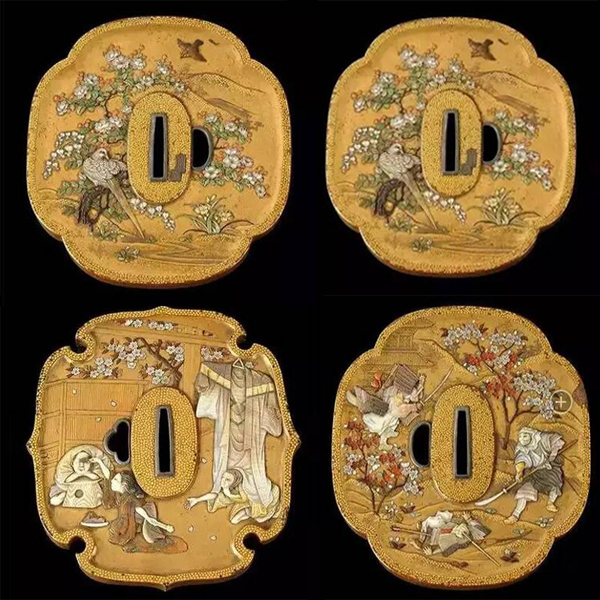
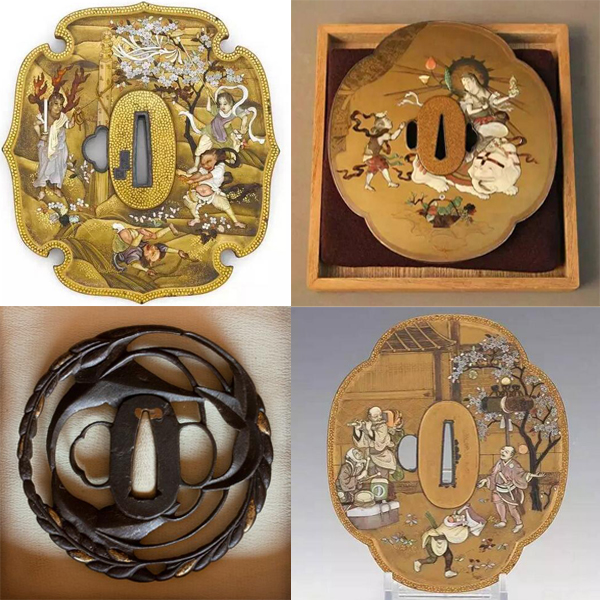
Want a unique sword? Feel free to contact us
Skype: hanbon-sword
Phone: 086 13739276006
Email: [email protected]
Website: www.hanbonforge.com
Custom Sword Page: www.hanbonforge.com/CUSTOM-SWORDS/Custom-Your-Own-Swords