
Sageo Wrapping of Katana Sword | Japanese Sword Cord Guide
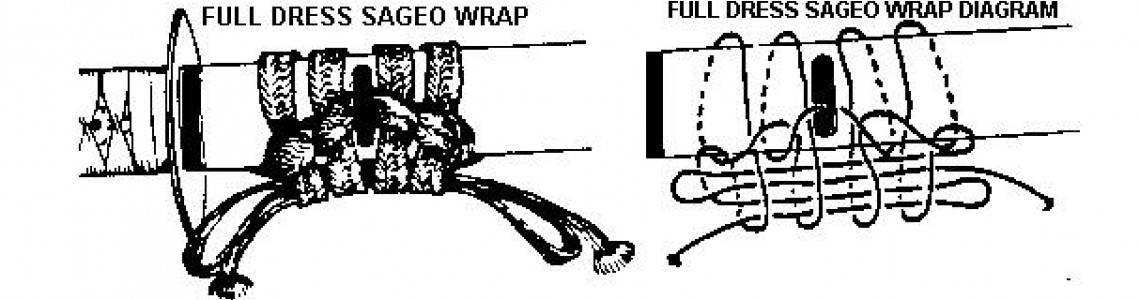
Sageo Wrapping of Katana Sword: Complete Guide to Japanese Sword Scabbard Cord
The sageo (下緒) is a traditional cord attached to the saya (scabbard) of a Japanese sword. Although it may appear to be a small decorative detail, the sageo plays an important role in the overall appearance, carrying method, and traditional style of a katana.
For centuries, Japanese sword craftsmen carefully selected the color, material, and wrapping style of the katana sageo to match the sword’s fittings, handle wrapping, and overall design. A properly wrapped sageo can greatly improve the beauty and authenticity of a Japanese sword.
Today, collectors and katana enthusiasts often customize their swords with different sageo colors and wrapping methods. Understanding how sageo works can help you choose the right style when purchasing a custom katana.
What Is Sageo on a Katana?
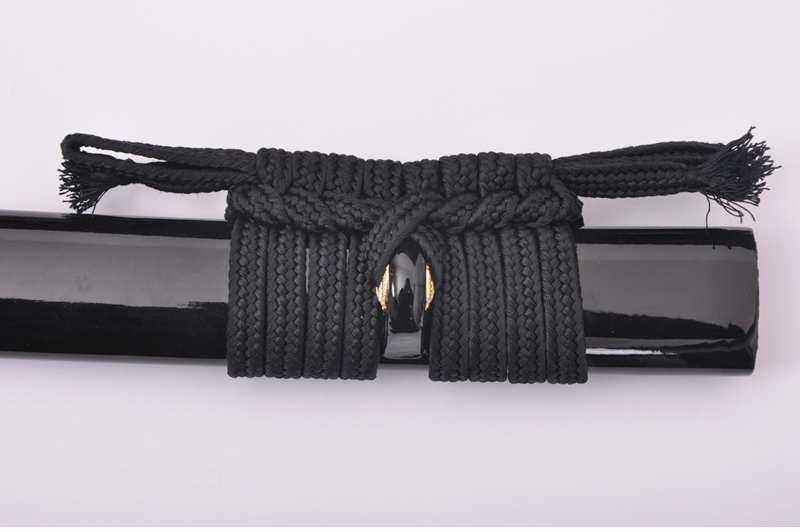
Sageo is a cord attached to the small knob called kurikata on the side of the katana saya. It is traditionally used to secure the scabbard to the wearer’s obi (belt) and also serves an important decorative purpose.
The sageo is usually made from materials such as silk, cotton, or synthetic fibers. Traditional high-quality sageo are known for their tight weave, smooth texture, and durability.
Unlike simple decorative ropes, a Japanese sword sageo is part of the complete sword mounting system called koshirae. Together with the tsuka, tsuba, fuchi, kashira, and saya, the sageo contributes to the visual harmony of the entire sword.
A well-designed katana often uses a sageo color that matches or complements the tsuka-ito (handle wrapping). This creates a balanced appearance between the handle and scabbard.
The History and Purpose of Katana Sageo
During the samurai era, the sageo had both practical and aesthetic functions. The main purpose was to help secure the saya to the obi while wearing the sword, preventing the scabbard from moving unnecessarily.
Beyond practical use, sageo also became an important element of Japanese sword etiquette and presentation. Different wrapping methods allowed samurai and sword practitioners to display their attention to detail and respect for sword traditions.
In modern times, sageo is still widely used on katana for martial arts such as Iaido, as well as on collectible Japanese swords. Many collectors choose specific colors and knots to match the historical style or personal design of their sword.
The Structure and Position of Sageo on a Japanese Sword
A traditional katana sageo is connected through the kurikata, which is a small wooden or metal fitting attached to the saya. The cord passes through this fitting and is arranged around the scabbard using different wrapping methods.
The main parts related to sageo include:
- Saya (鞘) – The scabbard that protects the katana blade
- Kurikata (栗形) – The small knob where the sageo is attached
- Sageo (下緒) – The cord used for securing and decoration
- Tsuka-ito (柄糸) – The handle wrapping that often matches the sageo color
The relationship between these parts is important because the sageo is not an isolated accessory. A carefully selected sageo helps complete the traditional appearance of the entire katana.
Why Is Sageo Important for Katana Appearance?
Many people focus only on the blade when choosing a Japanese sword, but the fittings and mounting details are equally important. The sageo is one of the first details people notice when viewing a katana in its scabbard.
A matching sageo can enhance:
- The color balance between the saya and tsuka
- The traditional Japanese sword appearance
- The overall value of a custom katana
- The historical feeling of the sword mounting
For collectors who want a personalized sword, choosing the correct sageo color and wrapping style is a simple but effective way to create a unique katana design.
Different Materials Used for Katana Sageo
The material of a katana sageo affects its appearance, durability, and traditional feeling. Different materials have been used throughout Japanese sword history, and modern sword makers continue to offer various options for collectors.
The most common sageo materials include silk, cotton, and synthetic fibers.
Silk Sageo
Silk sageo is considered one of the most traditional and premium choices for Japanese swords. It has a smooth texture, elegant appearance, and strong connection with historical samurai sword mounting styles.
Because of its refined appearance, silk sageo is often selected for high-end custom katana and traditionally styled swords. The material creates a luxurious finish that matches well with detailed sword fittings.
Cotton Sageo
Cotton sageo is a practical option that provides good durability and a traditional appearance. It is commonly used on many functional katana because it offers a reliable grip and comfortable texture.
Cotton sageo is available in many colors, making it easy to match different saya finishes, tsuka wrapping styles, and sword themes.
Synthetic Sageo
Modern synthetic sageo materials provide excellent strength, moisture resistance, and affordability. They are popular among sword collectors who want a durable option for everyday handling or martial arts practice.
High-quality synthetic sageo can closely reproduce the appearance of traditional materials while offering easier maintenance.
Common Katana Sageo Wrapping Styles
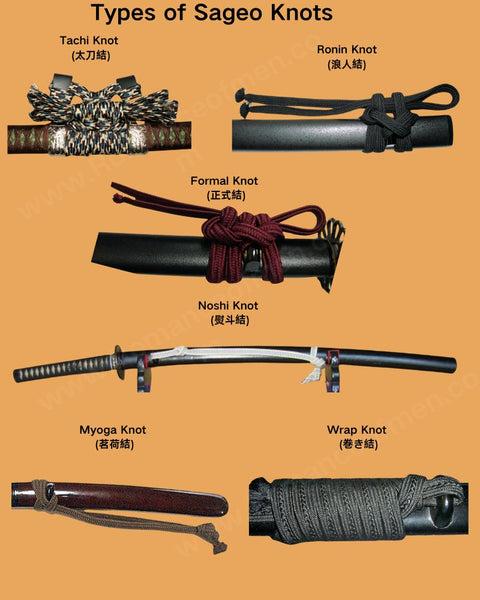
There are many ways to arrange and tie a Japanese sword sageo. Different wrapping styles can create different appearances and are often chosen according to the sword’s purpose and mounting style.
Some common sageo wrapping methods include:
1. Simple Sageo Wrap
The simple wrap is one of the most commonly seen styles. It creates a clean and organized appearance while keeping the sageo securely attached to the saya.
This style is suitable for many modern katana designs and is often preferred by collectors who like a simple traditional look.
2. Decorative Sageo Knot Styles
Decorative sageo knots are more complex arrangements that emphasize the artistic side of Japanese sword presentation. These styles are often used on display swords, high-end custom katana, and historically inspired reproductions.
A carefully tied sageo knot can add personality and highlight the craftsmanship of the entire sword mounting.
3. Martial Arts Sageo Wrapping
For Iaido and other Japanese sword martial arts, sageo wrapping is usually selected for practicality and proper etiquette. The cord needs to remain secure while allowing smooth movement during training.
Practitioners often choose simple and reliable wrapping methods rather than highly decorative styles.
How to Choose the Right Sageo Color for a Katana
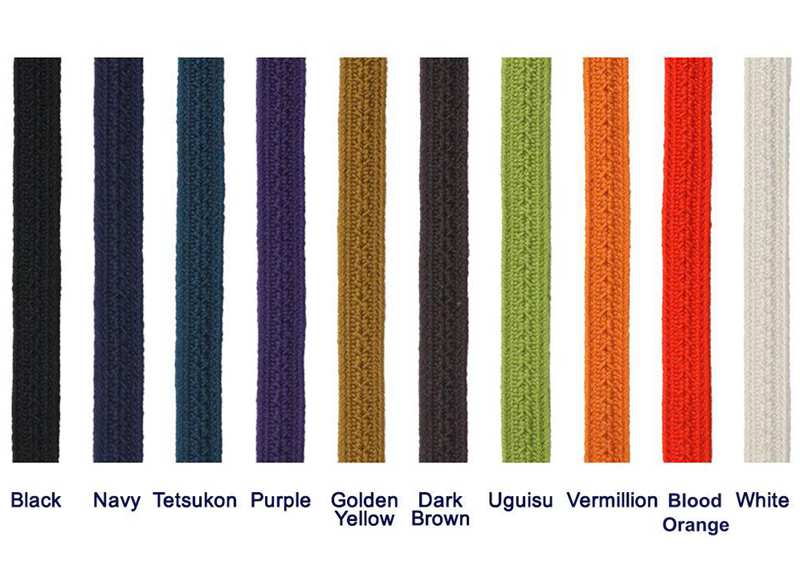
The color of the katana sageo is an important part of the sword’s overall design. Traditionally, the sageo was selected to complement other sword fittings rather than being chosen randomly.
Popular sageo color combinations include:
| Sageo Color | Matching Style | Appearance |
| Black Sageo | Black saya / dark fittings | Classic and formal |
| Red Sageo | Traditional or bold designs | Strong and eye-catching |
| White Sageo | Elegant Japanese styles | Clean and refined |
| Purple / Blue Sageo | Custom katana designs | Unique and decorative |
When ordering a custom katana, choosing a sageo color that matches the tsuka-ito, saya, and fittings can create a more complete and professional appearance.
How to Match Sageo With Katana Koshirae?
The sageo is a small detail, but it plays an important role in creating a balanced katana koshirae design. Traditional Japanese sword makers carefully considered the relationship between the sageo, saya, tsuka, and metal fittings.
When selecting a sageo for a katana, collectors usually consider the following elements:
- Tsuka-ito color: Matching or contrasting the handle wrapping can create different visual effects.
- Saya finish: The sageo should complement the color and style of the scabbard.
- Tsuba and fittings: Traditional metal fittings can influence the overall color theme.
- Sword style: Historical, minimalist, or fantasy-inspired katana designs may require different sageo choices.
A carefully selected Japanese sword sageo helps create harmony between every part of the sword and makes the katana look more authentic.
How to Tie and Adjust a Katana Sageo
Learning how to tie sageo is an important skill for katana owners, especially for those practicing Iaido or Japanese sword arts. The correct method depends on the sword style, purpose, and personal preference.
A basic sageo adjustment usually includes:
- Passing the sageo through the kurikata on the saya
- Adjusting the cord length evenly
- Creating a secure knot or traditional wrapping style
- Keeping the remaining cord neat and organized
A properly arranged sageo should look clean and remain secure without damaging the saya surface. For collectors who display their swords, a neat sageo wrap also improves the overall presentation.
Sageo Selection Tips When Buying a Custom Katana
When ordering a custom katana, many buyers focus on blade steel, hamon, and fittings but overlook the importance of the sageo. Choosing the right sageo can make the final sword design more complete.
Before selecting a sageo, consider:
- The color theme of the entire sword
- Whether the sword is for display, collection, or martial arts practice
- The material quality and durability
- The traditional style you want to achieve
At HanBon Forge, customers can customize katana details including blade style, fittings, tsuka wrapping, saya design, and sageo color to create a personalized Japanese sword.
Frequently Asked Questions About Katana Sageo
What is the purpose of a katana sageo?
The purpose of a katana sageo is to secure the saya to the wearer’s obi while also adding decorative value to the Japanese sword mounting. It is both a practical accessory and an important part of traditional sword design.
What material is best for Japanese sword sageo?
Silk sageo is considered the most traditional and premium option, while cotton and synthetic sageo provide good durability and affordability. The best choice depends on the purpose and style of the sword.
Does sageo color have a meaning on a katana?
Historically, sageo colors could reflect personal preference, sword style, or formal presentation. Today, many collectors mainly choose colors that match the sword fittings and overall design.
Can I change the sageo on my katana?
Yes. Sageo can usually be replaced or adjusted without changing the sword itself. Many katana owners change sageo colors to create a different appearance or match new fittings.
Is sageo necessary on a katana?
A sageo is not required for the blade to function, but it is an important traditional component of Japanese sword mounting. It improves authenticity and completes the appearance of a katana.
Final Thoughts
The sageo wrapping of a katana sword represents the combination of function, tradition, and craftsmanship in Japanese sword culture. Although it is a small part of the sword, the sageo has a significant influence on the overall appearance of the katana.
Understanding different sageo materials, wrapping methods, and color choices allows collectors to create a sword that is both visually attractive and historically inspired.
Whether you are purchasing your first Japanese sword or designing a fully customized katana, choosing the right katana sageo is an important step toward creating a complete and authentic sword.