
How to Tie Ronin Musubi Knot | Katana Sageo Knot Guide
How to Tie Ronin Musubi Knot: A Complete Guide to Katana Sageo Knot
The Sageo is an important part of a Japanese sword. Although it is often seen as a decorative cord attached to the saya (scabbard), the Sageo has traditional meaning and practical functions in Japanese sword culture.
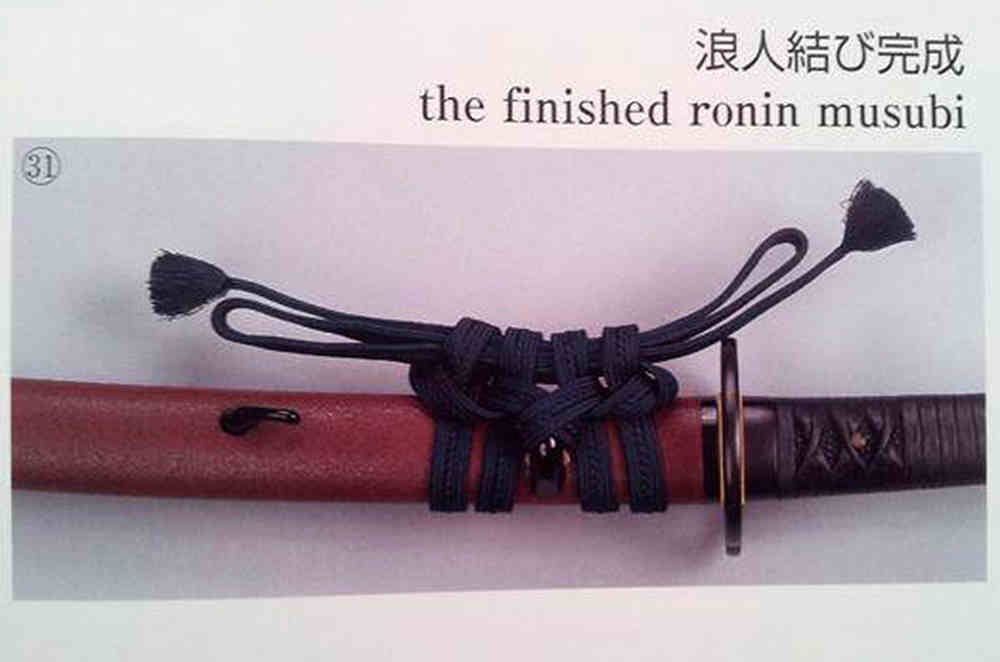
Among the many traditional Sageo tying methods, the Ronin Musubi Knot (浪人結び) is one of the most popular styles among Katana collectors and Japanese sword enthusiasts. This knot creates an elegant appearance while keeping the Sageo neatly arranged around the saya.
In this guide, we will explain what the Ronin Musubi Knot is, why it is used, and how to tie a Katana Sageo using this traditional Japanese sword knot technique.
What Is the Ronin Musubi Knot?
Ronin Musubi (浪人結び) is a traditional Japanese knot style used for tying the Sageo cord on a Katana saya. The name "Ronin" refers to a masterless samurai, and the knot is associated with the appearance and style of wandering warriors.
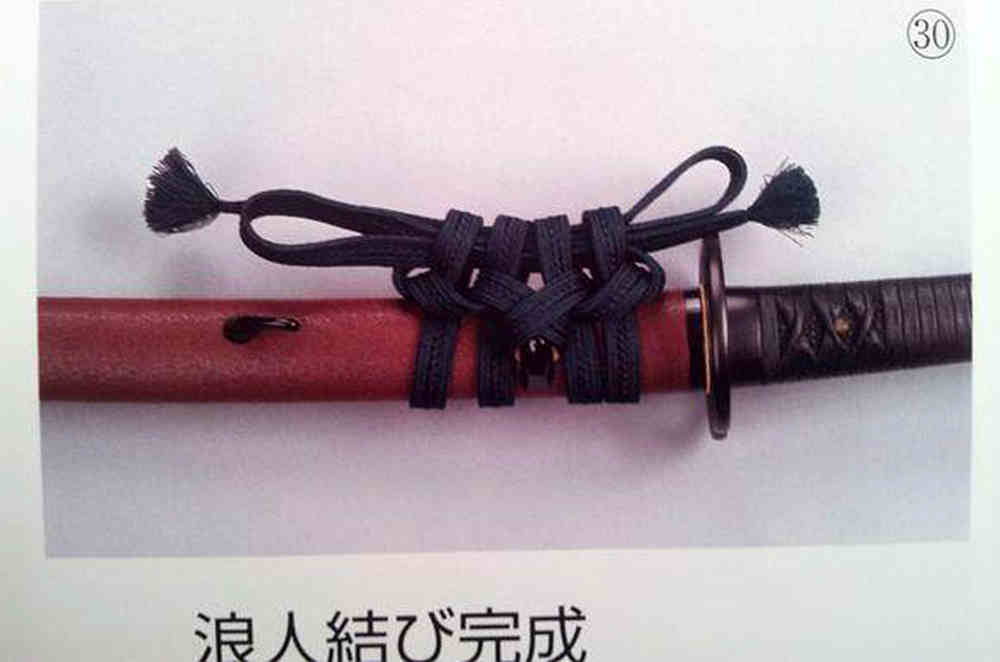
The Ronin Musubi creates a symmetrical and decorative pattern around the scabbard while keeping the Sageo organized. It is especially popular among Katana collectors who want their swords to have an authentic Japanese appearance.
Different Japanese sword schools and traditions may use different Sageo tying methods. The style chosen often depends on personal preference, display purpose, and training tradition.
What Is a Sageo on a Japanese Sword?
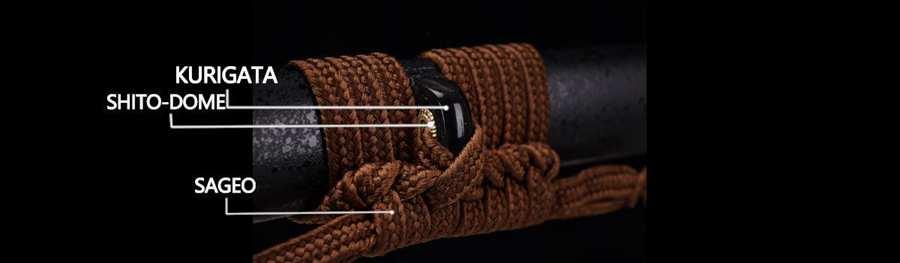
The Sageo is a braided cord attached to the Kurigata fitting on a Katana saya. Traditionally, it was used to secure the sword to the samurai's belt (obi) and helped position the sword correctly when carried.
Today, Sageo serves both practical and decorative purposes. For collectors, a carefully tied Sageo adds authenticity and improves the overall appearance of a Japanese sword.
- Helps secure the Katana when worn with an obi.
- Provides a traditional finishing detail for the saya.
- Adds visual balance to the sword fittings.
- Shows craftsmanship and attention to detail.
Why Learn How to Tie a Ronin Musubi Knot?
Learning how to tie a Ronin Musubi Knot is a great way to better understand Japanese sword culture and improve the presentation of your Katana.
- Improve Katana Display: A properly tied Sageo creates a cleaner and more traditional appearance.
- Understand Japanese Sword Culture: Sageo knots are connected with historical sword carrying methods.
- Customize Your Sword: Different knots can change the style and personality of a Katana.
- Maintain Traditional Details: Small details such as Sageo tying complete the overall sword design.
Tools and Materials Needed for Ronin Musubi Knot
Before learning how to tie the Ronin Musubi Knot, prepare the necessary materials. A proper Sageo cord with the correct length and thickness will make the knot easier to create and improve the final appearance.
- Katana or Saya: The scabbard where the Sageo is attached.
- Sageo Cord: A traditional braided cord used for tying and decoration.
- Flat Working Area: A clean surface helps prevent the cord from becoming tangled.
- Patience: Traditional Japanese knots require practice to achieve a neat result.
A softer Sageo cord is usually easier for beginners because it can be adjusted and tightened more easily during practice.
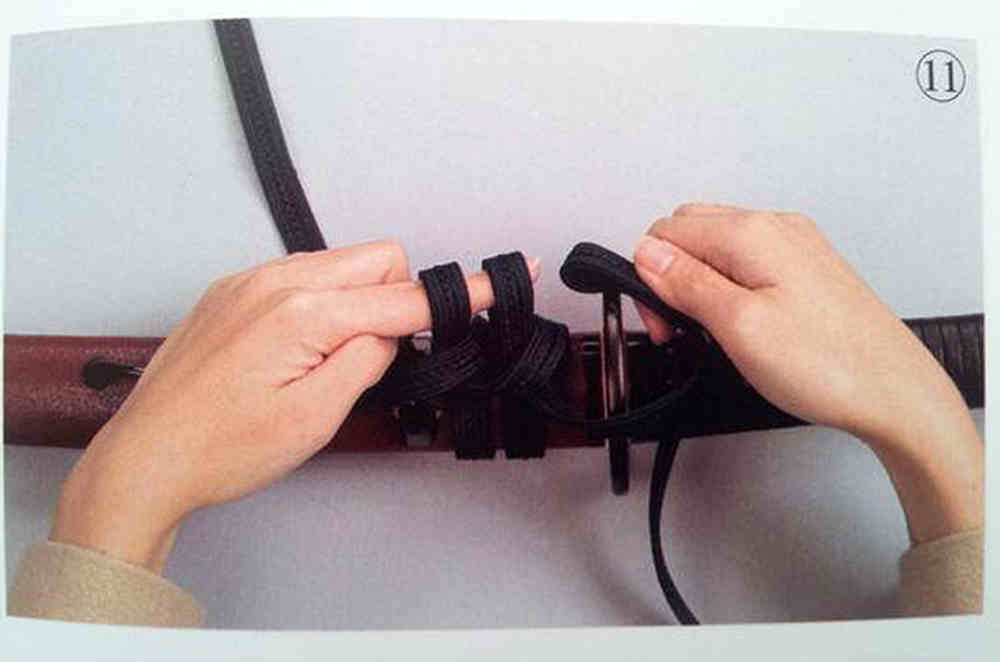
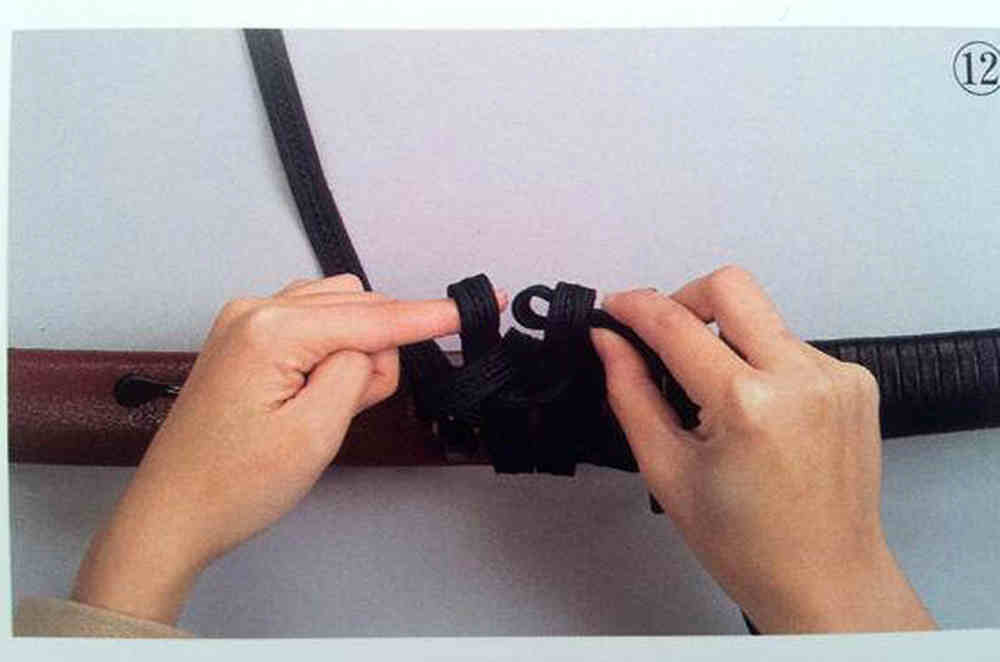
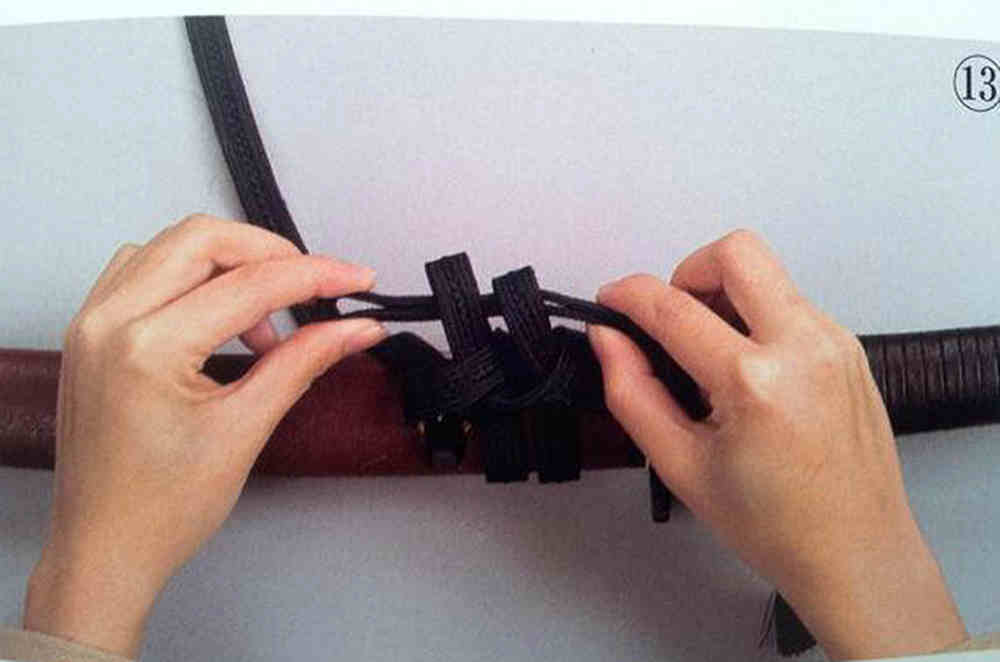
How to Tie Ronin Musubi Knot Step by Step
The Ronin Musubi Knot may look complicated at first, but the process becomes easier after understanding the basic Sageo movement. Follow each step carefully and adjust the tension as you create the knot.
Step 1: Prepare the Sageo Position
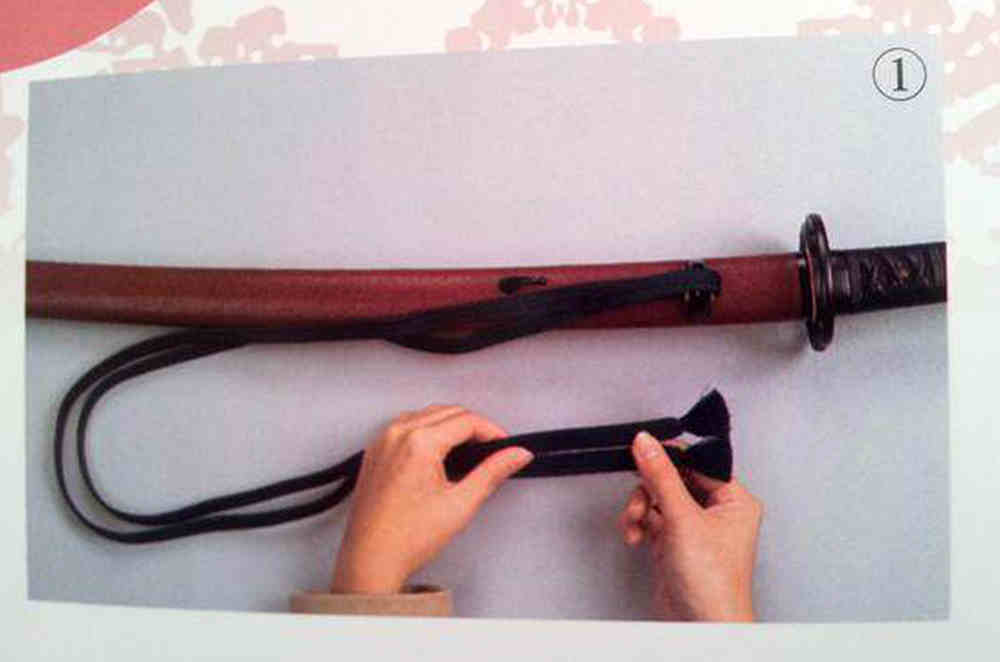
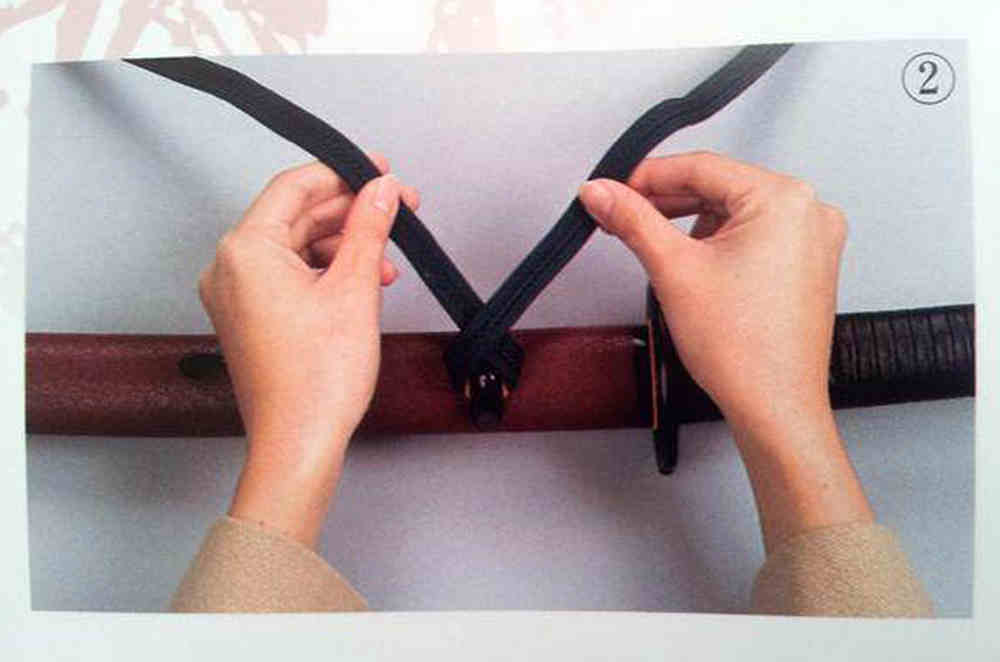
First, pass the Sageo through the Kurigata on the saya. Make sure both ends of the cord have enough length to create the knot pattern.
Keep the Sageo flat and avoid twisting the cord. A smooth starting position will make the final knot more symmetrical.
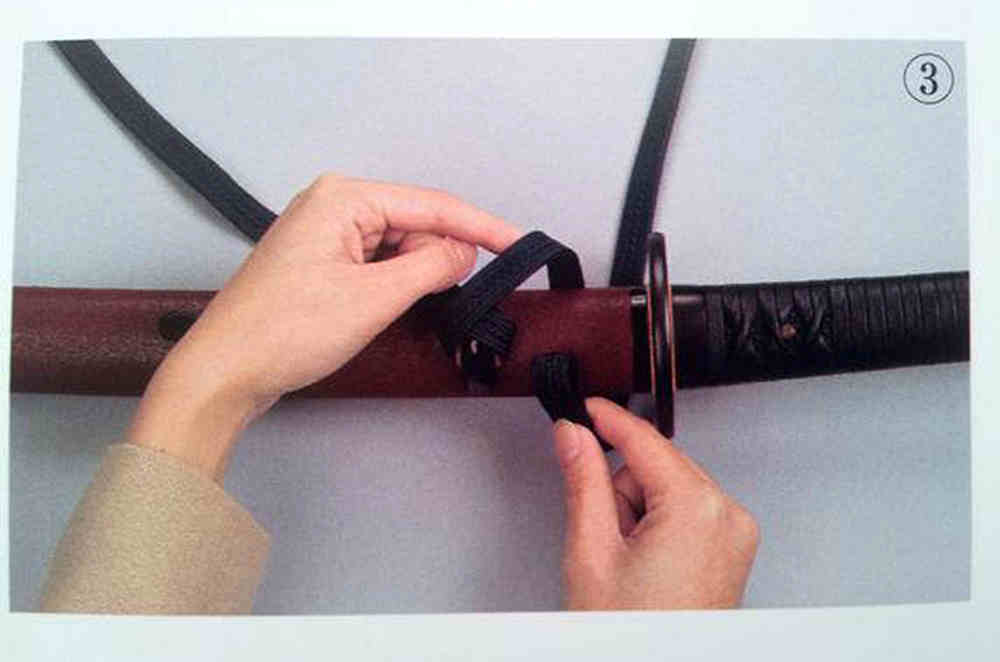
Step 2: Create the First Loop
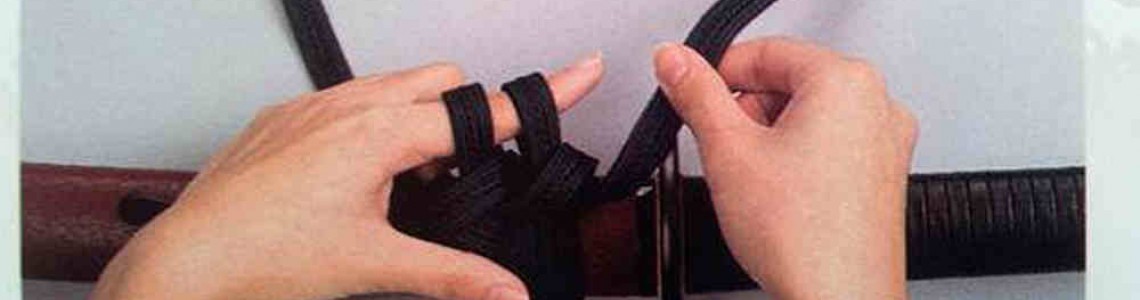
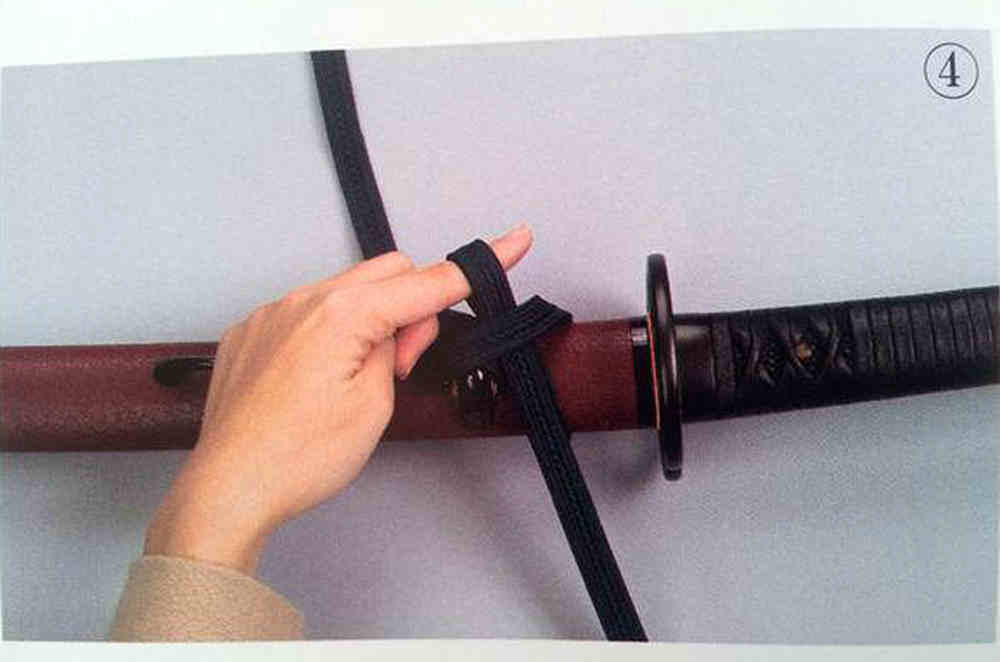
Take one side of the Sageo and create a loop near the center of the saya. Hold the loop firmly while passing the other end of the cord through.
The first loop creates the foundation of the Ronin Musubi pattern, so keeping the shape even is important.
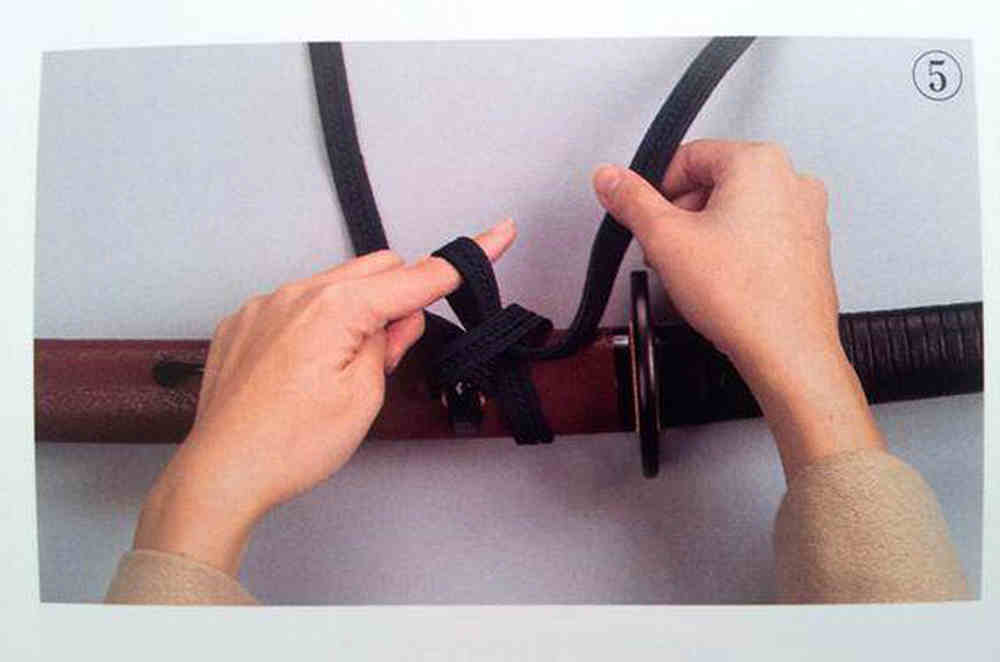
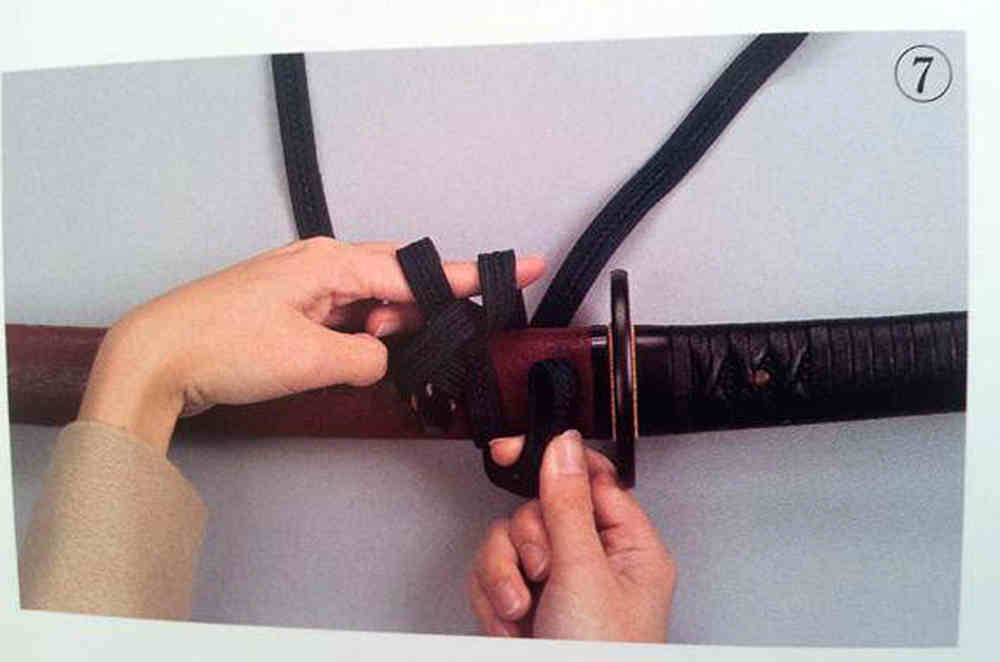
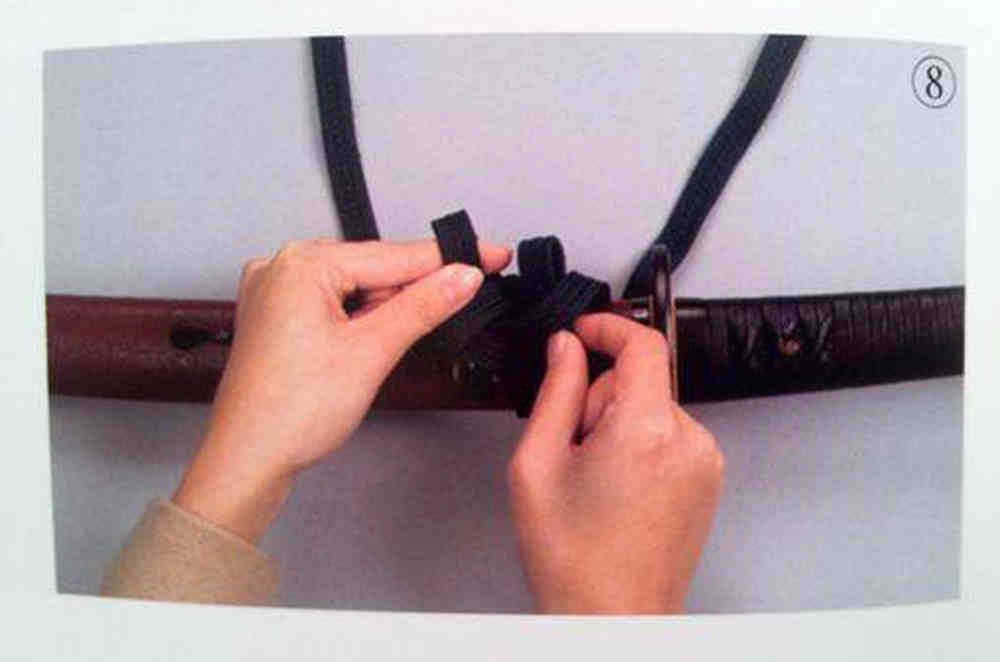
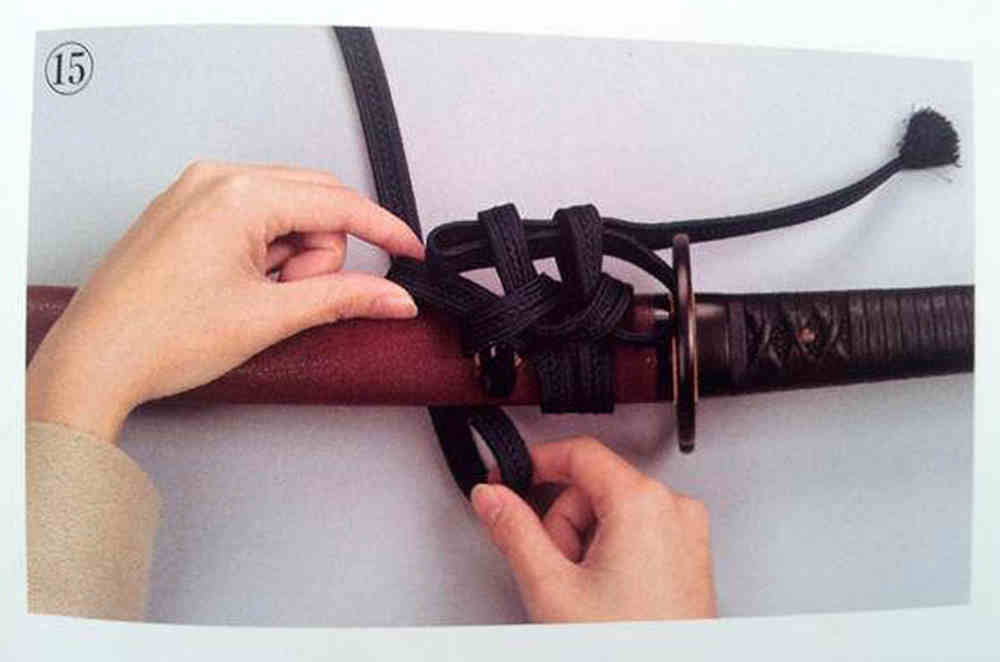
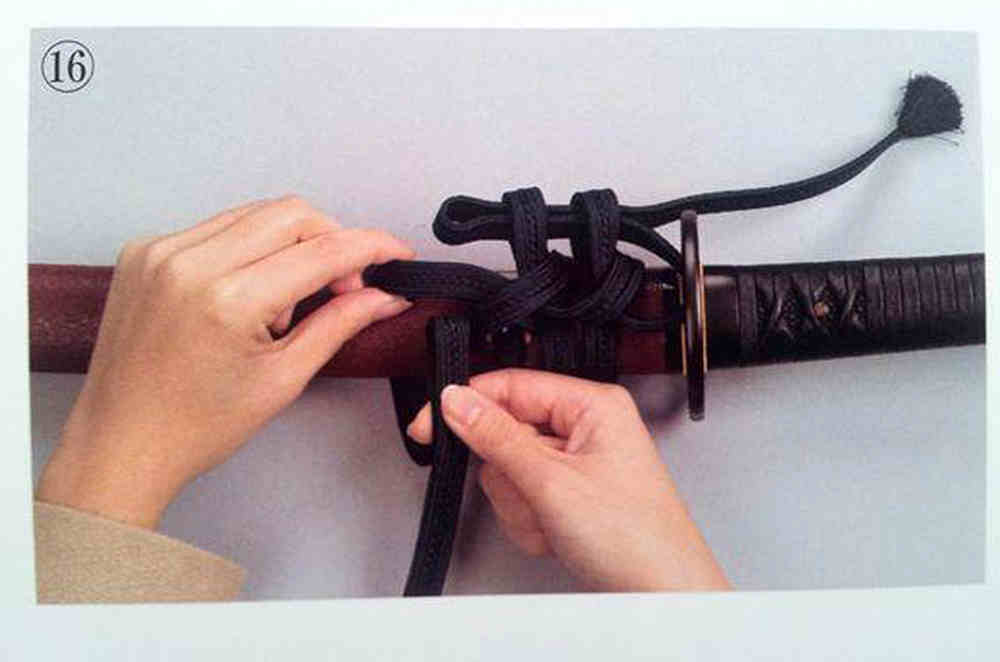
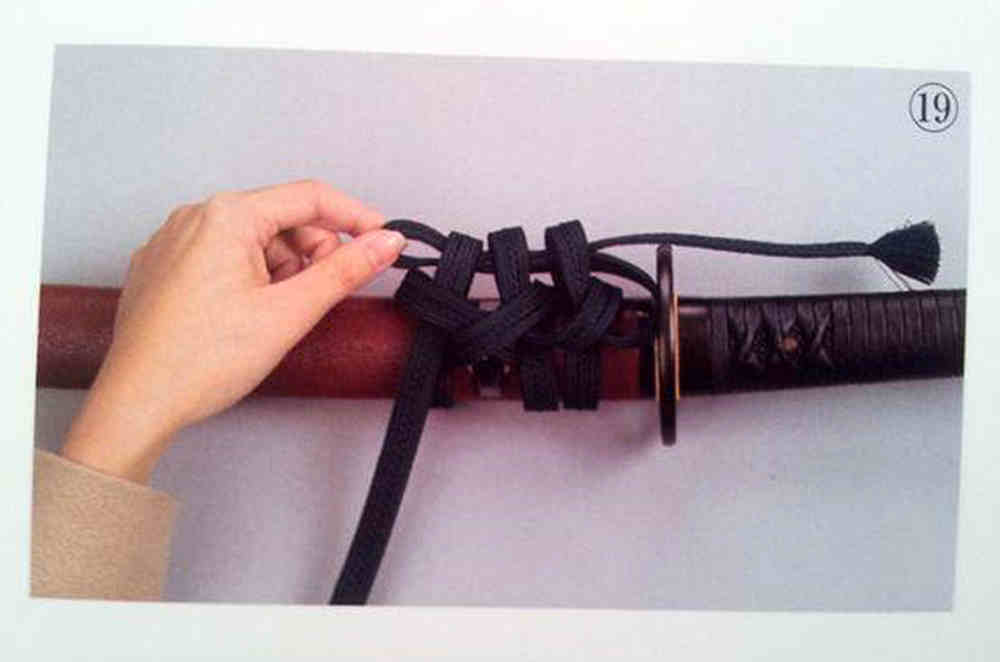
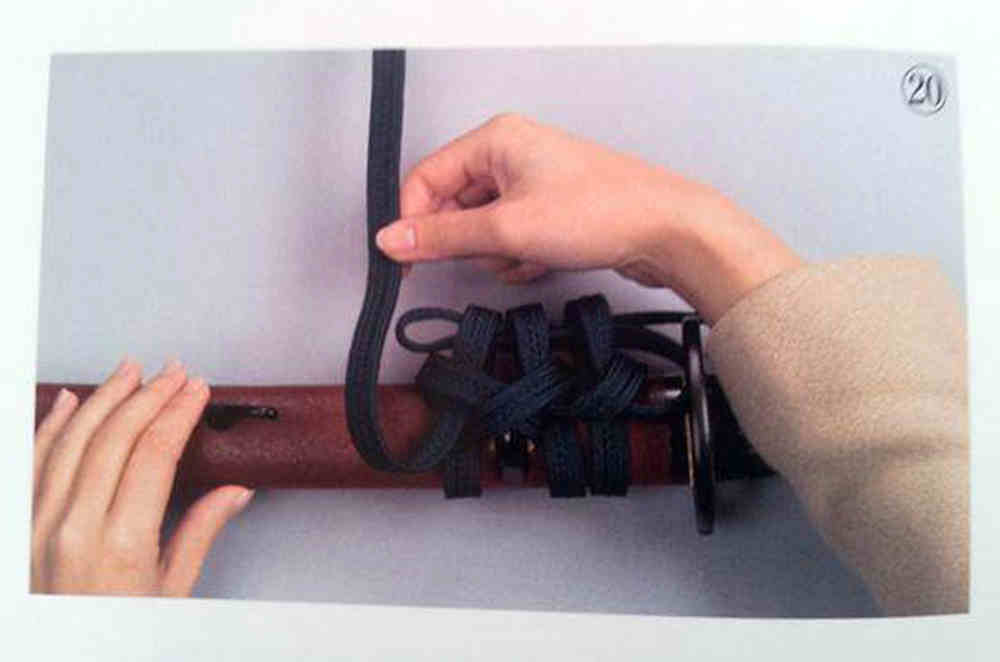
Step 3: Cross and Wrap the Sageo Ends
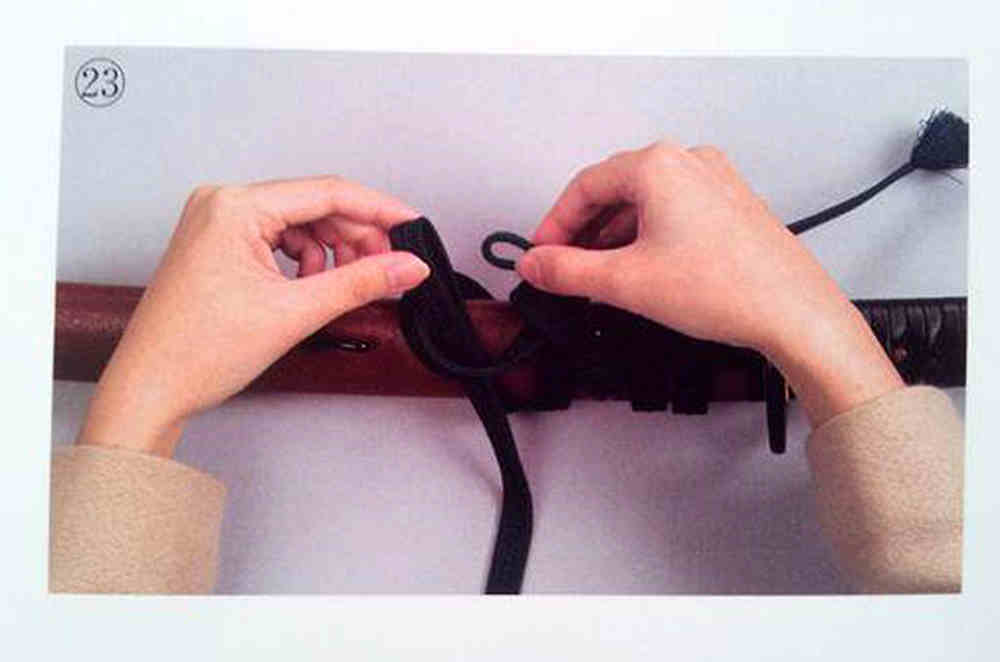
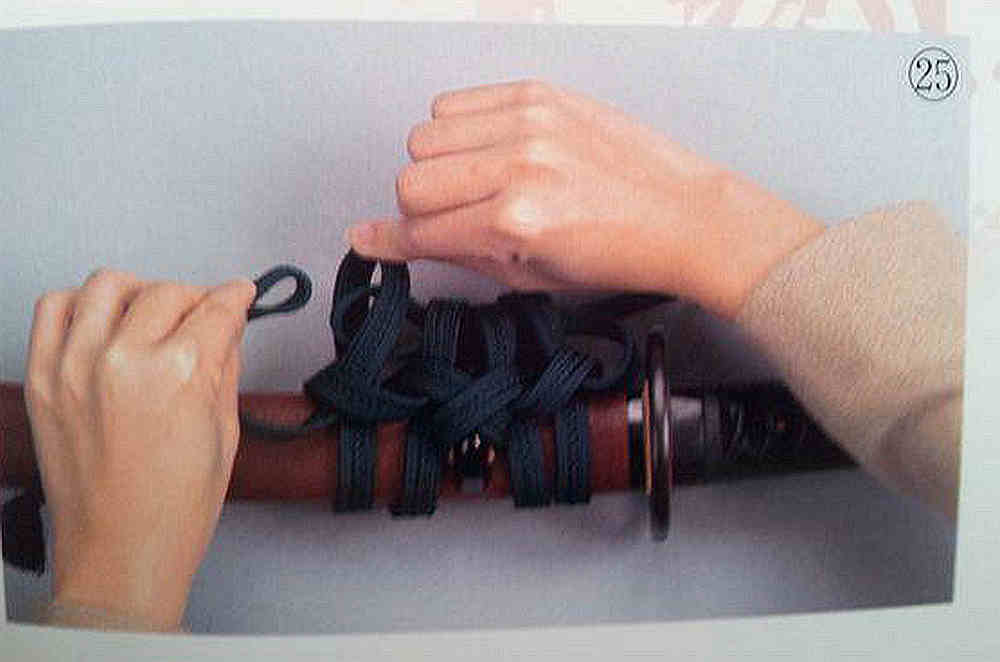
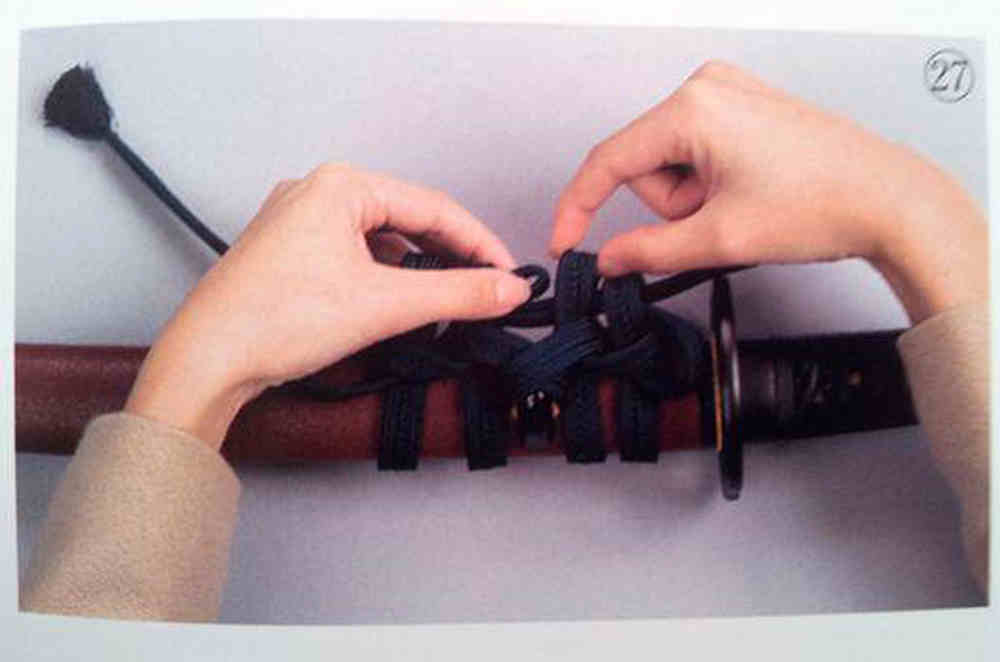
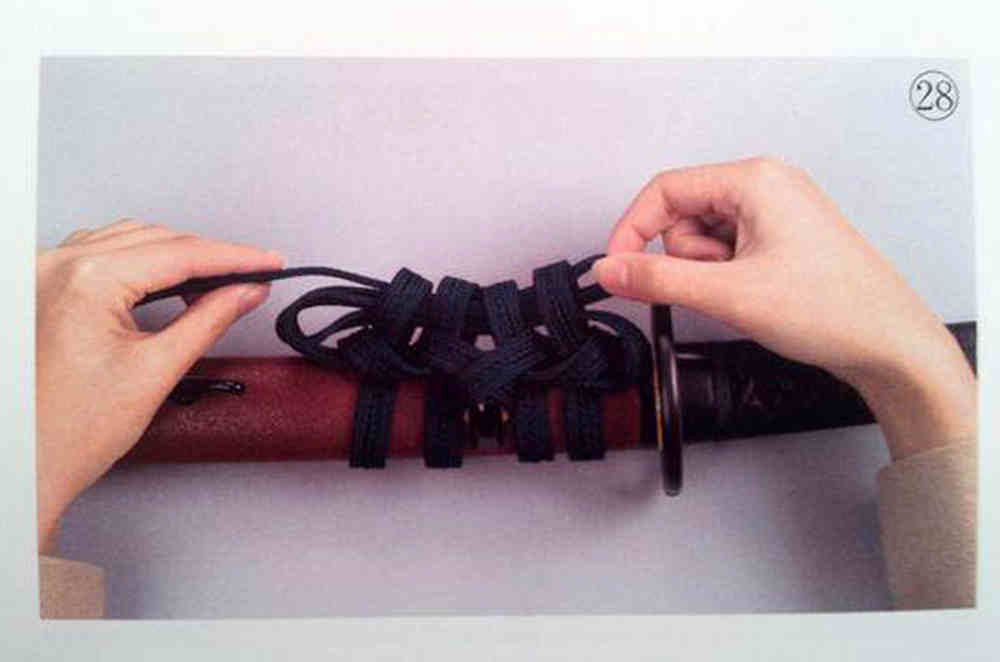
Cross the two Sageo ends and carefully wrap them around the existing loops. Maintain consistent tension so the knot remains balanced.
Avoid pulling too tightly at this stage because you may need to adjust the position of the knot before finishing.
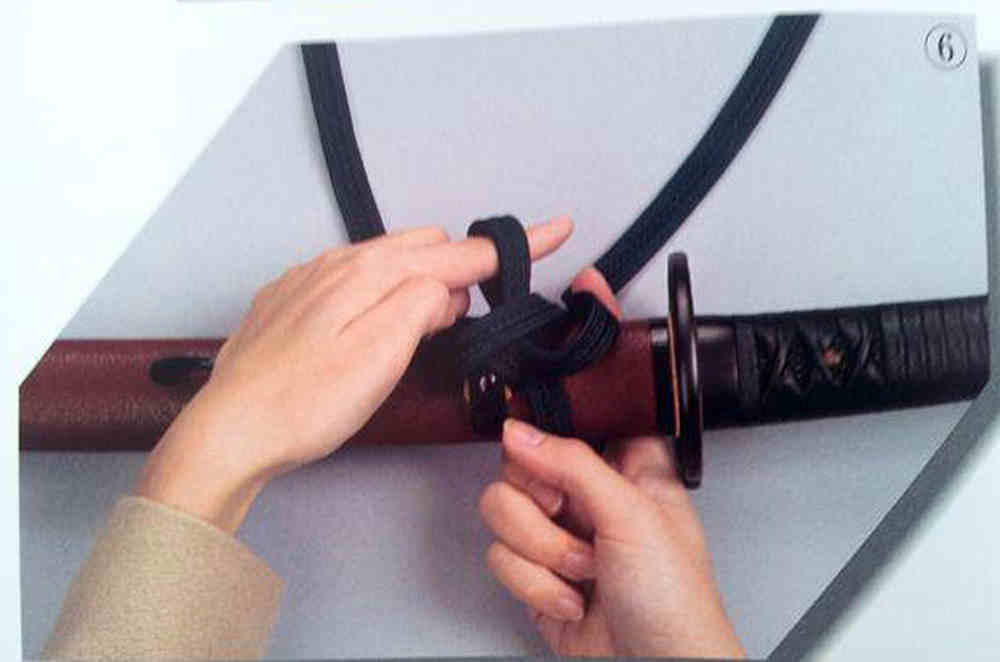
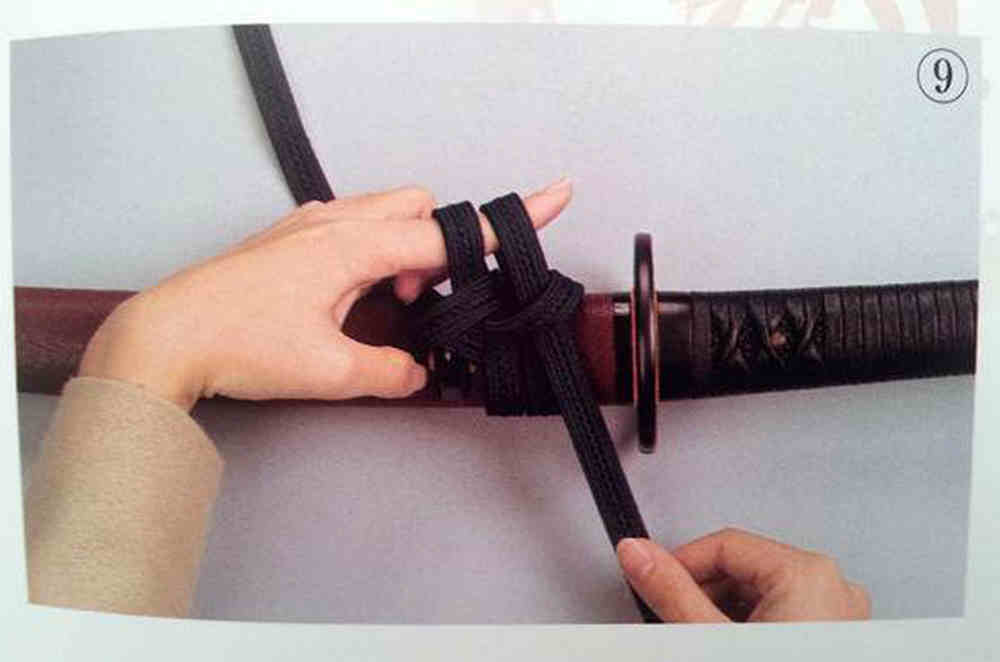
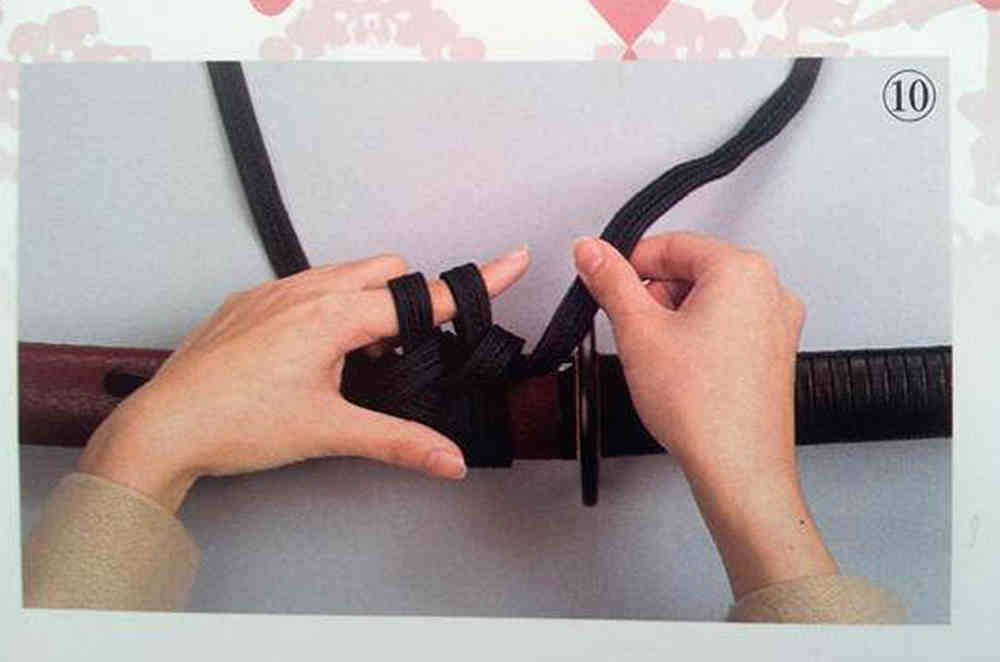
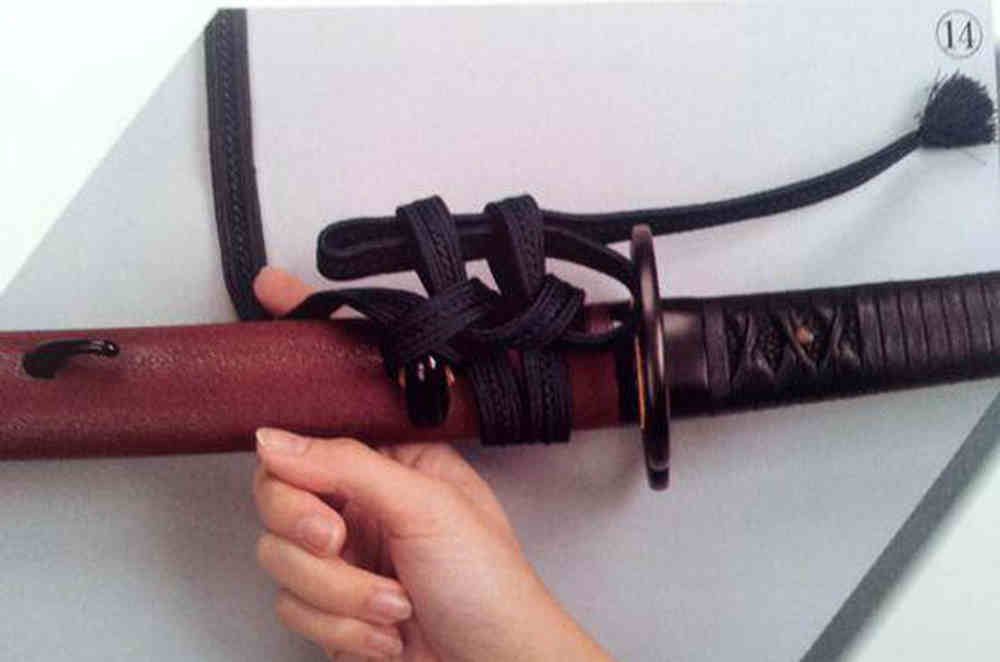
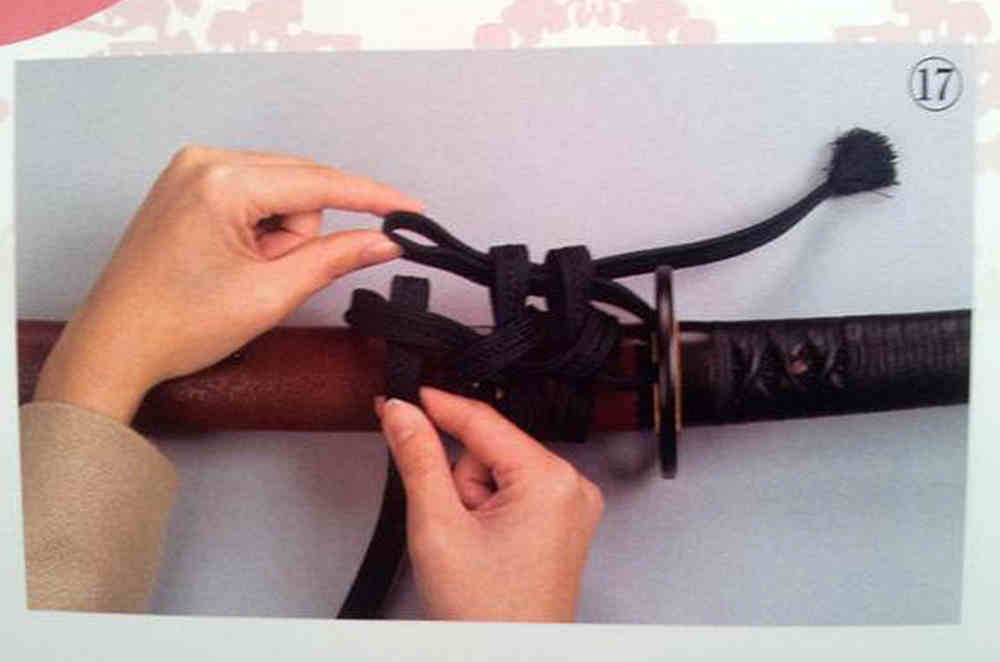
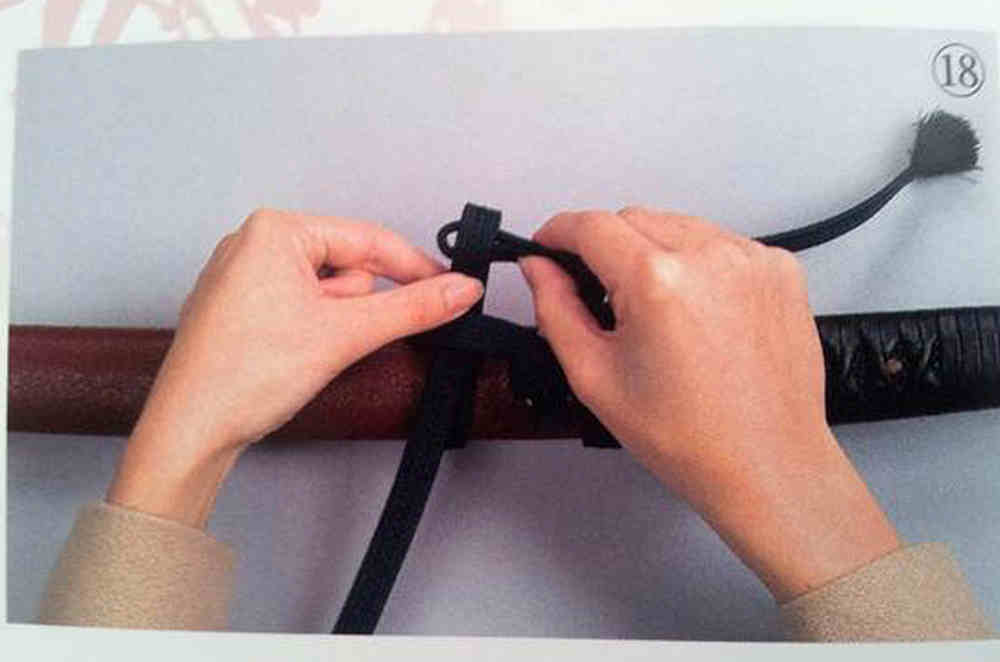
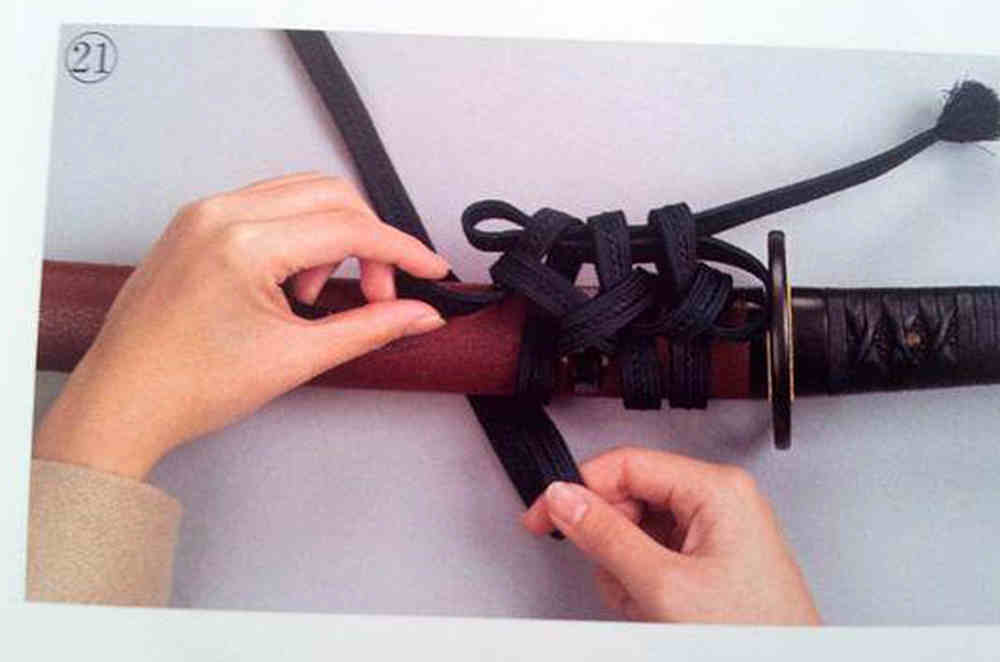
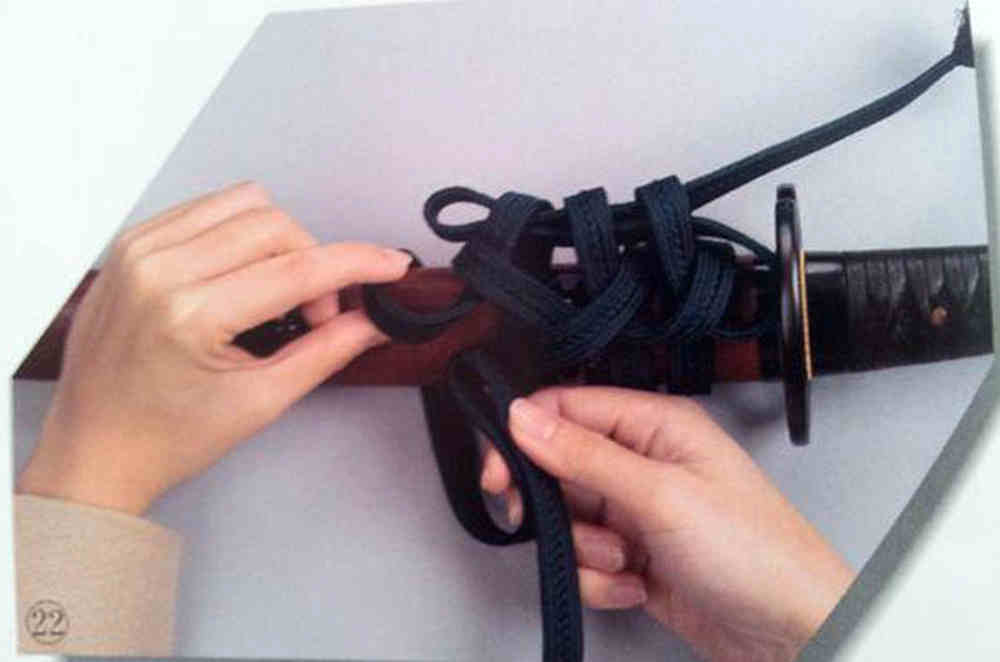
Step 4: Tighten and Adjust the Knot
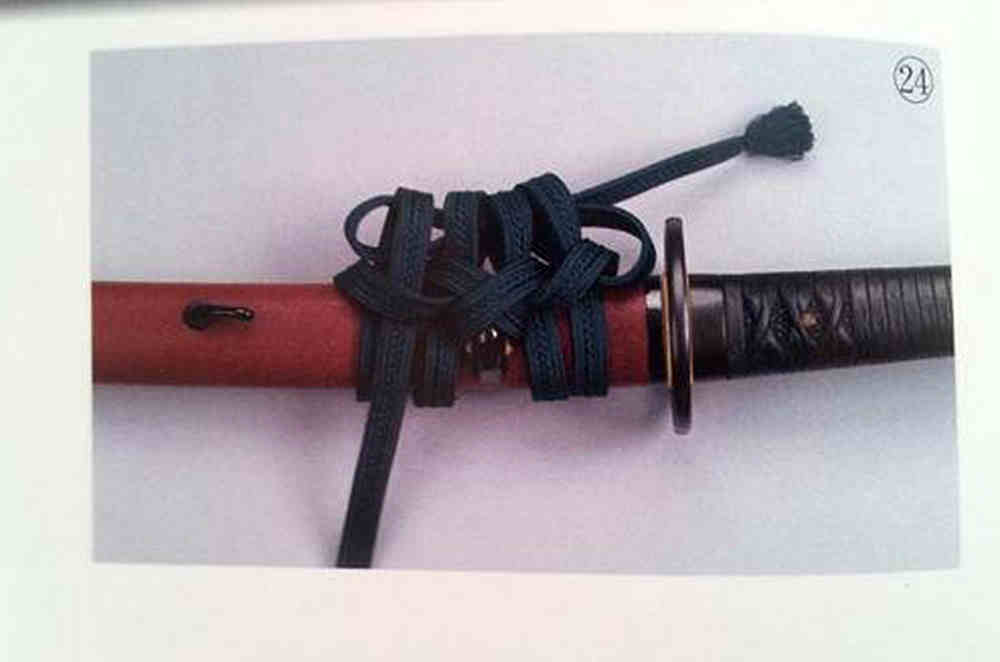
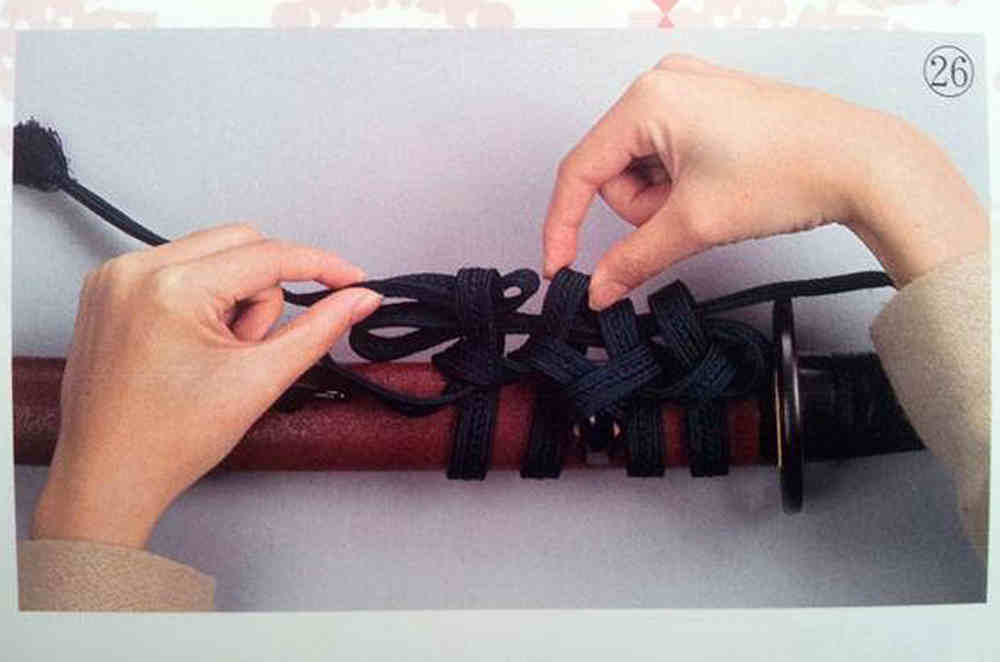
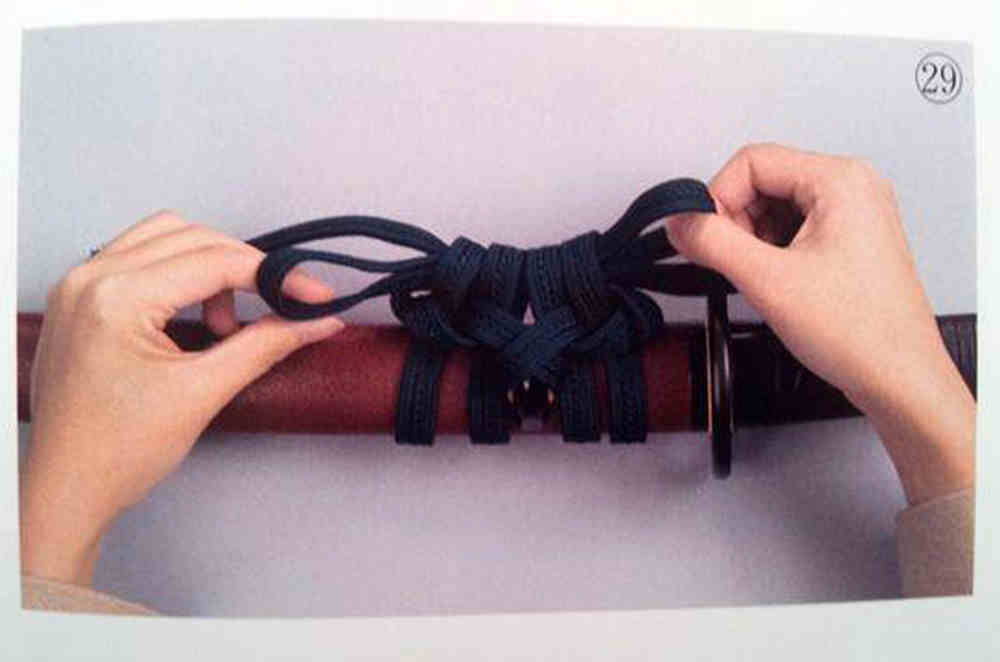
Once the basic Ronin Musubi shape is formed, slowly tighten each section. Make sure the loops are symmetrical and the Sageo lies flat against the saya.
A properly tied Sageo knot should look clean, balanced, and secure without damaging the cord.
Common Mistakes When Tying a Sageo Knot
Many beginners experience difficulties when learning how to tie a Ronin Musubi Knot. Most problems come from incorrect cord tension or uneven loops.
- Uneven Loops: Make sure both sides of the knot have similar sizes.
- Twisted Sageo: Keep the braided pattern facing outward.
- Over Tightening: Pulling too hard can make adjustments difficult.
- Wrong Sageo Length: A cord that is too short may prevent the knot from forming correctly.
Practicing with a spare Sageo cord before working on your favorite Katana is recommended. With repetition, the process becomes natural.
How to Choose the Right Sageo for Your Katana
Choosing the correct Sageo can improve both the appearance and usability of your Japanese sword. Different colors, materials, and thicknesses create different styles.
| Sageo Type | Characteristics |
| Synthetic Silk Sageo | Durable, affordable, and commonly used for modern Katana. |
| Cotton Sageo | Traditional feeling with a softer texture. |
| Thick Decorative Sageo | Creates a stronger visual effect for display swords. |
The best Sageo choice depends on your Katana style, saya color, and whether the sword is intended for display, collection, or practice.
The Cultural Meaning Behind the Ronin Musubi Knot
The Ronin Musubi Knot is more than a decorative method for tying a Sageo. It represents the connection between Japanese sword traditions, samurai culture, and the careful attention given to every detail of a Katana.
Historically, samurai considered every part of their sword important, including the fittings, saya, Sageo, and wrapping style. A properly arranged Sageo reflected discipline, respect, and appreciation for the sword.
Today, collectors continue this tradition by learning traditional Sageo tying methods. A carefully tied Ronin Musubi Knot adds authenticity and improves the overall presentation of a Japanese sword.
How to Maintain Your Katana Sageo
Proper maintenance helps keep the Sageo clean and preserves its appearance. Although the Sageo does not require complicated care, regular attention can extend its lifespan.
- Keep the Sageo away from excessive moisture.
- Avoid placing heavy pressure on the knot for long periods.
- Keep the cord clean from dust and dirt.
- Loosen and retie the knot carefully when adjusting the sword display.
If the Sageo becomes loose over time, simply adjust the knot and restore the original shape. A well-maintained Sageo helps your Katana maintain a traditional and elegant appearance.
Frequently Asked Questions About Ronin Musubi Knot
1. What is a Ronin Musubi Knot?
Ronin Musubi is a traditional Japanese Sageo knot style used on Katana saya. It creates a decorative and balanced pattern while keeping the sword cord organized.
2. Is the Ronin Musubi Knot difficult for beginners?
The Ronin Musubi Knot may seem complicated at first, but beginners can learn it through practice. Following each step carefully and maintaining even tension will help achieve better results.
3. What is the purpose of a Sageo on a Katana?
Traditionally, the Sageo helped secure the sword to the samurai's belt. Today, it also serves as an important decorative element that completes the appearance of a Japanese sword.
4. Can I use a Ronin Musubi Knot on any Katana?
Yes. The Ronin Musubi Knot can be used on most Katana with a properly installed Sageo. The final appearance depends on the Sageo length, material, and sword style.
5. What length Sageo is best for tying a Katana knot?
The ideal Sageo length depends on the Katana size and the knot style. A longer Sageo generally provides more flexibility for traditional decorative knots.
6. Can I replace the Sageo on my Katana?
Yes. Many Katana owners replace Sageo to match different saya colors, fittings, or personal preferences.
Final Thoughts: Mastering the Ronin Musubi Knot
Learning how to tie the Ronin Musubi Knot is an enjoyable way to connect with Japanese sword culture. Although it is a small detail, the Sageo knot plays an important role in completing the traditional appearance of a Katana.
Whether you are a Katana collector, martial arts practitioner, or Japanese sword enthusiast, understanding Sageo tying methods allows you to appreciate the craftsmanship behind every part of the sword.
A carefully tied Ronin Musubi Knot adds elegance, authenticity, and personality to your Japanese sword collection.
Want a unique sword? Feel free to contact us
Skype: hanbon-sword
Phone: 086 13739276006
Email: [email protected]
Website: www.hanbonforge.com
Custom Sword Page: www.hanbonforge.com/CUSTOM-SWORDS/Custom-Your-Own-Swords