How to Tell if a Katana Is Well Made: 10 Things to Check Before Buying
How to Tell if a Katana Is Well Made: 10 Things to Check Before Buying
Buying a katana can be confusing, especially if you are purchasing your first Japanese-style sword. Two swords may look very similar in photos while having significant differences in blade construction, heat treatment, fittings, and overall quality.
So, how can you tell if a katana is well made? The answer is not simply the type of steel or how attractive the sword looks. A quality katana is the result of many details working together, from the blade geometry and heat treatment to the tang, handle construction, and saya.
In this guide, we will explain 10 important things to check before buying a katana. Whether you are looking for a display sword, a traditionally styled handmade katana, or a sword built for practical cutting, these points can help you make a more informed decision.
1. Check the Blade Steel
The steel used for the blade is one of the first things you should check when evaluating a katana. Different steels have different characteristics, and the steel itself is only part of the story. Proper heat treatment and blade construction are equally important.
Common steels used for modern handmade katana include 1060steel, 1095steel, and T10 steel. Some blades are also made from folded steel or differentially hardened steels. These materials can produce excellent swords when they are properly forged and heat treated.
However, a higher carbon content does not automatically mean a better sword. For example, 1095 and T10 steel can produce a hard, responsive cutting edge, but the final performance depends heavily on the maker's heat-treatment process and blade geometry.
When comparing swords, look for a clear description of the steel rather than vague terms such as "high-quality metal" or "super steel." A trustworthy seller should be able to tell you what steel was used and how the blade was made.
2. Look at the Heat Treatment
Heat treatment is one of the most important factors affecting the quality of a katana blade. The process changes the properties of the steel and helps determine the balance between hardness, strength, and toughness.
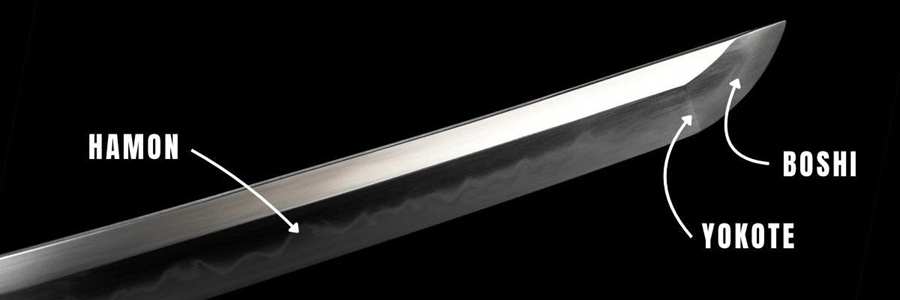
A katana may be clay tempered, oil quenched, or produced using another heat-treatment method. Traditional-style differential hardening uses clay or another insulating material to create different cooling rates across the blade. This can produce a visible hamon along the hardened edge.
When examining a sword, do not judge heat treatment only by whether the blade has a beautiful hamon. A genuine-looking hamon is interesting, but the quality of the heat treatment and the consistency of the finished blade matter more than appearance alone.
If a seller provides information about the heat-treatment method, steel type, and intended use of the sword, it is generally easier to understand what you are actually buying.
3. Examine the Blade Geometry
A katana is not simply a piece of sharpened steel. The shape and geometry of the blade have a major influence on its appearance, handling, and cutting characteristics.
Pay attention to features such as the shinogi, shinogi-ji, ha, mune, yokote, kissaki, motohaba, sakihaba, and kasane. These elements should form a coherent blade shape rather than looking uneven or poorly defined.
On a Shinogi-Zukuri katana, for example, the shinogi line should be clear and reasonably consistent. The transition between different surfaces of the blade should look intentional and clean.
The kissaki also deserves attention. A well-formed kissaki should have a clear yokote and an appropriate relationship between the point, edge, and surrounding geometry. Poorly shaped blade geometry can make an otherwise attractive sword look noticeably less refined.
4. Inspect the Tang (Nakago)
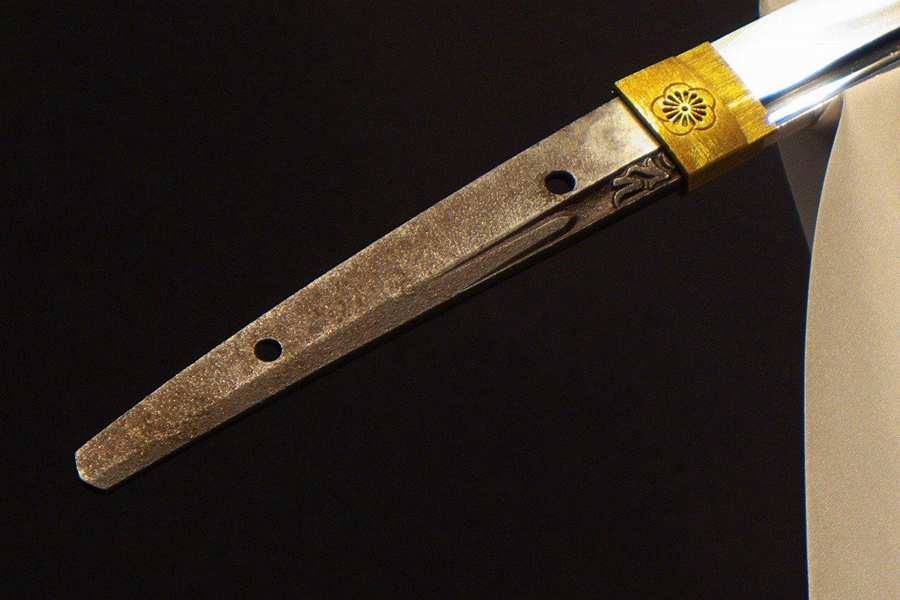
The tang, known as the nakago, is the part of the blade that extends into the handle. Although it is normally hidden when the sword is assembled, it is an important part of the sword's construction.
For a functional katana, look for a properly constructed tang that extends sufficiently into the handle. A full tang construction is commonly preferred for modern functional swords because the blade and handle have a substantial structural connection.
The mekugi, or bamboo retaining pegs, also play an important role in securing the handle. A well-made sword should have a properly fitted tsuka and secure mounting rather than a handle that feels loose or poorly assembled.
If possible, ask the seller about the tang construction before purchasing. Photos of the disassembled sword can also provide useful information about how the blade and handle are constructed.
5. Check the Tsuka and Handle Wrapping
The handle, or tsuka, should feel solid and properly assembled. Even a high-quality blade can be let down by a poorly fitted handle.
Look closely at the tsuka-ito, the wrapping material used around the handle. The wrapping should be neat, consistent, and sufficiently tight. Loose or uneven wrapping can affect both the appearance and handling of the sword.
Traditional-style katana may use cotton, silk, or synthetic ito. The material is worth considering, but the quality of the wrapping and the construction underneath are just as important.
Also check the relationship between the tsuka, fuchi, kashira, and tsuba. These components should fit together cleanly without excessive movement or obvious gaps.
6. Examine the Tsuba and Other Fittings
The fittings, or koshirae, are another important part of a katana. They include the tsuba, fuchi, kashira, menuki, habaki, and other components. While fittings are often chosen for their decorative value, their fit and construction are also important when evaluating overall katana quality.
The tsuba should sit securely between the fuchi and habaki without excessive movement. The fuchi and kashira should also fit properly with the tsuka. Small gaps, rattling parts, or visibly poor alignment can be signs of rushed assembly.
The habaki is particularly important because it helps secure the blade in the saya. A properly fitted habaki should work together with the saya to provide a firm and controlled fit.
Decorative fittings can vary widely in style, from simple iron tsuba to brass or more elaborate designs. The most important thing is that the fittings are properly installed and appropriate for the sword.
7. Check the Hamon and Blade Finish
The hamon is one of the most recognizable features of a Japanese-style sword. It is the visible transition between the hardened edge and the softer portion of the blade on a differentially hardened sword.
Common hamon styles include Notare, Gunome, Choji, and Suguha. Each has a different visual character, and the choice often comes down to personal preference.
When checking a katana, look at how naturally and consistently the hamon follows the blade. A well-finished blade should also have a clean surface without obvious scratches, uneven polishing, or careless finishing marks.
Keep in mind that a dramatic hamon does not automatically mean that the sword is better. Blade geometry, heat treatment, construction, and finishing all need to be considered together.
8. Inspect the Saya Fit
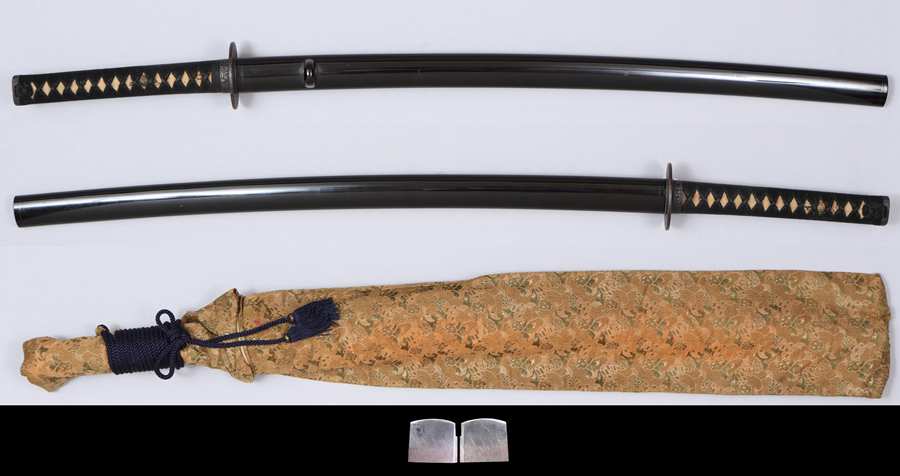
The saya, or scabbard, is more than a decorative accessory. It protects the blade and is an important part of the complete katana mounting.
A properly fitted saya should hold the sword securely without excessive looseness. The blade should not rattle noticeably inside the scabbard, and the habaki should fit correctly into the koiguchi.
You should also look at the overall finish of the saya. The surface should be reasonably smooth and the fittings should be properly attached. Decorative elements such as sageo, kurikata, and kojiri should be securely installed rather than simply added for appearance.
A good fit between the blade and saya is especially important because an attractive sword can still be disappointing if the scabbard is poorly fitted.
9. Pay Attention to Balance and Handling
A katana's specifications can tell you a lot, but they cannot completely describe how a sword feels in the hand. Balance is another useful factor to consider when comparing different swords.
The overall weight, blade length, handle length, and point of balance all influence how a katana handles. A sword that is too heavy for its intended user may feel cumbersome, while one with poor balance may feel less controlled.
For this reason, do not judge a katana only by its appearance or specifications. If you are buying online, look carefully at the listed dimensions and weight, and consider whether they match your intended use.
A well-made katana should have a coherent relationship between its blade, handle, fittings, and overall dimensions. Good design is not simply about making every component as large or heavy as possible.
10. Consider the Maker's Reputation and Product Information
Finally, consider who made the sword and how much information the seller provides. A detailed product description can tell you much more than a few attractive photographs.
Before buying, look for clear information about the steel type, blade construction, heat treatment, blade length, weight, fittings, handle construction, and saya. If the sword is intended for cutting, make sure the seller clearly states whether it is designed for that purpose.
Customer reviews and long-term feedback can also be useful. Instead of focusing only on comments about appearance, look for information about construction quality, fit and finish, communication, and whether the sword matched its description.
A reliable seller should be willing to provide accurate specifications and answer reasonable questions about the sword. Clear information is one of the best ways to avoid buying a katana based only on photographs.
A Quick Checklist for Buying a Quality Katana
Before placing your order, use this simple checklist to compare different katana:
- Check the exact blade steel.
- Find out how the blade was heat treated.
- Examine the blade geometry and overall shape.
- Check the tang and handle construction.
- Look for tight and consistent tsuka-ito wrapping.
- Inspect the tsuba, habaki, fuchi, kashira, and other fittings.
- Look at the hamon and quality of the blade finish.
- Check whether the saya fits the blade properly.
- Consider the sword's weight, dimensions, and balance.
- Research the maker or seller and read customer feedback.
What Makes a Katana Well Made?
There is no single feature that makes a katana high quality. A good katana is the result of many individual details being properly executed.
The steel needs to be appropriate for the intended purpose, the heat treatment needs to be properly controlled, and the blade geometry needs to be consistent. The tang, tsuka, fittings, and saya should also be correctly assembled and fitted.
Most importantly, buyers should look beyond marketing terms. Words such as "folded," "battle ready," or "hand forged" do not by themselves guarantee that a sword is well made. The complete construction and the quality of the workmanship matter more than any single feature.
Taking the time to compare these details can make it much easier to find a katana that matches your expectations, budget, and intended use.
Frequently Asked Questions About Katana Quality
How can you tell if a katana is good quality?
Look at the sword as a complete product rather than focusing on one feature. Check the steel, heat treatment, blade geometry, tang construction, handle, fittings, saya, finish, and the reputation of the seller. Good construction and consistent workmanship are stronger indicators of quality than marketing terminology alone.
Is T10 steel good for a katana?
T10 steel is a high-carbon tool steel commonly used for modern katana. It can be suitable for a katana when it is properly forged, heat treated, and finished. However, the steel designation alone does not determine the final quality of the sword.
Does a real hamon mean a katana is high quality?
Not necessarily. A genuine hamon can indicate differential hardening, but it is only one part of a sword's construction. A quality katana should also have good blade geometry, appropriate heat treatment, solid construction, and careful finishing.
Is a folded steel katana always better?
No. Folding is a traditional forging technique, but it does not automatically make one modern katana better than another. Modern monosteel blades can also be very well made. When comparing swords, consider the steel, heat treatment, geometry, construction, and workmanship as a whole.
What should I check before buying a katana online?
Check the product specifications carefully, including steel type, blade length, thickness, weight, heat treatment, tang construction, fittings, and saya. Look for clear photographs and detailed information from the seller. Customer reviews can also help you understand whether the actual sword matches the product description.
What is more important: katana steel or heat treatment?
Both are important. Steel provides the starting material, while heat treatment determines many of its final properties. A good steel that is poorly heat treated may not produce a good blade, while proper heat treatment can make a suitable steel perform much better.
Final Thoughts
Learning how to tell if a katana is well made does not require you to be an expert swordsmith. Start with the basics: understand the steel, check the heat treatment, examine the blade geometry, and pay attention to how the sword is assembled.
From the blade and nakago to the tsuka, tsuba, habaki, and saya, every part contributes to the finished sword. By checking these details before buying, you can compare different katana more confidently and choose a sword that better fits your needs.
Whether you are buying your first katana or adding another sword to your collection, the best approach is simple: look beyond appearance and understand how the entire sword is made.
Related Products