How to Tell Genuine Ray Skin from Fake Samegawa on a Katana Handle
How to Tell Genuine Ray Skin from Fake Ray Skin on a Katana Handle (Samegawa Guide)
When buying a katana, wakizashi, or tanto, many collectors focus on blade steel, hamon, and fittings—but often overlook one important detail: the samegawa (ray skin) on the sword handle.
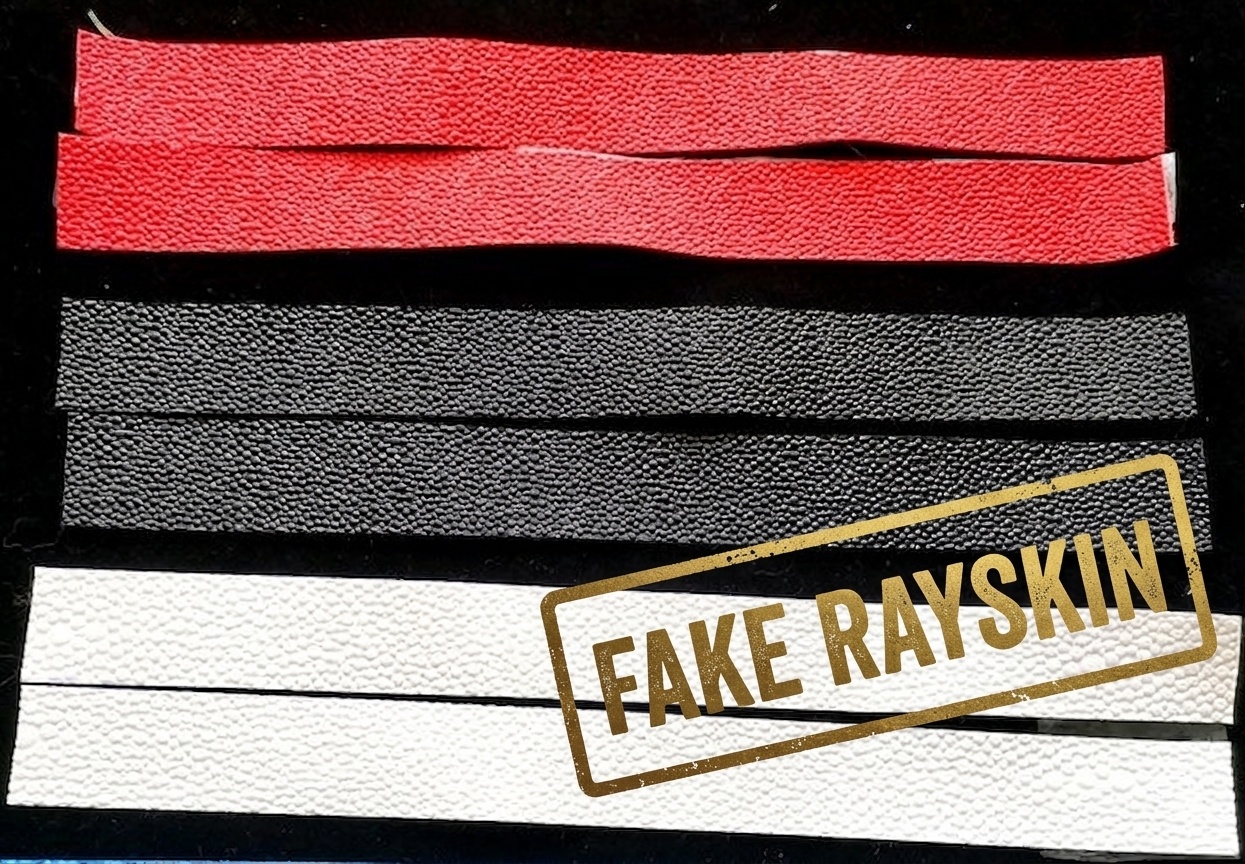
Many low-cost swords use synthetic imitation ray skin that looks similar at first glance but lacks the durability, grip, and authenticity of real samegawa.
In this guide, we’ll explain:
- What genuine samegawa is
- How fake ray skin is made
- How to identify real vs fake ray skin
- Why real samegawa matters for functional swords
What Is Samegawa?
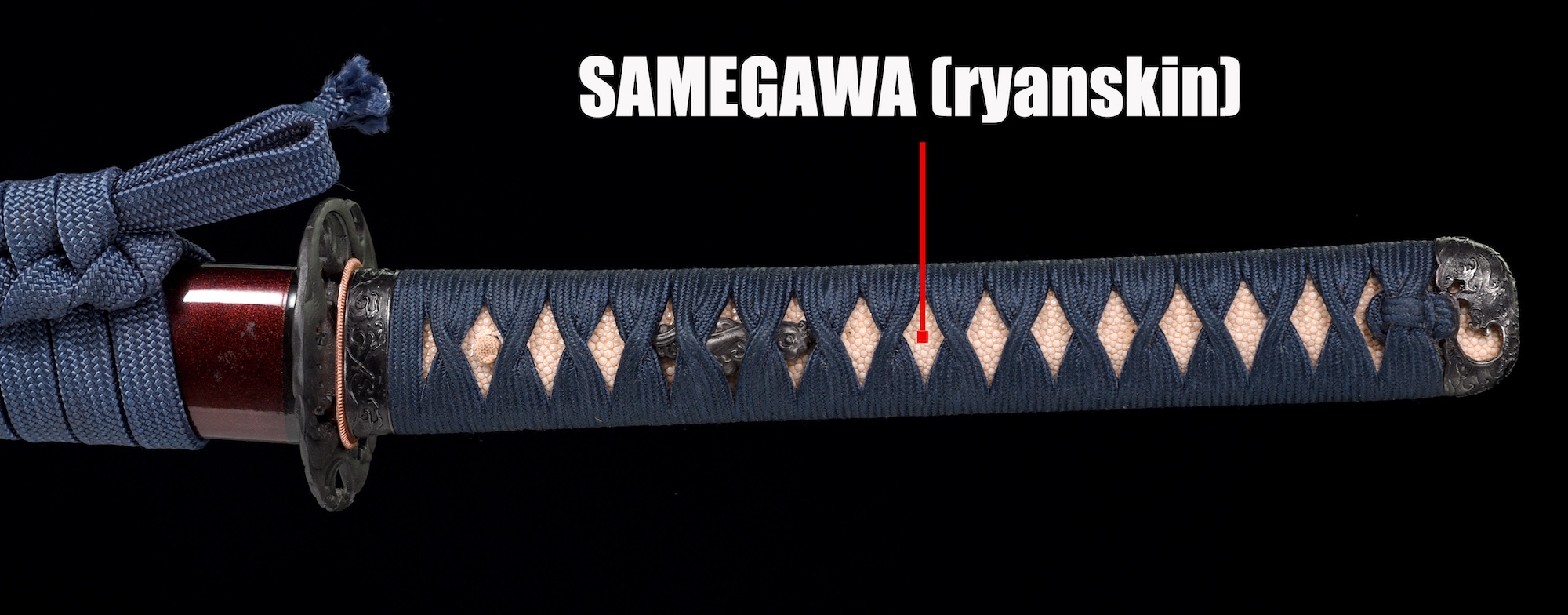
Samegawa (鮫皮) refers to the traditional ray skin used on Japanese sword handles (tsuka).
Historically, Japanese sword makers used stingray skin because of its:
- Exceptional durability
- Natural rough texture for better grip
- Resistance to wear
- Traditional aesthetic appeal
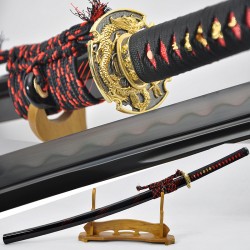
The raised calcium nodules create the unique pearl-like texture collectors recognize on authentic katana handles. Traditional samegawa has been used for centuries in Japanese sword mounting.
What Is Fake Ray Skin?
Fake samegawa is usually made from:
- Plastic
- Rubber
- Synthetic leather
- Molded resin materials
These materials are designed to imitate the appearance of real ray skin but are significantly cheaper.
They are commonly found on:
- Decorative swords
- Anime replica swords
- Low-budget mass-produced katanas
- Wall-hanger swords
Synthetic ray skin may look acceptable in photos but often feels soft and lacks the hard texture of real stingray skin.
6 Ways to Identify Genuine Ray Skin
1. Check the Texture Pattern
Real ray skin has:
- Natural irregularity
- Uneven pearl nodes
- Organic spacing patterns
Fake ray skin often looks:
- Too uniform
- Machine-made
- Repetitive in pattern
Natural materials are never perfectly identical.
2. Feel the Surface Hardness
Real samegawa feels:
- Hard
- Dense
- Rough
- Durable
Fake samegawa often feels:
- Soft
- Rubbery
- Plastic-like
Many collectors describe genuine ray skin as feeling similar to fine sandpaper.
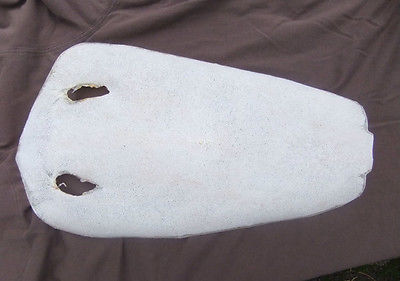
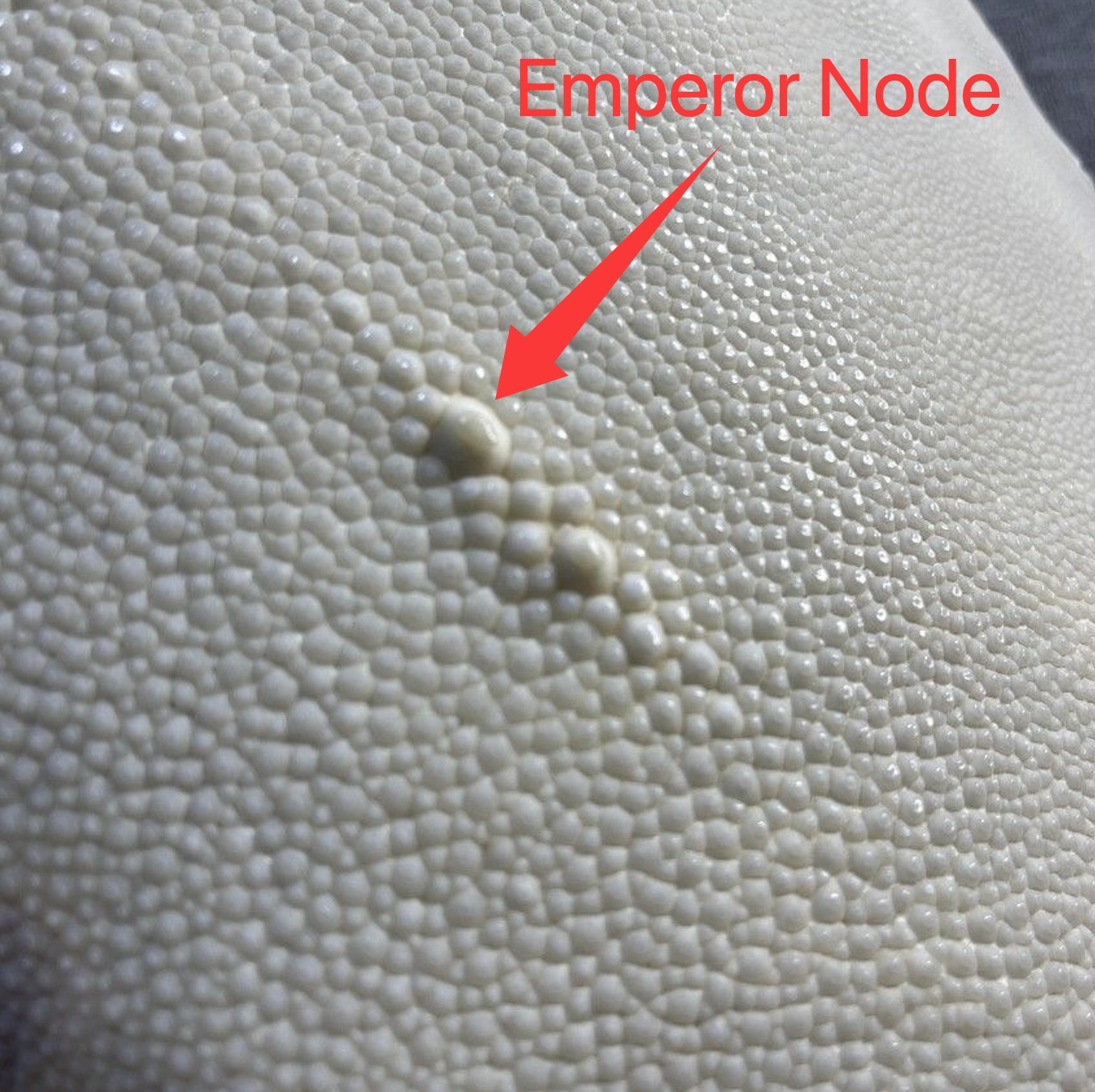
3. Examine the "Emperor Node"
High-quality genuine ray skin often features a larger central node called:
Emperor Node
or
King Pearl
This is one of the easiest signs of premium natural samegawa.
4. Heat Test (Use Caution)
Real ray skin:
- Resists heat better
- Does not melt easily
Fake ray skin:
- May melt
- May emit plastic odor
We do NOT recommend damaging your sword. This test should only be used on loose material samples.
5. Scratch Resistance
Real samegawa is highly resistant to scratches because of its hardened surface.
Synthetic versions tend to scratch much easier.
6. Check the Underside
When replacing tsuka wraps or disassembling a sword:
Real ray skin typically has:
- Natural fibrous backing
- Organic texture
Fake versions often have:
- Fabric backing
- Plastic backing
- Smooth synthetic layers
Why Real Samegawa Matters on Functional Katanas
If you plan to use your sword for:
- Tameshigiri
- Martial arts practice
- Collection
- Long-term ownership
Real ray skin offers better:
Grip Stability
The rough nodules help prevent tsuka-ito from slipping.
Durability
Natural samegawa lasts significantly longer.
Traditional Authenticity
Collectors prefer historically accurate materials.
Resale Value
Swords built with authentic materials retain better value.
Why Some Budget Swords Use Fake Ray Skin
Not every sword needs genuine samegawa.
Synthetic materials help reduce costs on:
- Entry-level swords
- Decorative replicas
- Cosplay swords
However, sellers should always clearly disclose what materials they use.
Does HanBon Forge Use Real Samegawa?
At HanBon Forge, our standard swords use genuine ray skin unless a customer specifically requests synthetic alternatives.
We believe real samegawa offers:
- Better durability
- Better craftsmanship
- Better long-term performance
For custom sword options, visit our custom builder:
FAQ About Katana Ray Skin
Is real ray skin expensive?
Yes. Genuine samegawa costs more because it is a natural material that requires processing.
Can fake ray skin still be usable?
For display swords, yes.
For heavy cutting swords, real samegawa is preferred.
Does dyed ray skin mean it is fake?
No. Genuine ray skin can be dyed black, red, blue, green, and other colors.
Is full-wrap samegawa better than panel samegawa?
Full-wrap samegawa is generally considered more premium and durable.
Final Thoughts
If you're investing in a real katana, always inspect the samegawa carefully.
Real ray skin provides:
Better grip
Better durability
Traditional authenticity
Higher long-term value
Cheap imitation ray skin may save money—but serious collectors usually prefer the real thing.
Related Products