
How Much Does a Real Katana Cost? Complete Katana Price Guide

How Much Does a Real Katana Cost? A Complete Guide to Katana Prices
A real katana is more than just a sword. It represents centuries of Japanese sword-making tradition, careful craftsmanship, and the skill of the swordsmith. For collectors, martial artists, and sword enthusiasts, one of the most common questions is: how much does a real katana cost?
The price of a katana can vary greatly depending on materials, forging methods, blade quality, fittings, and customization options. A simple decorative sword may cost less than $100, while a fully handmade katana with a traditionally forged blade can cost thousands of dollars.
In this guide, we will explain the different katana price ranges, what affects the cost of a Japanese sword, and how to choose a high-quality katana that matches your needs and budget.
How Much Does a Real Katana Cost?
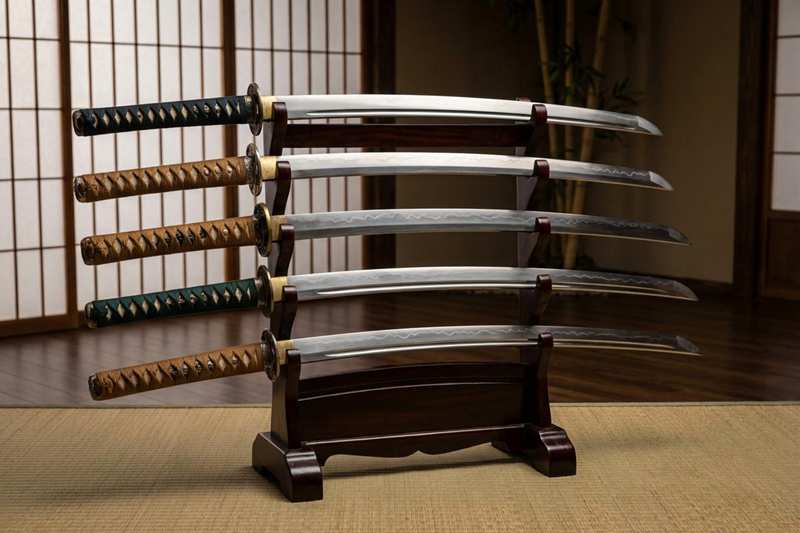
The price of a real katana usually ranges from around $200 to over $3,000, depending on the level of craftsmanship and materials used.
When buying a katana, it is important to understand that price is not only determined by the appearance of the sword. The steel type, heat treatment process, blade construction, polishing method, and sword fittings all influence the final value.
| Katana Price Range | Typical Features |
| Under $100 | Mostly decorative swords. Usually made with stainless steel blades and not designed for cutting. |
| $200 - $500 | Entry-level functional katana with carbon steel blades, suitable for beginners and collectors. |
| $500 - $1,000 | Higher-quality handmade katana with better steel, clay tempering, real hamon, and improved fittings. |
| $1,000+ | Premium custom katana featuring advanced craftsmanship, artistic fittings, and high-end finishing. |
Why Are Handmade Katanas More Expensive?
A handmade katana requires much more time and skill compared with factory-produced swords. Experienced craftsmen must carefully shape, heat treat, polish, and assemble each component.
Several factors influence the price of a handmade Japanese sword:
- Steel quality: Different steels such as T10 carbon steel, 1060 steel, and Damascus steel offer different performance characteristics.
- Heat treatment: Clay tempering creates a harder cutting edge while maintaining a flexible spine, often producing a visible hamon line.
- Blade polishing: Professional polishing improves both the appearance and finishing quality of the blade.
- Sword fittings: Components such as tsuba, fuchi, kashira, and menuki can greatly affect the overall value.
- Customization: Engraving, special saya designs, and personalized sword fittings increase the uniqueness of the katana.
Different Katana Price Levels Explained
Not every katana is made for the same purpose. Some swords are designed for decoration, while others are built using traditional forging methods for collectors and practitioners. Understanding the differences between price levels can help you choose the right sword.
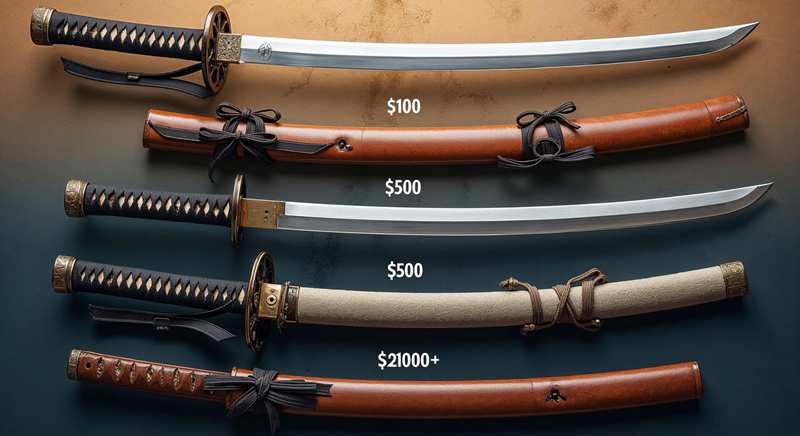
Budget Katana ($100 - $300): Entry-Level Swords
Budget katanas are usually the first choice for beginners who want to own a Japanese-style sword. These swords often focus more on appearance and basic construction rather than advanced craftsmanship.
Many swords in this range use simple carbon steel blades and basic fittings. They may have a full tang construction, but they usually do not include advanced features such as clay tempering, genuine hamon, or premium sword fittings.
A budget katana can be a good choice for:
- Display and collection purposes
- Beginners learning about Japanese swords
- Cosplay or historical decoration
Mid-Range Katana ($300 - $800): Handmade Functional Swords
Most high-quality handmade katana swords fall into this price range. These swords usually offer a better balance between craftsmanship, performance, and affordability.
A mid-range katana may include:
- High carbon steel such as T10 steel or 1095 carbon steel
- Hand-forged blade construction
- Clay tempering with a visible hamon line
- Real ray skin (samegawa) handle wrapping
- Traditional sword fittings
- Sharp cutting edge or customized unsharp blade options
For many collectors and martial arts practitioners, a handmade T10 steel katana offers excellent value because it combines traditional appearance with modern manufacturing control.
Premium Katana ($800 - $3,000+): High-End Custom Swords
Premium katanas are created for collectors who want exceptional craftsmanship, unique designs, and personalized details.
The higher price usually comes from additional handmade work, artistic decoration, and advanced finishing techniques.
Premium katana features may include:
- Custom blade engraving
- Special Damascus steel patterns
- Complex hamon designs
- High-quality polishing
- Handmade tsuba and sword fittings
- Custom saya lacquer designs
- Personalized inscriptions
How Does Steel Affect Katana Price?
The type of steel is one of the most important factors that affects katana price. Different steels provide different levels of hardness, flexibility, appearance, and forging difficulty.
T10 Steel Katana
T10 steel is one of the most popular choices for modern handmade katana swords. It contains a high carbon content and is known for its excellent hardness and durability when properly heat treated.
Many collectors choose T10 steel katana because it works well with clay tempering, allowing craftsmen to create a clear hamon while maintaining a strong blade structure.
Damascus Steel Katana
Damascus steel katana are popular because of their unique layered patterns and beautiful blade appearance. The forging process creates distinctive designs that make each sword visually different.
However, the quality of a Damascus katana depends on the actual forging method, heat treatment, and craftsmanship rather than appearance alone.
1060 Carbon Steel Katana
1060 carbon steel is commonly used for functional katana because it offers good toughness and flexibility. It is often considered a reliable choice for beginners who want a practical sword.
What Makes a Katana Worth the Price?
A high-quality katana is not simply expensive because of the materials used. Its value comes from the combination of craftsmanship, design, and attention to detail.
Before purchasing a katana, consider these important factors:
- Blade construction: A properly forged and heat-treated blade provides better performance and durability.
- Full tang design: A full tang blade provides stronger construction and better balance.
- Hamon quality: A genuine hamon created through clay tempering adds both beauty and historical value.
- Blade geometry: The shape, thickness, and balance of the blade affect handling and cutting ability.
- Sword fittings: Quality fittings improve both appearance and overall craftsmanship.
How to Choose the Right Katana for Your Budget
Choosing the right katana depends on your purpose, experience level, and personal preference. A more expensive sword is not always the best choice for everyone. The most important thing is finding a katana that matches your expectations.
Here are some recommendations based on different needs:
| Your Purpose | Recommended Katana Type |
| First-time collector | A mid-range handmade carbon steel katana with traditional fittings |
| Martial arts practice | A functional full tang katana with good balance and proper heat treatment |
| Sword collection | A custom katana with premium materials and personalized design |
| Display purpose | A beautifully designed katana with detailed sword fittings |
Common Mistakes When Buying a Katana
Many beginners focus only on the appearance or price of a sword and overlook important details. Understanding these common mistakes can help you make a better decision.
- Choosing only by appearance: A beautiful blade does not always mean it is a well-made sword. Always check the steel, construction, and heat treatment.
- Buying extremely cheap swords: Very low-priced katanas often use poor materials and may only be suitable for decoration.
- Ignoring blade specifications: Important details such as steel type, tang construction, and tempering method determine the actual quality of the sword.
- Not considering customization: A custom katana allows collectors to choose blade engraving, fittings, saya style, and handle materials.
Are Expensive Katanas Always Better?
A higher price does not automatically mean a better sword. The value of a katana depends on craftsmanship, materials, and whether it meets the buyer's needs.
For many sword enthusiasts, a handmade T10 steel katana with clay tempering can provide an excellent balance between traditional appearance, durability, and affordability.
The best katana is the one that matches your purpose, whether you are collecting Japanese swords, practicing martial arts, or looking for a custom piece with personal meaning.
Frequently Asked Questions About Katana Prices
How much does a real katana cost?
A real katana usually costs between $200 and several thousand dollars. The price depends on steel type, forging method, craftsmanship, fittings, and customization options.
What is the best steel for a katana?
T10 steel, 1095 carbon steel, and 1060 carbon steel are commonly used for functional katana swords. T10 steel is especially popular because it works well with clay tempering and produces a strong blade with a visible hamon.
Are handmade katanas worth the price?
Yes. Handmade katanas require more craftsmanship and attention to detail compared with mass-produced swords. They usually offer better quality, customization options, and historical value.
Can a cheap katana be a real sword?
Some affordable katanas can be functional, but extremely cheap swords are usually made mainly for decoration. Buyers should check the blade steel, construction, and heat treatment before purchasing.
What should I look for when buying a katana?
Important factors include steel type, full tang construction, blade shape, heat treatment, hamon quality, sword fittings, and overall craftsmanship.
Final Thoughts
A katana is not simply a weapon; it is a combination of history, craftsmanship, and artistic expression. The price of a real katana reflects the materials, skills, and time involved in creating it.
Whether you are searching for your first Japanese sword or adding a custom piece to your collection, understanding katana prices will help you choose a sword that provides both quality and value.