
Exquisite Sword Guards Appreciation | Beautiful Sword Guard Designs & History
Exquisite Sword Guards Appreciation: History, Designs and Types of Sword Guards
A sword is not only a weapon but also a combination of craftsmanship, history, and artistic expression. Among all sword components, the sword guard plays an important role in both protection and decoration.
From European medieval sword guards to Japanese katana tsuba and traditional Chinese sword guards, each design reflects the culture, fighting style, and artistic preferences of its era. This article presents an appreciation of exquisite sword guards and explores their unique characteristics.
What Is a Sword Guard?
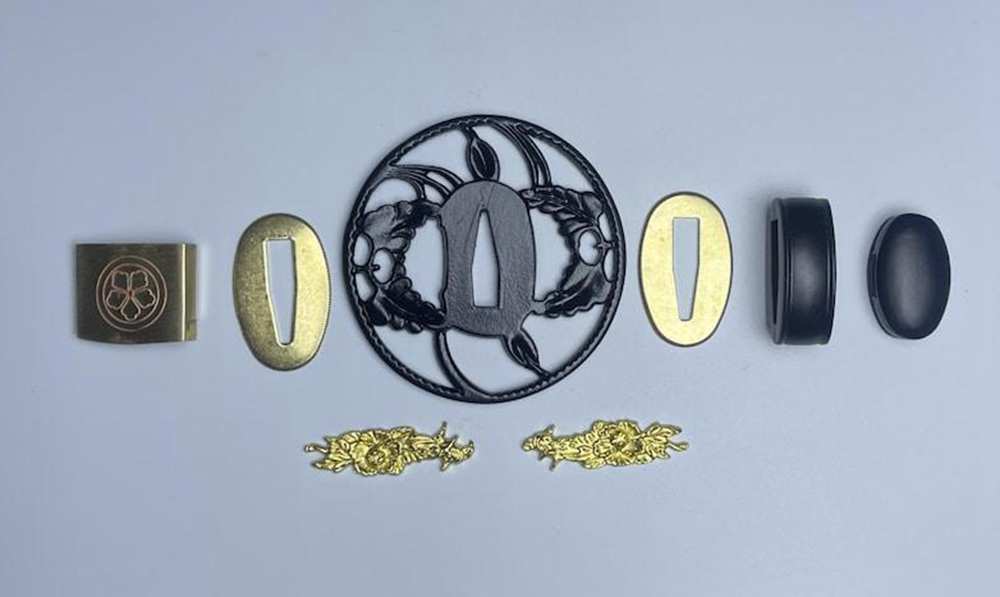
A sword guard is a protective component located between the blade and the handle. Its primary purpose is to protect the user's hand from an opponent's blade sliding down the sword.
Besides its practical function, sword guards often become important decorative elements. Many historical sword guards feature detailed engraving, carving, metal inlay, and artistic patterns representing mythology, nature, animals, and cultural symbols.
Different Types of Sword Guards Around the World
European Sword Guards
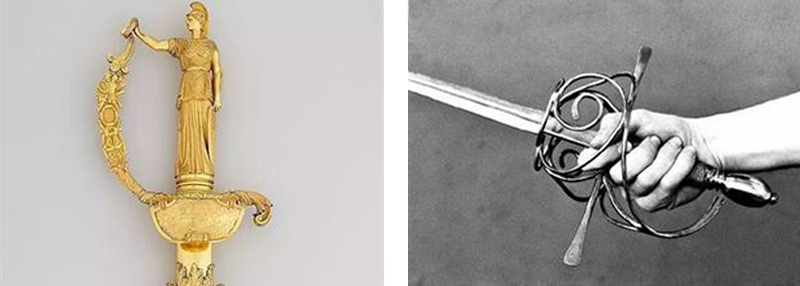
European sword guards developed mainly for battlefield protection. Medieval swords often featured cross guards designed to protect the hand while allowing effective offensive and defensive movements.
Some European sword guards were simple and functional, while others became highly decorative with complex shapes, curved designs, and artistic metalwork.
Japanese Sword Guard (Tsuba)
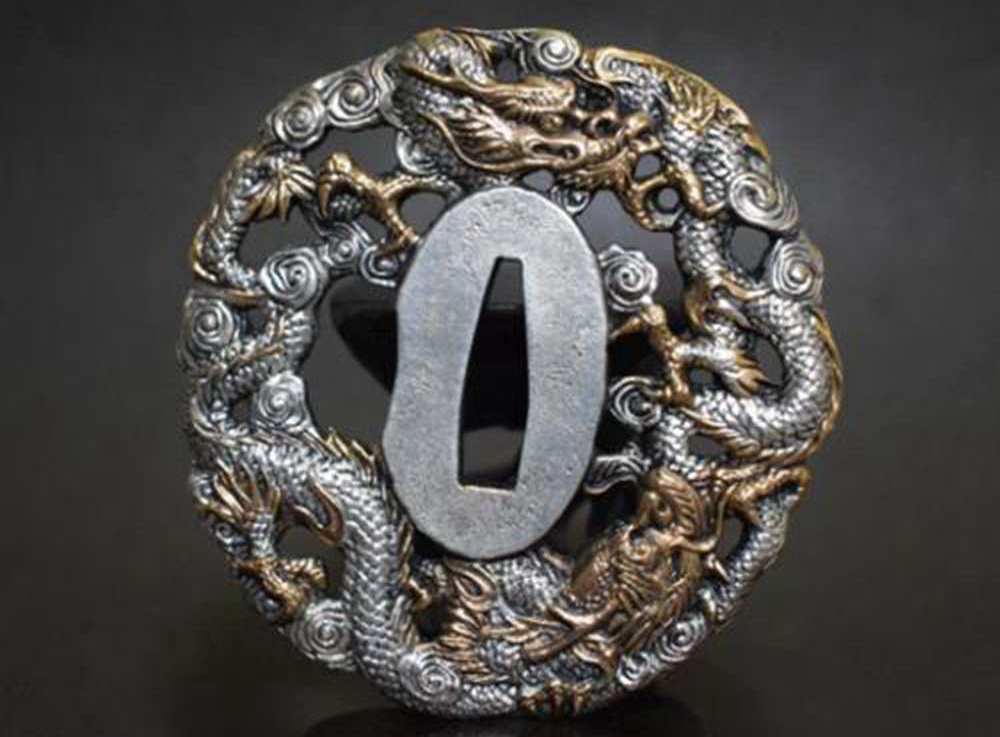
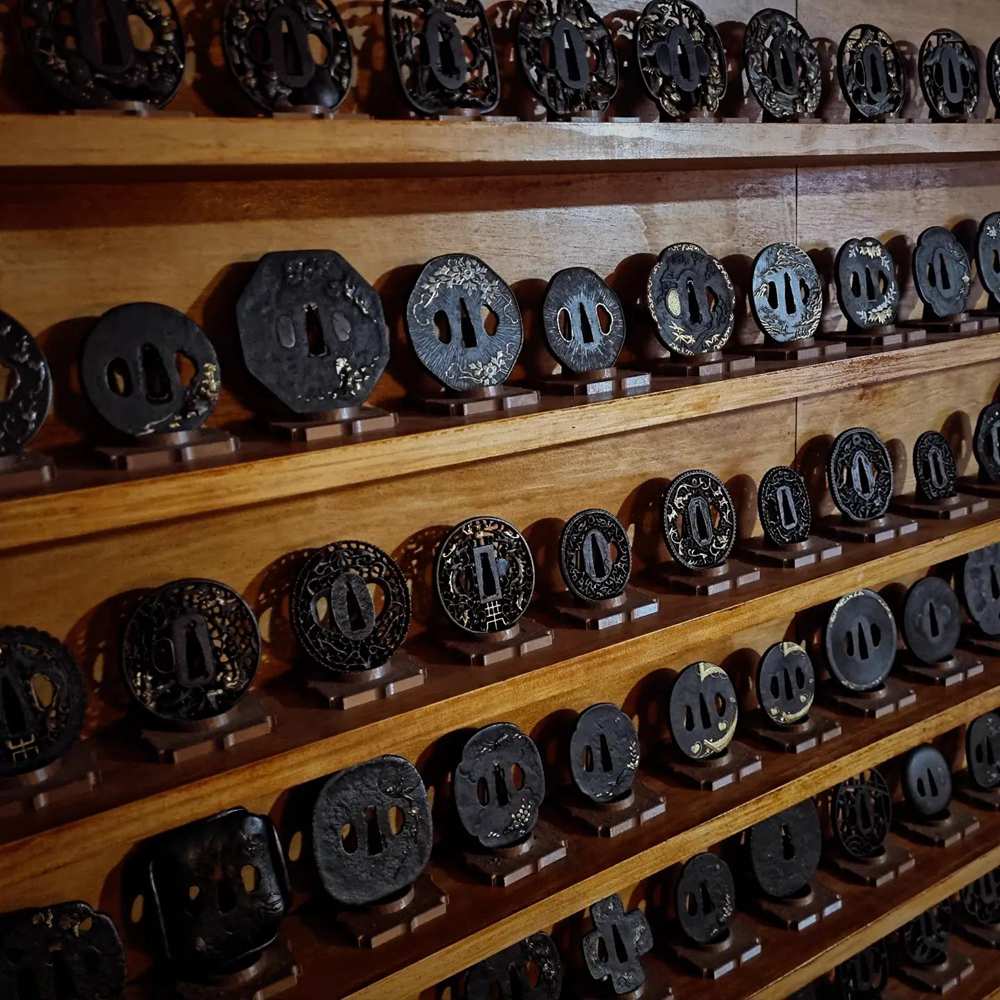
The Japanese sword guard, known as tsuba, is one of the most recognized sword fittings in the world. Unlike large European cross guards, Japanese tsuba are generally smaller and designed to balance protection, weight, and sword handling.
Traditional katana tsuba were made from materials such as iron, copper, brass, and other alloys. Many feature beautiful decorations including dragons, flowers, landscapes, warriors, and symbolic patterns.
Chinese Sword Guards
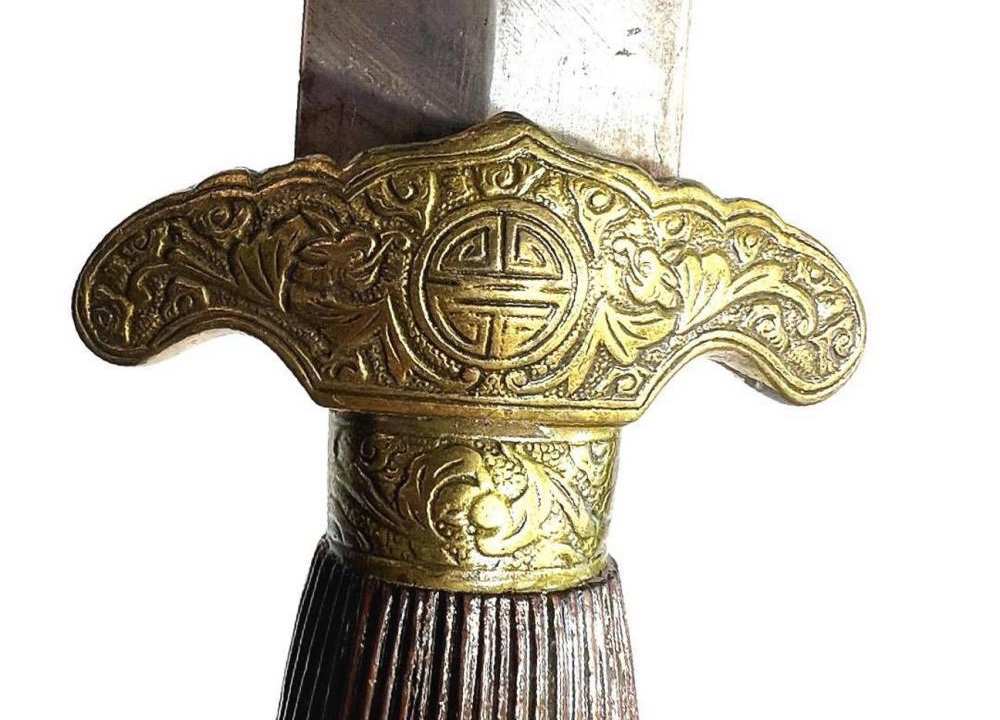
Chinese swords developed different guard styles throughout history. Early bronze swords had simple or limited hand protection, while later swords from the Ming and Qing dynasties often featured more practical and decorative guards.
Chinese sword guards demonstrate a combination of functionality and traditional craftsmanship, often matching the overall style of the sword.
The Artistic Value of Exquisite Sword Guards
A beautifully crafted sword guard can transform a weapon into a piece of art. Skilled craftsmen use various techniques including engraving, carving, polishing, and metal decoration to create unique designs.
Collectors often appreciate sword guards not only for their beauty but also because they represent historical periods, craftsmanship traditions, and cultural identity.
Picture Appreciation of Exquisite Sword Guards
The following sword guard designs showcase different styles from various sword-making traditions. Each piece demonstrates the creativity and craftsmanship behind historical and modern sword fittings.
Example of an elegant sword guard featuring detailed craftsmanship and traditional design elements.
How to Choose a Beautiful Sword Guard?
When choosing a sword guard, collectors and sword enthusiasts usually consider several factors:
- Design style: Choose a guard that matches the historical period or sword type.
- Material quality: Iron, brass, copper, and other metals each provide different appearances.
- Craftsmanship: Detailed engraving and finishing show the skill of the maker.
- Balance: A good sword guard should complement the sword's weight and handling.
Frequently Asked Questions About Sword Guards
1. What is the purpose of a sword guard?
A sword guard protects the user's hand and helps improve sword balance. It also provides an important decorative element.
2. What is a Japanese sword guard called?
A Japanese sword guard is called a tsuba. Katana tsuba are famous for their artistic designs and detailed metal craftsmanship.
3. Are sword guards only decorative?
No. Sword guards have practical protective functions while also serving as artistic and collectible sword fittings.
4. What materials are used for sword guards?
Common materials include iron, brass, copper, bronze, and other metal alloys. The choice depends on historical period and sword style.
5. Can I customize a sword guard for a sword?
Yes. Many modern sword makers offer custom sword fittings, allowing customers to select different guard designs, materials, and decorations.
Final Thoughts
Sword guards represent the perfect combination of function and art. Whether it is a European medieval sword guard, Japanese katana tsuba, or Chinese sword fitting, every design tells a story about the culture and craftsmanship behind the sword.
For sword collectors and enthusiasts, appreciating sword guards is also a way to understand the history, technology, and artistic traditions of sword making.