
Bo-Hi vs. No-Bo-Hi Katana: What's the Difference and Which Should You Choose?
Bo-Hi vs. No-Bo-Hi Katana: What's the Difference and Which Should You Choose?
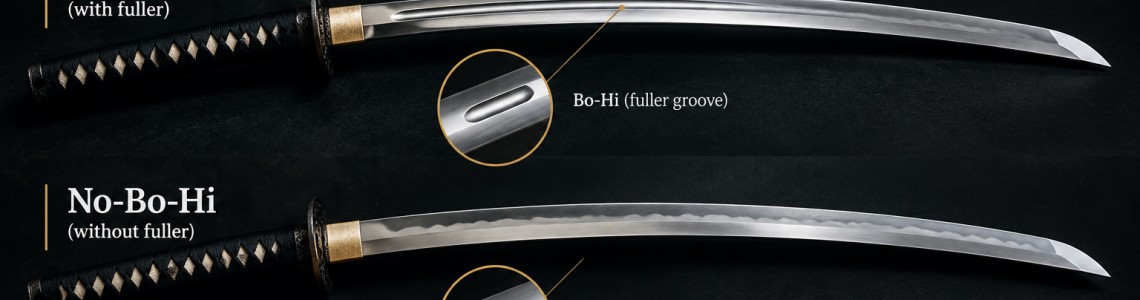
When shopping for a Japanese katana, one detail you may notice is whether the blade has a long groove running along its length. This feature is known as Bo-Hi, a traditional blade fuller found on many Japanese swords. Some katana blades feature this distinctive groove, while others have a smooth, solid-looking surface without one.
Although the difference may seem mostly cosmetic at first, Bo-Hi can influence a sword's overall weight, balance, appearance, and handling characteristics. Understanding these differences can help you make a more informed decision when choosing a katana for collecting, display, or appropriate martial arts practice.
In this guide, we will explain what Bo-Hi and No-Bo-Hi mean, compare their main characteristics, and help you decide which blade style is right for your preferences.
1. What Is Bo-Hi on a Katana?
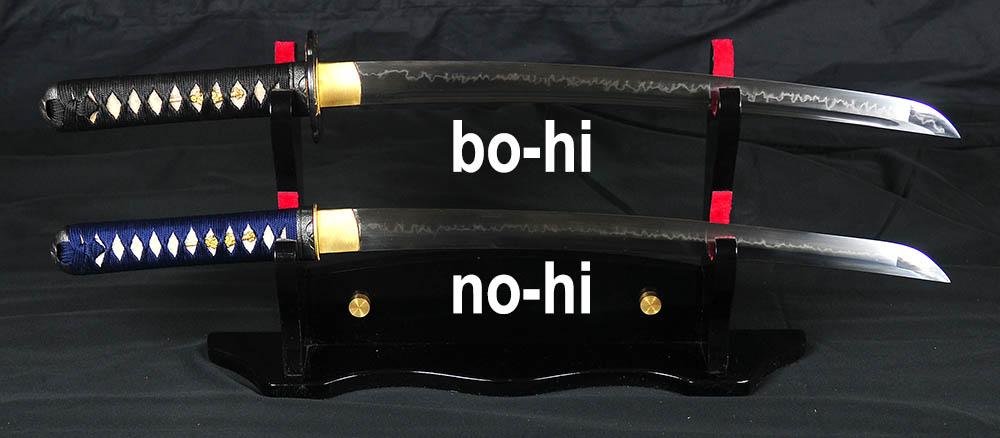
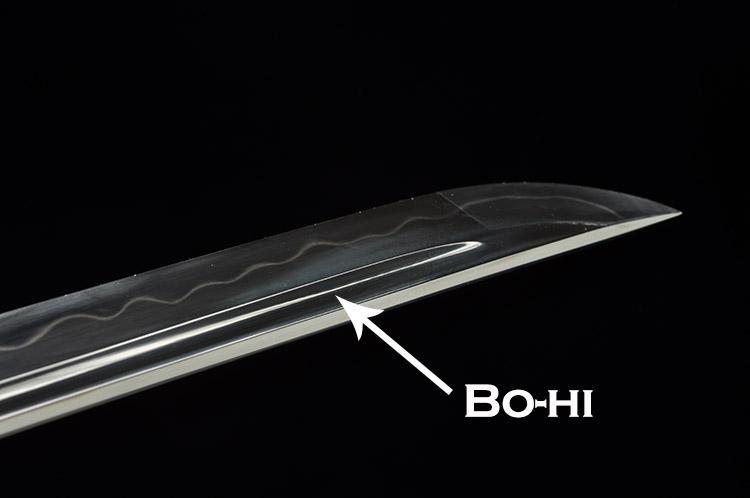
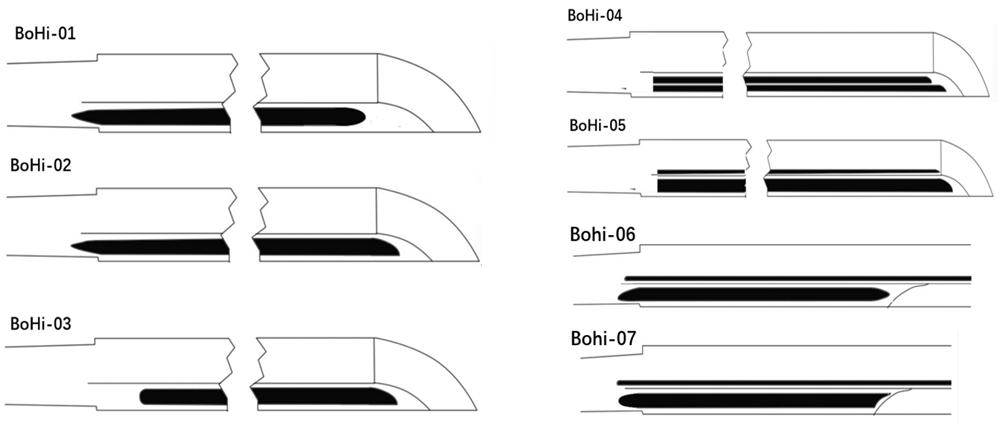
Bo-Hi (棒樋) is a long, narrow groove carved into the surface of a Japanese sword blade. In English, it is commonly called a fuller. It usually runs lengthwise along the blade, following its general shape from near the habaki toward the upper portion of the blade.
Bo-Hi is one of the recognizable features of traditional Japanese sword design. Depending on the blade geometry and craftsmanship, the groove can vary in length, width, depth, and position.
The most common reasons for incorporating a Bo-Hi include:
- Weight reduction: Removing material from a selected area of the blade can reduce its overall mass.
- Balance and handling: Changes in weight distribution can influence how a sword feels when handled.
- Traditional appearance: The groove adds a distinctive visual detail that many collectors appreciate.
- Sound characteristics: Under certain movement conditions, a Bo-Hi blade can produce an audible tone often associated with sword movement.
It is important to understand that Bo-Hi is not simply a channel designed to allow blood to flow. Its role is related to blade geometry, weight distribution, and traditional aesthetics.
2. What Is a No-Bo-Hi Katana?
A No-Bo-Hi katana is a sword blade without a longitudinal fuller. Instead of having a visible groove along the blade, its surface maintains a continuous blade profile without this recessed feature.
This design gives the blade a clean and relatively uninterrupted appearance. Depending on the blade style, the surface may display features such as a visible hamon, ji-hada, and the characteristic geometry of the sword.
Many collectors prefer No-Bo-Hi blades because they appreciate their simple appearance and the uninterrupted presentation of the blade's surface.
Some common characteristics include:
- A smooth blade surface without a longitudinal fuller.
- A traditional and understated appearance.
- Potentially greater overall blade mass compared with an otherwise similar Bo-Hi blade.
- A different weight distribution depending on the blade's dimensions and geometry.
However, not every No-Bo-Hi katana is heavier than every Bo-Hi katana. Blade length, thickness, taper, and construction all contribute to the final weight.
3. Bo-Hi vs. No-Bo-Hi: Key Differences
Both designs can be found on Japanese katana blades, but they offer different visual and physical characteristics. The following comparison highlights the main differences buyers should understand.
| Feature | Bo-Hi Katana | No-Bo-Hi Katana |
|---|---|---|
| Blade appearance | Features a visible longitudinal groove | Smooth surface without a fuller |
| Weight | Usually lighter than an otherwise comparable blade | May retain more material and weight |
| Balance | Affected by the location and dimensions of the fuller | Depends on the overall blade geometry |
| Sound | May produce an audible tone during certain movements | Does not have the same fuller-related sound characteristics |
| Visual style | Distinctive and detailed | Simple and uninterrupted |
Appearance
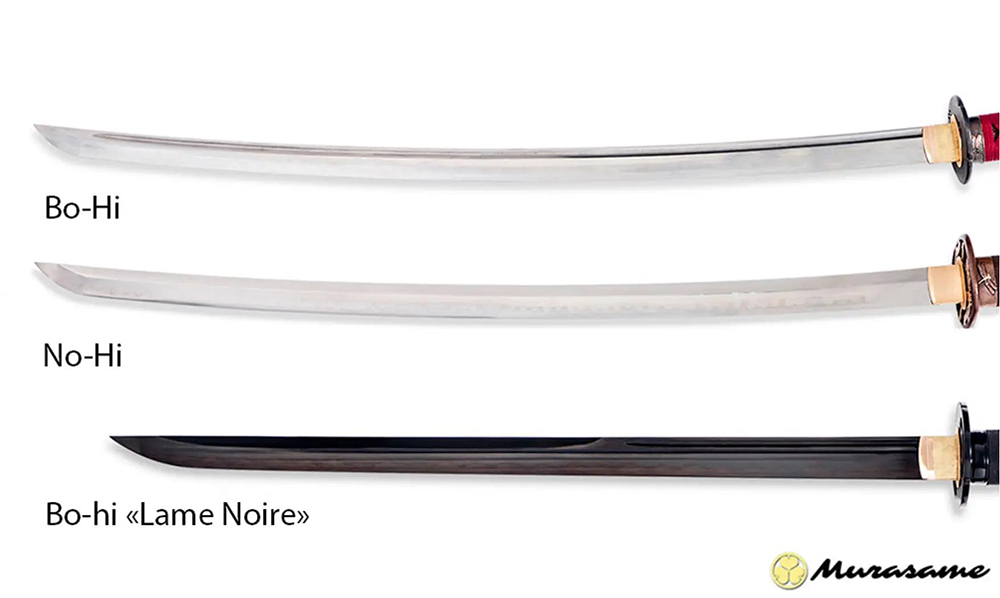
The most obvious difference is the blade's appearance. Bo-Hi creates a visible recessed line that adds depth and detail to the blade. No-Bo-Hi offers a cleaner surface, allowing the overall blade profile and other surface features to stand out.
Neither style is inherently more traditional or more attractive. The choice largely depends on personal taste and the particular sword design.
Weight and Balance
A fuller removes material from the blade, which can reduce its overall weight. This may also affect the sword's center of balance and how it feels during movement.
However, balance is influenced by much more than the presence of Bo-Hi. Blade length, thickness, taper, curvature, handle construction, and fittings all contribute to the final result.
Sound During Movement
One interesting feature associated with Bo-Hi is the sound that can sometimes be produced when a sword moves through the air. This sound is often called tachi-kaze in Japanese sword terminology.
The sound depends on several factors, including movement speed, blade geometry, groove dimensions, and technique. Not every Bo-Hi katana will produce a noticeable sound, and the sound itself is not a reliable indicator of blade quality or cutting performance.
4. Does Bo-Hi Make a Katana Lighter?
Yes. In general, adding a Bo-Hi can reduce a katana's weight because some material is removed from the blade during the grooving process.
The actual weight difference depends on the groove's length, width, depth, and the original dimensions of the blade. A narrow and shallow fuller removes less material than a wider and deeper one.
It is also worth remembering that two katana blades with identical lengths can have different weights even if both feature Bo-Hi or neither has a fuller.
For example, a thicker blade without Bo-Hi may weigh more than a thinner blade with Bo-Hi. Likewise, a long blade with a fuller is not automatically lighter than a shorter blade without one.
When comparing katana specifications, consider the complete blade geometry rather than relying on the fuller alone.
5. Does Bo-Hi Make a Katana Weaker?
This is a common question among people comparing Japanese swords. The answer is not simply yes or no.
A fuller changes the blade's cross-sectional geometry by removing material from a specific area. This can affect stiffness and structural behavior, depending on the groove's dimensions and the blade's remaining thickness.
However, a properly designed Bo-Hi does not automatically make a katana weak. Similarly, a No-Bo-Hi blade is not automatically stronger simply because it contains more material.
Overall blade quality depends on several factors, including:
- Steel quality and material consistency.
- Heat treatment and hardness.
- Blade thickness and cross-sectional geometry.
- Craftsmanship and manufacturing precision.
- Proper assembly and intended use.
For buyers, it is better to evaluate the complete sword and its specifications instead of judging its strength based only on whether it has a Bo-Hi.
6. Which Katana Should You Choose?
There is no single answer that suits every buyer. The best choice depends on your preferred appearance, desired weight, and the purpose of your sword.
Choose a Bo-Hi Katana If You Prefer:
- A blade with a distinctive longitudinal groove.
- A traditional design featuring additional visual detail.
- A potentially lighter blade compared with an otherwise similar No-Bo-Hi design.
- The characteristic sound that some Bo-Hi blades produce during movement.
- A katana style that combines traditional aesthetics with a fuller.
Choose a No-Bo-Hi Katana If You Prefer:
- A clean and uninterrupted blade surface.
- A simple and understated traditional appearance.
- A blade without a longitudinal fuller.
- The opportunity to appreciate the overall blade profile and surface details without a groove.
For collectors, both designs can be excellent additions to a Japanese sword collection. If you are selecting a katana for martial arts practice, consider the specific requirements of your training and consult a qualified instructor when choosing a suitable sword.
7. Can You Customize a Katana with or Without Bo-Hi?
If you want a katana that matches your personal preferences, choosing between Bo-Hi and No-Bo-Hi is only one part of the customization process.
Depending on the available options, you may also be able to customize other features, including:
- Blade steel: Select from available steel options such as T10, 1095, and 1060.
- Blade length: Choose a suitable blade length based on your preferences and intended purpose.
- Blade geometry: Consider different blade profiles and tip styles.
- Hamon: Explore different tempering patterns and visual styles where available.
- Tsuka and ito: Select handle wrapping colors and materials.
- Tsuba and fittings: Choose different guards and decorative fittings.
- Saya: Customize the scabbard's color, finish, and decorative details.
At HanBon Forge, we offer a range of Japanese swords and customization options for customers who want a katana that reflects their individual style.
If you are planning a custom sword, explore our Custom Katana options and consider which blade style best matches your preferences.
Whether you prefer a Bo-Hi blade with a distinctive fuller or a No-Bo-Hi blade with a clean profile, choosing the right combination of specifications will help you create a sword that suits your taste.
8. Frequently Asked Questions
Does Every Katana Have a Bo-Hi?
No. Some katana blades feature a Bo-Hi fuller, while others have a smooth surface without one. Both designs are found in Japanese sword-making traditions.
Does Bo-Hi Make a Katana Lighter?
Generally, yes. Bo-Hi removes material from the blade, which can reduce its overall weight. The amount of weight reduction depends on the groove's dimensions and the blade's original geometry.
Does a Bo-Hi Katana Make a Different Sound?
It can. Some Bo-Hi blades produce an audible tone during movement, often associated with tachi-kaze. However, the sound depends on blade geometry and movement conditions, and not every Bo-Hi katana produces a noticeable tone.
Is a No-Bo-Hi Katana Stronger?
Not necessarily. Strength depends on the blade's material, heat treatment, thickness, geometry, and craftsmanship. The absence of a fuller alone does not guarantee greater strength.
Is a No-Bo-Hi Katana Always Heavier?
No. Although a comparable No-Bo-Hi blade may retain more material, the final weight depends on its length, thickness, taper, and overall construction.
Which Is Better for Beginners: Bo-Hi or No-Bo-Hi?
Neither style is automatically better for beginners. The choice should depend on the sword's intended purpose, overall weight, balance, and suitability for the user's training requirements. A qualified instructor can help beginners select appropriate training equipment.
Final Thoughts
The main difference between Bo-Hi and No-Bo-Hi katana blades is the presence or absence of a longitudinal fuller. While this feature can influence weight, balance, and appearance, it does not determine the overall quality or strength of a sword on its own.
Bo-Hi offers a distinctive traditional look and can reduce blade weight, while No-Bo-Hi provides a clean and uninterrupted blade profile. Both have their own appeal, and neither is universally better than the other.
Ultimately, the right katana is the one that matches your preferences, intended purpose, and appreciation of Japanese sword craftsmanship. Take the time to compare the blade specifications and choose a design you will enjoy for years to come.
Explore the Japanese swords at HanBon Forge to discover different blade styles and customization possibilities.