
Decorative Sword vs Functional Sword: Complete Buying Guide
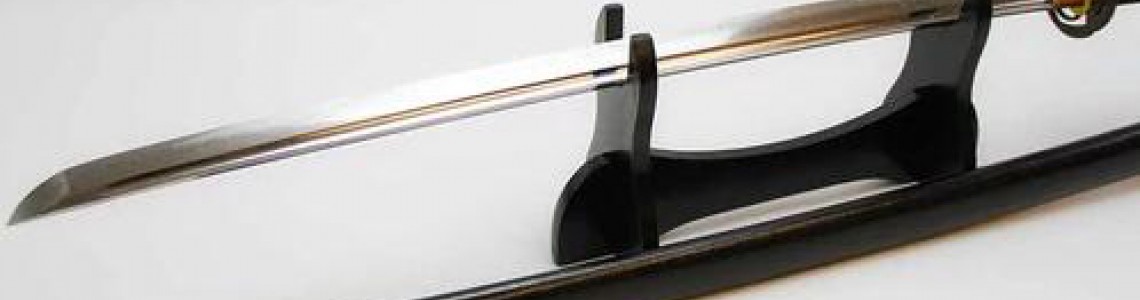
Decorative Sword vs Functional Sword: How to Choose the Right Blade
When buying a sword, one of the most important questions is not only how the sword looks, but what it is designed to do. Many swords on the market appear similar in photographs, yet their construction, materials, and intended purposes can be completely different.
The main difference between a decorative sword and a functional sword is the purpose behind the design. A decorative sword is created for display, collection, cosplay, or decoration, while a functional sword is built with real performance, durability, and proper construction in mind.
For beginners, choosing between a display sword and a functional blade can be confusing. Terms such as "high carbon steel," "sharp blade," and "battle ready" are often used in product descriptions, but these words alone do not always guarantee a usable sword.
Understanding the differences between a decorative sword vs functional sword will help you choose the right blade for your collection, martial arts training, cutting practice, or home display.
What Is a Decorative Sword?
A decorative sword, also called a display sword or ornamental sword, is designed mainly for appearance rather than practical use. The primary goal is to create an attractive piece that represents historical weapons, fantasy designs, movie replicas, or cultural artwork.
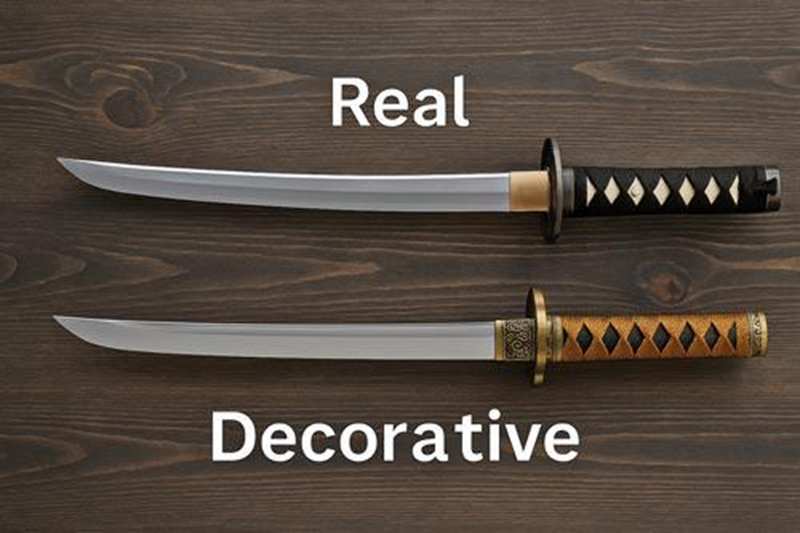
Decorative swords are commonly purchased by collectors, movie fans, cosplay enthusiasts, and people who want a sword as part of their home decoration. These swords can feature beautiful engravings, colorful fittings, unique designs, and detailed decorations.
Because they are intended for display, decorative swords usually focus on visual appeal and affordability rather than strength, balance, or impact resistance.
Common Features of Decorative Swords
- Display purpose: Designed for decoration, collections, or presentation.
- Appearance-focused: Often includes decorative patterns, polished surfaces, or fantasy designs.
- Lower production cost: Usually manufactured with simpler construction methods.
- Limited durability: Not designed for cutting, impact, or heavy use.
A decorative sword can be an excellent choice if your goal is to display a beautiful blade on a wall, in an office, or as part of a collection. However, it should not be mistaken for a sword designed for practical use.
What Is a Functional Sword?
A functional sword is designed to perform as an actual weapon. It requires proper materials, strong construction, correct balance, and appropriate heat treatment to withstand the stress created during handling and cutting.
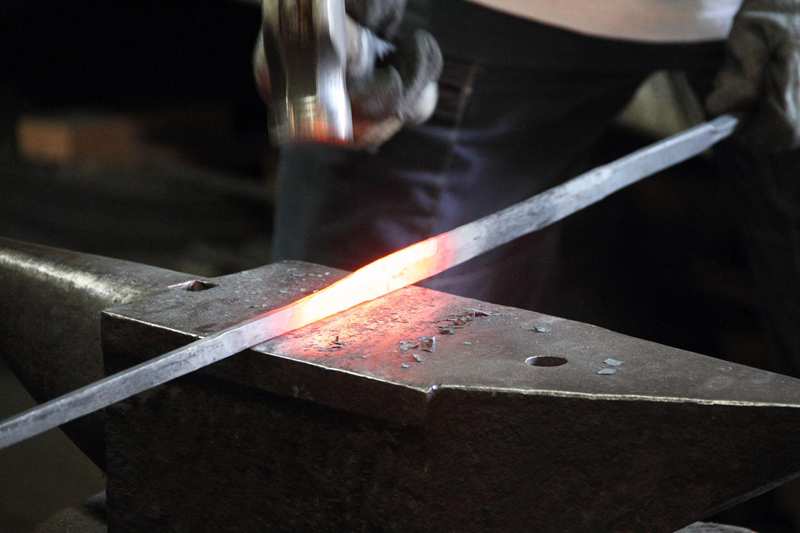
Functional swords are commonly used by martial artists, sword collectors, historical practitioners, and enthusiasts who want a blade with realistic construction and performance.
A high-quality functional sword is not defined only by being sharp. The strength of the blade depends on many factors, including steel quality, forging method, tang construction, heat treatment, and overall craftsmanship.
Common Features of Functional Swords
- High-quality steel: Usually made from carbon steel or other suitable sword steels.
- Proper heat treatment: Balances hardness, flexibility, and toughness.
- Strong construction: Uses reliable blade and tang designs.
- Practical balance: Designed for realistic handling and control.
A functional sword is built around performance. Every part of the sword, from the blade to the handle, must work together to create a safe and reliable weapon.
Decorative Sword vs Functional Sword: Why the Difference Matters
At first glance, a decorative sword and a functional sword may look almost identical. Both can have beautiful blades, traditional fittings, and impressive designs. However, the differences are usually hidden inside the construction.
A decorative sword is created to be admired. A functional sword is created to perform. Choosing the wrong type can lead to disappointment or even safety problems if a display sword is used like a real weapon.
Before purchasing a sword, buyers should carefully examine the steel type, blade construction, tang design, heat treatment, and intended purpose instead of judging only by appearance.
Who Should Choose a Decorative Sword?
A decorative sword is a good choice for people who want a beautiful piece for display rather than practical use.
- Collectors looking for historical or fantasy decorations
- Movie, anime, and game enthusiasts
- People decorating homes, offices, or themed rooms
- Customers looking for an affordable sword display piece
For these purposes, appearance and design are usually more important than cutting ability or structural strength.
Who Should Choose a Functional Sword?
A functional sword is better suited for buyers who value craftsmanship, realistic construction, and practical performance.
- Martial arts practitioners
- Serious sword collectors
- Historical weapon enthusiasts
- Customers interested in cutting practice
For these users, details such as steel type, heat treatment, blade geometry, and tang construction become much more important than decoration alone.
Decorative Sword vs Functional Sword: Main Differences
The difference between a decorative sword and a functional sword is mainly determined by construction, materials, and intended purpose. A sword that looks impressive does not always have the structure required for practical use.
| Feature | Decorative Sword | Functional Sword |
| Main Purpose | Display, decoration, collection, cosplay | Practical handling, martial arts, cutting practice |
| Blade Material | May use low-cost metals or non-functional materials | Usually uses high carbon steel or suitable sword steel |
| Heat Treatment | Often limited or absent | Proper heat treatment improves hardness and durability |
| Tang Construction | May use weak decorative tang designs | Usually uses strong full tang construction |
| Balance | Designed mainly for appearance | Designed for realistic handling and control |
| Cutting Ability | Not designed for cutting | Designed for controlled cutting performance |
Blade Steel: Why Material Matters
One of the biggest differences between a decorative sword and a functional sword is the blade material. Steel quality directly affects strength, flexibility, durability, and overall performance.
Many decorative swords are created mainly for appearance and may use stainless steel, soft metals, or materials that are not designed to withstand impact.
Functional swords are usually made from stronger materials such as high carbon steel, 1095 carbon steel, or T10 steel. These steels can achieve the necessary balance between hardness and toughness when properly heat treated.
High Carbon Steel Swords
High carbon steel is commonly used for functional swords because it provides better edge retention and strength compared with decorative materials.
However, steel type alone does not determine sword quality. A well-made sword requires proper forging, shaping, and heat treatment.
Full Tang vs Decorative Tang Construction
The tang is the part of the blade that extends inside the handle. It is one of the most important structural components of a functional sword.
Full Tang Construction
A full tang sword has a blade that extends through the entire handle area. The handle scales or grip materials are attached around the tang, creating a stronger and more reliable structure.
Full tang construction is commonly preferred for functional swords because it improves strength, stability, and durability.
Decorative Tang Construction
Many decorative swords use simplified tang designs because they are not intended to withstand stress from cutting or impact.
Although these swords may look similar from the outside, the internal construction can be very different.
Heat Treatment: The Difference Between Appearance and Performance
Heat treatment is one of the most important processes that separates a decorative sword from a functional sword.
During heat treatment, the steel structure of the blade is carefully changed to achieve the desired combination of hardness and flexibility.
A functional sword requires proper heat treatment because a blade that is too soft may lose its edge, while a blade that is too hard may become brittle.
Clay Tempering and Differential Hardening
Some traditional swords use clay tempering, also known as differential hardening. This process creates a harder cutting edge and a softer spine, producing a balance between cutting ability and flexibility.
A genuine clay tempered blade may also develop a visible hamon, which represents the different hardness zones created during heat treatment.
What Does "Battle Ready Sword" Mean?
The term "battle ready sword" is often used online, but its meaning can vary between sellers. In general, it refers to a sword designed with practical construction rather than being purely decorative.
A quality functional sword should have:
- A suitable steel blade
- Proper heat treatment
- Strong tang construction
- Secure fittings
- Good balance and handling
Buyers should always check detailed specifications instead of relying only on marketing terms.
Common Mistakes When Buying a Sword Online
Many beginners make purchasing decisions based only on appearance. While a beautiful design is important, a sword's construction determines its real quality.
- Choosing a sword only because it looks attractive
- Assuming a sharp blade means it is functional
- Ignoring steel type and heat treatment information
- Buying without checking tang construction
- Confusing a display sword with a practical sword
How to Choose Between a Decorative Sword and a Functional Sword
Choosing between a decorative sword and a functional sword depends entirely on your purpose. There is no single "best" sword for everyone because different buyers have different expectations.
Choose a Decorative Sword If You Want:
- A beautiful display piece for your home or office
- A movie, anime, or fantasy sword replica
- A collectible sword focused on appearance
- An affordable decorative item
Choose a Functional Sword If You Want:
- A sword with realistic construction
- A blade suitable for martial arts practice
- A high-quality collectible with traditional craftsmanship
- A sword designed for controlled cutting practice
Before purchasing, always consider how you plan to use the sword. A decorative sword can be perfect for display, while a functional sword requires careful attention to materials, construction, and craftsmanship.
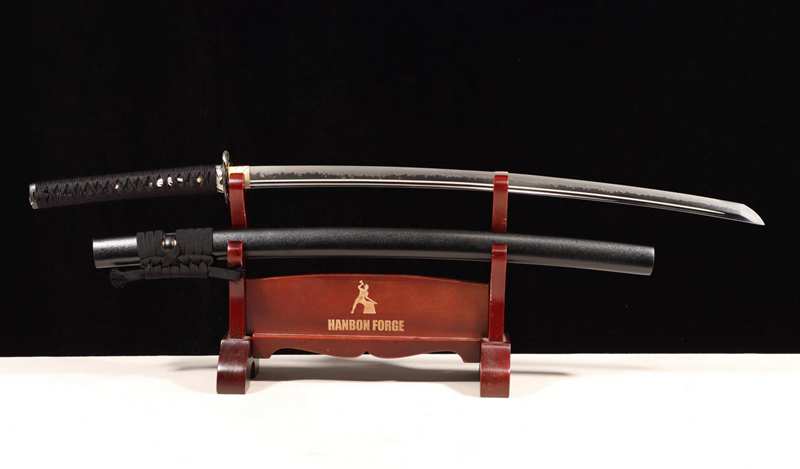
Important Features to Check Before Buying a Functional Sword
If you are looking for a functional sword, several important details should be checked before making a purchase.
1. Blade Steel
The blade material affects strength, edge retention, and durability. Popular functional sword steels include 1060 carbon steel, 1095 carbon steel, and T10 steel.
However, steel type alone does not determine quality. Proper heat treatment and craftsmanship are equally important.
2. Tang Design
A strong tang connects the blade to the handle and helps the sword withstand stress. For functional swords, full tang construction is generally preferred because it provides better structural strength.
3. Heat Treatment Method
A properly heat treated blade achieves the right balance between hardness and flexibility. Traditional methods such as clay tempering can create a functional blade with a hardened edge and flexible spine.
4. Blade Balance and Weight
A functional sword should feel balanced in the hand. The weight distribution affects control, handling speed, and overall user experience.
A sword that is too heavy may become difficult to control, while a sword that is too light may not have the proper feel of a traditional blade.
Why Choose HanBon Forge Functional Swords?
HanBon Forge specializes in handmade functional swords designed for collectors, martial artists, and sword enthusiasts who appreciate traditional craftsmanship.
Our functional swords are made with attention to blade materials, construction quality, heat treatment, and traditional sword aesthetics. Each sword is carefully inspected during production to ensure reliable quality.
From Japanese katana to Chinese swords and other traditional blades, HanBon Forge offers different options for customers who want more than a simple decorative display piece.
Whether you are searching for a collectible sword, a martial arts training blade, or a functional sword with traditional design, understanding the difference between decorative and functional swords helps you make the right decision.
Conclusion: Choosing the Right Sword Depends on Your Purpose
The difference between a decorative sword and a functional sword comes down to purpose, construction, and performance.
A decorative sword is designed to be admired, while a functional sword is designed to perform. Both have their own value, but buyers should understand the difference before making a purchase.
By learning about steel, heat treatment, tang construction, and sword design, you can choose a blade that matches your expectations and enjoy your sword for years to come.
Frequently Asked Questions About Decorative and Functional Swords
1. What is the difference between a decorative sword and a functional sword?
A decorative sword is made mainly for display and appearance, while a functional sword is built with proper materials, construction, and heat treatment for practical use.
2. Can a decorative sword be used for cutting?
Most decorative swords are not designed for cutting. Using them for impact or cutting practice may damage the blade or create safety risks.
3. What makes a sword functional?
A functional sword usually has suitable steel, proper heat treatment, strong tang construction, secure fittings, and good balance.
4. Is a sharp sword always a functional sword?
No. Sharpness alone does not determine sword quality. A functional sword requires strength, durability, and proper construction.
5. What steel is best for a functional sword?
High carbon steels such as 1060, 1095, and T10 are commonly used for functional swords because they can provide good hardness and durability when properly treated.
6. What does full tang mean on a sword?
Full tang means the blade extends through the handle, creating a stronger connection between the blade and grip.
7. Is a battle ready sword suitable for beginners?
A functional sword can be suitable for beginners, but users should learn proper handling techniques and always follow safety practices.
8. Should I buy a decorative sword or a functional sword?
The right choice depends on your purpose. Choose a decorative sword for display and a functional sword for realistic craftsmanship, martial arts, or cutting practice.